
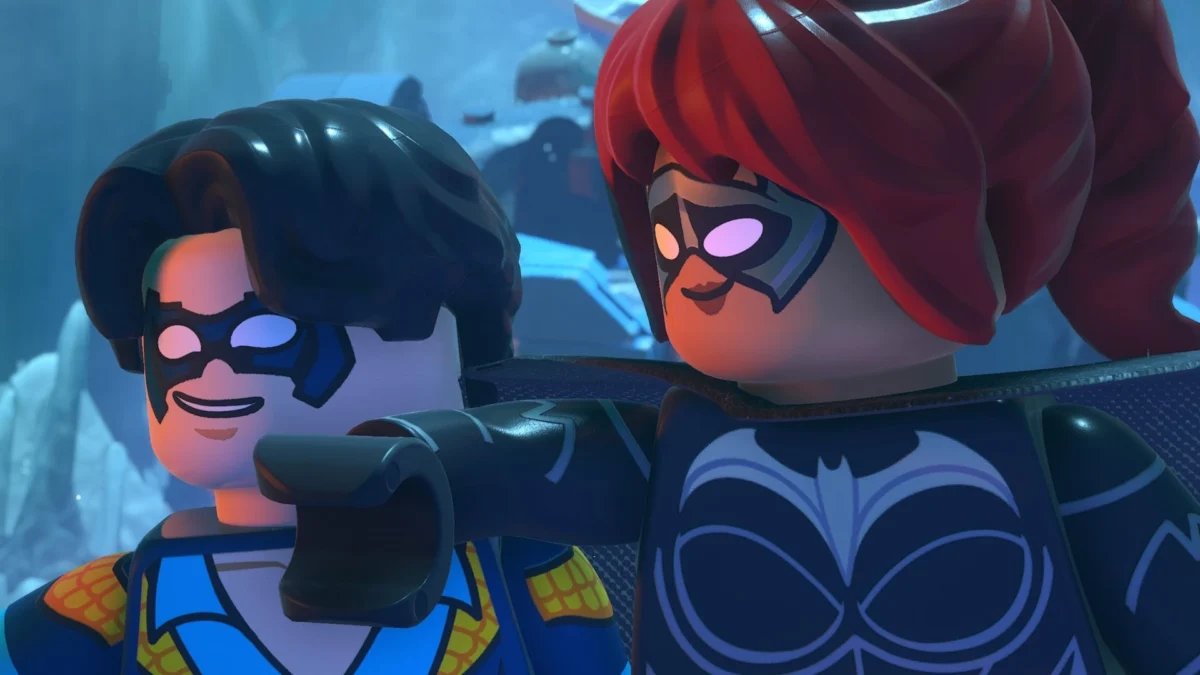
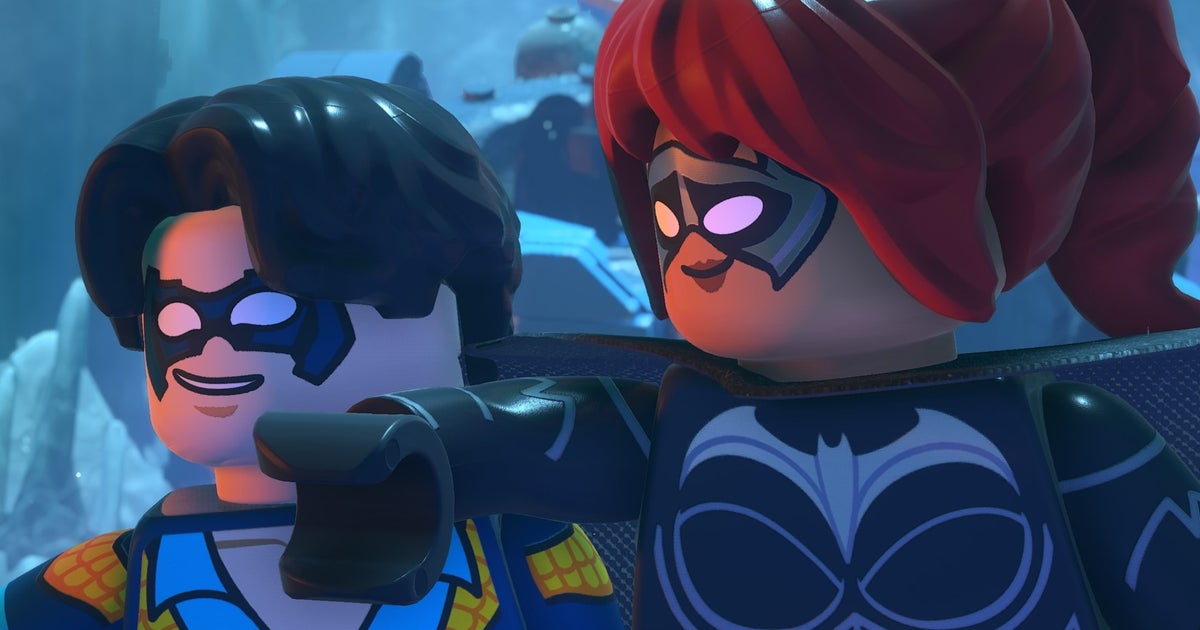
The release of Lego Batman: Legacy of the Dark Knight marks a significant milestone in the long-standing collaboration between TT Games, Warner Bros. Games, and DC Entertainment. This latest installment functions not merely as a traditional action-adventure title but as a comprehensive digital archive of Batman’s eighty-five-year history. By integrating subtle environmental storytelling, sophisticated dialogue cues, and evolving visual assets, the game serves as a bridge between various eras of the Caped Crusader, ranging from the campy 1960s television series to the gritty, grounded realism of modern cinematic interpretations. Industry analysts suggest that the inclusion of deep-cut references is a strategic move to appeal to a multi-generational demographic, ensuring that both younger players and long-term comic book enthusiasts find value in the exploration of a reconstructed Gotham City.
Historical Foundations and Literary Homages
Central to the narrative depth of Lego Batman: Legacy of the Dark Knight is its commitment to the literary origins of the character. One of the most prominent environmental details discovered by players is a billboard for "Miller and Moore Accountants." While seemingly innocuous to a casual observer, this is a direct acknowledgement of Frank Miller and Alan Moore, two of the most influential writers in the history of the medium.
Frank Miller’s 1986 limited series, The Dark Knight Returns, is widely credited with revitalizing the character by introducing a darker, more complex psychological profile. Similarly, his work on Batman: Year One redefined the character’s origin for the modern age. Alan Moore’s contribution, specifically the 1988 graphic novel The Killing Joke, remains a definitive exploration of the Joker’s psyche and his symbiotic relationship with Batman. By placing these names within the architecture of the game’s Gotham, the developers establish a foundation of reverence for the source material that transcends the "toy-box" aesthetic typically associated with Lego titles.

The Voice of a Generation: Tributes to Kevin Conroy
The game features a poignant tribute to the late Kevin Conroy, who served as the voice of Batman for over three decades. Conroy, who passed away in 2022, first voiced the character in Batman: The Animated Series (1992–1995) and continued through the critically acclaimed Arkham trilogy developed by Rocksteady Studios. Within the game, players have identified a prominent billboard titled "After Hours with Conroy," situated high above the streets of Gotham.
This inclusion serves as a formal recognition of Conroy’s status as "the voice of the Knight" for millions of fans. For the gaming industry, Conroy’s performance was foundational, proving that voice acting in superhero media could carry the same gravitas and emotional weight as live-action performances. The tribute is positioned in a manner that requires players to utilize the game’s verticality, encouraging a moment of reflection amidst the high-octane gameplay.

Cinematic Chronology and Multi-Layered Meta-References
Lego Batman: Legacy of the Dark Knight utilizes a sophisticated "Easter egg" system to reference various cinematic eras. A notable example is the dialogue assigned to the character Ra’s al Ghul. During specific encounters, the character delivers a line regarding a "specific set of skills" used to dismantle criminal empires. This serves as a dual-layered reference: it acknowledges Liam Neeson’s portrayal of Ra’s al Ghul in Christopher Nolan’s Batman Begins (2005) while simultaneously nodding to Neeson’s famous monologue from the 2008 action film Taken.
Further cinematic nods are found in the game’s environmental posters. The "Missing Cat" posters scattered throughout Gotham feature names such as "Julie Mewmar," "Meowchelle," and "Halle Purry." These are direct phonetic plays on the names of actresses who have portrayed Catwoman across different media: Julie Newmar (1960s TV series), Michelle Pfeiffer (Batman Returns, 1992), and Halle Berry (Catwoman, 2004). This level of detail demonstrates an awareness of the character’s evolving identity and the different cultural impacts each iteration has had on the public consciousness.

The Evolution of the Bat-Signal: A Visual Timeline
One of the most technically impressive features of the game is the dynamic evolution of the Bat-Signal. Rather than utilizing a static asset, the developers have programmed the signal to change its silhouette and design as the player progresses through the story’s chapters.
- Early Chapters: The signal reflects the wider, more stylized bat-symbol seen in the Golden and Silver Ages of comics.
- Mid-Game: The signal shifts toward the oval-encased bat-wing design popularized by the 1989 Tim Burton film.
- Final Chapters: The signal adopts the sharp, angular, and militaristic aesthetic of the Nolan Dark Knight trilogy.
This progression acts as a non-verbal indicator of the story’s tone, which shifts from lighthearted adventure to a more high-stakes, dramatic conflict as the narrative nears its conclusion. It also serves as a reward for attentive players, providing a sense of historical momentum as they move through the game’s five-chapter structure.

Real-World Tensions and Behind-the-Scenes Lore
The game does not shy away from referencing the occasionally tumultuous history of Batman film productions. During a mission involving the character Two-Face, players may overhear the line, "I simply cannot sanction any more of your buffoonery!" This is a direct quote attributed to actor Tommy Lee Jones during the filming of Batman Forever (1995).
According to various industry accounts, including those from co-star Jim Carrey, Jones was famously unsupportive of Carrey’s high-energy acting style. By including this specific line of dialogue, TT Games signals a deep familiarity with the "behind-the-scenes" lore of the franchise. It provides a layer of humor that appeals specifically to the adult "super-fan" while remaining integrated into the character’s in-game persona.

The Joker’s Legacy: From Nicholson to Ledger
The portrayal of the Joker in Legacy of the Dark Knight is a composite of several legendary performances. The Flugelheim Art Gallery mission is a direct homage to the 1989 Batman film, replicating the scene where Jack Nicholson’s Joker defaces a museum to the sound of Prince’s "Partyman."
In the latter stages of the game, the tone shifts to honor Heath Ledger’s 2008 portrayal in The Dark Knight. Players have documented "Why So Serious" posters appearing in the game’s final act. Furthermore, the character model for the Joker in these sections incorporates subtle behavioral tics, such as the frequent licking of the lips—a habit Ledger developed to keep his prosthetic scars in place during filming. These details emphasize the game’s role as a curated gallery of the character’s most iconic moments.

Data and Market Analysis: The Lego Batman Phenomenon
The Batman intellectual property has proven to be one of the most resilient and profitable assets for Warner Bros. Discovery. The original Lego Batman: The Videogame (2008) sold over 11 million copies worldwide, establishing the "Lego Superhero" sub-genre as a dominant force in family-oriented gaming.
Data from recent quarterly earnings reports suggests that "legacy-focused" titles—games that lean heavily into the history and nostalgia of a brand—tend to have longer "tails" in terms of sales performance. By packing Legacy of the Dark Knight with references spanning sixty years of television and film, the developers are positioning the game to remain relevant throughout the current console generation.

Official Responses and Industry Implications
While Warner Bros. Games has not issued a formal statement regarding every specific reference, creative directors at TT Games have previously noted that their goal is always to create a "love letter" to the fans. Industry critics have praised the game for its "meticulous attention to detail," noting that it avoids the common pitfalls of licensed games by offering substantive content rather than superficial branding.
The success of this approach suggests a shift in how licensed properties are handled in the gaming industry. There is an increasing demand for "authenticity," even in stylized formats like Lego. Players are no longer satisfied with generic superhero experiences; they seek titles that acknowledge the rich history and cultural context of the characters they inhabit.

Conclusion: A Definitive Digital Compendium
Lego Batman: Legacy of the Dark Knight stands as a testament to the enduring power of the Batman mythos. Through its clever use of environmental storytelling, voice acting tributes, and cinematic homages, it provides an exhaustive overview of the character’s journey from the printed page to the silver screen. Whether it is the inclusion of "Shark Repellent Spray" as a nod to the 1966 Adam West era or the subtle recreation of Selina Kyle’s origins in Batman Returns, the game ensures that every facet of the Dark Knight’s history is given due recognition. As the franchise continues to evolve, this title will likely be remembered as a definitive digital compendium of Gotham City’s most famous resident.