

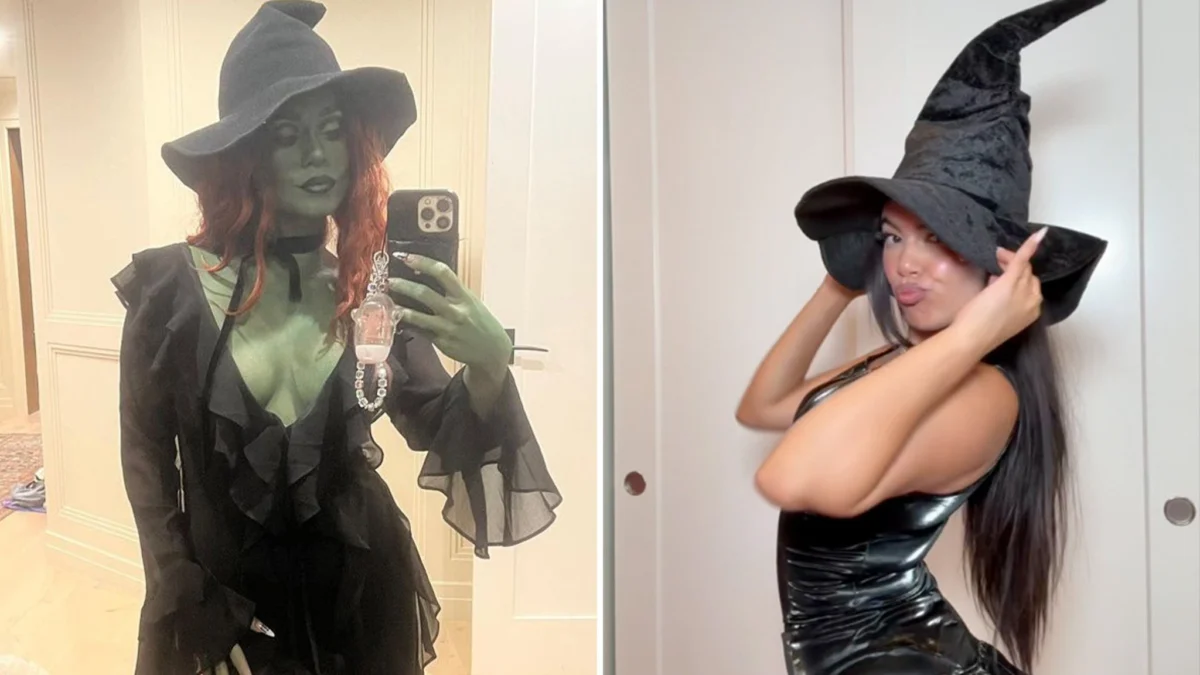
The arrival of October marks the unofficial commencement of the autumn festivities, bringing with it a surge in themed celebrations, seasonal decorations, and elaborate costume planning across the entertainment industry. As Halloween approaches, prominent figures in Hollywood and digital media have begun showcasing their seasonal wardrobes, with high-fashion interpretations of classic mythological and folkloric archetypes dominating early October festivities. Among the prevailing trends for the current season, the classic witch archetype has reemerged as a dominant fixture, reinterpreted through contemporary haute couture, avant-garde styling, and theatrical design.
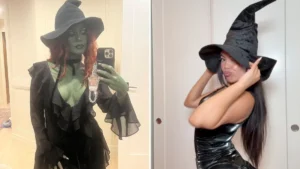
Celebrity participation in Halloween traditions has evolved significantly over the past decade, transforming from private, localized gatherings into globally broadcasted cultural moments amplified by digital platforms. Figures such as actress and producer Vanessa Hudgens, digital creator Adelaine Morin, and multi-talented entertainer Julianne Hough have recently captured public attention by debuting sophisticated, high-end interpretations of traditional witch costumes. These appearances highlight a broader intersection between contemporary fashion, seasonal marketing, and the multi-billion-dollar commercial holiday industry that defines the fourth quarter of the calendar year.
The Evolution of Celebrity Halloween Culture
To understand the cultural weight of celebrity costume reveals, one must examine the broader commercialization and media integration of Halloween over the last twenty years. Historically viewed as a community-centric holiday primarily focused on youth participation, Halloween has expanded into a major economic driver for the fashion, hospitality, and entertainment sectors. According to data compiled by the National Retail Federation (NRF), total consumer spending on Halloween-related merchandise in the United States routinely surpasses ten billion dollars annually, with a substantial percentage of that figure allocated directly to adult costumes and seasonal apparel.
In the digital age, social media platforms have accelerated the visibility of seasonal fashion. Celebrities and influencers utilize networks such as Instagram, TikTok, and specialized lifestyle portals to debut curated looks that rival professional editorial shoots. The modern witch costume, once defined by rudimentary black conical hats and theatrical face paint, has undergone a radical transformation. Today’s interpretations incorporate intricate lace work, bespoke velvet tailoring, structured corsetry, and high-fashion accessories designed by luxury fashion houses. This shift reflects a convergence between seasonal pop culture and high-end runway aesthetics, wherein public figures leverage the holiday to demonstrate versatility, trend awareness, and personal branding.
Prominent Figures Leading the Seasonal Trend
Recent public appearances and digital disclosures highlight how leading entertainers are adopting these elevated seasonal aesthetics. Vanessa Hudgens, widely recognized for her affinity for autumn and festival culture, has consistently positioned herself as a seasonal tastemaker. Her recent embrace of structured black silhouettes and gothic-inspired evening wear underscores a preference for sophisticated, atmospheric styling over purely comedic costumes. Similarly, digital creator and entrepreneur Adelaine Morin has utilized her platform to showcase detail-oriented ensembles that blend traditional seasonal motifs with modern minimalist fashion.
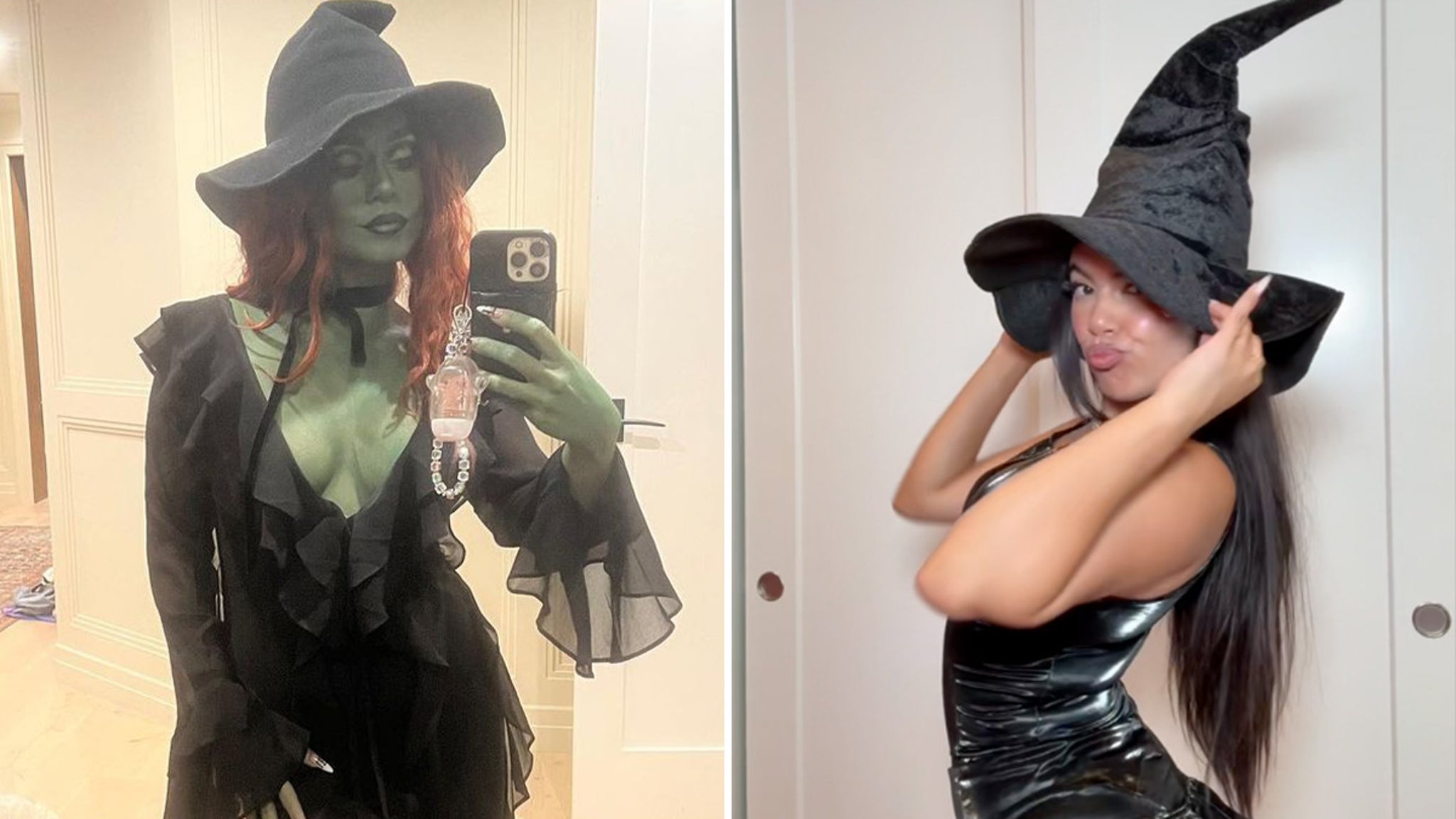
Julianne Hough has further expanded the scope of high-fashion seasonal costuming through the integration of theatrical elements, such as intricate lace capes and dramatic draping. These sartorial choices transcend simple festive dress-up, functioning instead as temporary extensions of each celebrity’s public persona. Fashion analysts note that these carefully orchestrated visual presentations allow public figures to engage directly with cyclical cultural moments, thereby maintaining continuous audience engagement during industry transitions between major film and television production cycles.
Economic and Industry Implications
The commercial impact of celebrity costume adoption extends far beyond individual social media metrics. Retailers, cosmetic brands, and costume manufacturers strategically align product releases with the promotional schedules of prominent cultural figures. When public figures adopt specific motifs—such as the elevated witch aesthetic—consumer demand for related apparel, specialized makeup kits, and photographic props experiences a measurable surge.
Furthermore, digital publishers and entertainment media outlets observe peak traffic during the month of October, driven by audiences seeking curated galleries and style breakdowns. This seasonal spike generates significant advertising revenue and enhances digital visibility for both the featured celebrities and the platforms hosting the content. The symbiotic relationship between public figures showcasing their wardrobes and media outlets cataloging these events underscores the commercial efficiency of holiday-driven pop culture reporting.
Broader Societal Context of the Modern Witch Archetype
Beyond the economics of fashion and media engagement, the enduring popularity of the witch archetype within contemporary entertainment warrants sociological examination. Historically marginalized and frequently misunderstood in early modern folklore, the figure of the witch has undergone a profound cultural reclamation in recent decades. Modern media representations frequently frame the archetype not as a figure of fear, but as a symbol of autonomy, independence, and unconstrained feminine power.
In the context of contemporary celebrity culture, adopting the persona of a witch allows performers to experiment with theatricality and empowerment in a controlled, highly visual medium. The modern interpretations showcased by public figures emphasize elegance, agency, and sophisticated artistry, distancing the archetype from archaic caricature and aligning it instead with modern notions of empowerment and self-expression.
As the autumn season progresses toward its late-October apex, public interest in seasonal costuming is projected to intensify. The early debuts by Hudgens, Morin, Hough, and their contemporaries establish a high standard for subsequent holiday events, ensuring that the intersection of high fashion, celebrity culture, and traditional folklore remains a central component of the entertainment industry’s fourth-quarter landscape.