


In the mid-1980s, the landscape of downtown Manhattan was undergoing a violent and irreversible metamorphosis. Amidst the rubble of abandoned lots, burgeoning gentrification, and a fading bohemian counterculture, restaurateur and cinephile Phil Hartman set out to capture a vanishing ecosystem. Using capital earned from cofounding the Cajun-inspired NoHo establishment Great Jones Cafe, Hartman directed No Picnic, a noir-inflected, shaggy-dog punk comedy shot on lustrous black-and-white 16mm film. Photographed by experimental filmmaker Peter Hutton, the episodic feature served as an ethnographic ramble through the Lower East Side and the newly rebranded East Village. Completed in 1987 with funding from Wim Wenders’s New York-based production company, Gray City Films, and subsequent investments from Hartman’s Two Boots Pizza venture, the movie captured a specific moment of urban transition. Nearly four decades later, following a meticulous restoration and a targeted theatrical rollout, this long-dormant time capsule has reemerged as a monumental box office phenomenon, challenging contemporary assumptions about repertory cinema and urban displacement.
Chronology of a Lost Masterpiece
The trajectory of No Picnic spans nearly forty years of independent cinema history, marked by near-misses, critical acclaim, and decades of obscurity before its unexpected 2025 revival.
The timeline of the film’s production, distribution, and rediscovery highlights the intersection of independent filmmaking and urban archiving:
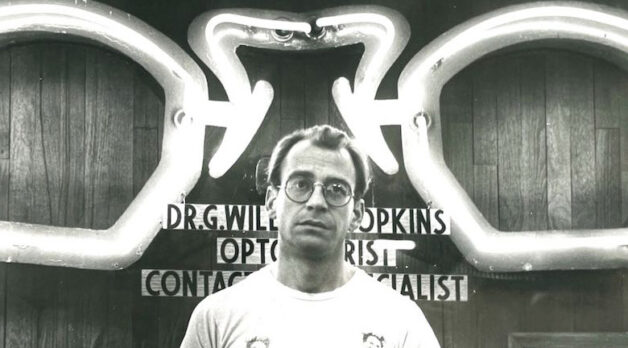
- 1985–1986: Phil Hartman finances and directs No Picnic, capturing rapid neighborhood changes, including the gardens of Adam Purple and Bleecker Bob Records.
- 1987: The film is completed with backing from Gray City Films and Two Boots Pizza, subsequently premiering at the Sundance Film Festival, where it wins the Cinematography Award. Plans by Gray City to purchase and operate out of the floundering St. Mark’s Cinema collapse when the production company goes out of business.
- Summer 1990: Following a rave review by critic Manohla Dargis in The Village Voice, the film secures a record-setting six-week run at Anthology Film Archives.
- 1990–2025: The film largely vanishes from public view, available primarily via VHS and DVD formats at the Two Boots Video Store, while Hartman focuses on his expanding culinary and repertory ventures, including the Pioneer Theater.
- 2025: Archivist Mary Engel introduces Hartman to Jake Perlin of The Film Desk, sparking a formal restoration of the 16mm elements.
- January 2026: The restored print premieres at the Museum of Modern Art (MoMA) as part of the "To Save and Project" series.
- April 2026: Following enthusiastic championing by programmers at Film Forum, No Picnic opens for a commercial theatrical run, defying expectations to become a major financial and cultural success.
Main Facts and Narrative Framework
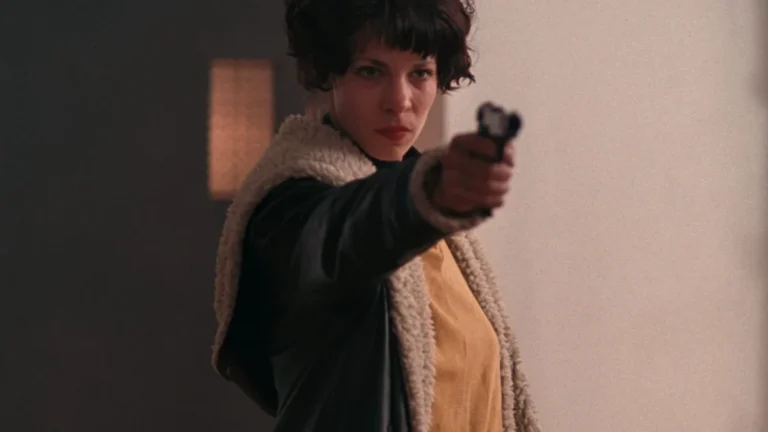
At its core, No Picnic follows Mac, a thirty-something former musician portrayed with wistful self-awareness by David Brisbin. Struggling to pay rent, Mac scrapes together a living by servicing jukeboxes and cigarette machines across downtown Manhattan. The narrative weaves through his romantic fixation on a young woman encountered on the street and the persistent advances of his Canadian upstairs neighbor seeking a green-card marriage.
Yet, the true protagonist of the film is the physical and social geography of the pre-gentrification East Village. The production functioned as a race against time, capturing locations and cultural figures facing imminent displacement. The cast includes notable cameos and performances by emerging talents who would later shape American culture, including actors Luis Guzmán and Steve Buscemi, filmmaker Lewis Klahr, and musician Richard Hell appearing as an irate neighbor.
The aesthetic success of the film relies heavily on Peter Hutton’s cinematography, which elevates the mundane textures of walk-up apartments, kitchen bathtubs, and fire escapes into a poetic document of urban survival.
Supporting Data and Box Office Performance
The commercial performance of No Picnic during its 2026 theatrical run at Film Forum defied standard industry metrics for archival revivals. Initially booked conservatively with two screenings per day during a crowded weekend that also featured the Bronx-set indie film Mad Bills to Pay, the movie immediately over-indexed on audience turnout.
During its opening week, the film sold out nearly all screenings, grossing over $28,000 to become the theater’s top-performing title. The momentum carried into subsequent weeks:
- Week 1: Grossed over $28,000 (Top film at the theater)
- Week 2: Added $16,000, maintaining the top ranking
- Total Run (12 Weeks): Accumulated $123,000 in total box office revenue
This performance placed No Picnic among the most lucrative repertory runs of the decade at Film Forum, outperforming historical classics such as Federico Fellini’s 8½ ($120,000), Akira Kurosawa’s The Seven Samurai ($103,000), and nearly matching Satyajit Ray’s Days and Nights in the Forest ($127,000).
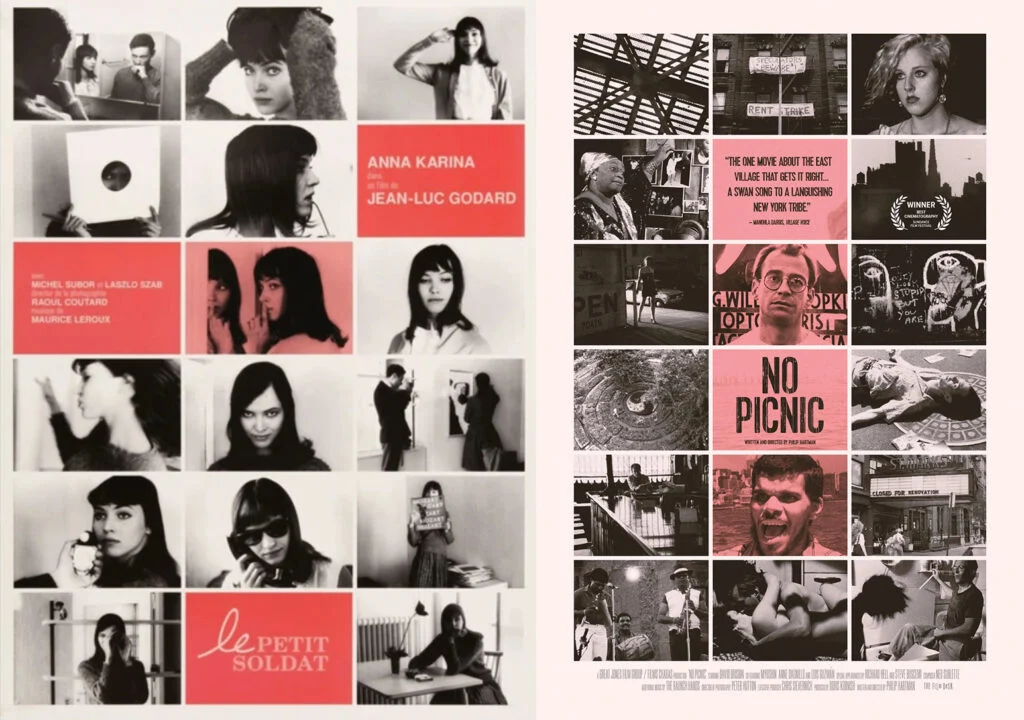
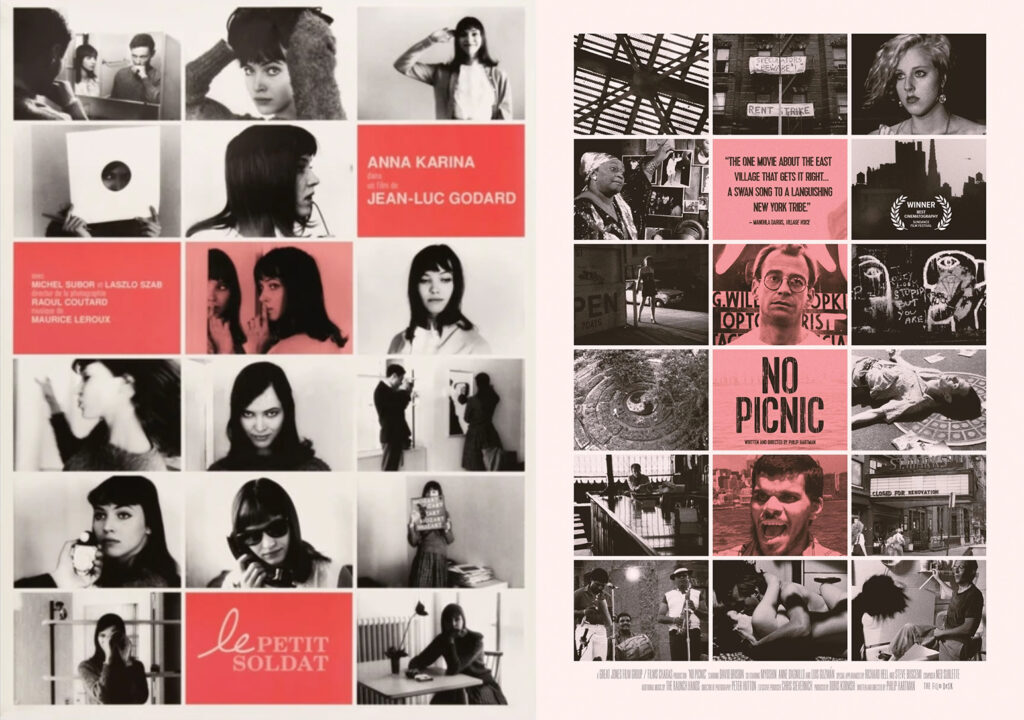
The distribution strategy orchestrated by The Film Desk played a critical role in these figures. By deploying a dynamic trailer—modeled after the promotional style of Jean-Luc Godard’s The Little Soldier (1963)—alongside Hartman’s promotional efforts, which included post-screening Q&As and complimentary Two Boots pizza slices for ticketholders, the team bridged the gap between historical artifact and contemporary event cinema.
Official Responses and Industry Reactions
The unexpected resurgence of No Picnic drew commentary from prominent critics, filmmakers, and preservationists who noted the film’s uncanny contemporary relevance.
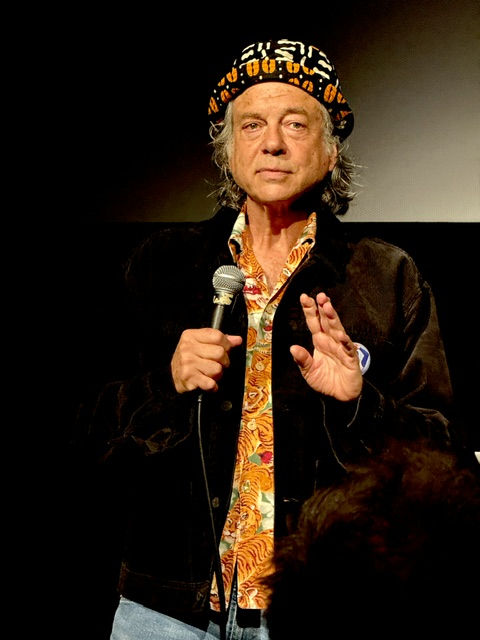
Joshua Siegel, curator at the Museum of Modern Art, designated the restoration a "priceless artifact of New York’s pre-gentrification East Village."
Manohla Dargis, reflecting on her initial 1990 review for The Village Voice, emphasized the enduring nature of the film’s core themes. "The film speaks to the familiar, relatable (evergreen!) issue of affordability," Dargis observed, noting that the economic pressures depicted in the 1980s mirror the housing crises faced by modern urban creatives.
Producer Christine Vachon, who worked as an uncredited assistant sound editor on the original production in exchange for meals at Great Jones Cafe, highlighted the paradoxical nature of the film’s cultural footprint. "I think it has this mix of being relevant to today because it’s about being able to afford a place, but it also is a world that’s sort of past," Vachon stated. "It just manages to be sort of a perfect time capsule that in a funny way has folded back onto this time."
For younger generations of artists and residents, the film has functioned as an educational touchstone. Filmmaker Meg Aubry, a resident of Ridgewood—often cited as a modern analogue to the 1980s Lower East Side—noted that the movie provides essential cultural context for newcomers navigating the city’s shifting neighborhoods. "We don’t really know the grounds we’re stomping on or the history of it," Aubry remarked. "So it felt like it was an education in New York culture."
Broader Impact and Implications
The commercial and critical triumph of No Picnic carries broader implications for the distribution and curation of neglected cinematic works. By demonstrating that archival restorations can achieve mainstream commercial viability when paired with strategic marketing and community-driven engagement, the release challenges the notion that historical independent films hold only niche academic value.
Furthermore, the film’s resonance with younger audiences underscores a growing cultural appetite for unvarnished urban realism. As metropolitan centers across the globe experience accelerated cycles of real estate development, displacement, and commercial homogenization, No Picnic provides a mirror for contemporary anxieties regarding economic survival and community identity.
Reflecting on the film’s aging process, Phil Hartman offered a metaphor drawn from the language of viticulture: "You talk about terroir for a wine. I feel like there’s a terroir to No Picnic. Like you can feel the earthiness of the East Village and the rubble, the empty lots, the abandoned buildings. I think there’s something really appealing about that." With its successful theatrical run, that vintage has proven that historical documentation, when executed with artistic rigor, can transcend its original era to speak directly to the present.