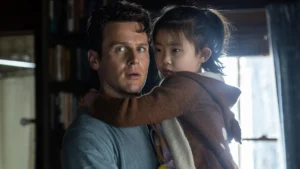

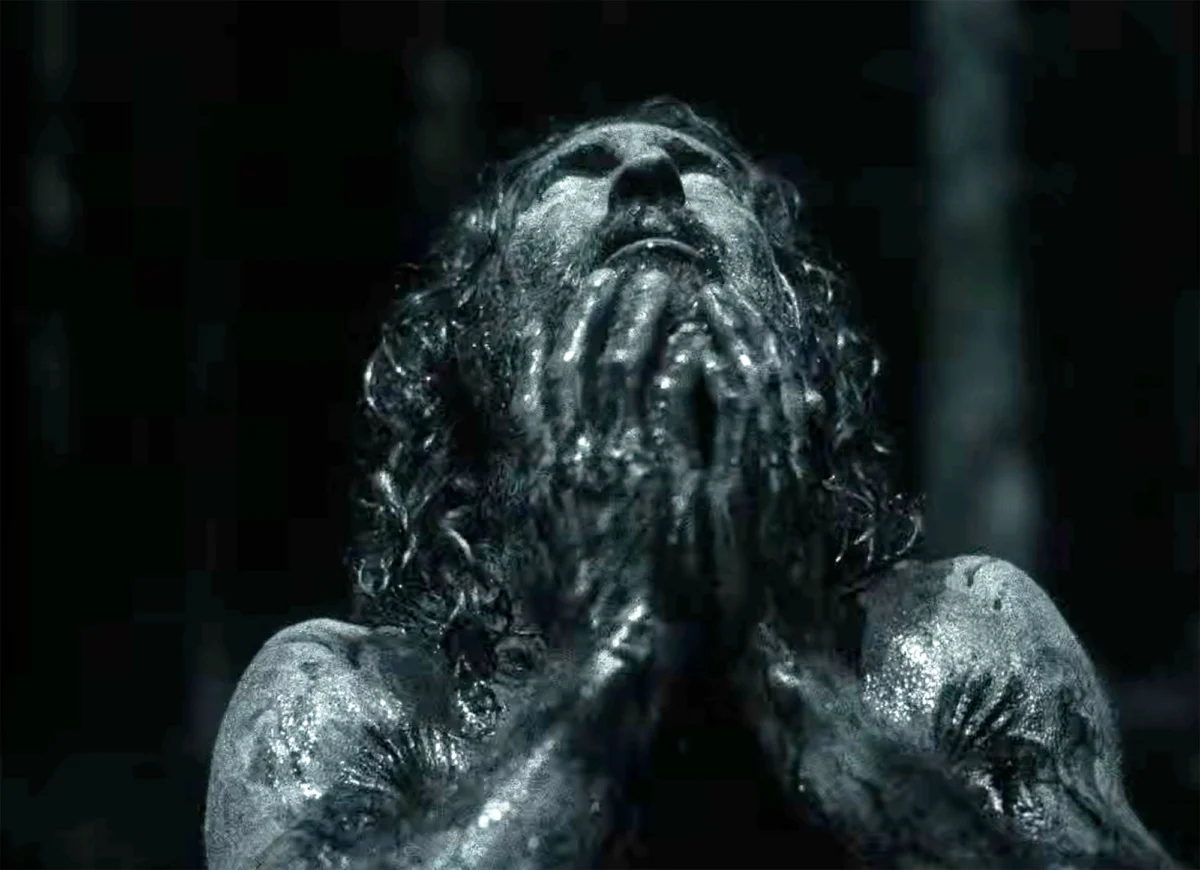
Focus Features has officially released the second full-length trailer, promotional artwork, and key visual materials for Werwulf, the highly anticipated historical horror feature directed by acclaimed filmmaker Robert Eggers. Alternatively stylized in marketing materials as VVervvulf, the project represents Eggers’ continued exploration of classic cinematic monsters through a hyper-historical, deeply researched lens. Following his recent cinematic reinterpretation of Bram Stoker’s classic vampire narrative in Nosferatu, Eggers has turned his meticulous attention to the lycanthrope mythos. Set against the bleak, damp backdrop of thirteenth-century England, the film is scheduled to arrive in theaters worldwide on December 25, 2026.
The newly debuted promotional materials—including a series of striking posters and a haunting trailer distributed via YouTube—offer audiences a deeper look into what studio executives and early promotional copy describe as Eggers’ most visceral and psychologically taxing cinematic endeavor to date. Driven by a bone-chilling logline that commands viewers to "feed upon the flesh of mankind," the marketing campaign has also introduced an interactive, eerie companion website designed to immerse prospective audiences deeper into the bleak folklore of the film’s medieval setting.
Main Facts of the Production

Werwulf shifts the traditional werewolf narrative away from contemporary suburban settings or twentieth-century gothic tropes, embedding the curse firmly within the harsh realities of the medieval European peasantry. The storyline centers on a mysterious, predatory entity that begins stalking a foggy, isolated English countryside, twisting local superstitions and folklore into a horrifying, flesh-and-blood reality for the local villagers. At the heart of the community’s terror is a cursed farmer, portrayed by Aaron Taylor-Johnson, who struggles against the encroaching darkness of his own transformation.
The ensemble cast features an array of celebrated talent, including Lily-Rose Depp, Willem Dafoe—who continues his ongoing creative partnership with Eggers following appearances in The Lighthouse and Nosferatu—alongside Ralph Ineson, Jack Morris, Bodhi Rae Breathnach, Jan Bijvoet, and Ritchi Edwards. Behind the camera, Eggers has reunited with his core creative team. Cinematography is handled by Jarin Blaschke, whose signature atmospheric lighting and distinct framing have defined Eggers’ filmography from The Witch through The Northman and Nosferatu. The musical score is composed by Robin Carolan, matching the austere, dread-inducing tone of the visual narrative.
Chronology and Development History
The genesis of Werwulf follows a distinct trajectory within Robert Eggers’ career as one of contemporary cinema’s premier auteurs of elevated horror. After breaking onto the international scene with his debut feature, The Witch (2015)—a masterclass in seventeenth-century New England paranoia—Eggers cemented his reputation for historical authenticity with The Lighthouse (2019) and the Viking epic The Northman (2022).

Development on the werewolf project gained significant momentum following the production and completion of Nosferatu. While Eggers initially built a reputation for crafting original screenplays grounded in exhaustive historical and folkloric research, Werwulf pairs him once more with co-writer Sjón, with whom he collaborated on previous scripts. Production for Werwulf took place across multiple historically resonant locations in the United Kingdom, utilizing studio facilities at Elstree, alongside location shoots in Wales and the dense, atmospheric expanses of the Forest of Dean in Gloucestershire.
Following principal photography and post-production, Focus Features began rolling out promotional material in mid-2026, culminating in the release of the first teaser trailer earlier in the year. The rollout strategy reached a major milestone with the September 26, 2026, drop of the second full trailer, strategically timed to coincide with a lunar cycle to amplify the marketing momentum surrounding the classic creature feature.
Supporting Data and Linguistic Authenticity
One of the most notable technical achievements highlighted in the pre-release coverage of Werwulf is Eggers’ commitment to linguistic realism. Continuing his dedication to period-appropriate dialogue—which was famously utilized in The Witch using early modern English—Werwulf pushes this stylistic choice further by featuring dialogue conducted entirely in old Middle English. This artistic decision requires both lead actors and supporting cast members to undergo intensive dialect coaching to deliver performances that mirror the cadence, pronunciation, and vocabulary of thirteenth-century rural England.

Industry insiders and early script reviewers have noted that Werwulf features what is widely considered the darkest and most uncompromising script Eggers has penned to date. The narrative structure moves away from standard Hollywood creature-feature tropes, focusing instead on theological dread, communal hysteria, medieval jurisprudence, and the psychological torment of damnation. The production budget, while not officially finalized in public financial disclosures, aligns with Focus Features’ continued investment in prestige, director-driven genre filmmaking that bridges the gap between independent arthouse aesthetics and wide commercial distribution.
Industry and Creative Statements
While official full-length press junkets have yet to commence ahead of the December premiere, promotional statements released by Focus Features provide clear insight into the thematic core of the project. The studio has positioned Werwulf as a harrowing examination of "devotion, damnation, and the devil within," urging audiences to embrace the darkness rather than dread it.
Robert Eggers has previously spoken in various interviews regarding his fascination with stripping away modern cinematic interpretations of classic monsters to uncover the genuine, terrifying folklore that birthed them centuries ago. By anchoring the lycanthrope myth in the historical realities of medieval agrarian life—where disease, crop failure, and religious fervor governed daily existence—Eggers attempts to treat the supernatural not as a fantasy element, but as an existential terror experienced by people who genuinely believed in physical manifestations of evil.

Broader Impact and Market Implications
The release of Werwulf on December 25, 2026, places the film in a unique theatrical window. Traditionally reserved for high-budget family blockbusters, prestige historical dramas, and Oscar-contending biopics, Christmas Day releases rarely accommodate uncompromising, R-rated historical horror films. However, Focus Features’ decision to drop the film on this specific date reflects a growing market confidence in alternative holiday counter-programming, a strategy successfully demonstrated by similar adult-leaning genre releases in recent years.
Furthermore, Werwulf arrives at a time of significant cultural appetite for elevated, auteur-driven horror. As studios continue to seek theatrical draws that can compete with streaming saturation, the combined star power of Aaron Taylor-Johnson and Willem Dafoe, paired with the established brand equity of Robert Eggers, positions the film as a major end-of-year cultural event. Film critics and box office analysts will be closely monitoring how mainstream audiences respond to a major-studio creature feature performed entirely in Middle English. If successful, Werwulf could further validate the commercial viability of uncompromising historical realism within the modern horror genre, cementing Eggers’ legacy as a defining voice in contemporary cinema.