



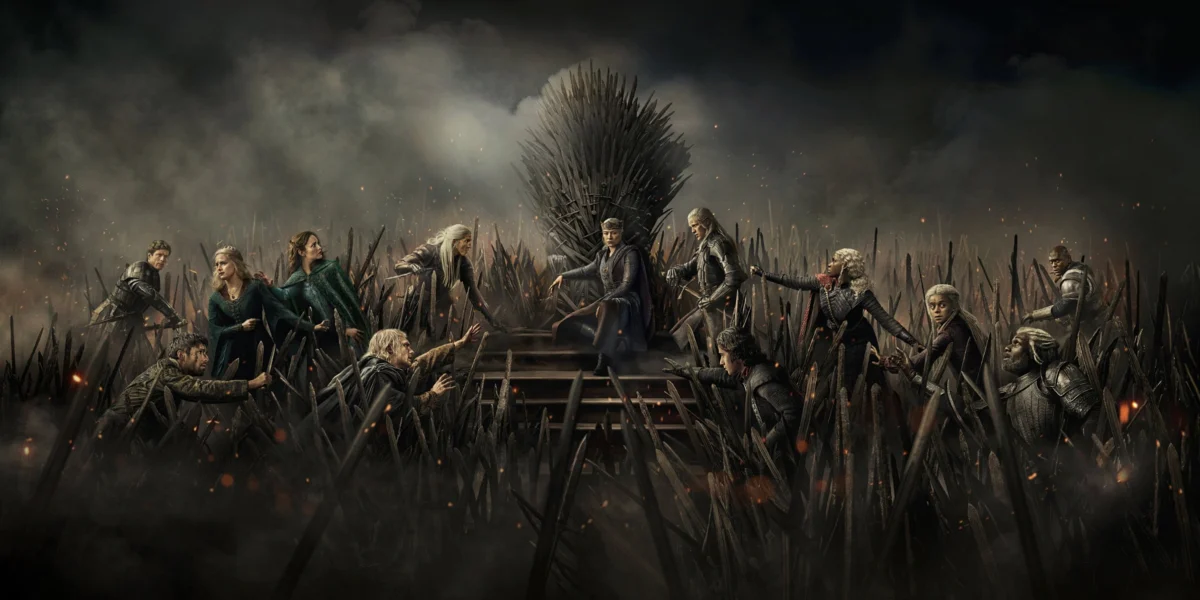
The reign of House Targaryen begins with this prequel to popular HBO series Game of Thrones; based on George R.R. Martin’s Fire & Blood, House of the Dragon is set nearly 200 years before the events of Game of Thrones, telling the story of the Targaryen civil war with King Viserys I Targaryen’s children battling for control of the Iron Throne.
The highly anticipated third season of "House of the Dragon" has finally arrived on HBO, marking a significant return to the dragon-filled world of Westeros nearly two years after the conclusion of its second season. The intervening period has seen considerable shifts in the media landscape and global events, but within the fictional realm of the Seven Kingdoms, the flames of civil war, known as the "Dance of the Dragons," are burning brighter than ever. This season, which covers the first four episodes of what promises to be an explosive narrative arc, appears to directly address criticisms from its earlier installments, delivering a more cohesive and thrilling experience that many critics are hailing as the series’ strongest to date.
The Genesis of the Dance of the Dragons
"House of the Dragon" is an ambitious prequel that delves into the tumultuous history of House Targaryen, a dynasty renowned for its dragonlords and its iron grip on the Iron Throne. Set approximately 150 years before the events of "Game of Thrones," the series chronicles the escalating tensions and eventual full-blown civil war that erupted among the Targaryen heirs over succession. The narrative is primarily drawn from George R.R. Martin’s "Fire & Blood," a historical account of the Targaryen dynasty, specifically focusing on the conflict known as the "Dance of the Dragons." This internal war pitted factions of the royal family against each other, resulting in immense bloodshed and the near extinction of the dragons.
The core of the conflict revolves around the succession of King Viserys I Targaryen. Despite his patriarchal society, Viserys named his daughter, Princess Rhaenyra Targaryen, as his heir. However, upon his death, his son, Aegon II Targaryen, was crowned by a faction supporting male primogeniture, igniting the devastating war. The series meticulously charts the political machinations, personal betrayals, and dragon-fueled battles that defined this brutal era.
Season 3: Addressing the Criticisms and Igniting the Flames
Following a two-year hiatus, Season 3 of "House of the Dragon" has been met with considerable anticipation, and early critical reception suggests the series has evolved significantly. The initial seasons, while visually stunning and rich in character, faced critiques regarding pacing, occasional narrative lulls, and a sometimes muted visual palette. This new season appears to have taken these observations to heart, offering a more propulsive and action-packed experience from its opening moments.
The first four episodes of Season 3 are particularly noteworthy for their immediate immersion into the ongoing conflict. Eschewing lengthy exposition, the season picks up the narrative thread with a palpable sense of urgency, thrusting viewers directly into the escalating war between the "Blacks," loyal to Rhaenyra, and the "Greens," who support Aegon II. This direct approach, coupled with a renewed focus on impactful action sequences and intricate political maneuvering, has been a key factor in the season’s positive reception.
A Shift in Power Dynamics and Strategic Warfare
The narrative landscape has dramatically shifted by the commencement of Season 3. King Aegon II, previously a central figure, is now on the run, leaving his formidable mother, Queen Dowager Alicent Hightower, and his ambitious brother, Prince Aemond, to lead the Green faction. This power vacuum has created new opportunities for both conflict and unexpected alliances.
A significant development highlighted in the early episodes is the burgeoning role of Aemond as the de facto leader of the Greens. His intensity and strategic acumen are now on full display, positioning him as a formidable antagonist. Concurrently, the narrative introduces a complex twist with Alicent Hightower, who, despite her allegiance to the Greens, is revealed to be secretly aiding Rhaenyra. This clandestine pact, established in the previous season, carries profound implications, potentially jeopardizing her own family’s claim to the throne. The revelation that Alicent has offered her son, King Aegon II, as a potential sacrifice to Rhaenyra in exchange for a bloodless surrender of King’s Landing underscores the deeply personal and morally ambiguous nature of this conflict.
The Battle of the Gullet: A Spectacle of Aerial and Naval Warfare
The season opener is immediately punctuated by the "Battle of the Gullet," a massive naval and aerial engagement that has been hailed as one of the most ambitious and visually spectacular sequences in the "Game of Thrones" universe to date. This battle, meticulously rendered, showcases the full might of the Targaryen dragons and the strategic prowess of their allies.
The Gullet, a vital maritime strait, becomes the focal point of the conflict as Lord Corlys Velaryon, the "Sea Snake," and his formidable fleet enforce a blockade. This naval strategy cripples King’s Landing, exacerbating existing food shortages and fueling public discontent against the Green regime. In response, the Greens forge an alliance with the Triarchy, led by the formidable Admiral Lohar, to break the Velaryon blockade. The ensuing confrontation is a visceral display of dragonfire meeting naval might, with the sea and sky erupting in chaos.
The direction of this sequence by Loni Peristere, coupled with the groundbreaking visual effects supervised by Dadi Einarsson and the cinematography of PJ Dillon, has drawn significant praise. The improved lighting and clarity, a stark contrast to the often underexposed visuals of earlier seasons, allow the intricate details of the production design, helmed by Jim Clay, to shine through. This meticulous world-building continues to expand the rich tapestry established by its predecessor, creating an immersive experience for viewers. Ramin Djawadi’s iconic score, with its new thematic variations, further amplifies the emotional weight and grandeur of these pivotal moments.
Performance and Character Development
The performances in "House of the Dragon" have consistently been a strong suit, and Season 3 continues this trend. Emma D’Arcy, as Princess Rhaenyra Targaryen, delivers a particularly powerful and emotionally resonant portrayal. The early episodes showcase new dimensions to Rhaenyra’s character, revealing a depth of resilience and determination forged in the crucible of war. D’Arcy’s nuanced performance captures the immense burden of leadership and the personal toll of the conflict, earning critical acclaim and further solidifying their standing as a lead contender for major awards.

The introduction of Ormund Hightower, portrayed by James Norton, adds another compelling layer to the Green faction. As Alicent’s cousin and a key military leader, Ormund is presented as a wealthy, arrogant, and subtly manipulative figure. While Norton’s initial casting might appear somewhat anachronistic, his performance gradually embodies the character’s inherent stuffiness and underlying unhinged nature. Ormund’s role as a patron to Daeron Targaryen, Alicent’s youngest son, hints at future strategic complexities and potential betrayals within the Green camp. Norton’s evolving portrayal effectively conveys Ormund’s charismatic facade and the inherent untrustworthiness that lies beneath.
Strategic Scheming and Shifting Alliances
Beyond the overt displays of warfare, Season 3 also reintroduces the intricate web of political intrigue that was a hallmark of "Game of Thrones." The aftermath of the Battle of the Gullet sees a surge in strategic maneuvering, with characters making significant power plays for the Iron Throne. The show effectively navigates the complex emotional states of its characters, moving through stages of grief and evolving towards a fierce desire for retaliation.
Director Clare Kilner’s work on episodes two, three, and four is particularly noteworthy for its emphasis on the nuanced relationships and escalating tensions. The series adeptly balances the grand spectacle of war with intimate character moments, fostering a sense of urgency and unpredictability. The conclusion of the second episode, in particular, is noted as a pivotal moment, clearly intended to serve as the season’s explosive climax, setting the stage for the subsequent narrative developments and the ultimate motivations of the key players. The season’s embrace of high-stakes political maneuvering and devastating consequences has been described as a return to the "glory days" of its predecessor, drawing comparisons to the intricate power dynamics of HBO’s "Succession."
A Deeper Examination of Governance and Society
Episodes three and four delve into the broader societal implications of the war, moving beyond the immediate battlefield. Episode three, in particular, offers a more conceptual exploration of governance, examining the struggles of a kingdom grappling with food shortages and the inherent challenges of ruling a diverse populace. The episode highlights the stark contrast between the opulent lives of the elite and the desperate plight of the commoners, raising pertinent questions about wealth distribution, social equity, and the efficacy of laws in creating a fairer society.
This divergence from the typical action-heavy narrative, while potentially divisive for some viewers, offers a thoughtful examination of the complexities of leadership. It underscores the idealistic notion that a compassionate ruler should provide for their people, while acknowledging the inherent flaws of greed and shortsightedness that can plague even the most well-intentioned governments. The episode prompts reflection on how societal imbalances can be addressed without igniting further widespread dissent.
A Stellar Return to Form
Overall, the first four episodes of "House of the Dragon" Season 3 represent a significant leap forward for the series. The integration of grand-scale battles, intelligent plotting, and compelling character development creates a captivating viewing experience. The series effectively captures the essence of George R.R. Martin’s storytelling, delivering a compelling narrative that keeps audiences engaged and eager for what comes next.
The improved production values across the board, from the stunning visual effects and cinematography to Ramin Djawadi’s evocative score, elevate the third season to new heights. While purists may debate the finer points of adaptation, the season delivers precisely what a broad audience craves: a thrilling, consequential war with palpable stakes. The series has firmly established itself as a leading contender in the fantasy genre, proving itself worthy of continuing the legacy of its immensely popular predecessor. The promise of further dramatic shifts, intense betrayals, and devastating confrontations suggests that Season 3 is poised to be the series’ most impactful and satisfying chapter yet.
The Cast and Crew Behind the Reign
The success of "House of the Dragon" is a testament to its dedicated cast and creative team. The ensemble cast, featuring returning favorites and compelling new additions, brings the complex characters of Westeros to life with remarkable depth. Key players include Matt Smith as Daemon Targaryen, Emma D’Arcy as Rhaenyra Targaryen, Rhys Ifans as Otto Hightower, Steve Toussaint as Corlys Velaryon, Sonoya Mizuno as Mysaria, Fabien Frankel as Ser Criston Cole, Matthew Needham as Larys Strong, Jefferson Hall as Lord Jason Lannister and Ser Tyland Lannister, Olivia Cooke as Alicent Hightower, Harry Collett as Jacaerys Velaryon, Tom Glynn-Carney as Aegon II Targaryen, Ewan Mitchell as Aemond Targaryen, Bethany Antonia as Baela Targaryen, Phoebe Campbell as Rhaena Targaryen, Phia Saban as Helaena Targaryen, Kurt Egyiawan as Grand Maester Orwyle, Kieran Bew as Hugh Hammer, Abubakar Salim as Alyn of Hull, Clinton Liberty as Addam of Hull, Tom Bennett as Ulf the White, Ellora Torchia as Lyess, Freddie Fox as Gwayne Hightower, Gayle Rankin as Alys Rivers, and Simon Russell Beale as Ser Simon Strong. Newcomers like James Norton as Ormund Hightower also make significant contributions to the unfolding drama.
The series is the brainchild of creators George R.R. Martin and Ryan Condal, who have masterfully translated Martin’s intricate lore to the screen. The production is helmed by a team of talented directors and writers who have consistently delivered high-quality storytelling, visual artistry, and compelling performances.
Final Assessment
The Good: The season delivers grand-scale battles, thrilling pacing, and intelligent writing that keeps viewers on the edge of their seats. It has successfully evolved into the stellar fantasy epic that many hoped it would become, proving itself a worthy successor to its predecessor.
The Bad: The decision to begin season three with episodes that feel like a conclusion to season two may disrupt continuity for some viewers. Additionally, while the cinematography shows marked improvement, it is not consistently flawless. Episodes three and four, while conceptually rich, are perceived as slightly weaker in pacing compared to the explosive opening two episodes.
Emmy Prospects: With its strong performances, intricate storytelling, and high production values, "House of the Dragon" Season 3 is a strong contender for nominations in major categories, including Outstanding Drama Series and Outstanding Lead Actress in a Drama Series.
Final Score: 9/10