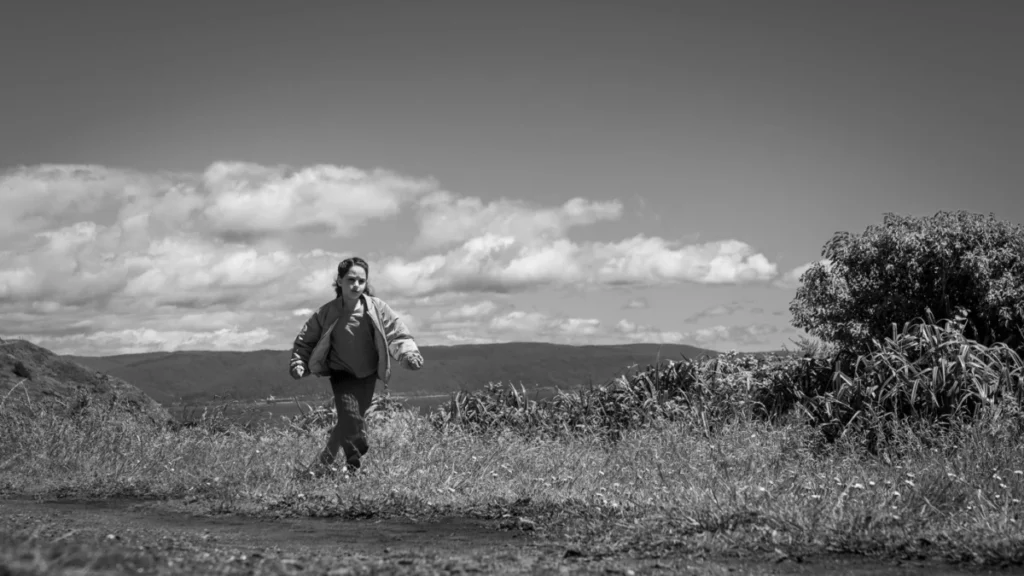



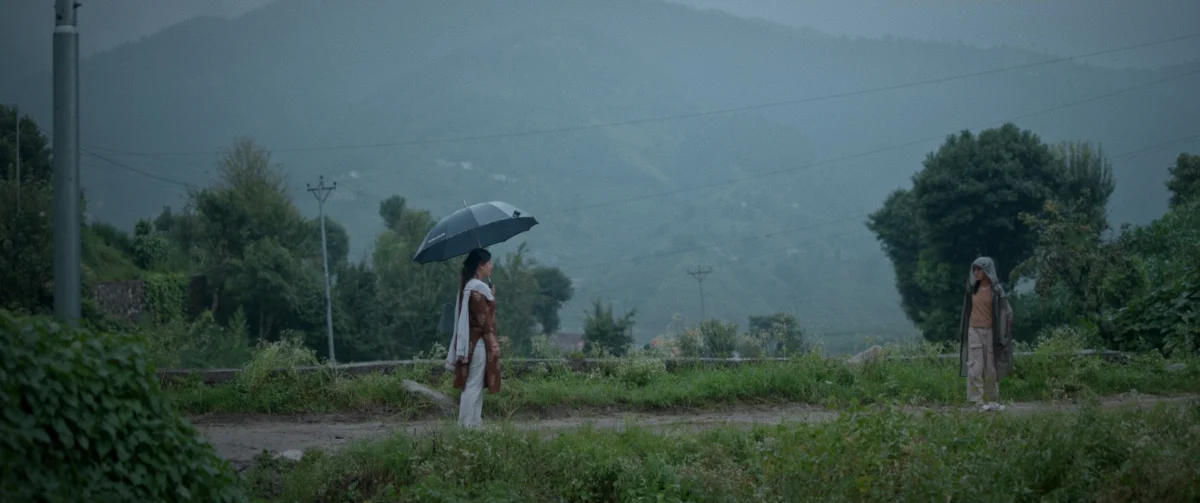
The Indian Film Festival of Los Angeles (IFFLA) 2026 concluded its latest edition, leaving audiences with a profound appreciation for the burgeoning diversity, urgent social commentary, and remarkable formal experimentation currently defining South Asian cinema. This year’s program presented a rich tapestry of narratives, ranging from compelling Pakistani feature film debuts and socially conscious short films to introspective Nepali coming-of-age stories and visually arresting explorations of vanishing cultural traditions. The festival served as a powerful testament to a cinematic ecosystem where local specificity and universal human concerns converge in consistently compelling and thought-provoking ways.
Among the standout selections that captured the attention of critics and attendees alike, several films distinguished themselves through their unique aesthetic approaches and narrative frameworks. These works grappled with fundamental questions of identity, the enduring impact of patriarchy, the complex interplay of tradition and modernity, the weight of memory, and the intricate dynamics of societal structures. Each film, in its distinct voice, offered a compelling lens through which to examine these perennial themes.
Seemab Gul’s "Ghost School" Explores Education and Superstition in Rural Pakistan
Seemab Gul’s directorial feature debut, "Ghost School" (2025), emerged as a significant highlight, offering a nuanced portrayal of a rural Pakistani village grappling with the closure of its only educational institution. The film, penned and produced by Gul, draws upon her background in documentary filmmaking and her firsthand observations of abandoned schools in Pakistan’s hinterlands. After its world premiere at the Toronto International Film Festival in 2025, "Ghost School" continued its festival circuit, gracing the screens at IFFLA.
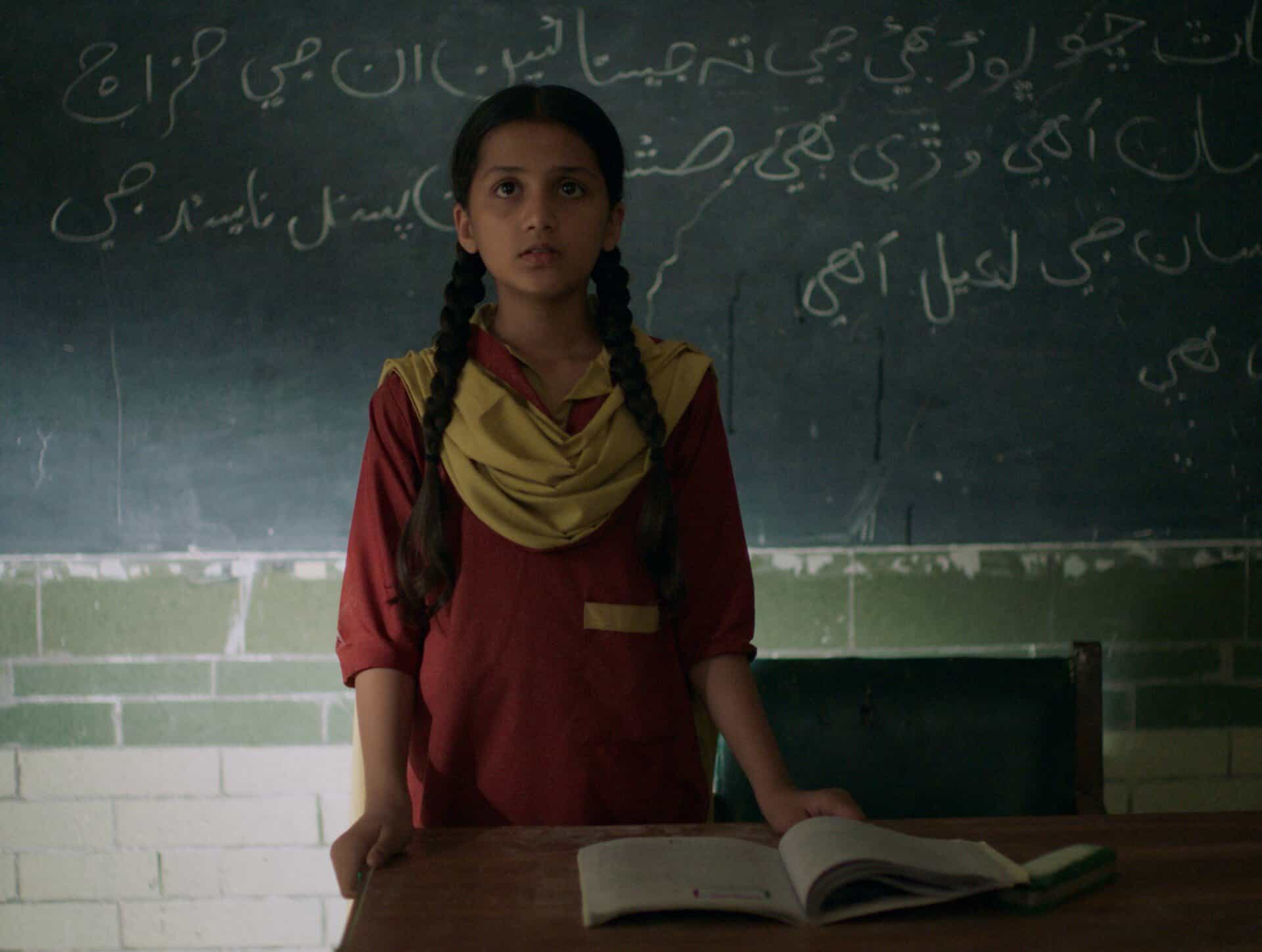
The narrative centers on ten-year-old Rabia, whose life is upended when the local school inexplicably shuts down. As whispers of hauntings and a malevolent jinn possessing the teacher begin to circulate, the community’s anxieties intensify. Gul masterfully crafts an episodic structure, reminiscent of a road movie, employing Rabia’s journey as a conduit to expose the systemic issues plaguing education in rural areas, with a particular focus on the challenges faced by girls within a deeply patriarchal society.
Beyond the immediate educational crisis, the film critiques broader societal failings, including bureaucratic apathy, ingrained superstition, and the general breakdown of essential services. The cinematography by Zamarin Wahdat and the evocative musical score by Anna Bauer coalesce powerfully in a ritualistic sequence depicting a torchlit procession of boys. Nazualiya Arsalan delivers a standout performance as Rabia, anchoring the film with her youthful vulnerability and burgeoning awareness. Despite minor narrative quibbles, "Ghost School" stands as a competent and engaging piece of cinema, effectively communicating its critical themes in a manner that is both intellectually stimulating and emotionally resonant. The film implicitly raises questions about the global Sustainable Development Goal 4, which aims to ensure inclusive and equitable quality education and promote lifelong learning opportunities for all. The stark reality depicted in "Ghost School" underscores the persistent challenges in achieving this goal in many developing regions.
"Tenfa": A Poetic Elegy to a Disappearing Culture
Nihaarika Negi’s short film "Tenfa" (approx. 30 minutes) offers a hauntingly beautiful and melancholic meditation on a rapidly vanishing culture. The film follows Delma, a wet nurse nearing the end of a life dedicated to nurturing others’ children, as she navigates the quietude of an isolated valley in the Kinnaur district of Himachal Pradesh, near the Indo-Tibetan border. Negi’s deliberate, slow-paced storytelling immerses the viewer in the valley’s dwindling population and fading memories.
The narrative is further shaped by the devastating impact of large-scale hydroelectric projects, whose resultant landslides have effectively cut off the valley from the outside world. This isolation fosters a profound intergenerational bond among three women, who find solace and strength in their shared commitment to reconnecting with the natural environment and preserving ancestral customs.
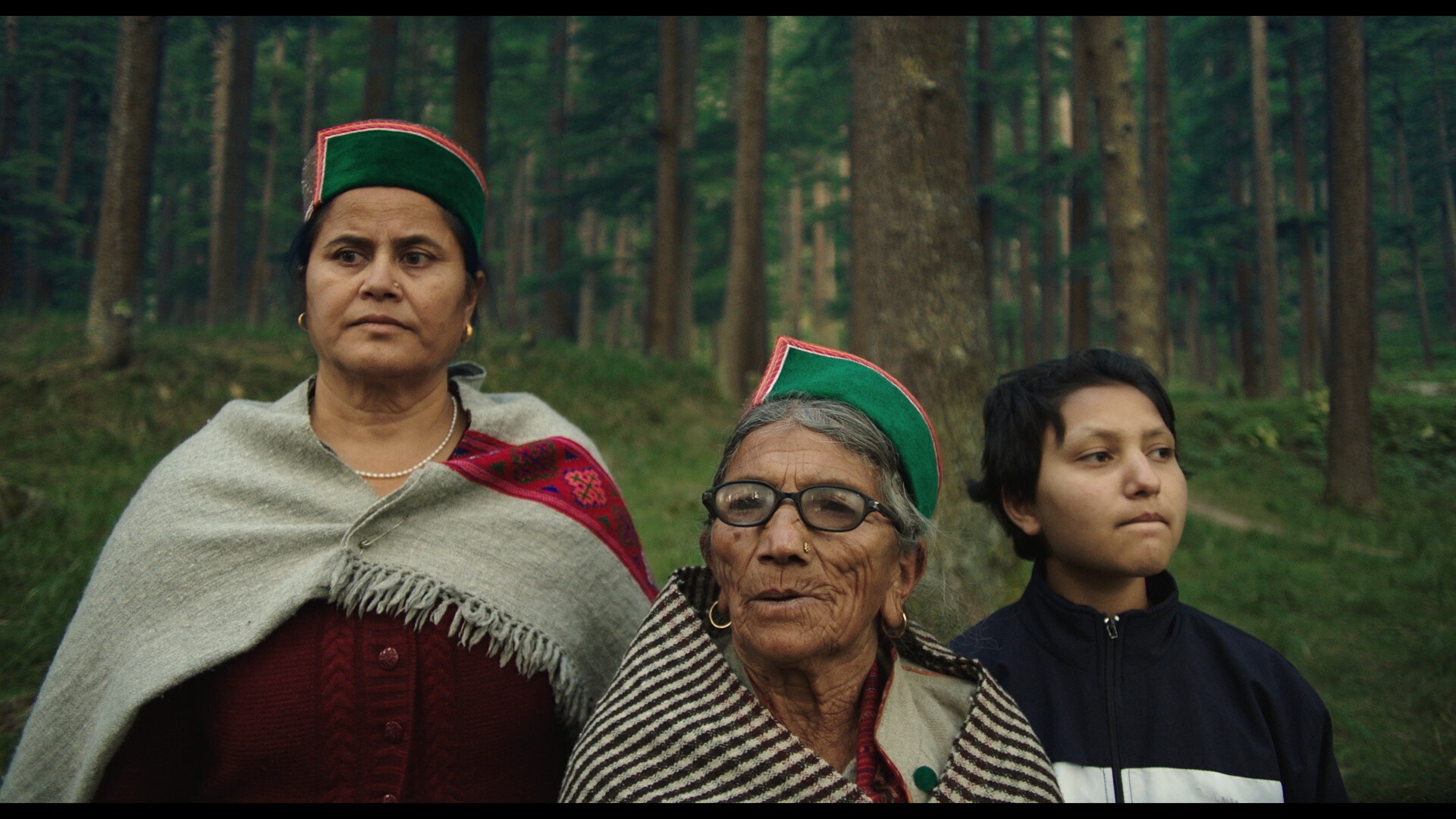
"Tenfa" is visually stunning, featuring breathtaking extreme wide shots of the valley’s grandeur juxtaposed with striking low-angle shots of the sun and moon filtering through the forest canopy. The cinematography by Anshul Uniyal is instrumental in conveying the film’s emotional core, working in tandem with Peter Lam’s ethereal soundtrack to articulate a deep-seated yearning for connection and remembrance. The film poignantly illustrates the human cost of unchecked progress and the pervasive sense of absence that can accompany modernization, a theme that resonates globally as communities face displacement and cultural erosion due to development initiatives. This resonates with concerns raised by UNESCO regarding the preservation of intangible cultural heritage in the face of globalization and environmental change.
Sana Zahra Jafri’s "Permanent Guest" Unpacks Domestic Tensions
Sana Zahra Jafri’s Pakistani short film "Permanent Guest" functions as a potent proof-of-concept for her forthcoming feature, "Scattered Rain." This crowdfunded project delves into the intricate social, political, and gender dynamics prevalent in South Asian societies, continuing Jafri’s focused exploration of the female experience and the subtle yet pervasive tensions within domestic spaces.
Set in Lahore, the film introduces Fatin, a 26-year-old woman living with her mother, Yasmeen. Their routine is disrupted by the unexpected arrival of Shabeer, an elderly relative who comes to stay for medical examinations. Jafri skillfully builds palpable tension through the gradual infiltration of the guest into the household, subtly altering the domestic atmosphere and revealing underlying strains.
The film offers a stark depiction of patriarchy, manifested through the characters’ reactions and interactions. The cinematography by Jaffar Raza Jafri is exceptional, with numerous frames lingering in the viewer’s memory. Saim Sadiq’s editing contributes to a measured pace, allowing the narrative to unfold organically without feeling rushed or stagnant. Rasti Farooq delivers a compelling performance as Fatin, adeptly portraying a character wrestling with suppressed rage and discomfort. "Permanent Guest" is a masterfully executed short film, excelling in its direction, cinematography, and acting, providing a compelling snapshot of familial obligations and unspoken resentments. The film’s exploration of domestic power dynamics and the pressures placed upon women within family structures aligns with ongoing discussions and research on gender equality and women’s rights in the region, as highlighted by organizations like UN Women.

"Lali": A Singular Tragicomedy Navigating Tradition and Identity
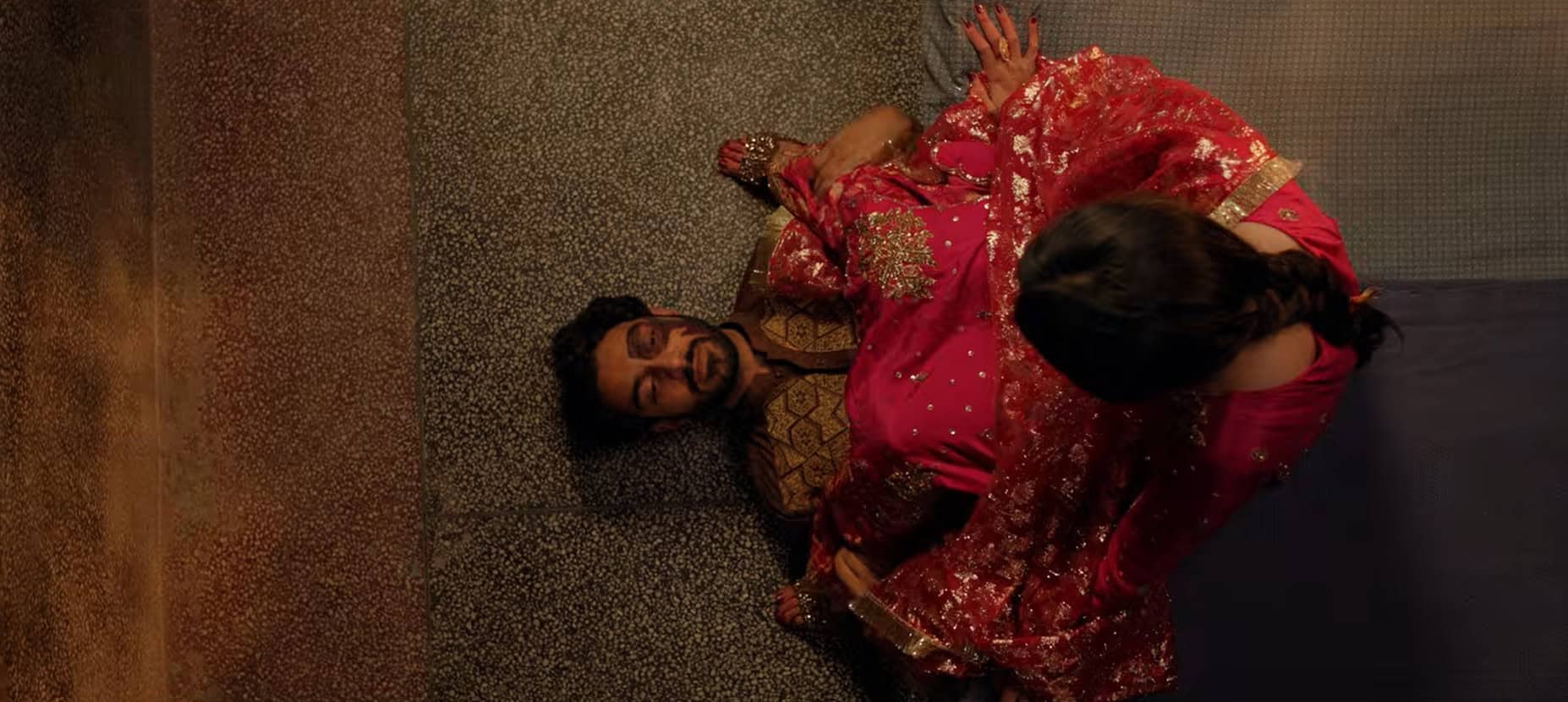
Sarmad Sultan Khoosat’s "Lali" presents a remarkable tragicomedy, distinguished by its uninhibited spirit and striking visual style. The film centers on Sajawal, an introverted young Punjabi metal fabricator, whose life is overshadowed by a possessive, former singer mother and a prominent birthmark that partially conceals his face. His arranged marriage to Zeba, a young woman known for an unfortunate past where three previous suitors met untimely deaths, offers little respite.
The film opens with an arresting scene featuring Sohni Ammi, portrayed with commanding authority by Farazeh Syed, who orchestrates her son’s wedding ceremony with unwavering resolve, even in the face of an accidental bullet wound. "Lali" offers a distinctive take on the theme of marriage, a cornerstone of Bollywood narratives, infusing it with a uniquely Pakistani sensibility.
Technically, the film is near flawless. The collaboration between Khoosat, producer Saim Sadiq (reuniting from "Joyland"), and cinematographer Khizer Idrees results in a visual language that is both inventive and refined, characterized by saturated colors and dynamic, surprising camera angles. While the film’s segmentation into five distinct segments, each with its own tonal and genre influences, showcases Khoosat’s directorial prowess, it occasionally undermines the overall narrative unity and clarity of purpose. Nevertheless, "Lali" remains a significant discovery within Pakistani cinema, offering a rare and insightful glimpse into a cultural landscape often less explored on the international stage. The film’s thematic engagement with arranged marriages and familial control touches upon societal norms and individual agency, issues frequently examined by sociologists and cultural anthropologists studying South Asian family structures.
Suraj Paudel’s "Rihanna" Captures Generational Divides in Nepal
Suraj Paudel, a filmmaker, writer, and editor from Nepal, presents "Rihanna," a compelling short film that delves into the complexities of identity and generational shifts. Paudel, an alumnus of the 2022 Busan International Film Festival’s Asian Film Academy, brings a keen editorial eye to his work, having previously edited "Lori," which garnered a Short Film Special Mention from the Jury at Cannes.
"Rihanna" opens in a classroom where a teacher calls attendance, and the name "Rihanna" elicits a pause. The student, 13-year-old Saraswati, has adopted the name of her pop idol. This decision, seemingly innocuous, unfolds to have significant repercussions throughout her life, as the narrative progressively reveals.
The 16-minute short is marked by sharp, incisive dialogue, with Prithu Bhatta delivering a potent performance as Saraswati. Her quick wit and assertive comebacks are consistently effective, though at times, they verge on overreach, particularly during an intense confrontation with her mother. Shrijana Adhikari offers a strong portrayal of the caring mother, and the chemistry between the two leads is a notable strength of the production. Shishir Bishankhe’s cinematography is equally adept, with impressive framing, especially in the exterior sequences. The film eloquently explores themes of Westernization and the widening generational gap between parents and children, presenting a well-executed and thought-provoking short. The film’s commentary on cultural influence and generational conflict is a recurring theme in contemporary Nepali cinema, reflecting broader societal shifts and the impact of global pop culture on traditional values.
IFFLA 2026: A Platform for Cinematic Vitality
Collectively, these highlighted films from the Indian Film Festival of Los Angeles 2026 underscore a program deeply committed to showcasing works that are both socially aware and artistically ambitious. Through diverse cinematic approaches—ranging from social realism and fable to chamber drama, tragicomedy, and coming-of-age narratives—these selections firmly establish IFFLA as an indispensable platform for some of the most vital and compelling voices emerging from South Asian cinema. The festival’s continued success in curating such a rich and diverse lineup reaffirms its crucial role in fostering cultural exchange and celebrating the evolving artistry of filmmakers from the region. The sustained interest and critical acclaim garnered by these films at IFFLA signal a growing global appetite for nuanced storytelling that transcends geographical boundaries and speaks to shared human experiences.