The third annual Prix Luciole Awards ceremony, a distinguished event dedicated exclusively to the art of film posters, convened in May 2026 at Galerie MO11 in Cannes. Coinciding with the prestigious 79th Cannes Film Festival, the gathering brought together a vibrant ecosystem of film professionals, including designers, sales representatives, media figures, and creators from the international cinematic landscape. Since its inception in 2024, Prix Luciole has championed the often-overlooked but fundamentally crucial role of film posters, recognizing them not merely as promotional tools, but as integral components of cinematic art and audience engagement. The initiative underscores the profound impact a meticulously crafted poster can have, acting as the initial gateway to a film’s narrative and emotional resonance.
The Genesis and Evolution of Prix Luciole
The founding principle behind Prix Luciole was a declarative assertion: film posters transcend their utilitarian function. They are, in essence, visual manifestations of a film’s soul, capable of encapsulating mood, evoking memory, and even hinting at the complex tensions that lie within a cinematic work before a single frame has been viewed. Zhentong Liu, Programming & Industry Manager of Prix Luciole, articulated this sentiment during the 2026 ceremony, stating, "A poster can hold a mood, a memory, a tension – sometimes even an entire world – before a film has even begun." This foundational philosophy has guided the initiative’s growth from a focused cultural project celebrating cinematic visual creation into a significant international nexus for filmmakers, poster designers, producers, journalists, and dedicated cinephiles. The return to Cannes for its third edition reinforced Prix Luciole’s commitment to fostering dialogue around film imagery and the nuanced art of visual storytelling.
The Esteemed Jury of 2026
The discerning panel responsible for evaluating this year’s submissions comprised individuals with profound expertise in visual design and cinematic presentation. Notably, the jury included Lionel Avignon and Stefan de Vivies, the co-founders of Hartland Villa, the esteemed creative studio responsible for crafting the official Cannes Film Festival posters since 2021. Their tenure has set a benchmark for visual excellence in film festival branding. Also lending their critical eye was Melchior Lamy, Chief Creative Officer of Leroy & Rose, a studio renowned for its extensive work in film poster design and broader visual branding. While unable to attend in person, Director and Producer Zou Shiqing also made substantial contributions to the judging process, demonstrating the international reach and collaborative spirit of the awards.
A Showcase of Visual Storytelling: The Award Categories
The 2026 Prix Luciole selection was a testament to the diverse and sophisticated visual language employed in contemporary film promotion. A wide array of works were recognized for their distinctive artistic merit and their ability to forge a compelling cinematic identity.
Honorary Mentions: Recognizing Artistic Excellence
Three projects were bestowed with Honorary Mentions, acknowledging their significant artistic direction and atmospheric impact:
- "VIVA": With poster design by Jordi Rins, this film, selected for Cannes Critics’ Week, was lauded for its robust artistic direction. The jury noted how the poster effectively created a palpable atmosphere and emotional depth, drawing audiences into the film’s narrative world.
- "DUA": Featuring poster design by Florent Jarroir, this submission also garnered an Honorary Mention. The jury highlighted the poster’s ability to convey cinematic presence through a single, powerful image, demonstrating a sophisticated understanding of visual storytelling.
- "Promised Spaces": Directed by Ivan Marković, this project’s poster was recognized for its strong artistic vision. The jury commended its capacity to evoke a distinct mood and contribute significantly to the film’s overall cinematic identity.
The collective praise for these posters underscored their success in transcending mere promotional material to become artistic statements in their own right.
Special Mention: A Poster of Visceral Impact
The Special Mention was awarded to "Sanguine", directed by Marion Le Corroller. The jury singled out this poster for its "visceral intensity and striking physicality." They emphasized its ability to create an "unsettling atmosphere and emotional tension," identifying these qualities as particularly memorable within the competitive 2026 selection. This recognition speaks to the poster’s power to provoke a strong, immediate emotional response from viewers.
Prix Luciole Jury Prize: The Power of Atmosphere and Interpretation
The prestigious Prix Luciole Jury Prize was awarded to "A Girl Unknown". The jury’s deliberation highlighted how the poster not only represented the film but actively constructed its own "atmosphere and visual space." The poster’s success was attributed to its "bold artistic choices, strong visual identity, and openness to interpretation." These elements combined to make it a standout in what was described as an "especially competitive selection." Jury members further elaborated on its impact, stating it was "one of those rare posters that continued returning to our minds long after the deliberations ended."
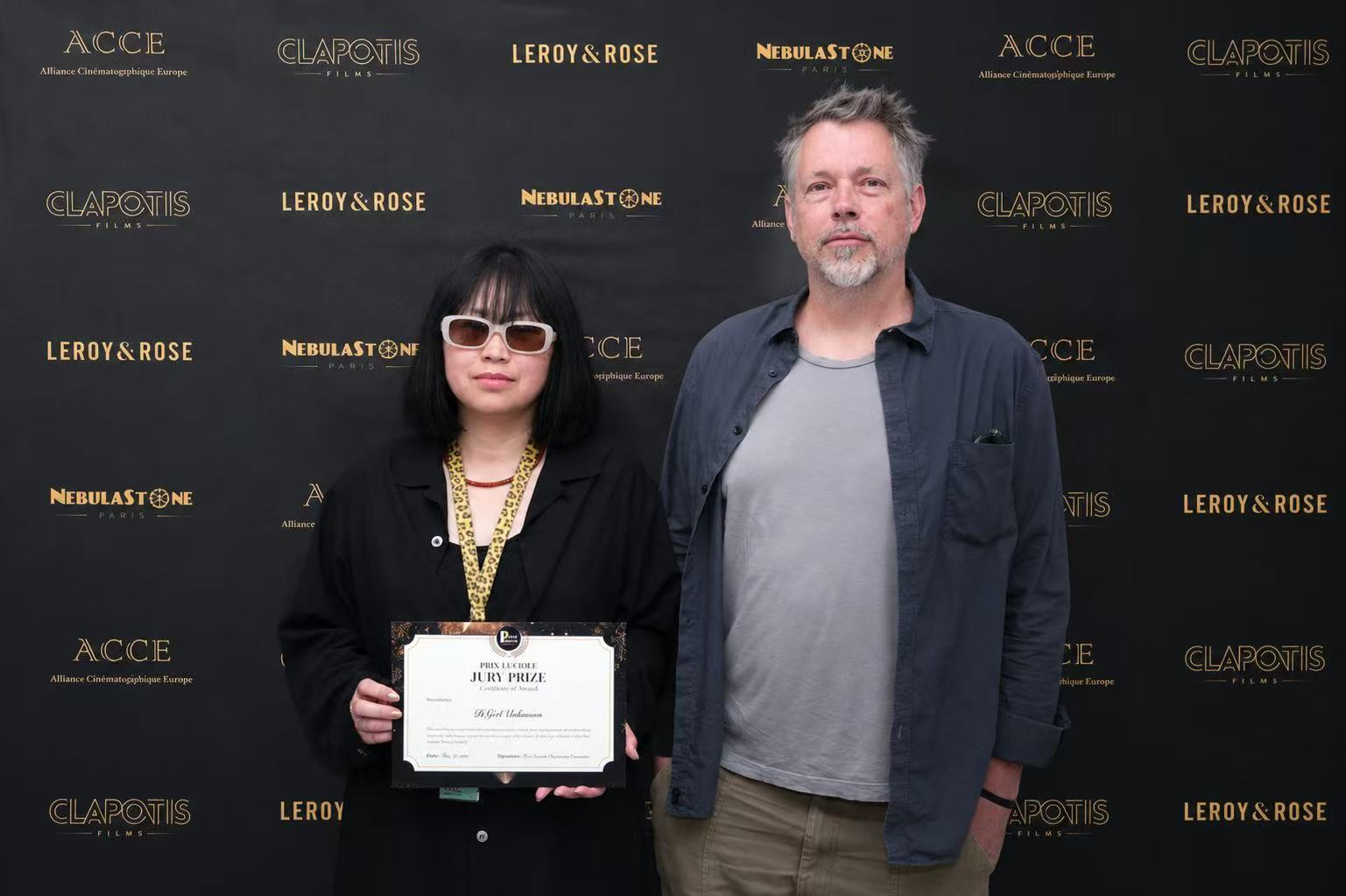
Producer Wang Yang accepted the award on behalf of "A Girl Unknown." The film, directed by Zou Jing and starring Li Gengxi, had previously garnered attention at Cannes Critics’ Week, where it received the GAN Foundation Award for Distribution. This dual recognition underscores the film’s artistic and commercial potential, with its poster serving as a crucial early indicator of its quality.
The Prix Luciole Best Poster Award 2026: A Masterclass in Design
The coveted Prix Luciole Best Poster Award 2026 was presented to "Titanic Ocean". The jury lauded this poster for its "precision of composition" and, most notably, the "subtle relationship between typography and image." A key aspect of its triumph was the seamless integration of production credits and partnership elements. These typically functional details were organically woven into the poster’s visual structure, contributing to a profound sense of coherence and aesthetic unity. For the jury, "Titanic Ocean" exemplified a "strongest and most accomplished film poster in this year’s selection," setting a new standard for design excellence.
A Forum for Dialogue and Exchange
Beyond the celebratory awards, Prix Luciole has cultivated itself as a vital platform for exchange among creators operating at the confluence of cinema and visual culture. Through a multifaceted approach encompassing interviews, industry discussions, and ongoing editorial initiatives, the project has consistently fostered a robust dialogue with poster designers. This engagement aims to elevate the recognition of cinematic visual creation, ensuring that the artistry behind film promotion receives the critical attention it warrants.
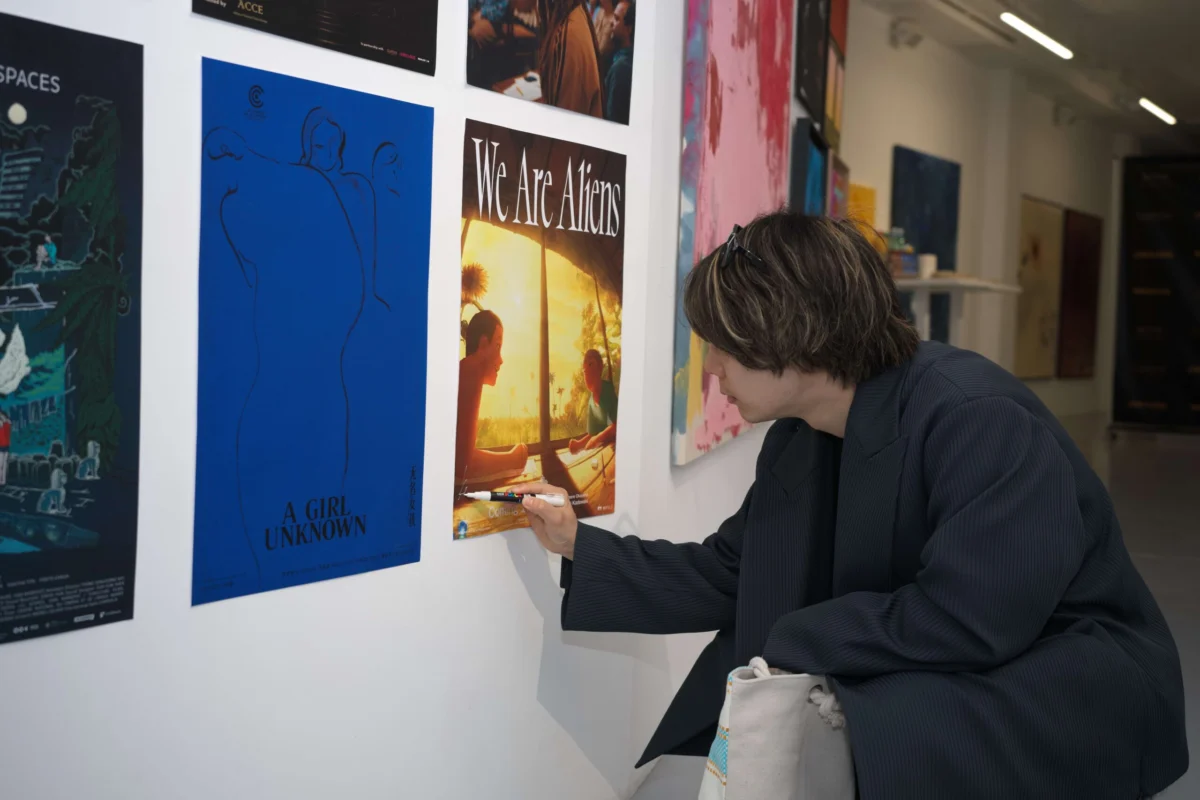
The initiative’s growing influence is evident in the caliber of attendees at the 2026 ceremony. The event welcomed a distinguished array of filmmakers and visual creators, including Director Kohei Kadowaki and KOTA from Nothing New Sales. Edmon Roch represented the team behind "VIVA," a film selected for Cannes Critics’ Week. Eleni, representing the marketing team of "Gabin," a selection for Directors’ Fortnight, was also present. Tilda Li Sixue, a member of the 2026 FIPRESCI Jury in Cannes, and Palme d’Or-winning short film director Chen Jianying, alongside many long-time supporters of Prix Luciole, contributed to the event’s rich tapestry of industry professionals. The image of Director Kohei Kadowaki signing the poster of "WE ARE ALIENS," a film shortlisted for the 3rd Prix Luciole Awards, visually encapsulates the personal connection and admiration fostered by the event.
The Enduring Relevance of Poster Art in a Digital Age
In an era increasingly dominated by streaming platforms, algorithmic discovery, and the accelerated circulation of content online, the focus of Prix Luciole on poster art assumes profound relevance. As audiences navigate a complex digital landscape, the film poster remains a tangible and often the first emotional point of contact with a cinematic work. It serves not merely to convey information but to extend the film’s visual language, offering a curated invitation into its world.
The data surrounding audience discovery trends further emphasizes this point. Studies consistently indicate that visual assets, including posters and trailers, play a pivotal role in initial film consideration, particularly for independent and arthouse cinema where traditional marketing budgets may be constrained. The Prix Luciole awards highlight how exceptional poster design can cut through the digital noise, creating a memorable and compelling first impression that can significantly influence a viewer’s decision to engage with a film.
The impact of Prix Luciole extends beyond the awards ceremony itself. The initiative is dedicated to ensuring that the visual creations that shape cinema from behind the scenes gain the recognition they rightfully deserve. By fostering a deeper appreciation for poster design, Prix Luciole contributes to a more holistic understanding of filmmaking as an art form that encompasses every facet of its presentation.
Looking Ahead: The Future of Cinematic Visual Culture
As the third edition of Prix Luciole concludes in Cannes, the initiative’s commitment to promoting conversations around film imagery, visual storytelling, and cinema culture remains unwavering. The awards are viewed not as an endpoint, but as a catalyst for continued engagement and a broader understanding of the integral role that visual design plays in the cinematic experience. By continuing to champion the art of film posters, Prix Luciole is not only celebrating past achievements but also inspiring future generations of designers and filmmakers to push the boundaries of visual communication in cinema. The project’s long-term vision is to solidify the film poster’s position as a critical artistic discipline, essential to the ongoing evolution of cinematic art and audience connection.