


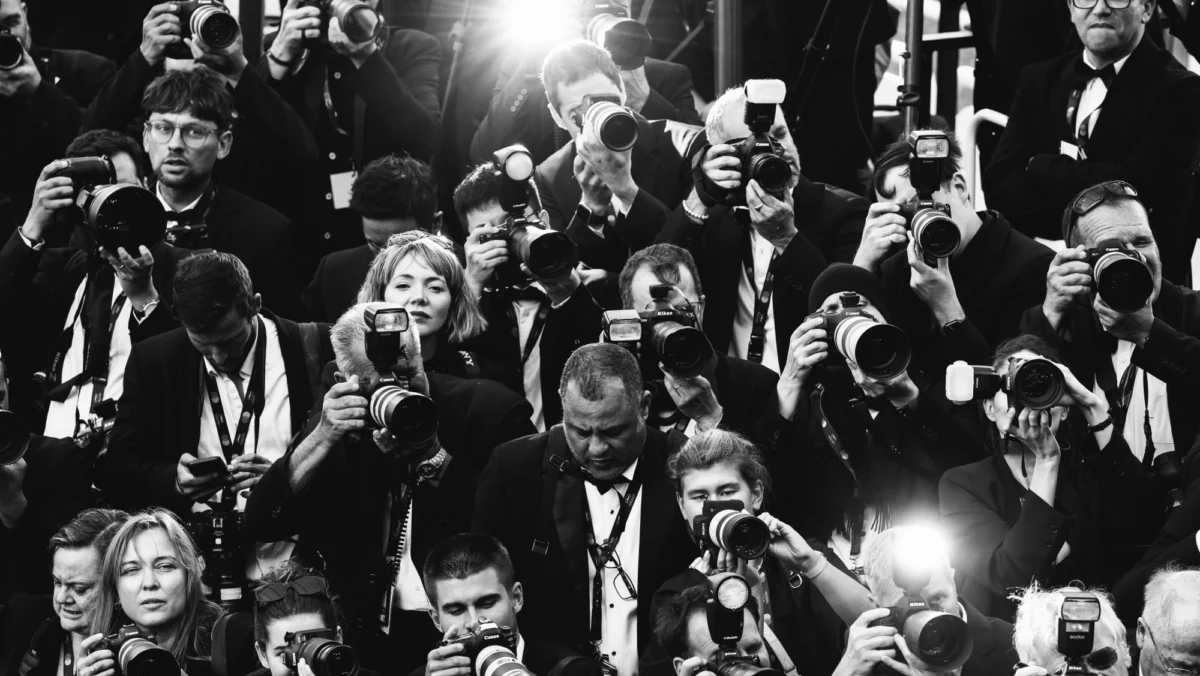
In a significant development for the global visual content industry, Getty Images and Shutterstock, two of the sector’s most prominent players, have mutually agreed to terminate their proposed $3.7 billion merger. The decision, announced by Getty Images on Tuesday, follows an insurmountable regulatory hurdle posed by the United Kingdom’s Competition and Markets Authority (CMA), which demanded the divestiture of Shutterstock’s entire editorial business as a condition for approval. This unexpected turn of events not only reshapes the competitive landscape for stock photography and video but also underscores the growing assertive power of UK regulators in global merger and acquisition activities, sending ripples through various industries, including Hollywood.
The Collapse of a Megadeal: Regulatory Intervention Takes Center Stage
The ambitious plan to unite Getty Images, a global leader known for its extensive editorial and archival content, with Shutterstock, a formidable presence in the commercial stock imagery market, was initially unveiled in January 2023. The combined entity, projected to be led by Getty CEO Craig Peters, had anticipated substantial cost synergies, estimated to be between $150 million and $200 million within three years of integrating operations. The strategic rationale behind the merger was clear: to consolidate market share, enhance service offerings across editorial, commercial, and archival visuals, and create a more resilient business in an increasingly dynamic digital environment.
However, these aspirations were met with strong opposition from the UK’s top competition watchdog. The CMA, tasked with ensuring fair competition and protecting consumer interests within the UK market, initiated an in-depth review of the proposed merger. After a thorough assessment, the authority concluded that the combination of Getty Images and Shutterstock, particularly their overlapping strengths in editorial content, would lead to a substantial lessening of competition. The CMA’s primary concern revolved around the reduced choice and potentially higher prices for UK media organizations and businesses reliant on high-quality, timely editorial imagery.
On Tuesday, Getty Images confirmed that its board of directors had unanimously voted to abandon the deal. A regulatory filing with the Securities and Exchange Commission (SEC) clarified that the CMA’s requirement for Shutterstock to sell off its entire editorial business was deemed an "apparent non-starter" by Getty’s board. The divestiture of such a core and valuable asset was evidently too high a price to pay for the merger, undermining the strategic benefits and financial projections that initially drove the deal. Industry analysts suggest that forcing Shutterstock to shed its editorial arm would not only diminish the value proposition of the acquisition for Getty but also complicate integration efforts and potentially create a less robust combined entity than originally envisioned.
Background of the Contenders and the Stock Imagery Market
Getty Images, founded in 1995, has long been synonymous with high-quality, premium visual content, particularly in the editorial space. It holds vast archives of historical imagery and maintains a strong global network of photographers and videographers, providing essential wire service images and video to major media outlets, red carpet events, and film festivals worldwide. Its brand carries significant weight, often associated with exclusivity and historical importance.
Shutterstock, established in 2003, pioneered the subscription model for stock photography, democratizing access to professional visuals for a broader range of businesses, marketers, and individual creators. It boasts an immense library, having touted an image collection exceeding 450 million photos at the time of the merger announcement, alongside a growing video and music library. While it has made inroads into editorial content, its core strength lies in its extensive commercial stock offerings and its accessible platform.
The visual content market has undergone significant transformation in recent decades, moving from traditional print catalogs and physical agencies to entirely digital platforms. The rise of digital media, social platforms, and content marketing has fueled an insatiable demand for visual assets, creating a multi-billion dollar industry. However, this growth has also been accompanied by intense competition, price pressures, and the emergence of new technologies, including artificial intelligence. The proposed merger was seen by many as a defensive and offensive move to consolidate market leadership, gain efficiencies, and better navigate these evolving challenges.
A Timeline of the Failed Alliance:
- January 2023: Getty Images and Shutterstock publicly announce their intention to merge in a $3.7 billion deal, pending regulatory approvals. The merger is framed as a strategic move to create a unified powerhouse in the visual content industry, leveraging both companies’ strengths and achieving significant cost synergies.
- Early 2023: Regulatory bodies in various jurisdictions begin their reviews of the proposed merger, assessing its potential impact on competition.
- Spring/Summer 2023: The UK’s Competition and Markets Authority (CMA) initiates an in-depth "Phase 2" investigation, signaling serious concerns about the competitive implications within the UK market.
- Late Summer/Early Autumn 2023: The CMA communicates its preliminary findings and proposes remedies, which include the requirement for Shutterstock to divest its editorial business.
- Early October 2023: Getty Images’ board of directors deliberates the CMA’s proposed remedy and unanimously concludes that the divestiture requirement renders the merger unviable.
- October 3, 2023: Getty Images formally announces the termination of the merger agreement with Shutterstock, citing the insurmountable regulatory roadblock in the UK. Simultaneously, Getty indicates its intention to explore "strategic financing alternatives" to support its future growth and operational needs.
- Days Before Termination: Getty Images announces a separate, significant licensing pact with OpenAI, allowing the AI firm access to Getty’s vast image library for training its generative AI models. This development highlights a strategic pivot for Getty amidst the merger uncertainty.
The Broader Implications of UK Regulatory Power
The scuttling of the Getty-Shutterstock merger serves as a stark reminder of the significant power wielded by the UK’s Competition and Markets Authority. This incident is not an isolated case but rather part of a broader trend demonstrating the CMA’s increasingly assertive stance on global M&A transactions that impact the UK market. The authority’s mandate is to protect competition for the benefit of consumers, and it has shown a willingness to intervene decisively, even if it means derailing high-profile international deals.
This regulatory assertiveness holds particular relevance for other industries with significant operations or consumer bases in the UK, notably Hollywood. The entertainment sector, currently undergoing its own wave of consolidation, is closely watching how UK regulators might influence future mega-deals. One such case is the potential $111 billion takeover attempt of Warner Bros. Discovery by David Ellison’s Skydance Media, which involves Paramount Global.
On June 30, Lisa Nandy, the UK Secretary of State for Culture, Media and Sport, publicly indicated that the British government might choose to intervene in the Paramount-Warner Bros. Discovery deal. Nandy stated that the next stage could involve the CMA assessing and reporting on whether a "relevant merger situation has been created, and any impact this may have on competition." This statement immediately put the UK on the radar for the studios involved.
Paramount Global, responding to the UK’s potential scrutiny, expressed confidence that its proposed transaction would close on its stated timeline without encountering similar roadblocks. A Paramount representative stated, "We are grateful for the continued constructive engagement with all interested government bodies and relevant authorities, including in the UK. We are confident that our proposed transaction does not pose any media plurality issues in the UK and remain confident in our stated transaction timeline." The CMA formally opened its review of the Paramount deal on June 10 and has set an August 7 deadline for an initial ruling, a timeline that now carries added weight given the Getty-Shutterstock outcome. The UK’s focus on "media plurality" – ensuring a diverse range of media ownership and voices – adds another layer of complexity to entertainment mergers, distinct from the competition concerns raised in the visual content market.
The Strategic Pivot: AI and the Future of Visual Content
The termination of the Shutterstock merger also brings into sharper focus Getty Images’ evolving strategic direction, particularly concerning artificial intelligence. Days before the merger was called off, Getty Images announced a landmark multi-year licensing pact with OpenAI, the creator of ChatGPT and DALL-E. This agreement allows OpenAI to access Getty’s vast image library, including its extensive archives, for training its generative AI models. In return, Getty receives compensation and presumably gains insights into the development of AI tools that could both challenge and augment its core business.
This move marks a significant pivot. The initial merger agreement with Shutterstock was conceived at a time when the visual content industry was grappling with the nascent emergence of artificial intelligence tools, often seen as a disruptive threat. Generative AI, capable of creating realistic images and videos from text prompts, presents both an existential challenge and a massive opportunity for traditional stock image providers. Many artists and content creators have expressed concerns about AI models "scraping" their work without consent or compensation, raising complex intellectual property issues.
Getty’s deal with OpenAI, a major player in the AI space, signals a strategic embrace rather than a resistance to AI. By formally licensing its content, Getty is attempting to shape the future of AI in a way that benefits creators and rights holders, potentially setting a precedent for responsible AI development and content sourcing. This proactive stance contrasts with the more reactive or litigious approaches taken by some other content providers. The failure of the Shutterstock merger now frees Getty to fully concentrate its resources and strategic vision on this new path, positioning itself as a key partner in the development of ethical and licensed AI-generated visual content.
For Shutterstock, the abandoned merger means a continuation of its independent strategy. The company will likely need to redouble its efforts to innovate, grow its library, and potentially explore its own AI strategies to remain competitive. While the immediate focus might be on reassuring investors and employees, the underlying market dynamics, including the rise of AI, remain.
Conclusion: A Reshaped Landscape
The scuttling of the Getty Images-Shutterstock merger by the UK’s CMA represents a pivotal moment for the visual content industry and global M&A. It highlights the increasing assertiveness of regulatory bodies in safeguarding competition, even for deals involving international titans. For Getty Images, the immediate aftermath involves reassessing its growth strategy and leveraging its significant AI partnership with OpenAI as a cornerstone for future innovation. The company’s intention to hire a financial advisor to explore "strategic financing alternatives available" suggests a renewed focus on organic growth, potential smaller acquisitions, or partnerships that align with its AI-centric future without triggering similar regulatory hurdles.
Shutterstock, meanwhile, continues its journey as an independent entity, facing the ongoing challenges of market consolidation, evolving customer demands, and the transformative power of artificial intelligence. The failed merger ultimately reinforces the notion that even in an era of rapid technological change and consolidation, regulatory oversight remains a potent force capable of reshaping corporate destinies and influencing the very fabric of global markets. The implications extend far beyond stock photos, signaling a future where robust regulatory scrutiny will increasingly define the boundaries of corporate expansion across diverse sectors.