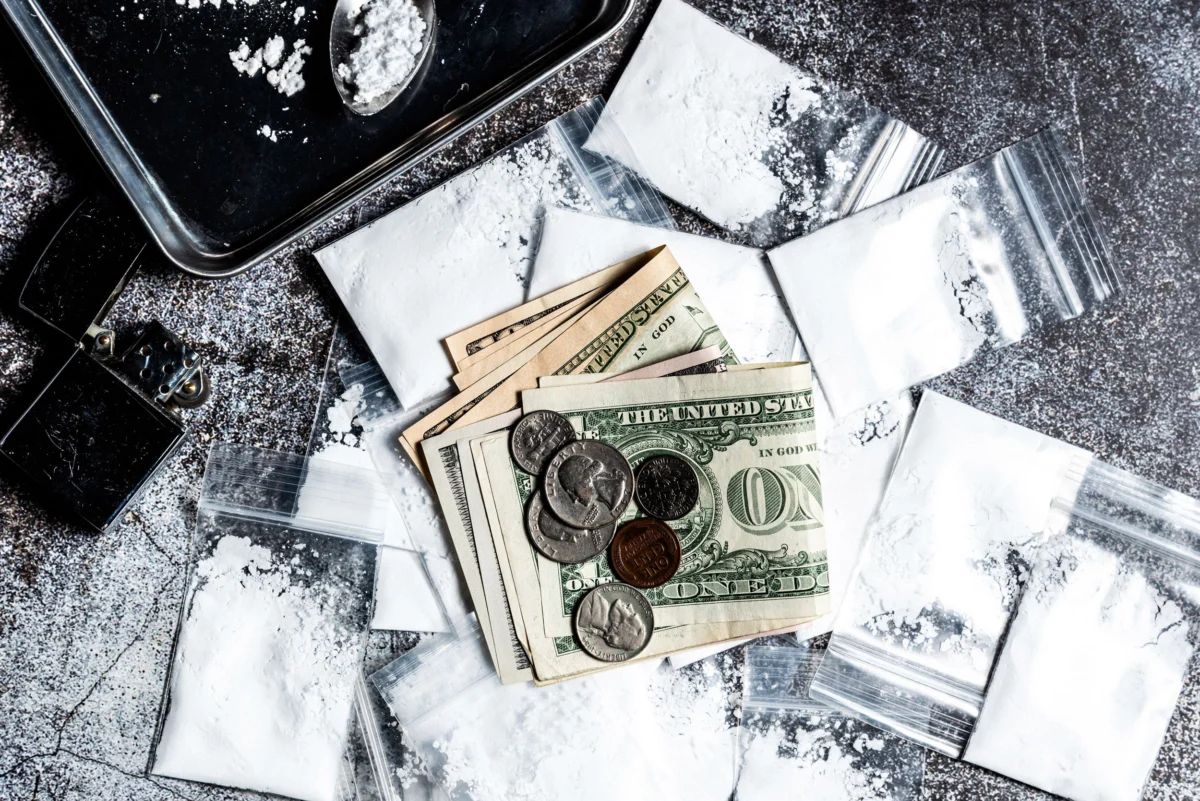
The cultural and commercial landscape of psychoactive substances has undergone a radical transformation in the 21st century, driven by venture capital, legislative shifts, and a sophisticated rebranding of formerly stigmatized drugs. While cannabis has transitioned from illicit street corners to high-end dispensaries that mirror the aesthetic of Apple Stores, and substances like ketamine and psilocybin have found a new home in plush therapeutic clinics, cocaine and other powdered narcotics have remained largely in the shadows of public policy. However, a new wave of e-commerce brands is attempting to bridge this gap, utilizing social media platforms like Instagram and TikTok to market luxury "lifestyle" accessories that serve as high-end drug paraphernalia under the guise of wellness and "party recovery" tools.
This burgeoning market represents a significant shift in how illicit drug use is presented to the public. By adopting the visual language of "Direct-to-Consumer" (DTC) startups—minimalist fonts, high-resolution lifestyle photography, and sleek industrial design—these companies are effectively attempting to "glow-up" the consumption of cocaine, MDMA, and ketamine. This trend raises complex questions regarding platform accountability, the efficacy of advertising moderation, and the legal gray areas surrounding the sale of items that are functionally designed for illegal activities but marketed as benign containers for legal supplements.
The Rise of "Stealth" Paraphernalia in the Digital Age
The marketing strategies employed by these brands rely heavily on "plausible deniability." Rather than explicitly stating their products are intended for illicit substances, companies use euphemisms and visual cues that resonate with specific subcultures while technically adhering to the letter of social media advertising policies. A primary example is the SLYD pouch, a $39 leather pocket featuring a magnetic clasp. Promotional videos for the product show users loading white powdered substances into the pouch with captions urging consumers to "stop using that sketchy bag for your electrolytes."
While the brand positions the product as a solution for carrying fitness supplements, the visual context tells a different story. The inclusion of the word "BAG"—a common slang term for a unit of cocaine—inscribed on the leather, suggests a target audience far removed from the gym. This strategy is mirrored by Magic Items, an online retailer selling the "Wildcard," a magnetized leather pouch priced between $60 and $100. Despite marketing the item for "perishables" and "electrolytes," the company’s social media comments are frequently populated by users asking about the product’s ability to mask scents from drug-sniffing dogs.
The evolution of these products suggests a sophisticated understanding of modern consumer psychology. The "dime bag," once the universal symbol of street-level drug transactions, is being replaced by "anti-clog," "luxury," and "multi-use" leather sachets. These products are framed not as tools for addiction, but as essential components of a "festival survival kit" or a "nightlife aesthetic," aligning with the broader "wellness-to-party" pipeline that has become prevalent among affluent urban demographics.
A Chronology of Normalization: From Headshops to Instagram Feeds
The transition of drug paraphernalia from back-room "headshops" to mainstream social media feeds did not happen overnight. The following timeline illustrates the gradual normalization and technological evolution of this market:
- 2014–2018: The "Cacao Snuff" Trend. A brief craze for snorting raw cacao powder emerged in European club scenes. This provided a legal precedent for the development of high-end "nasal straws," as entrepreneurs claimed their devices were intended for legal chocolate consumption.
- 2017: The debut of "Coco Loko," a snortable chocolate powder in the United States, further blurred the lines between dietary supplements and insufflation-based drug culture.
- 2020–2021: The COVID-19 pandemic accelerated the shift toward e-commerce. As physical nightlife venues closed, the "party at home" culture grew, creating a demand for discreet, high-quality accessories.
- 2022: A pivotal year for the industry. As global lockdowns lifted, brands like Magic Items and FattyPack launched, capitalizing on the "Great Reopening." Marketing copy from this era emphasizes "being out again" at "rooftops" and "in the desert," explicitly targeting the music festival circuit.
- 2023–2024: The integration of technology and fashion. Products like Bumpskē (LED-lit nasal straws) and Snogo (spring-loaded straw necklaces) gained traction, utilizing "stealth" hashtags like #discreetbumps to reach target audiences while avoiding automated moderation filters.
Technological Innovation and the Aesthetic of Decadence
Beyond simple pouches, the market has expanded into high-tech hardware. Bumpskē, a brand that recently saw its social media accounts removed following inquiries into its practices, sold a stainless-steel device equipped with an LED light at the tip to facilitate use in dark club environments. The branding leaned heavily into cinematic tropes, presenting the device as a "James Bond-style" luxury essential.
Similarly, Snogo offers spring-loaded designer straws that can be worn as jewelry. These items recall the "coke spoon" pendants of the 1990s but updated for a generation that values "inherent decadence" and industrial precision. Snogo also markets "clubwear," such as a $110 bedazzled baseball hat featuring hidden pockets specifically designed to hold straws and cash. The company maintains that its products are intended solely for legal substances like cacao, despite social media imagery featuring references to "snow" and "festivals."
This intersection of fashion and drug culture is further exemplified by the "post-party recovery" sector. Soft Landings, a beverage company, markets a drink designed to mitigate the "comedown" associated with all-night "benders." In one promotional video, a spokeswoman explicitly references "molly" (MDMA), explaining how the drug drains the brain’s "battery" and pitching the drink as a way to "recharge." This direct reference to illicit substances represents a departure from the more cautious "electrolyte" framing used by pouch manufacturers, indicating a bold new frontier in "sesh" (party) culture marketing.
Platform Policies and the Challenge of Enforcement
The proliferation of these brands presents a significant challenge for Meta (parent company of Instagram and Facebook) and TikTok. Both platforms have strict policies prohibiting the promotion of illicit drugs and drug paraphernalia. Meta’s advertising standards state that ads must not "promote the sale or use of illicit or recreational drugs or other unsafe substances, products, or supplements."
However, the "plausible deniability" model makes automated enforcement difficult. When a brand claims its straw is for cacao or its pouch is for electrolytes, it places the burden of proof on the platform to demonstrate intent. Following recent investigations, Meta spokesperson Erica Sackin confirmed that the company is investigating several brand accounts and routinely conducts sweeps to crack down on policy violations.
The result is a "cat-and-mouse" game. When one account is banned, another often emerges with slightly altered branding or a more "lifestyle-focused" approach that avoids flagged keywords. The effectiveness of these bans is also limited by the fact that many of these products have already achieved "viral" status, allowing them to spread through organic user content and influencer endorsements that are harder to track than paid advertisements.
Official Responses and Industry Rebuttals
When contacted for comment, the brands involved generally maintain a stance of strict legality. A representative for Magic Items stated that their product is a "multi-use bag for perishables" and denied selling drug paraphernalia. FattyPack echoed this sentiment, noting that while customers may choose to use their products for drugs, the company does not promote such use, leaving it to "individual interpretation."
Rachel Froehlich, executive customer care manager at Snogo, emphasized that the brand works to ensure its messaging complies with platform guidelines, stating that their products are meant "for use with legal substances such as cacao and other lawful powdered products."
Despite these denials, the discrepancy between official statements and consumer interaction is stark. Comment sections on these brands’ pages are often filled with drug-related jokes, slang, and advice on how to use the products for narcotics, which the brands rarely moderate or delete unless under direct scrutiny from platform administrators.
Broader Impact and Societal Implications
The emergence of luxury drug paraphernalia signifies a broader normalization of "party drug" use among the middle and upper classes. By stripping away the "gritty" associations of drug use and replacing them with leather, stainless steel, and LED lights, these brands are contributing to a culture where substance use is viewed as a high-end lifestyle choice rather than a public health concern.
From a legal perspective, these companies operate in a precarious "gray market." In the United States, the Federal Drug Paraphernalia Act defines paraphernalia as any equipment "primarily intended or designed for use" with controlled substances. However, proving "primary intent" for a leather pouch or a metal straw is legally arduous, especially when the manufacturer provides an alternative, legal use-case.
The implications for public health are equally concerning. While some might argue that high-quality, clean accessories are a form of "harm reduction" (by discouraging the use of dirty bills or shared straws), the marketing of "recovery drinks" and "discreet" tools may also encourage more frequent use by minimizing the perceived consequences and risks. As social media continues to serve as the primary marketplace for the "modern lifestyle," the line between wellness, fashion, and illicit substance use will likely continue to blur, challenging regulators and platforms to keep pace with an increasingly sophisticated and well-branded underground economy.