


The landscape of the racing game genre is currently dominated by two distinct philosophies: the hyper-realistic simulation and the accessible, social open-world experience. However, a significant void has remained since the late 2000s—a period defined by the high-octane, chaotic energy of the Burnout series. At the recent Summer Game Fest, Matt Webster, the founder and CEO of Fuse Games, and Kieran Crimmins, the studio’s creative director, sat down to discuss their upcoming project, Star Wars: Galactic Racer. Their mission is not merely to create another licensed racing title but to recapture the "lightning in a bottle" that made their previous work at Criterion Games, specifically Burnout Paradise, a landmark in gaming history.
The duo, both veterans of Criterion during the development of the 2008 classic, reflected on the organic and often experimental nature of game design during that era. According to Webster, the development of Burnout Paradise was characterized by a lack of rigid blueprints. "We were making it up as we went along," Webster noted, highlighting a design philosophy that prioritized creative freedom and player-driven social interaction over traditional structural constraints. This approach led to the creation of a seamless open world where the act of simply "dicking about in a car" became the core gameplay loop, a concept that has since been refined by modern titles like the Forza Horizon series but, in Webster’s view, has lost a critical element: consequence.
The Legacy of Burnout Paradise and the Evolution of Arcade Racing
To understand the ambitions behind Star Wars: Galactic Racer, one must first analyze the impact of Burnout Paradise. Released in January 2008, Burnout Paradise represented a radical departure from the "closed-track" arcade racers of the early 2000s. It introduced "EasyDrive," a menu system that allowed players to engage in multiplayer events without ever leaving the game world or entering a lobby. This innovation earned the game critical acclaim, maintaining a Metacritic score of 88 and selling millions of copies across multiple platforms.
The game’s success was built on the foundation of the "Crash Engine," which provided procedural vehicle deformation that felt visceral and high-stakes. For Webster and Crimmins, the goal was to create a social driving experience where the world itself was the playground. In the years following its release, the industry saw a shift. Electronic Arts moved Criterion away from Burnout to revitalize the Need for Speed franchise, and later, many key members of the team departed to form independent studios. During this transition, the "social driving" aspect of Burnout Paradise was adopted and expanded upon by Playground Games with Forza Horizon. However, Crimmins argues that while modern games have perfected the social and visual aspects of racing, they have struggled to replicate the specific cultural impact of Paradise because they often play it too safe.
The Missing Element: Why Consequence Matters in Modern Gaming
A central theme of the discussion at Summer Game Fest was the erosion of stakes in modern racing titles. Webster pointed specifically to the ubiquity of the "rewind" mechanic, originally popularized as the "Flashback" feature in Codemasters’ Race Driver: GRID (2008) and subsequently integrated into almost every major racing franchise, including Forza and F1. While the rewind button reduces player frustration, Webster argues it also removes the weight of decision-making.
"Consequence is missing," Webster stated bluntly. He explained that when a player can undo a mistake with a single button press, the tension of a high-speed maneuver evaporates. In Star Wars: Galactic Racer, Fuse Games is looking to reintroduce that tension. This does not necessarily mean punishing players with game-over screens, but rather building a system where choices—both in driving and in vehicle construction—carry tangible weight.
Crimmins expanded on this by discussing the "levels of depth" being integrated into the Star Wars project. The game aims to move beyond the standard car-based physics of the genre by utilizing the diverse vehicle types found within the Star Wars universe. By introducing vehicles that are significantly larger and more complex than standard cars, the developers are forced to rethink how damage, momentum, and navigation function. The "consequence" Webster refers to extends to the "build" of the vehicle, suggesting a deep customization system where choosing speed over durability could have disastrous results in the heat of a race.
Chronology of Development: From Criterion to Fuse Games
The journey to Star Wars: Galactic Racer is one rooted in decades of industry experience. The timeline of the lead developers provides context for their current design philosophy:
- 2001–2005: The Burnout series establishes Criterion Games as the premier developer of arcade racers, focusing on "near-miss" mechanics and spectacular crashes.
- 2008: Burnout Paradise is released, pioneering the open-world social racing genre.
- 2010–2012: Webster and Crimmins lead the development of Need for Speed: Hot Pursuit and Need for Speed: Most Wanted, integrating the "Autolog" social system.
- 2020–2022: A shift in strategy at Electronic Arts sees Criterion return to Need for Speed (Unbound), while several veterans depart to seek creative independence.
- 2023: Fuse Games is officially formed, led by Matt Webster, with a focus on high-end, innovative action games.
- 2024: Star Wars: Galactic Racer is announced, signaling a partnership with Lucasfilm Games to bring a high-budget, "transformative" racing experience to the franchise.
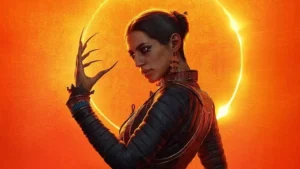
The announcement of Galactic Racer comes at a pivotal time for Star Wars interactive media. Following the end of Electronic Arts’ exclusivity period, Lucasfilm Games has partnered with various studios, including Ubisoft (Star Wars Outlaws) and Quantic Dream (Star Wars Eclipse), to diversify the types of stories and genres represented in the galaxy far, far away.

Technical Ambition and the Star Wars Universe
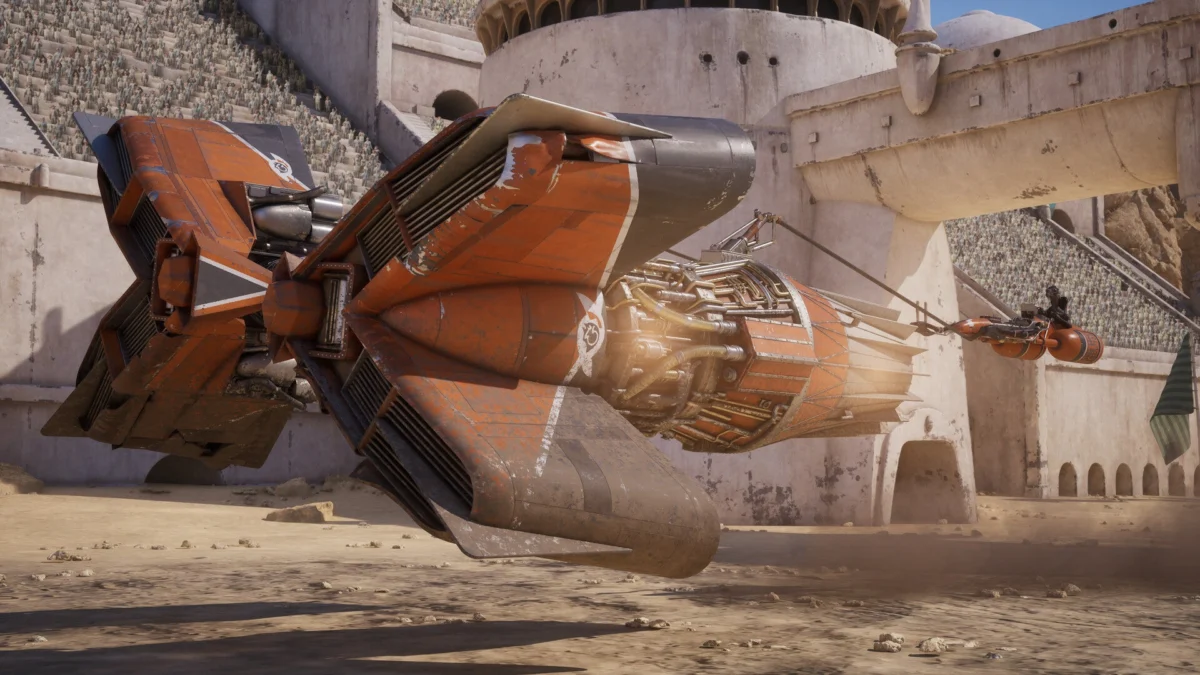
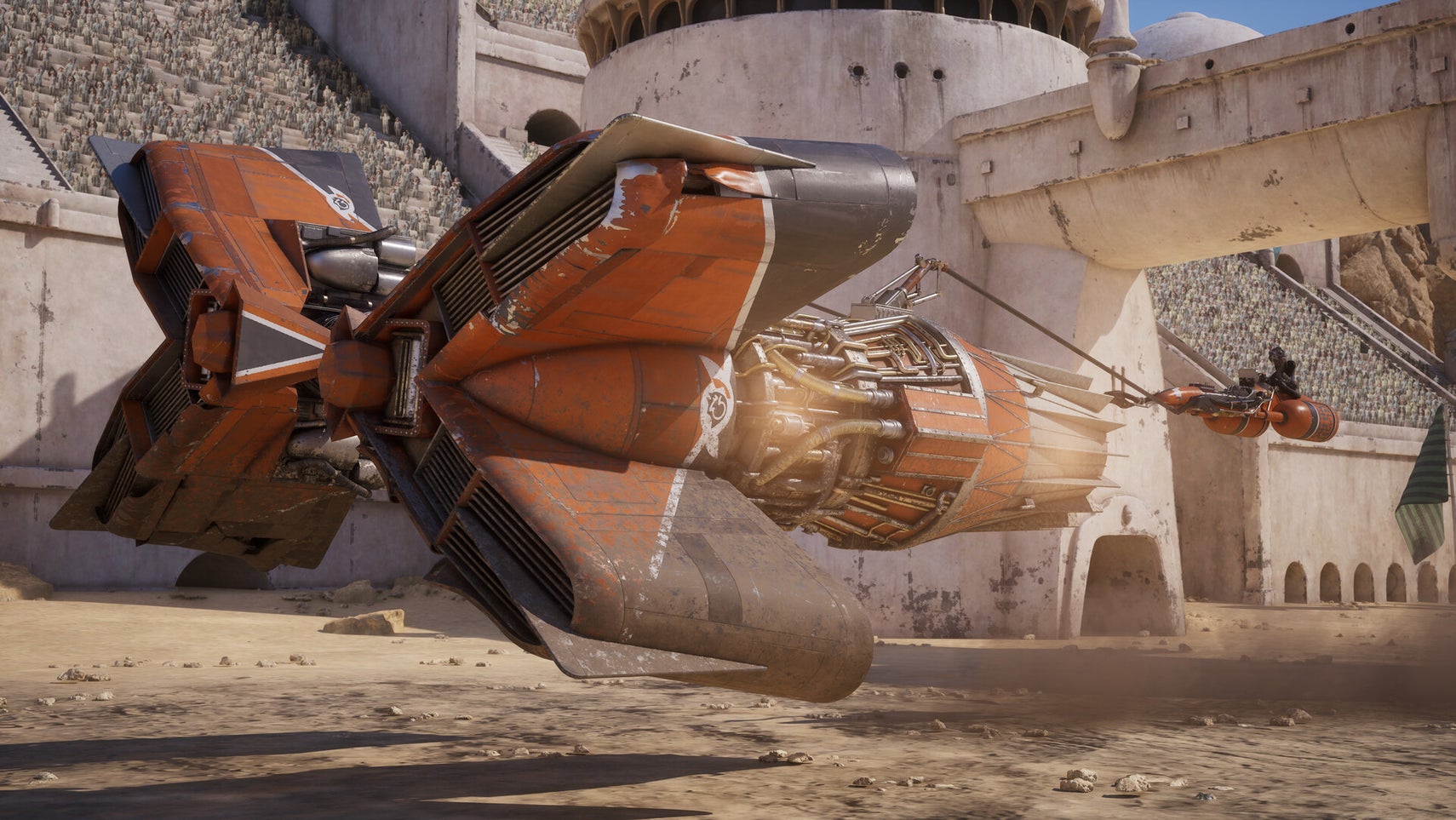
While the developers remained tight-lipped about specific track lists or character rosters, the Summer Game Fest presentation emphasized the scale of the project. Crimmins noted that Galactic Racer features "four vehicles larger than just cars," a statement that has led to speculation regarding the inclusion of iconic craft like the podracers from The Phantom Menace, or perhaps even larger atmospheric assault craft.
The technical challenge lies in balancing the "arcade" feel of Burnout with the unique physics of Star Wars technology. Unlike traditional wheels-on-asphalt racing, repulsorlift technology allows for more verticality and 360-degree movement. Fuse Games is reportedly leveraging this to create tracks that are more three-dimensional than anything seen in the genre previously.
Supporting data from the broader gaming market suggests there is a significant appetite for this type of innovation. The racing genre has seen a 15% increase in player engagement over the last three years, largely driven by live-service updates in titles like Forza Horizon 5 and the resurgence of simulation racing on PC. However, the "combat racing" sub-genre has remained largely dormant since the era of Blur and Split/Second, leaving a gap that Fuse Games is perfectly positioned to fill.
Official Responses and Industry Implications
The industry reaction to Fuse Games’ approach has been one of cautious optimism. Analysts suggest that by focusing on "consequence" and "bravery" in design, the studio is positioning itself against the trend of "sanitized" gaming experiences. "The racing genre has become very safe," says industry analyst Elena Rodriguez. "By removing the safety net of the rewind button and focusing on the visceral impact of the environment, Fuse Games is targeting the ‘hardcore arcade’ audience that has felt underserved for over a decade."
For Lucasfilm Games, Galactic Racer represents an opportunity to revitalize a specific pillar of Star Wars lore. Podracing, while a fan favorite, has not seen a dedicated high-budget title since Star Wars Episode I: Racer in 1999. By tapping into the expertise of the Burnout creators, Lucasfilm is signaling that they want their racing titles to be more than just brand extensions; they want them to be genre-defining.

Conclusion: A Transformative Leap for the Genre
As Fuse Games continues development on Star Wars: Galactic Racer, the focus remains on the "player experience at the heart of everything." The duo of Webster and Crimmins are aware of the weight of expectations. They are not just competing with other modern racers; they are competing with the memory of Burnout Paradise—a game that many consider to be "gaming perfection."
The strategy of "being brave," as Webster put it, involves a willingness to alienate certain casual tropes in favor of a more rewarding, high-stakes experience. If Galactic Racer can successfully marry the cinematic scale of the Star Wars universe with the chaotic, consequence-driven DNA of the Burnout series, it may very well catch lightning in a bottle for a second time.
Further details regarding the game’s release date, platform availability, and specific gameplay mechanics are expected to be revealed in the coming months. For now, the message from Fuse Games is clear: the era of "making it up as we go along" has evolved into a calculated, ambitious attempt to redefine what it means to race in a digital world. The industry will be watching closely to see if this new venture can truly deliver the "transformative" leap forward that its creators have promised.