


Frictional Games, the acclaimed Swedish independent developer renowned for pioneering the modern survival horror genre, has officially announced that its highly anticipated next project, Ontos, will no longer meet its projected 2026 release window. In a statement released via social media and the studio’s official communication channels, the developer confirmed that the title is now scheduled for a 2027 launch. This decision marks a significant shift for the project, which was first unveiled to the public during The Game Awards in December 2025. The delay is attributed to the unprecedented scale of the game, which Frictional describes as its most ambitious undertaking since the studio’s inception in 2007.
The announcement comes at a time when the video game industry is grappling with increasingly complex development cycles and a crowded release calendar for the latter half of the decade. While the delay may disappoint fans who have been following the studio’s transition from pure horror to broader sci-fi mystery, the developer emphasized that the additional time is essential to fulfilling the creative vision established during the game’s conceptual phase.
Detailed Breakdown of the Delay Announcement
In a formal post shared on the official Ontos social media accounts, Frictional Games provided a candid explanation for the schedule adjustment. The studio noted that the "size and scale" of Ontos, combined with the "depth and layers" of its narrative and gameplay systems, required more development time than initially forecasted.
"Ontos is our most ambitious game to date," the statement read. "In order to deliver this vision, we have decided to push the release of Ontos to 2027. We look forward to sharing more updates about Ontos, our characters, and our world soon."
The move to 2027 suggests that Frictional is prioritizing the "tactile, systems-driven gameplay" that has become a hallmark of its recent output. Industry analysts suggest that by moving out of 2026, Frictional is also avoiding a particularly dense release window that includes several high-profile AAA titles and long-awaited sequels, potentially allowing Ontos more breathing room to capture critical and commercial attention upon its eventual debut.
The Genesis of Ontos and The Game Awards Reveal
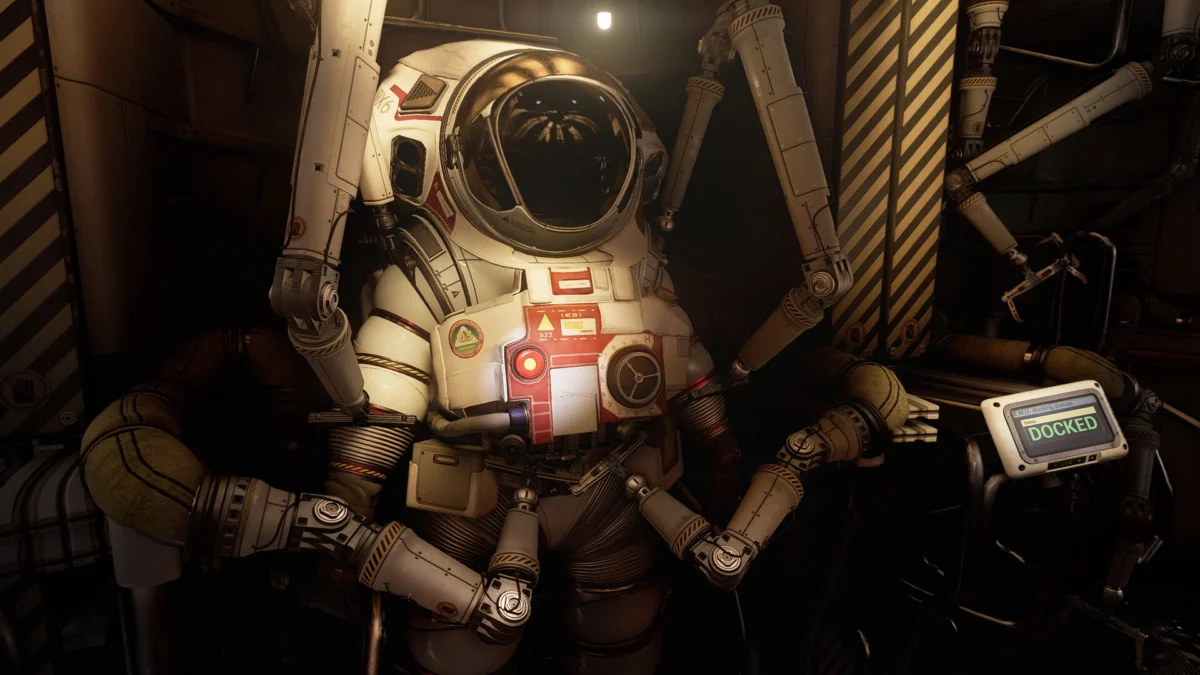
Ontos first captured the industry’s attention during a cinematic reveal at The Game Awards 2025. The trailer introduced a grim, atmospheric setting: a lunar hotel situated on the "edge of reality." The footage showcased the studio’s signature environmental storytelling, blending high-concept science fiction with an underlying sense of dread.
Perhaps the most significant revelation during the initial announcement was the involvement of award-winning actor Stellan Skarsgård. Known for his roles in Dune, Andor, and Chernobyl, Skarsgård’s participation signals a step forward in production values for Frictional. His inclusion suggests a heavy emphasis on character-driven drama and high-fidelity performance capture, elements that likely contribute to the extended development timeline.
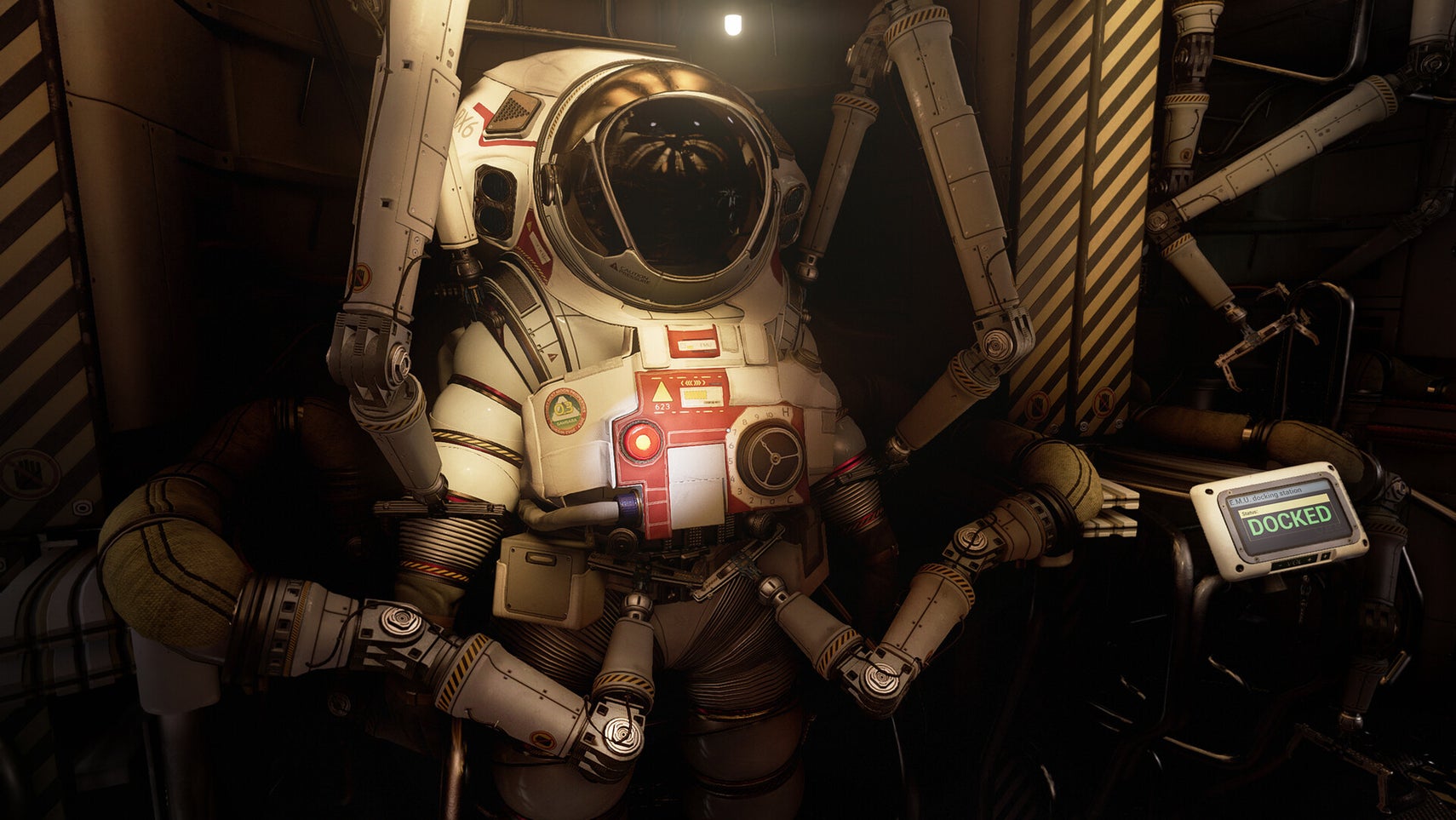
Frictional has described Ontos as a "spiritual successor" to Soma, their 2015 hit that explored themes of consciousness, identity, and artificial intelligence. While Soma was firmly rooted in the horror genre, Ontos is being positioned as a sci-fi mystery. This distinction is part of a broader strategic shift the studio announced several years ago, aiming to move away from "pure horror" to explore other narrative avenues while maintaining the immersive, first-person perspective they perfected with the Amnesia series.
A Chronology of Frictional Games and the Path to Ontos
To understand the significance of Ontos and its delay, one must look at the developmental trajectory of Frictional Games over the past two decades. The studio, based in Helsingborg, Sweden, has a history of taking measured risks that redefine player expectations.
- 2007–2008: The Penumbra Trilogy. Frictional established its core philosophy of physical interaction with the game world, eschewing traditional combat for physics-based puzzles and stealth.
- 2010: Amnesia: The Dark Descent. This title became a cultural phenomenon, credited with revitalizing the survival horror genre by removing the player’s ability to fight back, focusing instead on "sanity" mechanics and atmospheric tension.
- 2015: Soma. A pivot toward philosophical science fiction. While still containing horror elements, Soma was praised for its deep narrative and ethical questions, laying the groundwork for the "mystery" focus of Ontos.
- 2020–2023: Amnesia: Rebirth and Amnesia: The Bunker. These titles saw Frictional experimenting with more systemic gameplay. The Bunker, in particular, introduced semi-open-world elements and unscripted AI, a "tactile" approach that the studio is reportedly expanding upon in Ontos.
- 2024: The Strategic Pivot. Frictional announced it would "cut back a bit" on traditional horror to focus on games that feel like "Frictional games" but explore different emotional and intellectual spaces.
- 2025: Ontos Announcement. The project is revealed as the culmination of this new direction, featuring a larger scope and higher production values.
Technical Ambition and "Tactile" Gameplay
The term "tactile, systems-driven gameplay" has been used frequently by Frictional leadership to describe the core loop of Ontos. In the context of Frictional’s history, this refers to a high degree of environmental interactivity. Unlike many modern titles where interactions are handled via button prompts and pre-rendered animations, Frictional’s HPL Engine (named after H.P. Lovecraft) allows players to physically manipulate objects—pulling levers, rotating valves, and dragging furniture.
In Ontos, these systems are expected to be more integrated into the narrative mystery. The "lunar hotel" setting provides a confined yet complex environment where players must use their understanding of the world’s physical rules to progress. Reports from early development insights suggest that the game features a more robust simulation of life-support systems and lunar physics than previous titles, which adds a layer of technical complexity to the programming and QA (Quality Assurance) phases.
Industry insiders suggest that the move to 2027 may also be linked to the refinement of these systems. Creating a "mystery" game that relies on systemic interaction rather than scripted triggers is notoriously difficult; the developer must ensure that players can find clues and solve puzzles through multiple logical paths without breaking the narrative flow.
The Impact of Stellan Skarsgård and Narrative Complexity
The casting of Stellan Skarsgård marks a turning point for Frictional. Historically, the studio has relied on talented but lesser-known voice actors to carry its stories. Bringing in a Hollywood heavyweight suggests a narrative of significant complexity and gravitas.
Skarsgård’s character is rumored to be central to the mystery of the moon hotel, and the delay may involve the intricate process of integrating high-level performance capture into the game’s engine. Ensuring that the digital likeness and emotional nuances of a performer of Skarsgård’s caliber are preserved requires a level of polish that smaller indie projects rarely attempt. For Frictional, this is a gamble on elevating their storytelling to the "Prestige" level of gaming, rivaling the narrative depth found in titles from much larger studios.
Industry Context: The 2026 Crowded Window
The decision to delay Ontos does not exist in a vacuum. The year 2026 is projected to be one of the most competitive years in the current console generation (PlayStation 5 and Xbox Series X/S). With several major publishers aiming to release their flagship titles during that window, smaller "AA" studios like Frictional face the risk of being overshadowed.

By shifting to 2027, Frictional follows a growing trend of "strategic delays." Rather than rushing a product to meet an arbitrary deadline and risking a buggy launch—which can be devastating for an independent studio’s reputation—developers are increasingly opting for "polish periods." This trend has been bolstered by the success of games that took their time, such as Baldur’s Gate 3 and Alan Wake 2, both of which benefited from extended development cycles to ensure a high-quality day-one experience.
Expectations and Broader Implications
The delay of Ontos has sparked a variety of reactions within the gaming community. On platforms such as X (formerly Twitter) and Reddit, the sentiment among long-time Frictional fans remains largely supportive. Given the studio’s track record of delivering thought-provoking and polished experiences, most players appear willing to wait for a product that meets the developer’s internal standards.
However, the delay also highlights the challenges facing mid-sized independent studios. As player expectations for graphics, voice acting, and systemic complexity rise, the cost and time required to produce a "Frictional-style" game have increased exponentially. Ontos represents a test case for whether a studio known for niche horror can successfully pivot to high-concept sci-fi mystery on a larger scale.
From a business perspective, Frictional Games remains in a stable position. The enduring popularity of the Amnesia franchise and the long-tail sales of Soma provide a financial cushion that allows the studio the luxury of a delay. Furthermore, Sweden’s robust game development ecosystem, which includes giants like DICE and Massive Entertainment, continues to provide a wealth of talent for Frictional to draw upon as they enter the final years of production.
Looking Ahead to 2027
As Frictional Games retreats back into a period of focused development, the mystery of Ontos continues to grow. The studio has promised to share more updates regarding the game’s characters and world in the coming months. These updates will likely include deep dives into the setting of the lunar hotel and perhaps a more detailed look at how the "systems-driven" gameplay will function in practice.
For now, the 2027 release date stands as a marker of the studio’s commitment to quality over speed. If Ontos manages to capture the same existential dread and intellectual curiosity as Soma, while introducing the mechanical depth hinted at in the announcement, it may well define the next era of science fiction in interactive media. Frictional Games has spent nearly two decades teaching players to be afraid of the dark; with Ontos, they appear ready to teach players to be curious about the light—even if that light is coming from a lonely hotel on the edge of the moon.