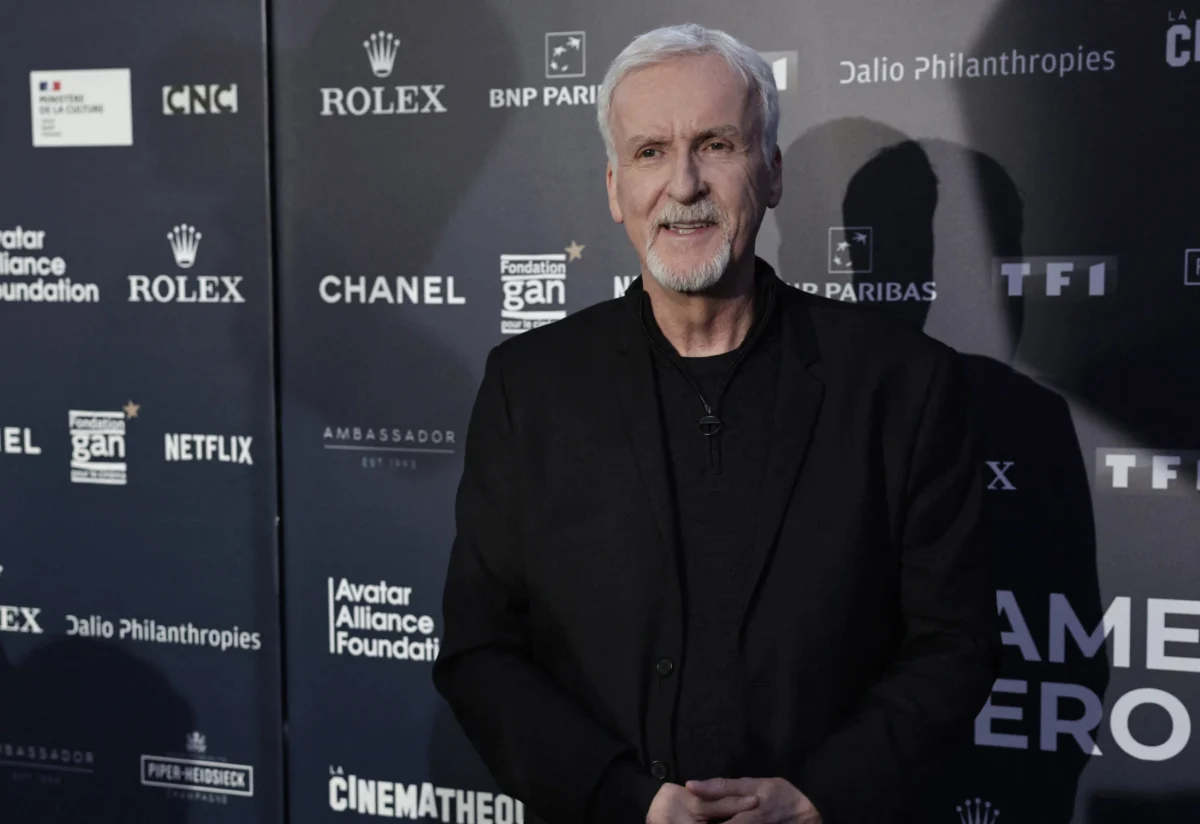
The legendary filmmaker James Cameron, the visionary behind some of the highest-grossing films in history, has formally intervened in the burgeoning regulatory debate surrounding Netflix’s proposed acquisition of Warner Bros. Discovery’s film studio and streaming assets. In a detailed letter addressed to Senator Mike Lee (R-Utah), Cameron characterized the potential merger as a catastrophic event for the theatrical industry, drawing an evocative parallel between the decline of the traditional cinema experience and a sinking ship. The letter, which was obtained by CNBC and follows a high-stakes Senate subcommittee hearing, marks an escalation in the resistance from the creative community against further consolidation within the media and entertainment sector.
The Senate Hearing and the Cameron Intervention
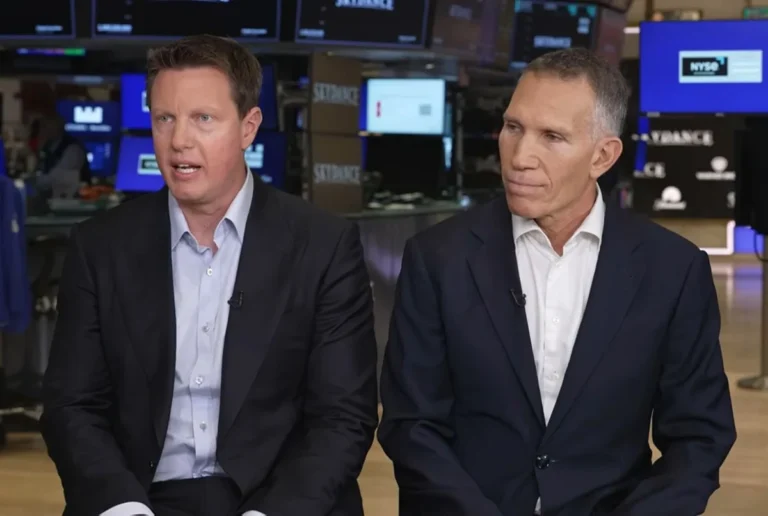
The controversy centers on a proposed multi-billion-dollar transaction that would see Netflix, the world’s dominant streaming platform, absorb the historic Warner Bros. film studio and its accompanying streaming service, Max. On February 3, the Senate Subcommittee on Antitrust, Competition Policy, and Consumer Rights convened a hearing to examine the competitive implications of the deal. The session featured testimony from Netflix co-CEO Ted Sarandos and Warner Bros. Discovery executive Bruce Campbell.
Following this hearing, James Cameron submitted his written concerns to Senator Lee, who chairs the subcommittee. Cameron, whose career has been defined by a commitment to the "big screen" experience through blockbusters like Titanic, Avatar, and Aliens, argued that the sale would fundamentally undermine the theatrical ecosystem. "I believe strongly that the proposed sale of Warner Brothers Discovery to Netflix will be disastrous for the theatrical motion picture business that I have dedicated my life’s work to," Cameron wrote. While acknowledging that his films eventually reach home video and streaming markets, he emphasized that his primary commitment remains the cinema.
Senator Lee responded to the outreach with a public statement, acknowledging that Cameron is not alone in his apprehension. "We have received outreach from actors, directors, and other interested parties about the proposed Netflix and Warner Brothers merger, and I share many of their concerns," Lee stated, indicating that a follow-up hearing would be necessary to address the escalating anxiety within Hollywood.
A Clash of Business Models: Theatrical vs. Digital-First
At the heart of Cameron’s argument is a fundamental philosophical and economic rift between the business model of a legacy studio and that of a Silicon Valley-born streaming giant. Warner Bros. Discovery currently operates as one of the "Big Five" major film studios, typically releasing approximately 15 theatrical films per year. These releases are the lifeblood of theater chains like AMC and Cinemark, providing the consistent volume of content required to keep the exhibition industry viable.
Cameron argued that Netflix’s core strategy is "directly at odds" with theatrical exhibition. He pointed to past comments made by Ted Sarandos, who has previously described movie theaters as an "outdated concept" and has informed investors that driving audiences to physical cinemas is not a priority for the company.
"The business model of Netflix is directly at odds with the theatrical film production and exhibition business, which employs hundreds of thousands of Americans," Cameron noted in his letter. He suggested that if a company that views theaters as "outmoded" gains control of one of the industry’s most prolific content engines, the result will be a reduction in the number of theatrical releases, a contraction of consumer choice, and a significant loss of jobs across the production and exhibition sectors.
Netflix’s Defense: Economic Growth and Job Preservation
In the face of mounting criticism from high-profile creators, Netflix has mounted a robust defense of the acquisition, framing it as an opportunity for revitalization rather than contraction. During recent earnings calls and the Senate hearing, Ted Sarandos described the deal as "pro-consumer, pro-innovation, and pro-worker."
Netflix’s formal written testimony outlined an ambitious economic plan, including a projected $20 billion investment in film and television production for 2026. The company claims that a majority of this capital will be spent within the United States, supporting domestic production hubs. Netflix highlighted its existing and upcoming infrastructure, such as its production facility in New Mexico and a massive planned studio in New Jersey, as evidence of its commitment to the American creative economy.
Addressing concerns about layoffs—which have plagued the media industry throughout the last two years—Sarandos insisted that the expertise of Warner Bros. staff is essential to Netflix’s expansion. "We’re going to need those teams, these folks that have extensive experience and expertise. We want them to stay on and run those businesses," Sarandos told lawmakers. "So we’re expanding content creation, not collapsing it in this transaction."

Furthermore, Netflix has offered a "theatrical pledge" to appease regulators and the creative guild. The company stated it plans to honor a 45-day theatrical window for Warner Bros. films before they transition to the Netflix platform. However, Cameron expressed deep skepticism regarding these verbal and written commitments, suggesting they are likely to "evaporate in a few years" once the acquisition is finalized and irrevocable.
The Broader Regulatory Landscape and Market Consolidation
The proposed merger is being scrutinized not just for its impact on movie theaters, but for its effect on the global streaming market. As of late 2025, Netflix reported approximately 325 million global subscribers. Warner Bros. Discovery’s Max service (formerly HBO Max) held 128 million subscribers as of September 30. A combination of these two entities would create a streaming titan with an unprecedented library of intellectual property, ranging from the DC Universe and Harry Potter to Netflix’s original hits like Stranger Things.
Critics and rival companies have raised alarms about the pricing power such a behemoth would wield. Paramount Skydance, currently engaged in a hostile tender offer to acquire Warner Bros. Discovery itself, has utilized these antitrust concerns as a primary argument to unseat Netflix’s bid. They argue that a Netflix-WBD tie-up would create a near-monopoly in the premium streaming space, leading to higher subscription costs for consumers and less leverage for independent producers.
Netflix executives have countered this by broadening the definition of their competitive set. Sarandos and co-CEO Greg Peters argue that Netflix does not just compete with other streaming services, but with all forms of entertainment, including traditional linear television, video games, and social media platforms like YouTube and TikTok. By this metric, Netflix argues its share of total "screen time" remains a relatively small part of the overall media ecosystem.
Cultural and Economic Implications for U.S. Exports
Cameron’s letter also touched upon a sensitive geopolitical and economic point: the status of the American film industry as a premier export. He noted that while the United States may have lost its dominance in sectors like automotive manufacturing or steel production, it remains the undisputed world leader in cinematic content.
Referencing recent shifts in trade policy and the focus on protecting American industries through tariffs and other measures, Cameron warned that a Netflix-controlled Warner Bros. could weaken this global standing. He argued that the reduction in high-quality theatrical spectacles—the primary driver of international box office revenue—would diminish the cultural and economic "soft power" of the United States.
"The US may no longer lead in auto or steel manufacturing, but it is still the world leader in movies," Cameron said. Under a Netflix-WBD merger, "That will change for the worse."
Timeline of Key Events in the Netflix-WBD Saga
The road to this potential merger has been marked by rapid corporate maneuvering and intense public debate:
- Late 2025: Rumors begin to circulate regarding Netflix’s interest in Warner Bros. Discovery’s studio assets as WBD seeks to manage significant debt loads.
- December 5, 2025: Reports emerge detailing Netflix’s formal proposal to acquire WBD’s studio and streaming divisions, sending shockwaves through Hollywood.
- December 8, 2025: Paramount Skydance launches a hostile tender offer for WBD, positioning itself as a "theatrical-friendly" alternative to Netflix.
- January 20, 2026: During a Q4 earnings call, Netflix leadership defends the deal as "pro-innovation" and vital for the industry’s survival in the digital age.
- February 3, 2026: The Senate Subcommittee on Antitrust, Competition Policy, and Consumer Rights holds a hearing. Ted Sarandos testifies, facing sharp questioning regarding Netflix’s past comments on the "outmoded" nature of theaters.
- February 2026: James Cameron’s letter to Senator Mike Lee is delivered, providing a high-profile critique of the merger’s long-term impact on the "theatrical experience."
Conclusion: The "Sinking Ship" Metaphor
James Cameron’s choice of words was intentionally cinematic, leaning on his history with the ill-fated RMS Titanic to illustrate the gravity of the situation. By calling the theatrical experience a "sinking ship" in the context of this merger, he has framed the regulatory decision as a choice between lifeboats for the industry or an irrevocable plunge into a digital-only future.
"Once they own a major movie studio, that is irrevocable," Cameron concluded in his letter. "That ship has sailed… I am very familiar not only with ships that sail, but also those that sink. And the theatrical experience of movies could become a sinking ship."
As the Senate subcommittee prepares for follow-up hearings and federal regulators at the Department of Justice and the Federal Trade Commission begin their own deep-dive reviews, the intervention of a figure as influential as Cameron ensures that the debate over the future of cinema will remain at the forefront of the national conversation. Whether Netflix’s promises of $20 billion in investment and 45-day theatrical windows will be enough to steady the "ship" remains the multi-billion-dollar question facing Washington and Hollywood alike.