


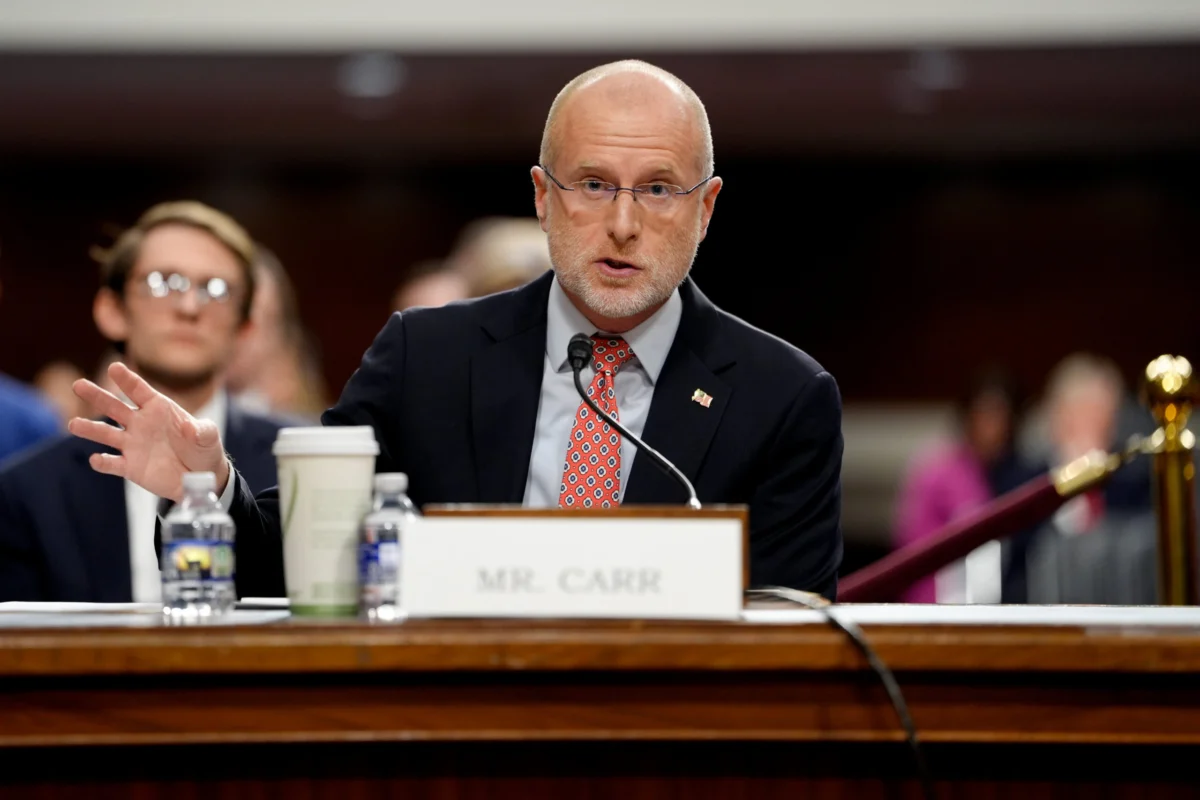
The Federal Communications Commission (FCC) has formally demanded an early review of the broadcast station licenses held by The Walt Disney Company, citing ongoing concerns regarding the media giant’s diversity, equity, and inclusion (DEI) initiatives. According to a letter issued Tuesday by FCC Chairman Brendan Carr, the agency is requiring Disney to file for early renewal of its ABC-owned television stations, a move that significantly accelerates a regulatory process that was not scheduled to occur for several years. The order represents a sharp escalation in the federal government’s oversight of corporate governance and content standards within the broadcast industry.
Under the directive, Disney has been given a 30-day window, expiring May 28, to submit renewal applications for eight major television stations. These licenses, which are typically renewed on an eight-year cycle, were originally slated for review between 2028 and 2031. The FCC’s intervention is specifically tied to an investigation launched last year into whether Disney’s DEI practices and corporate policies align with the public interest obligations and non-discrimination requirements mandated by federal law.
The Scope of the FCC Order and Targeted Stations
The FCC’s order specifically targets "owned and operated" stations, which are the cornerstone of the ABC television network’s terrestrial reach. The eight stations identified in the filing are located in some of the United States’ largest and most influential media markets. These include:
- WABC-TV (New York City, NY)
- KABC-TV (Los Angeles, CA)
- WLS-TV (Chicago, IL)
- WPVI-TV (Philadelphia, PA)
- KGO-TV (San Francisco, CA)
- KTRK-TV (Houston, TX)
- WTVD-TV (Raleigh-Durham, NC)
- KFSN-TV (Fresno, CA)
While the order impacts these primary assets, it does not currently extend to ABC’s affiliate stations. Affiliates are owned by third-party media conglomerates such as Nexstar Media Group, Sinclair Broadcast Group, and Gray Television, which operate under their own independent license renewal schedules. By focusing on Disney’s directly owned stations, the FCC is placing the regulatory spotlight squarely on the parent company’s internal corporate culture and operational mandates.
Background of the DEI Investigation
The move to accelerate license renewals is the latest development in an investigation that began in March of last year. At the heart of the probe is the Communications Act of 1934, which grants the FCC the authority to ensure that broadcast licensees serve the "public interest, convenience, and necessity." Central to this mandate is a prohibition on unlawful discrimination and a requirement that broadcasters maintain "character qualifications" suitable for the stewardship of public airwaves.
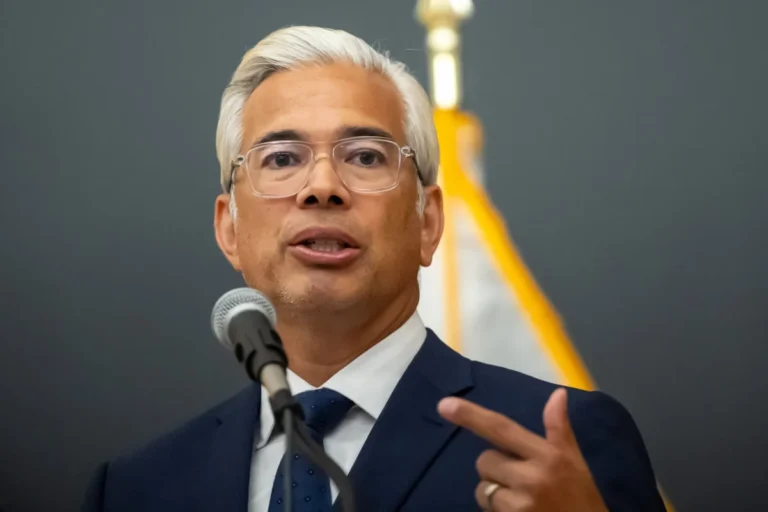
Chairman Brendan Carr, who was appointed to the commission by President Donald Trump and later elevated to the chairmanship, has been a vocal critic of corporate DEI programs. Carr and his supporters argue that certain DEI mandates may result in discriminatory hiring practices or the prioritization of ideological agendas over objective broadcasting. The FCC’s letter noted that while Disney has "purported to respond" to two previous inquiries regarding its DEI efforts, the agency has determined that the responses were insufficient, necessitating "further action."
Disney, for its part, has maintained that its programs are legal and designed to reflect the diversity of the American audience. In a statement released Tuesday, the company defended its record: "ABC and its stations have a long record of operating in full compliance with FCC rules and serving their local communities with trusted news, emergency information, and public-interest programming. We are confident that record demonstrates our continued qualifications as licensees under the Communications Act and the First Amendment."
Political Context and the Jimmy Kimmel Controversy
The FCC’s regulatory pressure arrives amid a period of intense friction between the ABC network and the executive branch. This week, President Donald Trump renewed his public criticism of the network following a controversial monologue by late-night host Jimmy Kimmel. During a broadcast of "Jimmy Kimmel Live!", the comedian referred to First Lady Melania Trump as an "expectant widow," a comment made just days before an alleged assassination attempt at the White House Correspondents’ Dinner.
The President has repeatedly called for ABC to remove Kimmel from the air, characterizing the network’s programming as biased and inflammatory. While the FCC is technically an independent agency, the timing of the license review has led many observers to suggest a correlation between the administration’s political rhetoric and the agency’s regulatory actions.
This is not the first time the network has faced such scrutiny. In September, the show was temporarily suspended following comments Kimmel made regarding conservative activist Charlie Kirk. At that time, Chairman Carr hinted that broadcast licenses could be subject to revocation if a broadcaster was found to be consistently failing its public interest obligations. The current order for early renewal provides a legal mechanism for the FCC to conduct a comprehensive audit of Disney’s operations long before the standard expiration dates.
Internal Dissent and Legal Challenges
The FCC’s decision has exposed a deep ideological rift within the commission itself. Commissioner Anna Gomez, a Democratic appointee, issued a stinging rebuke of the order on Tuesday. In a post on the social media platform X, Gomez described the move as "unprecedented, unlawful, and going nowhere." She characterized the investigation as a "political stunt" and urged media companies to challenge the FCC’s authority in court, asserting that "the First Amendment is on their side."
Legal experts and civil liberties advocates have also expressed alarm. Jameel Jaffer, Executive Director of the Knight First Amendment Institute at Columbia University, warned that using license renewals as a tool for political retribution sets a dangerous precedent.
"The FCC has no authority to cancel broadcasters’ licenses because of their perceived political views," Jaffer stated. "President Trump is trying to consolidate control over what Americans see and hear. If he gets his way, we’ll have only government-aligned media organizations. It would be difficult to imagine an outcome more corrosive to democracy."
A Broader Regulatory Trend
Disney is not the only media entity under the FCC’s microscope. Since Chairman Carr took the helm, the agency has expanded its scrutiny of the "Big Three" legacy media companies. Last year, the FCC initiated similar inquiries into Comcast, the parent company of NBCUniversal, and Paramount Global (prior to its merger with Skydance).
These investigations typically focus on the "Character Factor" of the licensing process. Under federal guidelines, the FCC can deny a license renewal if the applicant has engaged in conduct that suggests they lack the integrity to operate a broadcast station. Traditionally, this has been reserved for criminal convictions or fraudulent filings. However, the current administration’s focus on DEI suggests an attempt to expand the definition of "character" to include adherence to specific interpretations of non-discrimination and neutral broadcasting.
Timeline of Regulatory Escalation
- March 2024: FCC opens an initial inquiry into Disney/ABC’s DEI practices, citing potential violations of the Communications Act.
- September 2024: Jimmy Kimmel faces temporary suspension after comments regarding Charlie Kirk; Chairman Carr mentions license revocation as a potential regulatory tool.
- February 2025: FCC expands DEI investigations to include Comcast and Paramount.
- April 2025: President Trump criticizes ABC over Melania Trump monologue; calls for Kimmel’s termination.
- April 29, 2025: FCC Chairman Brendan Carr issues a letter ordering Disney to file for early license renewals for eight stations by May 28.
Analysis of Potential Implications
The requirement for early renewal places Disney in a precarious position. A standard renewal is often a pro-forma administrative process. However, an "accelerated review" allows for a discovery phase where the FCC can demand internal documents, hiring records, and communications regarding content strategy.
If the FCC finds that Disney’s DEI policies constitute a violation of federal rules, the agency could theoretically impose heavy fines, mandate changes to corporate policy, or, in the most extreme scenario, refuse to renew the licenses. Such a refusal would force Disney to sell its stations, effectively dismantling the ABC network’s ability to reach millions of households through traditional broadcast signals.
Furthermore, this move may trigger a significant legal battle. Disney has already indicated it is prepared to defend its licenses through "appropriate legal channels," likely invoking First Amendment protections. Constitutional scholars suggest that if the FCC attempts to link license status to the content of a late-night comedy show or the implementation of diversity programs, the case could reach the Supreme Court, potentially redefining the government’s power to regulate the media industry for the 21st century.
As the May 28 deadline approaches, the media industry will be watching closely. The outcome of this review will not only determine the future of ABC’s flagship stations but will also serve as a barometer for how corporate DEI initiatives and political speech will be treated by federal regulators in the years to come.