


The short film Extracurricular Activity, a collaborative directorial effort by Dean Wei and Xu Yidan, has emerged as a significant work within the independent film circuit, offering a nuanced exploration of youthful irresponsibility and its cascading consequences. The film, distributed by Dogme23, delves into a complex interpersonal dynamic, centering on a young woman caught in the emotional and practical fallout of a clandestine relationship. Wei, a German-born filmmaker with a background in cinematography from the Beijing Film Academy, brings his visual acumen to the project, while Yidan, a recent graduate of the same esteemed institution, infuses the narrative with a fresh perspective. Both directors are currently based in Beijing, with Wei also actively working as a composer and cinematographer.
The film’s narrative unfolds with a deliberate sense of unease, beginning in darkness as the camera navigates an interior space. This atmospheric opening immediately establishes a tone of transgression and secrecy, culminating in the discovery of a couple engaged in an intimate act by a window. The visual motif of reflection, with their forms mirrored in the glass juxtaposed against the organic shapes of tree branches outside, serves as an early indicator of the film’s sophisticated visual language and thematic preoccupations. The act itself is revealed to be a furtive encounter, with the young woman having entered the young man’s residence without his mother’s knowledge. The palpable fear of discovery underscores the precariousness of their situation.
The tension escalates dramatically with the mother’s eventual discovery of the lovers. This pivotal moment triggers an "awkward and tense interaction," as described, initially confined to the young man’s bedroom before shifting to the shared domestic space of the family bathroom. This progression through different areas of the house visually maps the escalating conflict and the encroachment of the clandestine into the domestic sphere. The dialogue, or rather the lack thereof from the protagonists, becomes a powerful tool in conveying the emotional weight of these encounters. The film’s strength lies in its ability to communicate profound unease and unspoken anxieties through visual cues and pregnant silences, a testament to Wei and Yidan’s directorial prowess.
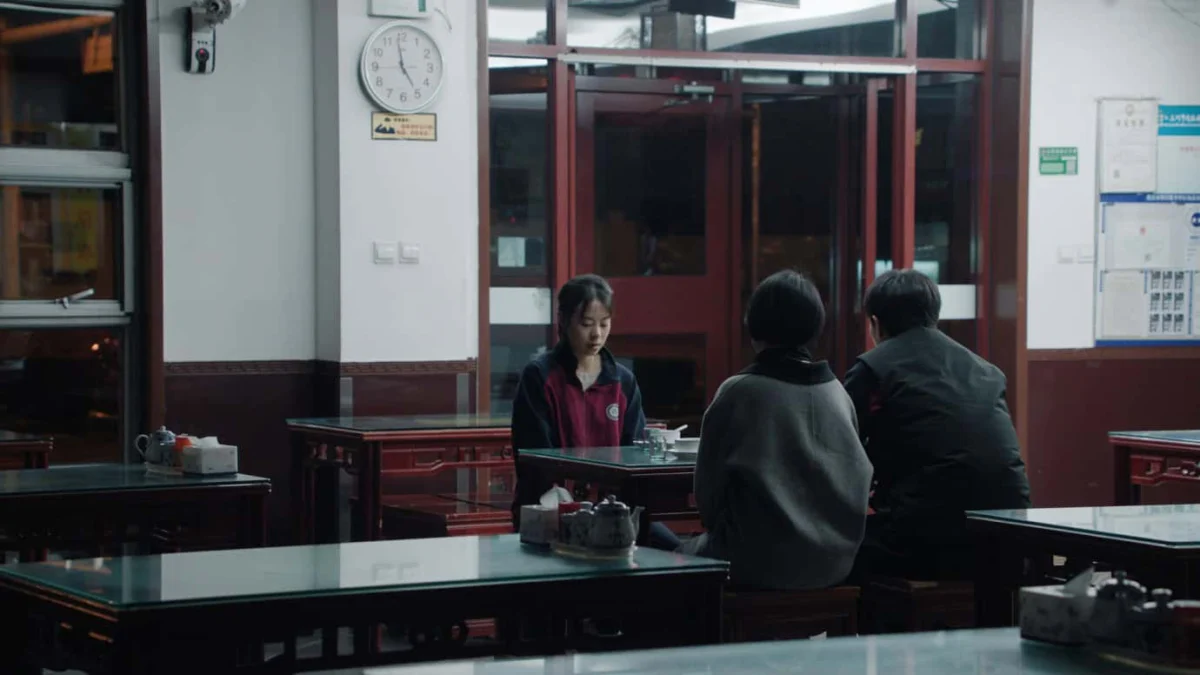
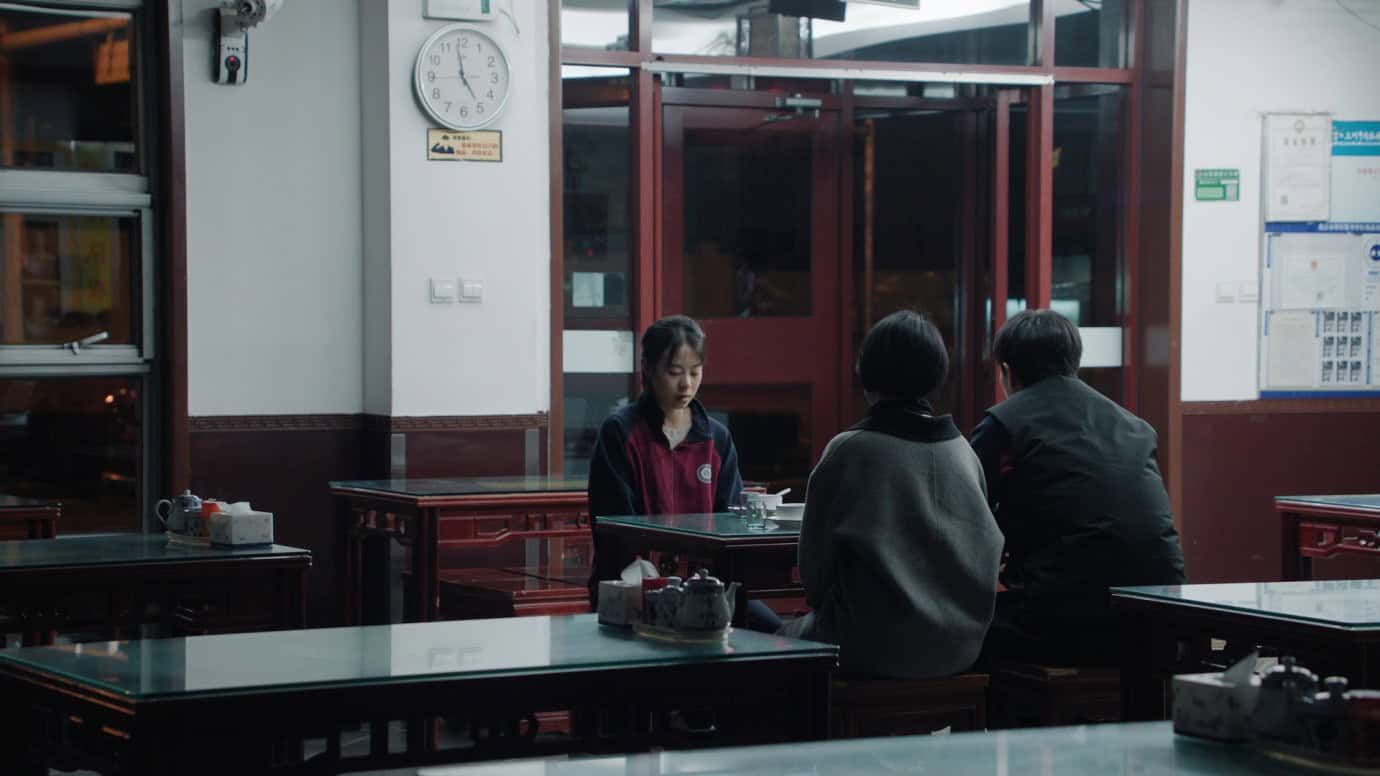
The narrative trajectory then follows the unconventional trio as they embark on a shared journey. The mother, embodying a surprising assertiveness, takes them first to a pharmacy, a clear indication of a need for contraception, and subsequently to a diner. This sequence highlights the mother’s proactive, albeit perhaps uninvited, involvement in managing her son’s affairs and the consequences of his actions. Throughout this excursion, the young woman’s mother is depicted as being persistently concerned, her calls underscoring the broader social and familial implications of the situation. The mother’s intensity regarding the efficacy of the morning-after pill further emphasizes the gravity of the young couple’s predicament and the mother’s forceful intervention.
Dean Wei and Xu Yidan’s direction is characterized by a sustained sense of tension that permeates the film from its opening frames. This tension is largely communicated through the protagonists’ reticence, a deliberate choice that amplifies the emotional stakes. The young woman, portrayed by Yidan herself, is shown to be largely compliant, executing the mother’s directives as if to compensate for her son’s perceived irresponsibility. Yidan’s laconic demeanor as an actress further accentuates this dynamic, making her discomfort and nascent anger palpable. The mother’s veiled suggestions regarding the young woman’s parents add another layer of psychological pressure, hinting at potential repercussions beyond the immediate family unit.
A central theme that emerges with increasing clarity is the profound immaturity of the son. His lack of agency, will, and even vocal contribution to the unfolding events is depicted with stark, painful honesty. A particularly poignant scene involving his hands in the car serves as a visual metaphor for Yidan’s evolving perception of him, suggesting a growing disillusionment after the consequences of their actions have become apparent. The film can be interpreted as a sharp critique of male adolescent irresponsibility, contrasting it with the perceived strength and decisiveness of the female characters. The mother, in her assertive management of the situation, and the young woman, bearing the brunt of the emotional and practical fallout, are presented as the primary agents navigating this complex terrain.
The film’s thematic resonance is significantly amplified by the compelling performances of its female cast. Tu Ling, in her portrayal of the mother, delivers a performance steeped in authority and a clear-eyed understanding of her son’s shortcomings. Her conviction in his inadequacy is conveyed with remarkable nuance. Xu Yidan, as the titular character, also delivers a powerful performance, masterfully conveying her discomfort, angst, and burgeoning anger through subtle facial expressions and body language. Her ability to communicate a wealth of internal turmoil without relying on dialogue is a significant achievement, further solidifying her as a rising talent in the film industry.
Extracurricular Activity also excels in its technical execution, a domain where the collaborative strengths of Wei and Yidan are particularly evident. The cinematography, credited to Fang Jiacheng, is consistently impressive. The recurring motif of "double frames," such as the juxtaposition of the lovers by the window with the external tree branches, and the son within an aquarium with the mother moving through the house, adds a layer of visual sophistication and thematic depth. The judicious use of close-ups enhances the film’s aesthetic appeal without becoming gratuitous, drawing the viewer into the emotional states of the characters. The scenes set within the car are particularly effective, allowing each protagonist to command attention and reveal their internal struggles. Dean Wei’s editing contributes to a relatively brisk pace that effectively propels the narrative forward while simultaneously allowing for moments of reflection and implication. This intelligent approach avoids over-explaining the plot, trusting the audience to infer the underlying complexities, a hallmark of confident filmmaking.
The distribution of Extracurricular Activity by Dogme23, a platform known for supporting independent and experimental cinema, further underscores its artistic merit and its potential to reach a discerning audience. Dogme23’s commitment to showcasing diverse voices and unconventional narratives positions Extracurricular Activity within a broader context of contemporary independent filmmaking. Information regarding its availability and further details can be found on the Dogme23 website, with a specific promotional image for the film also circulating online, indicating a focused effort to garner attention for this emerging work.
In conclusion, Extracurricular Activity stands as a remarkably well-executed short film that transcends its concise runtime to deliver a potent social commentary. Its intelligent narrative, coupled with exceptional technical craftsmanship and compelling performances, particularly from its female leads, marks it as a significant contribution to the independent film landscape. The film’s success lies in its ability to provoke thought and discussion on themes of responsibility, maturity, and the often-unseen consequences of youthful indiscretions, all while showcasing the considerable talents of its directors, cast, and crew. The film’s ability to resonate with audiences and critics alike is a testament to the power of concise, impactful storytelling executed with artistic vision and technical precision. The collaborative synergy between Dean Wei and Xu Yidan has resulted in a work that is both aesthetically engaging and thematically profound, solidifying its place as a noteworthy achievement in contemporary short filmmaking.