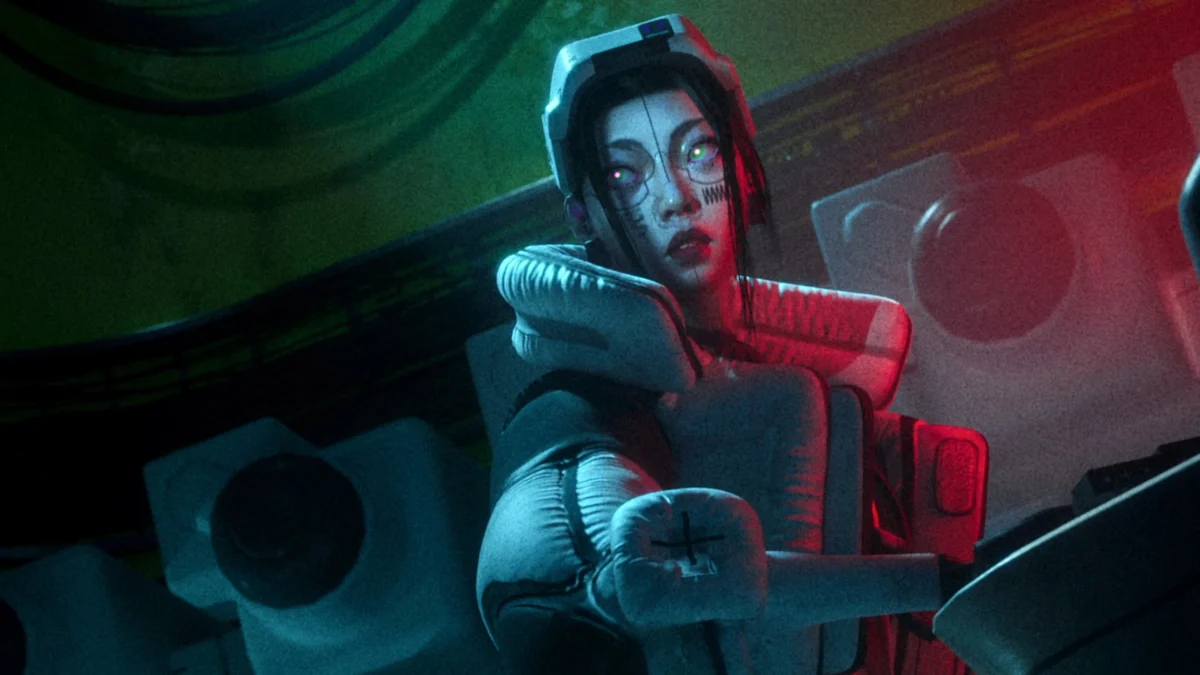
Bungie has confirmed a robust, multi-year roadmap for its upcoming extraction shooter, Marathon, signaling a long-term commitment to the title’s narrative and mechanical evolution. In a recent disclosure regarding the game’s development trajectory, Creative Director Julia Nardin revealed that the studio has already established a clear direction for the game’s story spanning several years. This strategic planning aims to balance a cohesive overarching plot with the flexibility required of a modern live-service title, ensuring that player actions and community feedback can influence the unfolding drama of Tau Ceti.
The announcement comes at a pivotal moment for Bungie, which is transitioning into a multi-franchise studio under the Sony Interactive Entertainment umbrella. As the gaming industry increasingly leans toward persistent online worlds, Bungie’s approach to Marathon suggests a desire to move beyond the traditional "one-and-done" release model, favoring a living narrative that rewards long-term engagement while remaining accessible to a revolving door of new players.
A Dynamic Narrative Framework on Tau Ceti
The core of Marathon’s narrative strategy revolves around the concept of a persistent, evolving world. Julia Nardin emphasized that while the studio has a definitive plan for where the story is headed, the framework is not "locked in" to the point of being rigid. Instead, Bungie intends to treat the player base as a co-author of the experience. This methodology mirrors the studio’s previous success with Destiny 2, where world events and seasonal shifts often reflect the collective progress and choices of the community.
"It’s important to us that our players be able to help shape it," Nardin stated during an interview with GamesRadar+. This collaborative approach is designed to foster a sense of agency among "Runners"—the cybernetic mercenaries players control—making the stakes of each extraction feel personal and globally significant.
A major hurdle for many live-service games is the "barrier to entry" that grows higher as a game ages. To combat this, Nardin noted that Bungie is designing Marathon so that every season serves as a viable entry point. The objective is to allow newcomers to experience the present-day conflicts of the colony on Tau Ceti without feeling alienated by years of missed lore. The mystery of the planet’s past remains a permanent fixture, discoverable at any pace, while the active narrative continues to push forward.
The Evolution of the Marathon Intellectual Property
The current iteration of Marathon is a reimagining of one of Bungie’s most foundational franchises. The original Marathon trilogy, released between 1994 and 1996 for the Apple Macintosh, was a pioneer in the first-person shooter genre, introducing vertical aiming, dual-wielding, and a deep, terminal-based narrative that predated the studio’s work on Halo.
The transition from a linear, single-player-focused shooter to a high-stakes PvP (Player vs. Player) extraction shooter represents a significant shift in design philosophy. In the new Marathon, players compete for resources, artifacts, and gear in a hostile environment where death can result in the loss of valuable equipment. This "extraction" loop is a departure from the "looter-shooter" mechanics of Destiny, focusing more on tension, risk management, and tactical positioning.
The development of the new Marathon has not been without its challenges. Since its reveal at the 2023 PlayStation Showcase, the project has seen leadership changes, including the appointment of Joe Ziegler—formerly of Riot Games’ Valorant—as the game’s director. This move was widely interpreted by industry analysts as a sign that Bungie is prioritizing competitive integrity and long-term balance in the game’s ecosystem.
Gameplay Mechanics and Meta-Stability
Recent player feedback indicates that the community is responding positively to Bungie’s iterative design process. Despite being in a pre-launch or limited-access phase depending on the region and testing bracket, the "mid-season" updates have already begun to showcase how the studio handles game balance.
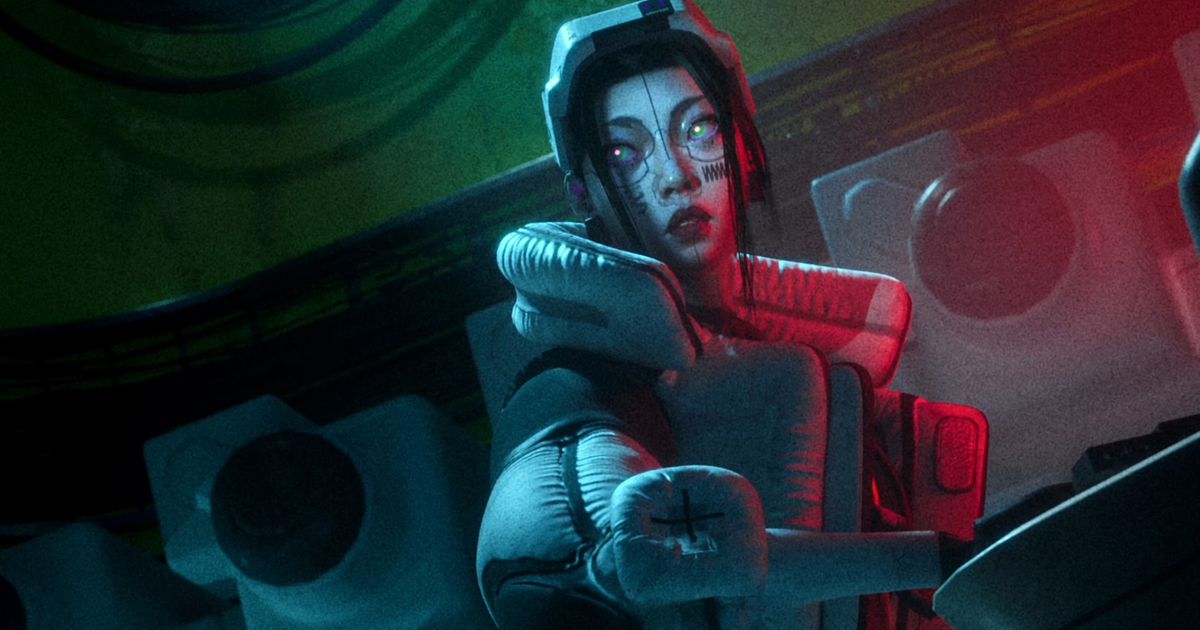
A recent point of contention involved "grenade spam," a tactic that threatened to undermine the tactical depth of the game’s combat. Bungie moved quickly to implement nerfs, adjusting cooldowns and damage profiles to ensure that gunplay remains the primary driver of engagement. This rapid response is indicative of the studio’s intent to maintain a healthy competitive environment from the outset.
Furthermore, the introduction of the "free-sponsored kit" limited-time mode has proven to be a successful experiment in player retention. By providing players with pre-configured equipment sets, the mode lowers the "gear fear" often associated with the extraction genre, allowing players to focus on learning map layouts and combat mechanics without the immediate threat of losing their hard-earned inventory. This mode serves as a bridge for casual players to transition into the more hardcore aspects of the Marathon experience.
Technical and Aesthetic Prowess
Visually, Marathon has distinguished itself through a "beautifully brutal" aesthetic that eschews the gritty, militaristic realism common in the extraction genre. The game utilizes a high-contrast, graphic-novel-inspired art style characterized by bold colors and clean lines. This visual identity is not merely for show; it serves a functional purpose in a competitive shooter, aiding in player visibility and environmental navigation.
The "Shells"—the bodies that Runners inhabit—are central to both the gameplay and the aesthetic. These cybernetic chassis allow for a high degree of customization, both functionally and cosmetically. From a technical standpoint, Bungie is leveraging its proprietary Tiger Engine, optimized for low-latency networking and high-fidelity physics, to ensure that the "feel" of the combat matches the high standards set by their previous titles.
Strategic Implications for Bungie and Sony
The success of Marathon is of paramount importance to Sony Interactive Entertainment’s broader live-service strategy. Following Sony’s $3.6 billion acquisition of Bungie in 2022, the studio was positioned as a consultant and leader for Sony’s internal live-service initiatives. Marathon represents the first major test of this partnership outside of the established Destiny universe.
Industry data suggests that the extraction shooter market is becoming increasingly crowded, with competitors like Escape from Tarkov, Hunt: Showdown, and upcoming titles from major publishers vying for dominance. However, Bungie’s expertise in "gun feel"—the intangible quality of weapon feedback and movement—gives Marathon a distinct advantage. If Bungie can successfully marry its world-class combat mechanics with a compelling, multi-year narrative, Marathon could become a cornerstone of the PlayStation ecosystem.
Chronology of Development and Public Milestones
To understand the current state of Marathon, it is helpful to look at the timeline of its development:
- May 2023: Marathon is officially announced at the PlayStation Showcase with a cinematic trailer that emphasizes the game’s bold art style and extraction-based gameplay.
- Late 2023: Internal shifts occur as Joe Ziegler takes over as Game Director, bringing a focus on competitive systems.
- Early 2024: Bungie begins more rigorous playtesting, focusing on "Core Gameplay Loops" and technical stability.
- Mid-2024: The studio begins sharing more candid insights into the game’s narrative structure and seasonal plans, addressing community concerns regarding the transition from the 1994 original.
- Current Phase: The focus has shifted to balancing the "meta" (such as the recent grenade adjustments) and testing temporary modes to gauge player interest in various progression systems.
The Road Ahead: Tau Ceti and Beyond
As Bungie looks toward the official launch and the years of content that will follow, the focus remains on the "Runner" experience. The lore of Tau Ceti—a planet once home to a thriving colony that vanished under mysterious circumstances—provides a rich canvas for environmental storytelling. Players will find themselves navigating the ruins of this civilization, piecing together the events that led to its downfall while fending off rival Runners and hostile AI entities.
The studio’s commitment to a multi-year story suggests that the mystery of Tau Ceti will not be solved in a single season. Instead, it will be a slow-burn narrative, with each update peeling back a layer of the planet’s history. This approach ensures that the game remains relevant not just as a mechanical challenge, but as a fictional world that players want to inhabit.
In conclusion, Marathon is positioning itself as more than just another entry in a popular genre. By combining Bungie’s storied history of narrative depth with a modern, player-centric live-service model, the game aims to redefine what an extraction shooter can be. With a clear roadmap, a commitment to balance, and a visual style that stands alone in the industry, Marathon appears prepared to run for a very long time. As Julia Nardin and her team continue to refine the experience, the gaming world watches to see if this reimagined classic can capture the lightning in a bottle that has defined Bungie’s legacy for three decades.