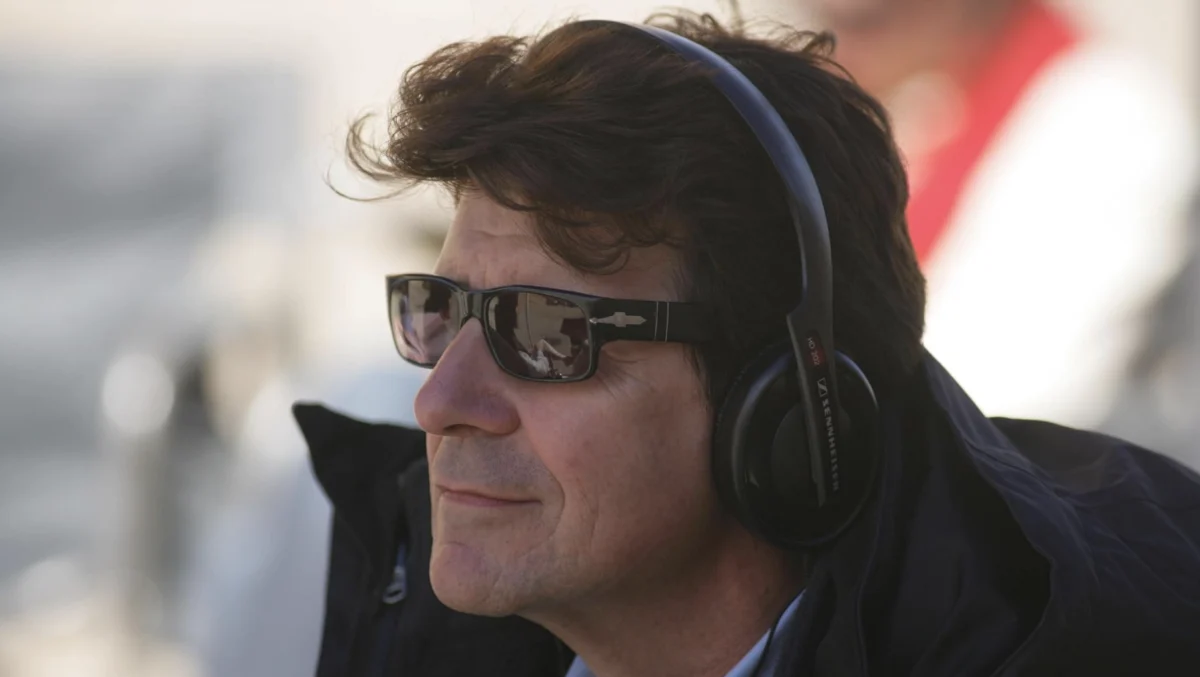
The entertainment industry mourns the passing of John Kirby, a revered acting coach whose profound influence shaped numerous performances across film and television. Kirby, the son of veteran actor Bruce Kirby and brother to the late Bruno Kirby, died Wednesday at the age of 75, three years after receiving a diagnosis of Amyotrophic Lateral Sclerosis (ALS), a debilitating neurodegenerative disease. His death was officially confirmed by his associate, Nathan Besbitt, who conveyed the heartbreaking news via Instagram, underscoring the profound loss felt by those close to him and the wider acting community.
A Devastating Loss Confirmed
Nathan Besbitt’s Instagram announcement on the morning of Wednesday, July 15, conveyed the raw grief surrounding Kirby’s passing. "I am here to officially, with a broken heart, announce the passing of our beloved John on the early morning hours of Wednesday, July 15, and it has been devastating for all of us, and we’re trying to just find a way to cope," Besbitt shared, reflecting the deep personal and professional void left by Kirby’s absence. The confirmation brought a somber note to a community that had admired Kirby’s dedication to his craft and his unwavering commitment to his students. His passing marks the end of a life dedicated to nurturing talent and elevating the art of acting, a career that spanned decades and touched countless lives within Hollywood’s intricate ecosystem.
The Kirby Legacy: A Family Immersed in Entertainment
John Kirby was not merely a talented coach but also a member of a distinguished family deeply entrenched in the entertainment world, a lineage that undoubtedly influenced his path and perspective. His father, Bruce Kirby, was a prolific character actor with a career spanning over six decades. Bruce Kirby, who passed away in 2021 at the age of 92, was instantly recognizable for his roles in iconic television series such as "Columbo," "MAS*H," "The Rockford Files," and "L.A. Law," often portraying policemen, judges, or working-class figures with a distinctive gravitas. His film credits included "The Muppet Movie" and "Stand by Me." Growing up with a father who embodied the dedication and versatility of a working actor provided John with an intimate understanding of the craft from an early age, likely fostering his own passion for performance and its nuanced delivery.
John’s younger brother, Bruno Kirby, also carved out a memorable career as an actor, known for his dynamic and often comedic supporting roles. Bruno, who tragically died in 2006 at the age of 57 from complications related to leukemia, left an indelible mark with his performances in films like "When Harry Met Sally…" (as Billy Crystal’s best friend Jess), "Good Morning, Vietnam" (as Lt. Steven Hauk), "City Slickers" (as Ed Furillo), and "The Godfather Part II" (as the young Clemenza). The collective contributions of the Kirby family—Bruce’s enduring presence, Bruno’s vibrant characterizations, and John’s behind-the-scenes mentorship—underscore a significant, multi-generational impact on American film and television, establishing the Kirby name as one synonymous with dedication to the performing arts.
The Art of Coaching: John Kirby’s Approach to Performance
In the complex world of Hollywood, acting coaches like John Kirby play a pivotal, though often unsung, role. They are the architects behind many memorable performances, guiding actors through character development, emotional excavation, and technical precision. A truly effective acting coach serves as a mentor, confidante, and artistic partner, helping performers unlock deeper truths and bring authenticity to their roles. While the specifics of Kirby’s coaching philosophy are not widely publicized, the consistent quality of the performances he helped shape, particularly his extensive collaboration with Jim Caviezel, suggests a method rooted in profound character analysis, emotional honesty, and a meticulous approach to script interpretation.
Kirby likely emphasized the importance of psychological immersion, helping actors understand the motivations, fears, and desires that drive their characters. His work would have involved honing techniques for physical embodiment, vocal delivery, and the nuanced expressions that distinguish a compelling performance. The longevity of his career and the caliber of projects he contributed to indicate a coach who was not only highly skilled but also deeply trusted by the actors he worked with, a testament to his professionalism and his ability to elicit the best from his students. He operated in an essential capacity, fostering the raw talent of actors and refining it into the polished performances audiences see on screen.
A Long-Standing Partnership: John Kirby and Jim Caviezel
One of the most enduring and significant professional relationships in John Kirby’s career was his extensive collaboration with actor Jim Caviezel. Their partnership spanned nearly two decades and more than a dozen projects, a remarkable testament to the deep trust and mutual respect between them. This long-standing alliance highlights Kirby’s consistent ability to support and enhance Caviezel’s work across a diverse range of roles, from intense dramas to historical epics.
Their work together began in 2000 with two significant films: Frequency and Pay It Forward. In Frequency, a sci-fi drama, Caviezel played John Sullivan, a detective who communicates with his deceased father across time. Kirby’s coaching would have been crucial in helping Caviezel navigate the complex emotional landscape of grief, longing, and the profound impact of altering fate. In Pay It Forward, a social drama, Caviezel played Jerry, a drug addict attempting to turn his life around, a role requiring significant emotional vulnerability and a nuanced portrayal of redemption.
The collaboration continued with:
- Angel Eyes (2001): Caviezel played Catch, a mysterious man who helps a police officer (Jennifer Lopez) cope with trauma, demanding a performance steeped in quiet intensity and empathy.
- The Count of Monte Cristo (2002): As Edmond Dantès, Caviezel undertook a physically and emotionally demanding role, transforming from an innocent young man to a vengeful, sophisticated count. Kirby’s guidance would have been vital in portraying this epic journey of suffering, transformation, and meticulous revenge.
- High Crimes (2002): A legal thriller where Caviezel played Tom Kubik, a military operative.
- I Am David (2003): Caviezel played a minor but pivotal role as a man helping a young boy escape a communist regime, requiring a subtle yet powerful presence.
- The Final Cut (2004): A sci-fi thriller where Caviezel played Fletcher, a "cutter" who edits people’s lives for posthumous viewing, exploring themes of memory and morality.
- Bobby Jones: Stroke of Genius (2004): Caviezel portrayed legendary golfer Bobby Jones, a role requiring not only physical accuracy but also capturing the internal struggles and perfectionism of a historical figure.
- Unknown (2006): A psychological thriller featuring Caviezel as one of five men who wake up in a locked warehouse with amnesia, requiring a performance built on disorientation and suspense.
- Paul, Apostle of Christ (2018): One of their later collaborations saw Caviezel take on the challenging role of Luke, documenting the life of Paul. This required profound spiritual depth and historical authenticity, elements where a coach’s insights would be invaluable.
Beyond these films, Kirby also served as Caviezel’s acting coach for the 2009 miniseries The Prisoner, a reimagining of the classic British series, where Caviezel played the enigmatic lead, Number Six. This extensive filmography with a single actor underscores the profound trust and synergy between Kirby and Caviezel, demonstrating Kirby’s ability to consistently contribute to powerful and believable performances across a wide spectrum of genres and character demands.
A Diverse Portfolio of Coaching Credits
John Kirby’s influence extended far beyond his work with Jim Caviezel, encompassing a broad array of film and television projects that showcase his versatility and the trust placed in his expertise by various productions. His additional coaching credits highlight his ability to adapt his methods to different genres, scales, and directorial visions, from family-friendly fantasies to gritty dramas and teen comedies.
Notable among these include:
- Peter Pan (2003): A live-action adaptation of the classic tale, a film that required actors to embody fantastical characters with genuine emotion and childlike wonder.
- The Chronicles of Narnia: The Lion, the Witch and the Wardrobe (2005): A major fantasy epic that demanded convincing performances from both young and adult actors in a magical world. Kirby’s guidance would have been critical in grounding these fantastical elements in relatable human experience.
- Outlander (television series): A critically acclaimed historical drama with fantasy elements, known for its complex characters and intense emotional narratives. Coaching for such a series would involve deep character work and historical accuracy.
- Hotel California (film): Details on this specific project are less widely known, but it signifies his involvement in various independent or smaller-scale productions.
- Scream 4 (2011): Part of the iconic horror franchise, this film required actors to balance horror tropes with dramatic intensity and comedic timing.
- Stick It (2006): A teen sports comedy-drama centered on gymnastics, demanding performances that blend athletic realism with youthful angst and humor.
- Prom (2011): A romantic comedy focused on the high school prom experience, requiring actors to portray authentic teenage emotions and relationships.
This diverse list demonstrates that John Kirby was a sought-after coach across Hollywood, capable of working with actors of varying experience levels and on projects with vastly different tones and requirements. His contribution, though often behind the scenes, was integral to the authentic and compelling performances delivered in these productions.
The Battle with ALS: A Timeline of Courage and Community Support
John Kirby’s final years were marked by a courageous battle against Amyotrophic Lateral Sclerosis (ALS), a progressive neurodegenerative disease that affects nerve cells in the brain and spinal cord, leading to loss of muscle control. The disease gradually weakens muscles, impacting an individual’s ability to move, speak, eat, and eventually breathe, while typically leaving cognitive function intact. It is a diagnosis that profoundly alters one’s life, and the lives of those around them.
Kirby was diagnosed with ALS on June 7, 2023, though he had been experiencing symptoms for approximately a year prior to the official diagnosis. The critical turning point leading to his diagnosis occurred just days before, on June 1, 2023, when he suffered a hard fall that resulted in a hip fracture. This incident prompted medical investigations that ultimately revealed the underlying cause of his deteriorating physical condition.
The news of his diagnosis rallied support from the entertainment community, particularly from Jim Caviezel, who spearheaded a fundraising campaign titled "Jim Caviezel for John Kirby ALS Battle Costs" through the Hark-ALS organization. This initiative provided crucial financial assistance for Kirby’s medical care, adaptive equipment, and the extensive support services required by individuals living with ALS. The outpouring of generosity underscored the deep respect and affection held for Kirby, reflecting the impact he had on countless individuals throughout his career. His journey with ALS was a testament to his resilience, even as the disease progressively challenged his physical capabilities.
A Lasting Legacy and Public Commemoration
John Kirby’s passing leaves a significant void in the world of acting mentorship, but his legacy as a dedicated coach, a supportive colleague, and a member of a celebrated acting family will undoubtedly endure. He was one of those essential, often uncredited, figures whose work profoundly elevates the quality of storytelling and performance in film and television. His commitment to authenticity and emotional truth helped actors navigate complex roles, bringing depth and credibility to their characters.
To honor his life and contributions, a celebration of life will be held on August 15 at the Hall of Liberty Forest Lawn Hollywood Hills. The event is open to the public, providing an opportunity for family, friends, former students, and admirers to gather, share memories, and pay their respects to a man who dedicated his life to the art of acting and the development of talent. Such public commemorations serve not only as a moment of collective grieving but also as an affirmation of the profound impact an individual can have on their chosen field and the wider cultural landscape.
John Kirby’s career serves as a powerful reminder of the vital role played by "unsung heroes" in Hollywood – the coaches, teachers, and mentors who work diligently behind the scenes. While actors often receive the accolades, it is the collaborative effort and expert guidance of individuals like Kirby that often unlock the full potential of a performance. His life’s work will continue to resonate through the countless actors he guided and the memorable performances he helped bring to the screen, ensuring that his influence remains a quiet, yet powerful, force in the annals of entertainment.