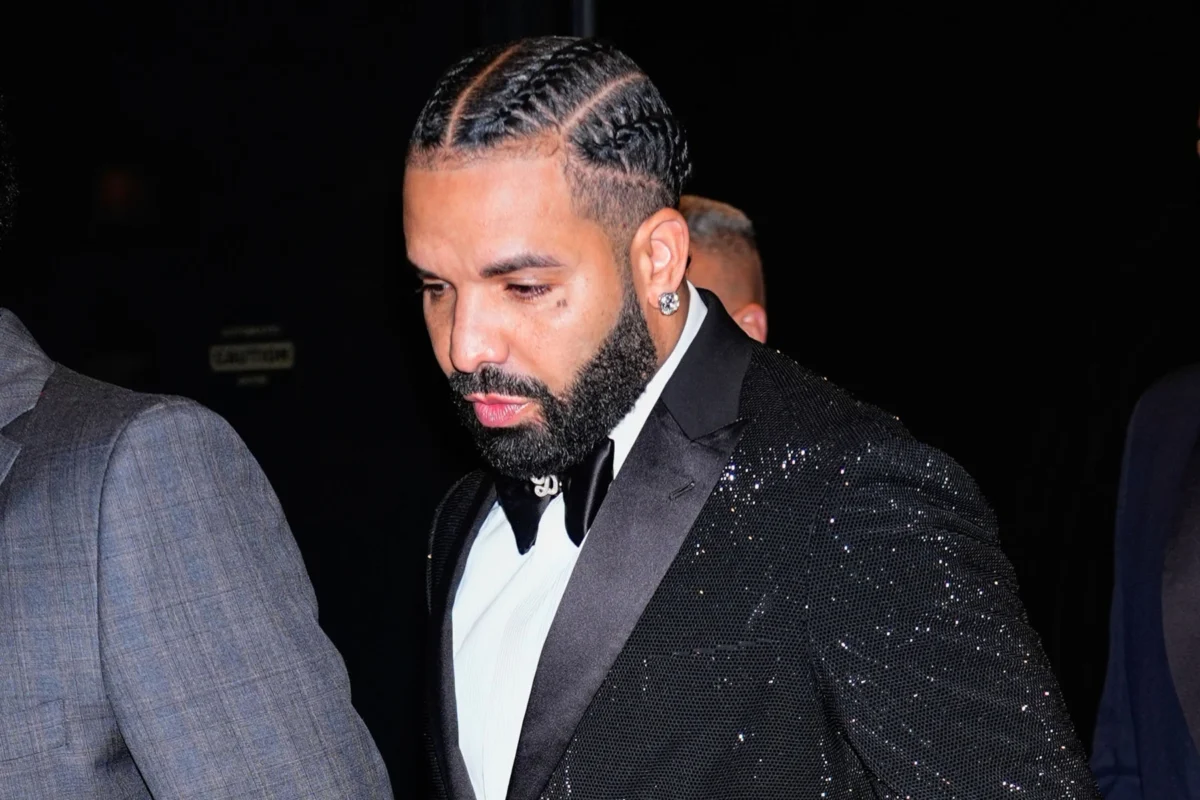
The milestone celebration of one of contemporary music’s most influential figures unfolded in downtown Manhattan on the evening of Friday, October 23, 2026, marking the official transition of rapper, singer, and entrepreneur Aubrey "Drake" Graham into his fifth decade. Known for orchestrating culturally resonant and high-profile gatherings, the Canadian-born artist opted for an intimate yet star-studded affair at Casa Cipriani, a prominent private members-only club situated along the waterfront of New York City. Rather than relying solely on traditional industry fanfare, the multi-Grammy Award-winning recording artist elected to bridge his present-day global superstardom with profound reflections on his formative years, treating his millions of digital followers and exclusive guests to a deeply personal retrospective.
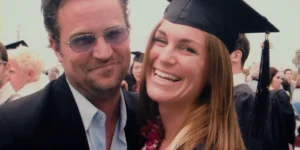
The festivities officially commenced on social media hours prior to the physical gathering, when Drake shared a rare compilation of childhood photographs with his audience. Among the viral images was a nostalgic snapshot capturing a youthful Graham seated atop the hood of an automobile, clutching a well-worn copy of the children’s novel My Teacher Fried My Brains. Accompanying the visual walk down memory lane was a poignant self-reflective caption in which the artist wrote, "I accept you for you," signaling a moment of psychological introspection as he stepped across the threshold of middle age. This blend of vulnerability and cultural pageantry set the tone for a weekend dedicated not to commercial promotion or forthcoming album rollouts, but to personal endurance and legacy.
A Chronology of the Milestone Evening
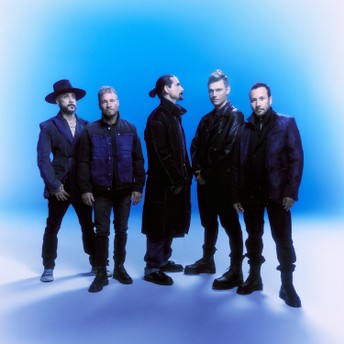
The celebration culminated in a meticulously guarded surprise that bridged late-1990s pop nostalgia with modern hip-hop royalty. At approximately midnight, as guests inside Casa Cipriani settled into the evening’s events, the iconic vocal harmonies of the Backstreet Boys echoed through the venue. All five members of the legendary boy band—Nick Carter, Howie Dorough, Brian Littrell, AJ McLean, and Kevin Richardson—took to the stage to deliver an impromptu rendition of their ubiquitous 1999 global smash, "I Want It That Way."

Drake, a self-described superfan of the group, immediately joined the ensemble on stage, seamlessly stepping into the vocal arrangement as an honorary sixth member of the quintet. Witnesses inside the venue noted the artist’s visible enthusiasm as he belted out the lyrics of the track, which originally peaked at No. 6 on the Billboard Hot 100 chart during the height of the teen pop explosion. The chronology of the performance flowed organically, with Howie Dorough cleverly weaving a lyrical nod to Drake’s own 2013 hit single, "Hold On, We’re Going Home," into the bridge of the pop ballad. Drake subsequently took command of the stage for the vocal outro, delivering a personalized delivery of the song that was swiftly captured by attendees and disseminated across digital platforms such as X (formerly Twitter).
Historical Context and Personal Significance
The choice of "I Want It That Way" as the centerpiece of a 40th birthday celebration is rooted in the artist’s well-documented formative experiences with popular culture. Born on October 24, 1986, in Toronto, Ontario, Drake was thirteen years old in 1999—a critical developmental window during which the Max Martin-produced track dominated Top 40 radio formatting and MTV’s seminal countdown program, Total Request Live.
In prior interviews and public statements, the musician has frequently credited the track with providing him with a vital sense of social validation during his youth. He has previously confessed that hearing the song made him feel acknowledged for the first time in his life, instilling a fleeting sense of belonging and cultural relevance during his school years in Toronto. By incorporating the anthem into his milestone celebration, the artist completed a multi-decade arc from an aspiring adolescent consumer of mainstream pop culture to a central architect of modern entertainment sharing the stage with his childhood idols.
Addressing the gathered crowd of industry peers, close friends, and collaborators during the peak of the celebration, Drake underscored the philosophical shift accompanying his entry into his forties. Rejecting the conventional pressures of the commercial music industry, he explicitly framed the evening around themes of resilience and mortality rather than professional output.
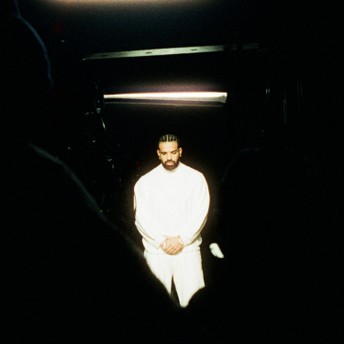
"Tonight isn’t about a tour, an album release, or a bunch of videos we shot," Drake told the audience during his address on Saturday night, October 24. "It’s about being alive, staying alive."
Industry Implications and Cultural Resonance
The event arrives at a critical juncture in the trajectory of Drake’s career. Having spent the better part of two decades dominating streaming metrics, radio airplay charts, and stadium touring circuits, the artist’s entry into his forties prompts broader critical evaluation regarding the aging demographic of contemporary hip-hop and R&B practitioners. Historically, mainstream hip-hop has operated as a youth-centric genre; however, pioneers of Drake’s generation are increasingly demonstrating the commercial viability of maintaining longevity well past the traditional thirty-year threshold.
From a data-driven perspective, Drake’s sustained cultural footprint remains formidable. Across his discography, he holds numerous records on the Billboard Hot 100, including the most career entries, most top 10 hits, and most consecutive weeks on the charts. Events like his 40th birthday celebration serve a dual purpose: they reinforce the accessible, fan-centric persona that initially endeared him to the public while strategically leveraging nostalgia to solidify his status as a permanent fixture of contemporary music history.
Public and Institutional Reactions
As footage of the surprise performance circulated globally throughout the weekend, cultural commentators and music historians alike weighed in on the cross-genre collaboration. The convergence of late-90s boy band pop royalty with one of the most streamed artists of the digital era highlighted the fluid boundaries of modern musical taste, where generational divides are increasingly dismantled in favor of shared emotional touchstones.
Representatives for the Backstreet Boys expressed mutual admiration for the host, noting backstage that participating in the milestone event was a testament to the enduring cross-generational appeal of melodic pop craftsmanship. Meanwhile, industry analysts observed that the calculated intimacy of the Casa Cipriani gathering—contrasting sharply with the massive arena productions typically associated with the OVO Sound founder—signaled a maturation in his public relations strategy, prioritizing authenticity and personal milestones over sheer commercial spectacle.
As the artist moves forward into his fourth decade, the combination of childhood introspection, high-profile collaborations, and a renewed emphasis on personal well-being establishes a distinct blueprint for how aging superstars can navigate their transitions in the public eye.