


The Genesis of the Battlefield Franchise
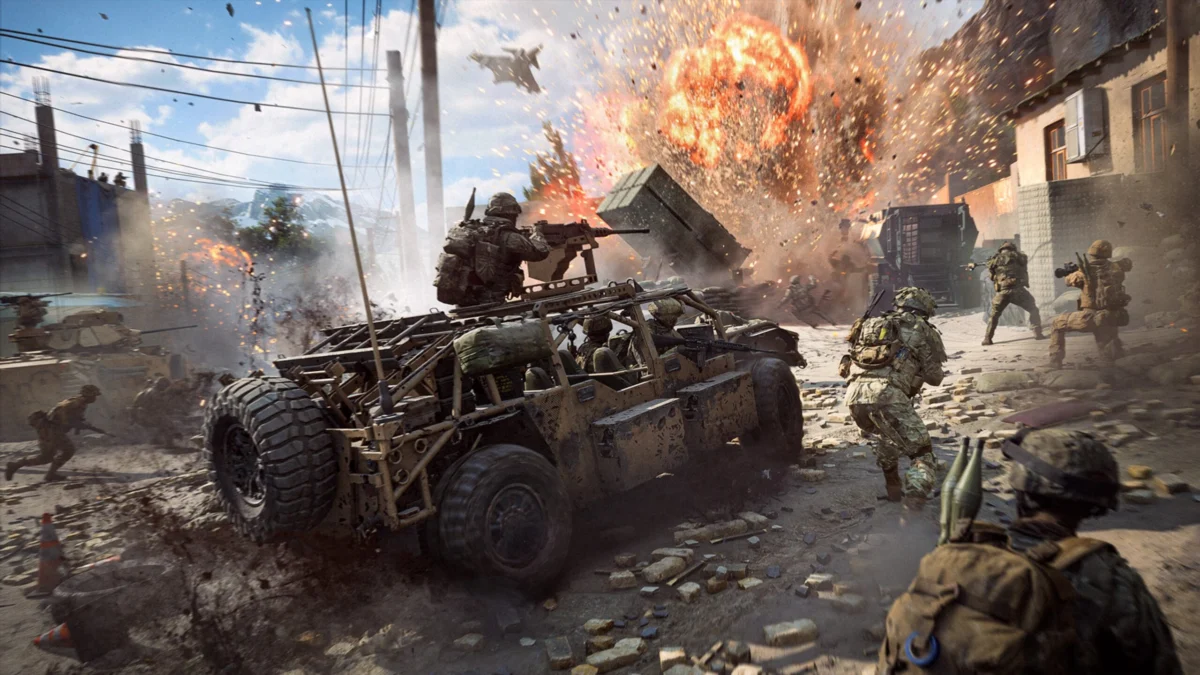
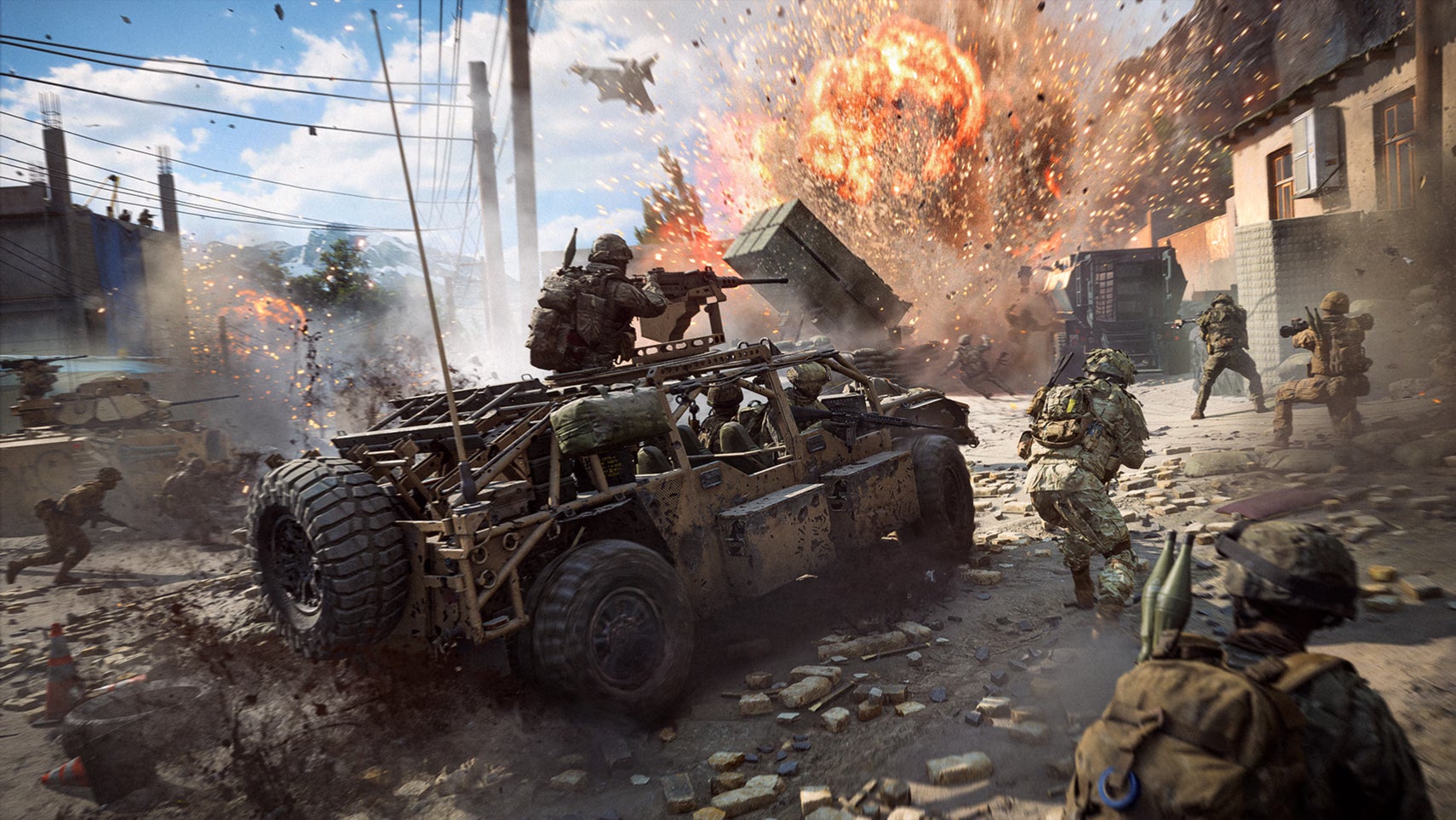
The Battlefield franchise, a cornerstone of the tactical first-person shooter genre, debuted in 2002 with the release of Battlefield 1942. Developed by DICE and published by Electronic Arts, the series differentiated itself from competitors through its emphasis on large-scale multiplayer environments, vehicular combat, and destructible architecture. Over the past two decades, the franchise has evolved through various iterations, spanning World War II, the Vietnam War, modern-day combat, and futuristic warfare.
The longevity of the series is a testament to its ability to adapt to changing market trends. By focusing on "All-Out Warfare," the franchise carved out a loyal player base that prioritized cooperative squad mechanics over the lone-wolf gameplay often found in arcade-style shooters. This brand identity provides a rich narrative foundation for a feature film, offering potential directors a sandbox of diverse settings and tactical scenarios.
Recent Commercial Success: Battlefield 6
The urgency behind the film adaptation follows the monumental commercial success of the franchise’s latest installment, Battlefield 6. Released last year, the title defied industry expectations to become the bestselling first-person shooter of the year and the most successful launch in the history of the Battlefield brand. Industry analysts note that Battlefield 6’s performance was particularly notable for its ability to capture market share from long-time rivals.
According to market reports, Battlefield 6 saw significant momentum, with European sales figures outpacing competing titles such as Call of Duty. This shift in market dominance has not gone unnoticed by major studios, who are increasingly viewing established gaming intellectual property as a low-risk, high-reward investment for cinematic universes. The success of the "Rapid Royale" update—a high-intensity, fast-paced game mode modeled after popular battle royale sub-genres—further demonstrates the developer’s commitment to player retention and long-term engagement, metrics that are highly attractive to film producers seeking a built-in, global audience.
Chronology of the Gaming-to-Film Trend
The pivot toward video game adaptations is not a new phenomenon, but the current wave is marked by a higher caliber of creative involvement compared to the critical failures of the early 2000s.
- 2002: The original Battlefield 1942 is released, establishing the series’ core mechanics.
- 2010s: The "Curse of Video Game Movies" persists as various adaptations fail to achieve critical or commercial success.
- 2020-2023: A new era begins as high-quality adaptations like The Last of Us and the Super Mario Bros. Movie demonstrate that game-to-screen projects can achieve both critical acclaim and box office dominance.
- 2024: Battlefield 6 achieves record-breaking sales, solidifying the franchise’s position as a powerhouse of modern entertainment.
- 2025/2026: Battlefield franchise film negotiations move into the final stages as Sony positions itself to compete against upcoming genre rivals, including the announced Call of Duty adaptation.
The Competitive Landscape
The race to bring high-profile shooters to the silver screen is intensifying. Paramount Pictures is already developing a Call of Duty feature, with Peter Berg attached to direct a screenplay written by Taylor Sheridan, scheduled for release on June 30, 2028. This upcoming rivalry between the two most prominent shooter franchises mirrors the intense competition that has defined the gaming industry for years.
For Sony, the potential acquisition of Battlefield is a strategic move to bolster its portfolio of content. Having already seen success with the Uncharted film and The Last of Us television series, the studio is well-positioned to leverage its internal expertise in translating interactive media into linear narrative formats. The inclusion of high-caliber talent like McQuarrie and Jordan suggests a desire to mirror the prestige and box-office trajectory of the Mission: Impossible series, moving away from the "B-movie" stigma that once plagued video game adaptations.
Behind the Scenes: The Production Team
The list of producers involved in the potential Battlefield film indicates a collaborative effort between gaming industry veterans and established Hollywood heavyweights. Joining Michael B. Jordan are:
- Jesse Stern: Representing Electronic Arts, ensuring that the source material’s integrity remains intact.
- Carter Swan: From Emerald Neon, bringing expertise in franchise management.
- Roy Lee and Miri Yoon: From Vertigo, known for their work on high-stakes, large-scale genre productions.
- Elizabeth Raposo: From Outlier Society, contributing to the strategic development of the film’s narrative scope.
The involvement of EA’s own internal staff is a crucial element of the deal. By embedding EA producers within the filmmaking process, the studio aims to maintain the "tactical, grounded, and visceral" feel that defined the franchise’s transition from Battlefield 1942 to the modern Battlefield 6 era.

Strategic Implications for Electronic Arts
For Electronic Arts, a successful film adaptation serves as an effective marketing vehicle to expand the Battlefield player base. History has shown that high-quality adaptations often lead to a resurgence in interest for the source material. Following the success of recent game-based series, developers have reported significant upticks in active user counts and digital storefront sales for original titles.
Furthermore, the adaptation provides Electronic Arts with a diversification of revenue streams. As the gaming industry faces challenges related to development costs and market saturation, transitioning intellectual property into film and television allows for the amortization of brand development costs across multiple media formats.
Industry Analysis and Future Outlook
The shift toward "Prestige Gaming Adaptations" suggests that the barrier between interactive media and traditional cinema is becoming increasingly porous. Studios are no longer looking for mere "name recognition" to sell tickets; they are seeking immersive world-building that can sustain multiple installments.
With Christopher McQuarrie’s penchant for practical, high-octane action and Michael B. Jordan’s ability to command both the screen and the production booth, the Battlefield project is positioned to set a new benchmark for military-themed cinema. While Sony has officially declined to comment on the ongoing negotiations, the industry expectation is that the deal will move forward as both parties seek to capitalize on the current momentum of the Battlefield brand.
As the production enters pre-development, the focus will likely shift to casting and the translation of the franchise’s signature "destruction" mechanics into a visual language that feels fresh to audiences who have yet to pick up a controller. If the project succeeds, it will likely serve as the anchor for a new, multi-year media franchise, further blurring the lines between the gaming lounge and the cinema auditorium.