


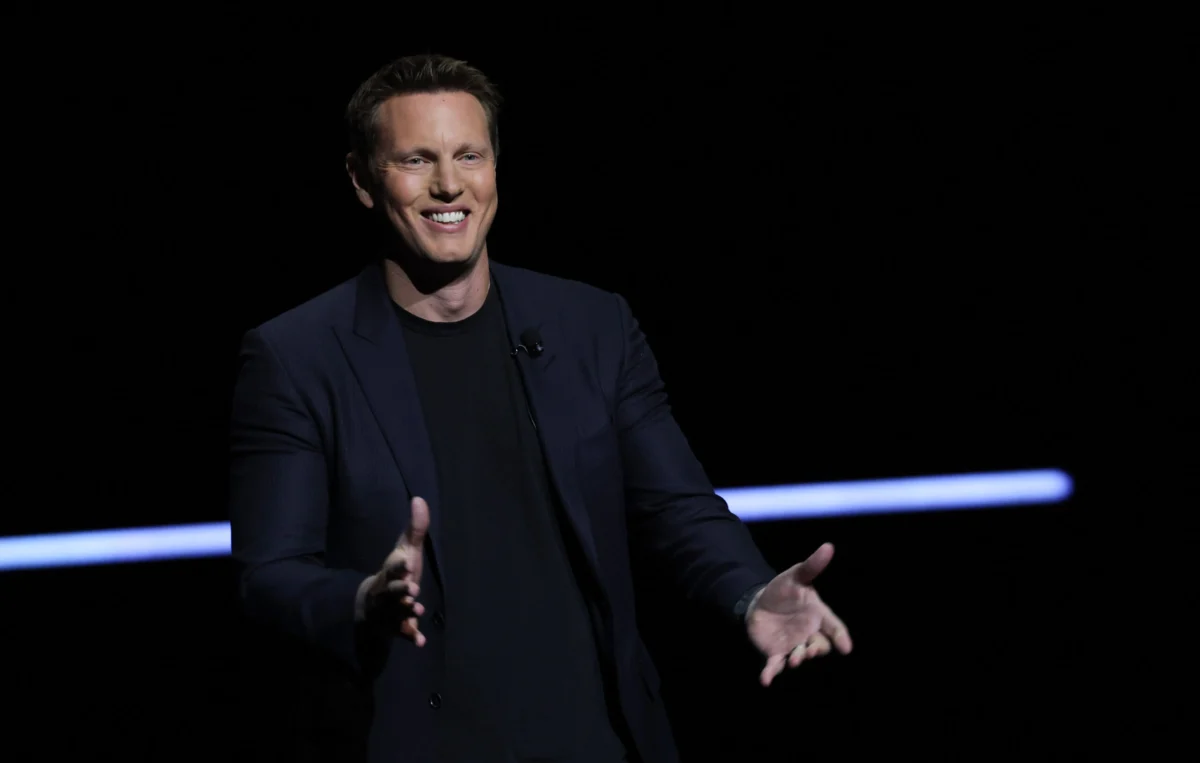
The United States Department of Justice has officially concluded its antitrust investigation into the proposed acquisition of Warner Bros. Discovery by the newly formed Paramount Skydance entity, signaling a monumental shift in the global media landscape. In a determination released Friday, the DOJ’s Antitrust Division confirmed it would not challenge the $110 billion transaction, effectively removing the most significant federal hurdle for a deal that aims to consolidate two of Hollywood’s most storied "Big Five" studios. The federal sign-off marks a pivotal victory for Paramount Skydance CEO David Ellison, who has championed the merger as a necessary evolution to ensure the survival of traditional media in an era dominated by Silicon Valley technology giants.
According to the Department of Justice’s formal statement, the investigation focused on whether the combination of Paramount Global and Warner Bros. Discovery (WBD) would stifle competition in the production of motion pictures, the licensing of television content, or the nascent but hyper-competitive streaming market. "The Division has completed its analysis of the proposed merger of Paramount and Warner Bros. and determined based on the evidence received in its investigation that the transaction is not likely to result in harm to competition or American consumers," the department stated. This conclusion suggests that regulators view the consolidation as a defensive move against the market power of platforms like Netflix, Amazon, and Apple, rather than an attempt to monopolize the entertainment sector.
A Chronology of the $110 Billion Consolidation
The path to this regulatory milestone began in late 2025 and early 2026, characterized by a series of high-stakes negotiations and competing bids that briefly threatened to fragment the assets of Warner Bros. Discovery. The current deal structure crystallized in late February 2026, when Paramount—having already entered a definitive merger agreement with David Ellison’s Skydance Media—offered a premium of $31 per share to acquire the entirety of Warner Bros. Discovery.
This offer was strategically timed to upend a rival proposal from Netflix, which had sought to carve out and acquire WBD’s premier film and streaming assets, including the Warner Bros. film studio and the HBO Max platform. By offering to keep the company whole and integrating it into the Paramount Skydance ecosystem, Ellison’s team secured the support of WBD’s board and shareholders. In April 2026, during the Paramount Pictures presentation at CinemaCon in Las Vegas, Ellison emphasized that the merger was not merely about scale, but about the "technological and creative infrastructure" required to engage global audiences.
By May 2026, WBD shareholders overwhelmingly voted in favor of the merger. During Paramount’s Q1 earnings call that same month, Ellison informed investors that the transaction remained on track for a September 2026 closing date. This timeline is financially critical; the merger agreement includes a "ticking fee" provision, a mechanism that increases the final cost of the acquisition if the deal fails to close by the specified September deadline. With the DOJ’s clearance, the parties have avoided the lengthy litigation that often accompanies federal antitrust challenges, significantly reducing the risk of triggering these expensive penalties.
Strategic Rationale and the Tech-Platform Challenge
In the wake of the DOJ’s announcement, Paramount issued a statement expressing gratitude for the "thorough review" conducted by federal authorities. A company spokesperson framed the merger as "pro-competitive," arguing that the combined entity would be better equipped to withstand the financial and technological pressures exerted by "dominant technology platforms." This narrative has been central to the companies’ lobbying efforts in Washington, D.C., where they argued that the true threat to a diverse media ecosystem comes from tech conglomerates that use entertainment as a loss leader to drive hardware sales or cloud subscriptions.
The spokesperson further noted, "This deal results in a stronger company better positioned to compete in an industry increasingly defined by intense competition for audiences, talent, technology, and investment." By merging Paramount+ and HBO Max (Max), the new entity will boast one of the largest content libraries in the world, combining the intellectual property of franchises such as Star Trek, Mission: Impossible, and the DC Universe with the prestige of HBO and the massive sports broadcasting reach of CBS and TNT.
Financial Metrics and Market Reaction
Wall Street reacted positively to the news of the DOJ clearance. Paramount’s stock rose approximately 3% in after-hours trading immediately following the report. Investors have been closely watching the $31-per-share valuation, which many analysts initially viewed as aggressive given the debt loads carried by both Paramount and WBD. However, the anticipated synergies—estimated by some analysts to exceed $3 billion annually—are expected to come from the consolidation of back-office operations, the integration of streaming technologies, and a streamlined approach to international distribution.
The $110 billion deal value includes the assumption of significant debt, a factor that has led to some volatility in bond markets. Nevertheless, the approval from the DOJ provides a level of certainty that is expected to stabilize the companies’ credit outlooks as they move toward the final stages of integration.
Remaining Regulatory and Legal Hurdles
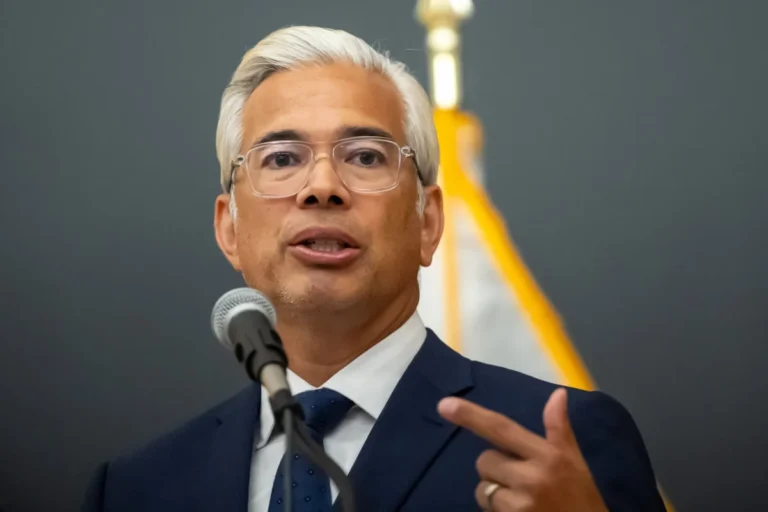
Despite the federal green light, the merger is not yet entirely in the clear. State-level scrutiny remains a factor, particularly in California, where the entertainment industry serves as a primary economic driver. California Attorney General Rob Bonta confirmed on Friday that his office’s investigation into the deal is ongoing. "The deal remains under investigation by the California Department of Justice," Bonta’s office said in a statement. State attorneys general have the authority to challenge mergers under state antitrust laws, even if federal regulators decline to act, though such challenges are rare once the DOJ has signed off.
On the international front, the merger is currently under review by the European Union’s regulatory arm. The European Commission set a July 14, 2026, deadline for its initial vetting process. Historically, European regulators have been more stringent regarding digital competition and consumer data, though the Paramount-WBD merger is primarily seen as a horizontal integration of content providers.
The deal has already secured approval in other key markets. Earlier this week, the Australian Competition and Consumer Commission (ACCC) granted its clearance, and similar approvals have been received from other smaller jurisdictions. The global nature of the review reflects the sprawling reach of both companies, which operate cable networks, film studios, and streaming services across nearly every continent.
Industry Implications and the Future of Media
The merger of Paramount Skydance and Warner Bros. Discovery is widely seen as the beginning of a final wave of consolidation among traditional media companies. As linear television revenues continue to decline due to cord-cutting, the "scale or fail" mantra has become the guiding principle for Hollywood executives. The combined company will control a staggering array of assets, including:
- Film Studios: Paramount Pictures and Warner Bros. Pictures, two of the most successful studios in cinema history.
- Television Networks: CBS, CNN, TBS, TNT, MTV, Nickelodeon, and the Discovery Channel.
- Streaming Services: A consolidated platform merging the libraries of Paramount+ and HBO Max.
- Sports Rights: Major contracts with the NFL, NBA, MLB, and NCAA March Madness.
Analysts suggest that this consolidation will likely force remaining independent players, such as NBCUniversal (owned by Comcast) or Sony Pictures, to reconsider their own strategic positions. Furthermore, the merger is expected to lead to a significant "content rationalization" phase, where the new management team under David Ellison will likely trim overlapping projects and focus on high-value, franchise-led intellectual property to drive streaming profitability.
The DOJ’s decision not to intervene signals a pragmatic shift in regulatory philosophy, acknowledging that the definition of a "market" in the entertainment sector has expanded to include social media, gaming, and big-tech streaming. By allowing this merger to proceed, the government is essentially permitting the creation of a "national champion" capable of going toe-to-toe with the global reach of Netflix and the deep pockets of Amazon and Apple.
As the September closing date approaches, the industry’s focus will shift from regulatory filings to integration plans. The success of the "New Paramount-Warner" will ultimately depend on whether David Ellison and his leadership team can successfully merge two distinct corporate cultures while managing a massive debt load and navigating a rapidly changing consumer environment. For now, the DOJ has provided the necessary clearance for the most ambitious media merger of the decade to move into its final act.