


The United States Department of Justice (DOJ) has formally granted regulatory clearance for the proposed acquisition of Warner Bros. Discovery by the newly formed Paramount-Skydance entity, marking a transformative moment in the landscape of global media and entertainment. In a determination released on Friday, the DOJ’s Antitrust Division concluded its exhaustive investigation into the $110 billion transaction, finding that the merger is unlikely to stifle competition or negatively impact American consumers. The decision effectively removes the most significant federal obstacle to a deal that promises to consolidate some of the most storied brands in Hollywood history under a single corporate umbrella.
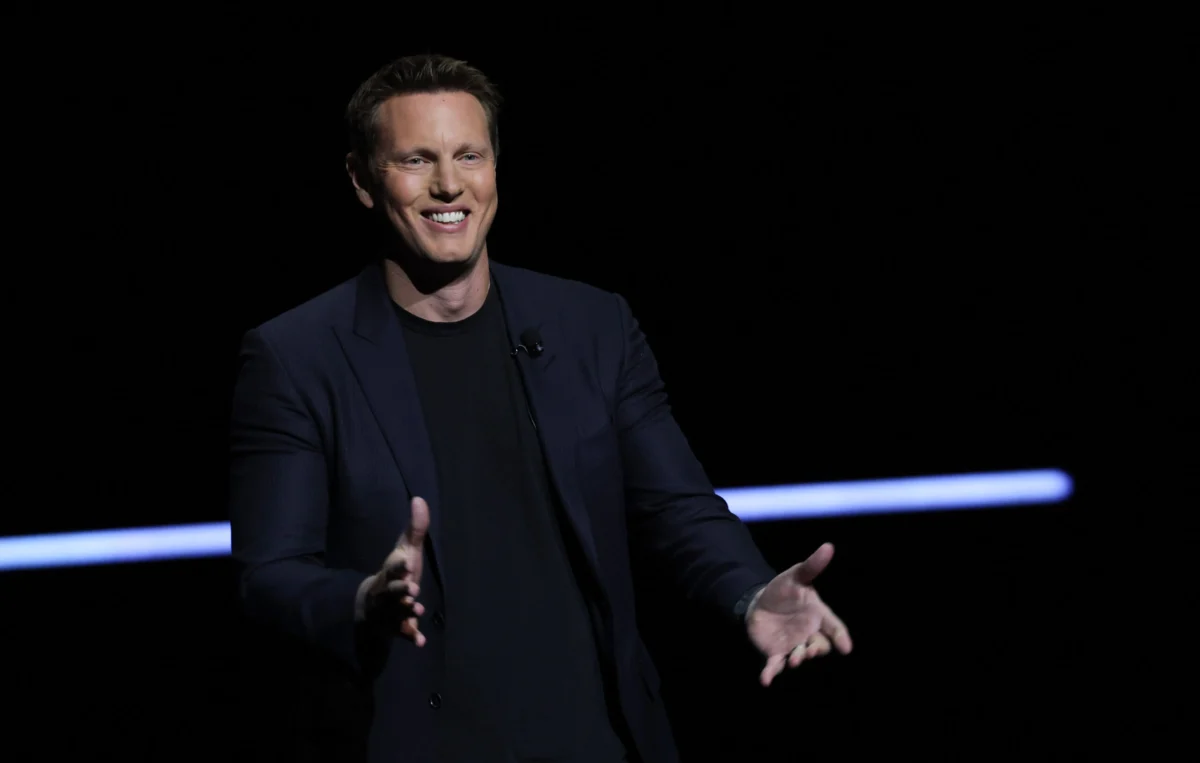
In its official statement, the Department of Justice noted that the Division had completed a rigorous analysis of the evidentiary record, including thousands of internal documents and testimonies from industry stakeholders. "The Division has completed its analysis of the proposed merger of Paramount and Warner Bros. and determined based on the evidence received in its investigation that the transaction is not likely to result in harm to competition or American consumers," the department stated. This clearance represents a major victory for Paramount-Skydance CEO David Ellison, who has championed the merger as a necessary evolution for legacy media companies fighting for survival in an era dominated by Silicon Valley tech giants.
Strategic Rationale and Official Responses
Responding to the news, a spokesperson for Paramount expressed gratitude for the federal government’s oversight and emphasized the strategic necessity of the deal. The spokesperson characterized the merger as "pro-competitive," arguing that a combined Paramount-Skydance and Warner Bros. Discovery (WBD) would be far better equipped to navigate an industry defined by "intense competition for audiences, talent, technology, and investment." By pooling resources, the new entity aims to achieve the scale required to compete with the massive balance sheets and distribution networks of platforms like Netflix, Amazon, and Apple.
"We remain focused on completing the transaction as soon as possible and delivering its benefits to consumers, creators, and the entertainment industry as a whole," the spokesperson added. Following the announcement, Paramount’s stock saw an immediate uptick of approximately 3% in after-hours trading, reflecting investor confidence that the deal’s most perilous regulatory phase has passed.
The merger is set to unite an unprecedented portfolio of assets. On one side, Paramount brings its historic film studio, the CBS broadcast network, and a suite of cable properties including Nickelodeon and MTV. On the other, Warner Bros. Discovery contributes the legendary Warner Bros. film and television studios, the HBO brand, and a powerhouse of cable networks such as CNN, TNT, and TBS. The combination is expected to create a "next-generation" media company capable of leveraging deep libraries of intellectual property—ranging from the DC Universe and Harry Potter to Mission: Impossible and Star Trek—across streaming, theatrical, and linear platforms.
The Road to Approval: A Chronology of the Merger
The path to this $110 billion agreement has been marked by high-stakes negotiations and shifts in the competitive landscape. The timeline of the deal reflects the rapid consolidation currently gripping the entertainment sector:
- Late 2025 – Early 2026: Following months of speculation regarding the long-term viability of standalone legacy media companies, David Ellison’s Skydance Media entered into exclusive talks to merge with Paramount Global.
- February 2026: The landscape shifted dramatically when Paramount-Skydance extended a formal offer of $31 per share to acquire Warner Bros. Discovery. This move effectively upended a concurrent proposal from Netflix, which had sought to acquire WBD’s streaming and film assets while leaving its linear cable networks behind.
- April 2026: During a high-profile presentation at CinemaCon in Las Vegas, David Ellison articulated his vision for the combined company, stressing that the future of storytelling requires a marriage of traditional creative excellence and advanced technological distribution. Shortly thereafter, during Paramount’s first-quarter earnings call, Ellison informed investors that the deal was on track to close by September 2026.
- May 2026: Warner Bros. Discovery shareholders overwhelmingly voted in favor of the merger, signaling broad institutional support for the premium offered by Paramount-Skydance.
- June 2026: The Australian Competition and Consumer Commission (ACCC) provided its clearance, followed closely by the U.S. Department of Justice’s approval on June 12.
Remaining Legal and International Hurdles
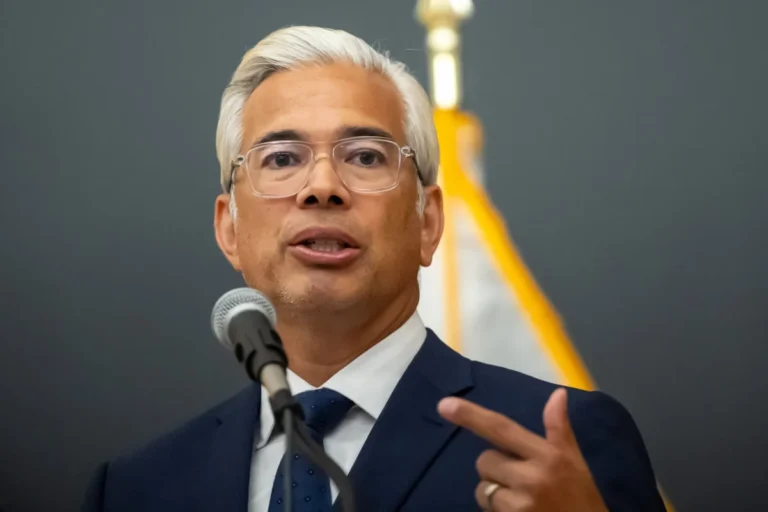
Despite the federal green light, the merger is not yet entirely clear of legal scrutiny. Under the U.S. federalist system, state attorneys general possess the authority to challenge mergers that they believe could harm their specific state economies or consumers. California Attorney General Rob Bonta has been a vocal participant in the review process, given that both companies maintain massive operational footprints in Southern California. On Friday, Bonta’s office confirmed that while the DOJ has finished its work, the deal "remains under investigation by the California Department of Justice."
Furthermore, the transaction must clear international regulatory hurdles. The European Union’s executive arm, the European Commission, began its formal review earlier this week. EU regulators are notoriously stringent regarding digital competition and the bundling of media rights. The Commission has set a preliminary deadline of July 14 to determine whether the merger requires a more in-depth "Phase II" investigation. Success in the European theater is essential, as the combined company intends to operate as a truly global streaming powerhouse.
The "ticking fee" mentioned in regulatory filings adds a layer of financial urgency to these remaining reviews. If the deal does not close by the September deadline established in the merger agreement, Paramount-Skydance will be required to pay additional fees to WBD, making the acquisition incrementally more expensive for every month of delay.
Financial Implications and Market Impact
The $110 billion valuation of the deal includes the assumption of significant debt, particularly from the Warner Bros. Discovery side, which has been working to deleverage its balance sheet following the 2022 merger of Discovery and WarnerMedia. By offering $31 per share, Paramount-Skydance provided a significant premium over WBD’s trading price at the time of the offer, a move designed to win over shareholders who were wary of the volatile streaming market.
Industry analysts suggest that the DOJ’s approval signals a shift in regulatory philosophy. While the current administration has been aggressive in challenging vertical integrations in the tech sector, this approval suggests a recognition that legacy media companies must be allowed to consolidate to remain viable competitors against "Big Tech." The merger is expected to result in billions of dollars in "synergies"—a corporate term that often implies cost-cutting and the consolidation of redundant departments, such as marketing, back-office administration, and streaming infrastructure.
The streaming landscape, in particular, is expected to see a major overhaul. The combined entity will likely merge HBO Max and Paramount+ into a single, comprehensive platform. With a combined subscriber base that would rival Disney+ and Netflix, the new service would possess a content library of unmatched depth, potentially reducing subscriber churn—the rate at which customers cancel their subscriptions—by offering a broader variety of "prestige" dramas, live sports, news, and children’s programming.
Broader Industry Consequences
The DOJ’s decision is likely to trigger a ripple effect across the entertainment industry. With Paramount and WBD joining forces, other mid-sized players like NBCUniversal (owned by Comcast) and Sony Pictures may feel increased pressure to seek their own strategic partnerships or acquisitions.
The merger also carries significant implications for the future of televised sports. Between them, Paramount (via CBS) and WBD (via TNT/TBS) hold multi-billion dollar rights to the NFL, the NBA, NCAA March Madness, and Major League Baseball. A consolidated entity would hold immense leverage in future rights negotiations, though it could also face scrutiny over whether it controls too large a share of the sports broadcasting market.
For creators and talent, the merger presents a double-edged sword. While a more financially stable company may have a greater capacity to invest in high-budget "tentpole" films and experimental television, the reduction in the number of major studios means fewer buyers for scripts and pitches. This "monopsony" power—where a single buyer dominates the market—is often a concern for guilds like the Writers Guild of America (WGA) and SAG-AFTRA, who may monitor the merger’s impact on residuals and employment opportunities.
As the September deadline approaches, the industry’s eyes will remain fixed on Sacramento and Brussels. However, with the U.S. federal government’s blessing now secured, the momentum behind the Paramount-Skydance and Warner Bros. Discovery merger appears nearly unstoppable, marking the beginning of a new chapter in the history of American media.