

The United States Department of Justice has officially signed off on the proposed acquisition of Warner Bros. Discovery by the newly unified Paramount Skydance entity, effectively clearing a primary federal hurdle for one of the largest media consolidations in modern history. In a determination released on Friday, federal regulators concluded that the approximately $110 billion transaction does not violate antitrust statutes, marking a pivotal moment for an industry currently undergoing a radical transformation driven by the rise of digital streaming and the decline of traditional linear television.
The Department of Justice’s Antitrust Division confirmed it has concluded its exhaustive analysis of the merger. According to the department’s official determination, the investigation found that the combination of Paramount and Warner Bros. Discovery is not likely to result in significant harm to competition or American consumers. This decision comes after months of intense scrutiny into how a combined media titan would impact the marketplace for content production, distribution, and the pricing of consumer streaming services.
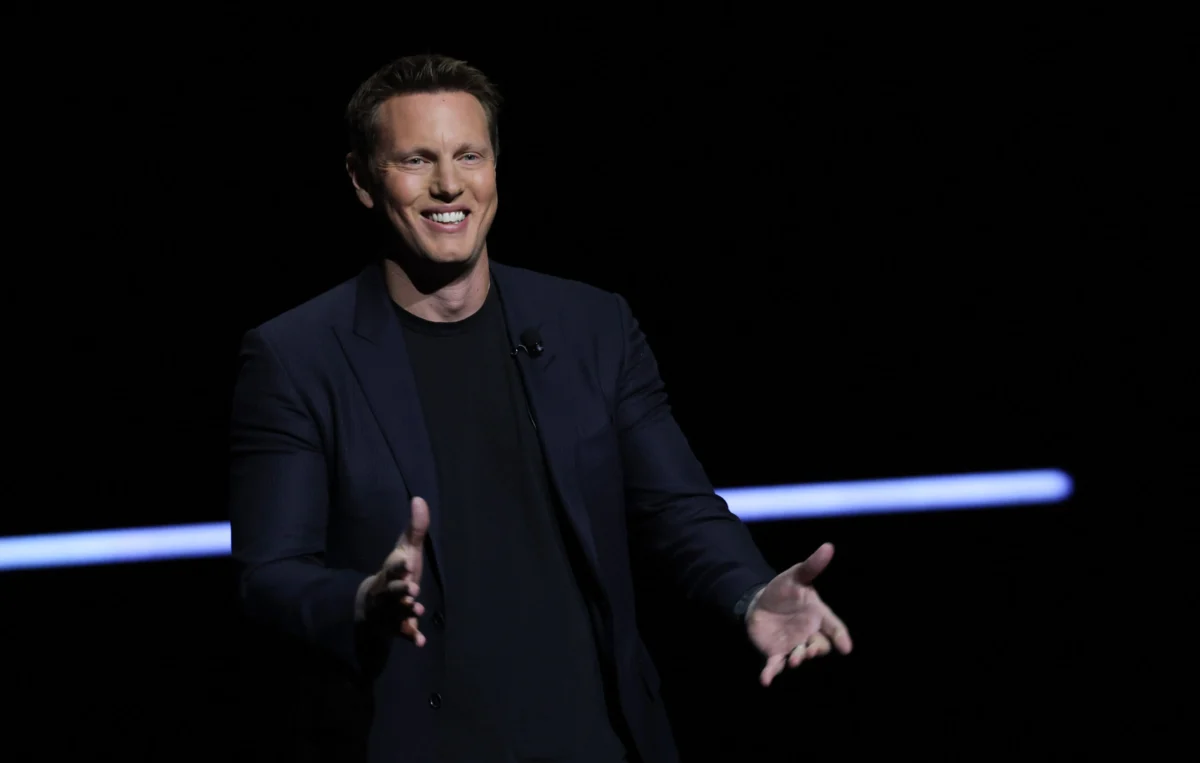
In the immediate wake of the announcement, Paramount’s stock saw a notable uptick of approximately 3% in after-hours trading, reflecting investor confidence in the deal’s progression. The federal clearance represents a significant victory for David Ellison, CEO of the merged Paramount Skydance, who has spearheaded the ambitious effort to create a "next-generation" media powerhouse capable of rivaling the massive infrastructure of tech-centric competitors like Netflix, Amazon, and Apple.
Strategic Objectives and the Pro-Competitive Argument
A spokesperson for Paramount expressed gratitude for the federal oversight process, emphasizing that the deal was designed with the modern competitive landscape in mind. The company stated that the merger is inherently "pro-competitive," arguing that a larger, more integrated entity is necessary to survive in an era defined by intense competition for global audiences, creative talent, and technological innovation.
The core of the companies’ argument to regulators was that traditional Hollywood studios can no longer compete individually against the "dominant technology platforms" that possess near-limitless capital and massive data-driven distribution networks. By combining the vast libraries of Paramount Pictures and Warner Bros., the new entity aims to create a content powerhouse with a footprint spanning theatrical film, prestige television, news, and live sports.
"We remain focused on completing the transaction as soon as possible and delivering its benefits to consumers, creators, and the entertainment industry as a whole," the Paramount spokesperson added. The merger is expected to yield significant synergies, though critics have previously raised concerns about potential job losses and the consolidation of creative control under a single corporate umbrella.
A Chronology of the Acquisition
The path to this federal clearance has been a complex saga of bidding wars and corporate restructuring. The current deal structure took shape in late February 2026, when Paramount Skydance—fresh from its own internal merger—offered a premium price of $31 per share to acquire all of Warner Bros. Discovery’s assets.
This proposal effectively upended a previous, more limited arrangement involving Netflix. Initially, Netflix had been in advanced discussions to acquire Warner Bros. Discovery’s film and streaming assets, a move that would have significantly bolstered the streaming giant’s original content library. However, the Paramount Skydance offer was deemed superior by the Warner Bros. Discovery board, as it encompassed the entirety of the company’s portfolio, including its troubled but valuable cable networks and its global news infrastructure.
The timeline of the deal has moved rapidly since the spring:
- February 2024: Paramount Skydance submits a $31-per-share bid for Warner Bros. Discovery.
- April 2026: CEO David Ellison presents the vision for the combined company at CinemaCon in Las Vegas, emphasizing a "creator-first" approach.
- April 2026: Warner Bros. Discovery shareholders overwhelmingly vote in favor of the merger.
- May 2026: During a Q1 earnings call, Ellison informs investors that the deal is on track to close by September 2026.
- June 2026: The Australian Competition and Consumer Commission (ACCC) grants its approval.
- June 12, 2026: The U.S. Department of Justice issues its antitrust clearance.
The September deadline is of particular importance due to a "ticking fee" provision in the merger agreement. If the deal does not close by that date, the acquisition becomes progressively more expensive for Paramount Skydance, providing a strong financial incentive for the parties to resolve remaining regulatory and legal hurdles quickly.
Financial Scope and Asset Integration
The $110 billion valuation of the deal reflects the massive scale of the assets being combined. Warner Bros. Discovery brings to the table a storied film studio, the HBO and Max streaming ecosystem, and a suite of influential cable networks including CNN, TBS, TNT, and Discovery Channel. Paramount contributes its own legendary film studio, the Paramount+ streaming service, and the CBS television network, along with cable mainstays like Nickelodeon and MTV.
The combined entity will possess one of the most formidable intellectual property (IP) portfolios in the world. From the DC Universe and Harry Potter to Star Trek and Mission: Impossible, the merger unites disparate franchises under a single management team. This consolidation is seen as a direct response to the "streaming wars," where exclusive, high-value IP is the primary driver of subscriber retention and growth.
Financially, the merger seeks to address the heavy debt loads that have burdened both companies in recent years. Warner Bros. Discovery, in particular, has been navigating the aftermath of the 2022 Discovery-WarnerMedia merger, which left the company with significant liabilities. Proponents of the deal argue that the combined cash flows and reduced overhead of a unified company will provide the necessary capital to invest in high-budget content and technological upgrades to their streaming interfaces.
Remaining Regulatory and Legal Hurdles
Despite the Department of Justice’s approval, the merger is not yet entirely clear of legal obstacles. Under the U.S. federalist system, state attorneys general have the authority to challenge mergers independently of the federal government.
California Attorney General Rob Bonta has been a vocal participant in the review process. His office confirmed on Friday that the deal "remains under investigation by the California Department of Justice." California’s interest is particularly acute given that both Paramount and Warner Bros. Discovery are major employers in the state, and any consolidation that leads to significant layoffs or a reduction in local production could be met with state-level litigation.
Internationally, the deal is still awaiting the "green light" from European regulators. The European Union’s regulatory arm officially began its review of the transaction earlier this week. The EU has set a provisional deadline of July 14 for its initial vetting process. Historically, European regulators have been more stringent regarding digital competition and data privacy, though many industry analysts expect them to follow the lead of U.S. and Australian authorities given the global nature of the entertainment market.
Industry Implications and the Future of Media
The DOJ’s decision signals a potential shift in how antitrust regulators view the media landscape. Under the current administration, the DOJ and the Federal Trade Commission (FTC) have generally taken a more aggressive stance toward large-scale mergers. However, the approval of the Paramount-WBD deal suggests an acknowledgment that the traditional media sector is in a defensive posture against "Big Tech" platforms.
By allowing this merger, the government is effectively permitting the creation of a "national champion" in the media space. The logic follows that without such consolidation, legacy media companies may eventually collapse or be absorbed by companies like Amazon or Apple, which do not rely solely on entertainment revenue to sustain their business models.
For consumers, the impact remains to be seen. While the companies promise a more robust and streamlined viewing experience, the reduction in the number of major studios could eventually lead to higher subscription costs for streaming services and less diversity in content as the new entity focuses on "sure-bet" franchises.
Furthermore, the merger raises questions about the future of news and sports. The combination of CBS Sports and TNT Sports would create a powerhouse in live broadcasting, potentially altering the dynamics of rights negotiations with the NFL, NBA, and MLB. Similarly, the integration of CBS News and CNN would create an unprecedented concentration of journalistic resources, which may invite further scrutiny regarding editorial independence and media plurality.
As the September deadline approaches, the industry will be watching closely to see if California or the European Union attempts to extract further concessions or block the deal entirely. For now, however, David Ellison and the leadership at Paramount Skydance have secured the most critical endorsement needed to reshape the future of Hollywood.