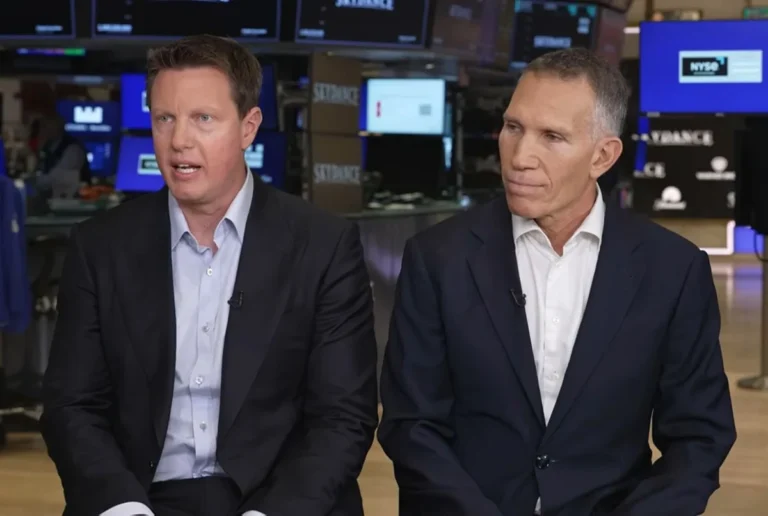


The National Football League is actively preparing to engage in high-level negotiations with non-traditional media entities to divest rights for live game broadcasts, signaling a transformative shift in how professional football is distributed to global audiences. NFL Media Executive Vice President Hans Schroeder confirmed the league’s intent to explore these new partnerships during an interview from Radio Row ahead of Super Bowl LX in San Francisco. According to Schroeder, the league is looking beyond its established roster of broadcast partners to identify "non-traditional" players—typically large-scale digital platforms and technology firms—that may be interested in acquiring smaller, bespoke packages or even single-game rights.
This strategic pivot follows a successful "one-off" experiment during the previous season, where the NFL sold the rights to a Week 1 game to YouTube for approximately $100 million. By unbundling specific games from massive multi-year packages, the league has discovered a lucrative "optionality" that allows it to test the capabilities of digital platforms while maximizing revenue. Schroeder emphasized that while the league remains humble regarding its market position, it is fully committed to understanding every available option to optimize the experience for fans, teams, and the league’s long-term financial health.
The Strategic Shift Toward Digital Optionality
The NFL’s interest in non-traditional media reflects a broader recognition of the changing consumption habits of modern sports fans. For decades, the league relied almost exclusively on over-the-air broadcast television—specifically CBS, NBC, ABC/ESPN, and Fox—to ensure maximum reach. However, the rapid ascent of streaming services and the infrastructure improvements in digital delivery have narrowed the gap between traditional television and digital platforms.
Schroeder noted that the current media landscape features digital giants capable of reaching "broadcast level audiences." This parity has allowed the NFL to move away from a one-size-fits-all distribution model toward a hybrid approach. The entry of companies like Amazon, which currently holds the exclusive rights to Thursday Night Football, served as a proof of concept. The success of digital-only broadcasts has emboldened the league to seek further fragmentation of its media rights, offering smaller "bites" of the schedule to tech companies that may not want to commit to a full season package but desire the prestige and high-traffic volume that only live NFL content can provide.
Chronology of the NFL’s Media Rights Evolution
To understand the current trajectory, it is essential to examine the timeline of the NFL’s media rights agreements and its incremental embrace of digital platforms:
- March 2021: The NFL signs landmark media rights agreements with Amazon, CBS, ESPN/ABC, FOX, and NBC. The deals, valued at a combined $110 billion over 11 years, represent the most significant financial commitment in sports media history.
- September 2022: Amazon Prime Video becomes the first streaming service to hold an exclusive national rights package with the debut of Thursday Night Football.
- December 2022: Google’s YouTube TV secures the rights to "NFL Sunday Ticket," moving the package from satellite provider DirecTV to a digital-first platform in a deal worth roughly $2 billion per year.
- January 2024: NBCUniversal’s Peacock hosts the first-ever exclusive live-streamed NFL playoff game (Miami Dolphins vs. Kansas City Chiefs). The broadcast sets a record for the most-streamed event in U.S. history at the time, proving that fans will follow the league to digital-only platforms for high-stakes games.
- September 2024: The NFL experiments with a one-off digital sale, granting YouTube the rights to a Friday night season opener in Brazil.
- Present Day (Super Bowl LX Window): The league signals its intent to accelerate renegotiation talks and expand international game inventory for new digital bidders.
Expanding Inventory through International Growth
A critical component of the NFL’s ability to court new media partners is the creation of new "inventory"—additional games that do not interfere with existing domestic television windows. The league has officially announced plans to expand its international schedule to a record nine games starting in the 2026 season. These games, which are expected to take place in markets such as London, Munich, Mexico City, and potentially Madrid or South America, create unique time slots that are highly attractive to global tech firms.
Schroeder indicated that these international games could form the basis of a brand-new media package. By selling these games as a standalone bundle, the NFL can attract bidders who are looking to expand their footprint in specific international markets. For a company like Netflix, Apple, or Google, owning a "Global Series" package would align with their international subscriber growth strategies, providing a bridge between American sports culture and a worldwide digital audience.

Financial Implications and Early Renegotiation
While the current media rights deals are slated to run through the 2033 season, they contain an "opt-out" clause that becomes active in 2029. However, both league officials and industry insiders suggest that formal discussions regarding the future of these rights could begin as early as late this year—four years ahead of the opt-out window.
NFL Commissioner Roger Goodell previously hinted at this acceleration, noting that the league is always looking to stay ahead of market trends. The motivation for early talks is twofold: first, the NFL wants to capitalize on the current bidding war between traditional media (Disney, Comcast, Paramount) and big tech (Amazon, Apple, Google); second, traditional media companies are currently undergoing massive consolidation and restructuring. By engaging in talks now, the NFL can secure its financial future before any further volatility hits the traditional cable and broadcast sectors.
Data from the 2023-2024 season underscores why the NFL holds such significant leverage. According to Nielsen data, NFL games accounted for 93 of the top 100 most-watched television broadcasts in 2023. In an era of extreme content fragmentation, the NFL remains the only "must-have" property for any entity selling advertising or subscriptions.
Potential Bidders and Industry Reactions
While Schroeder did not name specific companies, industry analysts have long pointed to Apple and Netflix as the most logical candidates for the next phase of NFL distribution. Apple has already dipped its toes into sports with its exclusive MLS Season Pass and "Friday Night Baseball," while Netflix recently broke its "no live sports" rule by securing the rights to NFL Christmas Day games for the 2024, 2025, and 2026 seasons.
The reaction from traditional media partners has been a mix of cooperation and concern. Companies like Disney (ESPN) and Comcast (NBCUniversal) have heavily invested in their own streaming platforms (Disney+ and Peacock) to ensure they can compete with tech giants. However, the rising cost of rights remains a hurdle. If the NFL continues to carve out individual games for $100 million or more, the total value of the league’s rights could skyrocket beyond the current $10 billion annual average, potentially pricing out legacy players who are struggling with declining cable revenues.
Broader Impact on Fans and the Media Ecosystem
The NFL’s move toward "non-traditional" partners carries significant implications for the average consumer. The primary concern among fanbases is "subscription fatigue." As the league distributes games across CBS, FOX, NBC, ESPN, Amazon, YouTube, and potentially a new player like Apple or Netflix, fans may find themselves needing five or six different paid subscriptions to watch every game of their favorite team.
However, the league argues that this model actually increases accessibility by meeting fans where they already spend their time—on mobile devices, tablets, and smart TVs. The "one-off" strategy also allows the league to experiment with different broadcast styles, such as the "ManningCast" or data-heavy "Next Gen Stats" feeds, which appeal to younger, tech-savvy demographics that are moving away from traditional linear television.
Conclusion: A New Era of Sports Consumption
As the NFL approaches the renegotiation table, the distinction between "legacy media" and "tech companies" continues to blur. With Hans Schroeder confirming that the league is open to any partner that can provide the right model for fans and teams, the stage is set for a historic realignment of sports media rights. The upcoming expansion of international games provides the perfect laboratory for these new partnerships, ensuring that the NFL remains at the vanguard of the digital media revolution. Whether through a single-game sale to a social media platform or a multi-year international package for a global streamer, the NFL is ensuring that its "optionality" remains its greatest asset in an increasingly digital world.