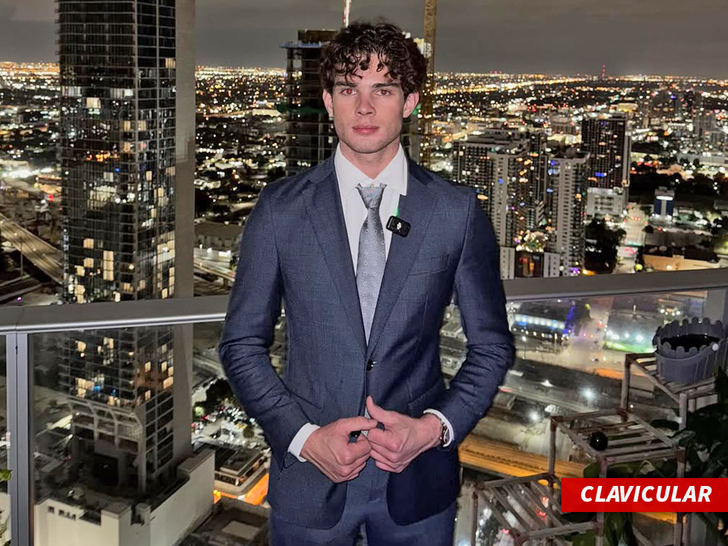
Published on May 13, 2026, internet personality and "Looksmaxxing" streamer Clavicular disclosed a shocking personal history on Logan Paul and Mike Majlak’s "Impaulsive" podcast, revealing that he intentionally inflicted trauma upon his own face with a hammer during his teenage years in an extreme attempt to reshape his jawline. The streamer, whose real name has not been widely publicized but operates under the moniker Clavicular across various platforms, asserted that these dangerous self-modification efforts have contributed to his current social success, claiming to currently have three girlfriends with a fourth potentially on the horizon. This revelation has ignited a fervent discussion across social media platforms, drawing attention to the increasingly prevalent and often perilous trends within online beauty and self-improvement communities, particularly the "looksmaxxing" subculture.
The Alarming Confession on "Impaulsive"
The "Impaulsive" podcast, known for its candid interviews with prominent internet figures, provided the platform for Clavicular’s extraordinary confession. During the May 13, 2026, episode, Clavicular detailed to hosts Logan Paul and Mike Majlak his adolescent fixation on altering his physical appearance, specifically targeting his jawline. He recounted deliberately smashing his face with a hammer on "three or four" separate occasions. The severity of these actions reportedly prompted his parents to hide all hammers within their home in a desperate attempt to prevent further self-harm. Undeterred, Clavicular admitted to improvising with a sports trophy for subsequent attempts to achieve his desired facial structure.
This account of self-inflicted blunt force trauma to a delicate and critical area of the human anatomy underscores a disturbing commitment to an extreme aesthetic ideal. While the hosts of "Impaulsive" are accustomed to provocative content, Clavicular’s explicit description of such dangerous practices, coupled with his casual assertion of its positive social outcomes, has raised significant concerns among viewers and experts alike regarding the potential influence on impressionable audiences. The streamer’s current boast of a burgeoning "harem" of girlfriends, and his claim that he received numerous affirmative responses when inviting "babes" to move in with him, appears to be presented as direct evidence of the success of his unorthodox methods.
Understanding "Looksmaxxing": A Digital Phenomenon
Clavicular identifies himself as a practitioner of "looksmaxxing," a term that has gained considerable traction in various online male communities, particularly on forums, social media, and streaming platforms. "Looksmaxxing" refers to a set of practices, often extreme and unverified, aimed at maximizing one’s physical attractiveness, primarily for social and romantic gain. The movement is largely driven by a subset of online culture that emphasizes the importance of male facial aesthetics and body composition as primary determinants of success and desirability.

The origins of "looksmaxxing" can be traced back to online forums and communities, initially characterized by discussions around general fitness, skincare, and grooming. However, over time, the movement has evolved to encompass increasingly radical and unscientific methods. Common "looksmaxxing" practices include:
- Mewing: A supposed technique of proper tongue posture to reshape the jaw and palate.
- Facial Exercises: Claims of strengthening jaw muscles and improving facial symmetry.
- Diet and Supplement Regimens: Often highly restrictive or based on dubious claims.
- Hair and Skincare Routines: Focus on achieving idealized complexions and styles.
- Fashion and Styling: Curating an image to enhance perceived attractiveness.
Beyond these relatively benign, albeit often unproven, methods, a more extreme fringe of the "looksmaxxing" community advocates for highly invasive and dangerous interventions, ranging from illicit use of performance-enhancing drugs to self-surgery and, as exemplified by Clavicular, self-inflicted trauma. The underlying philosophy often promotes the idea that physical attractiveness is the ultimate currency in social interactions, leading individuals to pursue drastic measures in pursuit of perceived perfection. This pursuit is frequently fueled by comparison with idealized images of masculinity proliferated on social media and a belief in the inherent unfairness of genetic lottery.
The Grave Medical and Psychological Risks
Clavicular’s account of intentionally fracturing his jaw raises profound medical and psychological alarms. The human jaw, composed primarily of the mandible and maxilla bones, is a complex structure integral to speech, chewing, and protecting vital neurological and vascular networks. Self-inflicted blunt force trauma to this area carries an extremely high risk of severe and potentially permanent damage.
Medical Risks:
- Fractures and Displacement: Repeated impact can cause simple, comminuted (multiple fragments), or displaced fractures. These often require surgical intervention with plates and screws to stabilize the bone. Improper healing can lead to malocclusion (misalignment of teeth), chronic pain, and difficulty eating or speaking. The average adult jawbone requires a significant amount of force to fracture, typically from high-impact collisions or falls. Deliberately applying such force with an object like a hammer poses an immense risk.
- Nerve Damage: The trigeminal nerve, which provides sensation to the face and controls chewing muscles, is highly susceptible to damage from trauma. Injuries can result in permanent numbness, tingling, or paralysis, profoundly affecting quality of life. The mental nerve, a branch of the trigeminal, exits near the chin and is particularly vulnerable.
- TMJ Dysfunction: The temporomandibular joint (TMJ), connecting the jawbone to the skull, can be severely damaged. This can lead to chronic pain, clicking or locking of the jaw, and restricted movement, potentially necessitating complex corrective surgeries.
- Infection: Open wounds or internal bleeding from fractures create a fertile ground for bacterial infection, potentially leading to osteomyelitis (bone infection) which can be difficult to treat and may require aggressive antibiotics or further surgery, in severe cases even partial jaw removal.
- Soft Tissue Damage: Beyond bone, trauma can damage muscles, ligaments, and blood vessels, leading to hematomas, scarring, and impaired function. Extensive scarring can permanently alter facial appearance in an undesirable manner.
- Dental Damage: Teeth can be fractured, knocked out, or suffer root damage, necessitating extensive dental work, including root canals, crowns, or implants.
- Brain Injury: Severe blows to the jaw can transmit force to the skull, risking concussion or more severe traumatic brain injury, with potential for long-term neurological deficits.
Psychological Risks:

The motivation behind such extreme self-harm often stems from underlying psychological distress. Experts in mental health would likely point to several potential factors:
- Body Dysmorphic Disorder (BDD): A mental health condition where a person is obsessively preoccupied with perceived flaws in their appearance, which are often minor or imagined by others. Individuals with BDD may go to extreme lengths, including repeated cosmetic procedures or self-mutilation, to "fix" these perceived flaws, yet rarely find satisfaction. Statistics suggest that BDD affects approximately 1.7% to 2.4% of the general population, with men being equally affected as women, and often focusing on muscle dysmorphia or facial features.
- Low Self-Esteem and Insecurity: A profound sense of inadequacy or worthlessness can drive individuals to believe that altering their physical appearance is the only path to acceptance or success.
- Social Pressure and Media Influence: The relentless bombardment of idealized images on social media, coupled with algorithms that can create echo chambers, can exacerbate feelings of inadequacy and promote unrealistic beauty standards. The "looksmaxxing" community itself, while offering a sense of belonging, can also intensify these pressures. Research indicates a strong correlation between heavy social media use and increased body dissatisfaction among young adults.
- Mental Health Crises: Such extreme acts can also be symptomatic of deeper mental health issues, including depression, anxiety, or even psychotic disorders, requiring professional intervention. Self-harm is a serious indicator of psychological distress and should always prompt immediate professional evaluation.
It is crucial for any individual contemplating or engaging in such practices to seek immediate medical and psychological assistance. The risks far outweigh any perceived benefits, and professional help is available for body image issues and mental health concerns.
The Role of Influencers and Ethical Considerations
Clavicular’s public declaration on a widely viewed podcast raises significant ethical questions concerning the responsibility of internet influencers and content platforms. Logan Paul and Mike Majlak’s "Impaulsive" podcast boasts a massive global audience, reportedly reaching millions of listeners and viewers per episode. The unfiltered nature of such confessions, especially when framed as a success story, can inadvertently endorse dangerous behavior. While the podcast format often encourages candidness, there is an inherent responsibility to contextualize or explicitly denounce practices that pose severe health risks. The podcast’s decision to air such content without immediate, prominent disclaimers or expert commentary could be seen as a lapse in journalistic and ethical responsibility.
The phenomenon of "looksmaxxing" itself, while offering a community for individuals seeking self-improvement, has a dark underbelly. When prominent figures within these communities share narratives of extreme self-harm without strong disclaimers or warnings, it risks normalizing or even glamorizing highly dangerous actions for a susceptible audience, particularly young men grappling with body image issues and societal pressures. The internet has democratized content creation, but it has also blurred the lines of authority and expertise, allowing unverified and harmful advice to proliferate rapidly.
Professional medical organizations, such as the American Medical Association or the American Academy of Facial Plastic and Reconstructive Surgery, would unequivocally condemn any form of self-inflicted facial trauma for cosmetic purposes. They would emphasize that aesthetic concerns should always be addressed by qualified medical professionals, such as maxillofacial surgeons, orthodontists, or plastic surgeons, who can offer safe, effective, and ethically sound treatment options. Mental health professionals would further stress the importance of addressing underlying psychological factors rather than resorting to physical alterations that fail to resolve core issues. The potential for catastrophic harm, coupled with the unlikelihood of achieving desired aesthetic results through such crude methods, makes these practices medically indefensible.
Broader Societal Impact and the Future of Online Trends
Clavicular’s story is a stark illustration of the escalating pressures related to body image and attractiveness in the digital age. The constant exposure to curated, often unrealistic, representations of beauty and success on social media platforms like Instagram, TikTok, and YouTube creates an environment where individuals, particularly adolescents and young adults, feel compelled to conform to increasingly narrow aesthetic ideals. The global market for male grooming and cosmetic procedures has seen significant growth, indicating a societal shift towards heightened male aesthetic consciousness, but this should ideally be pursued through safe, professional channels.
The "looksmaxxing" movement, and narratives like Clavicular’s, reflect a broader societal anxiety about personal value being inextricably linked to outward appearance. This trend is not limited to men; women have long faced immense pressure to conform to beauty standards, often leading to extreme diets, cosmetic procedures, and even eating disorders. The rise of male-focused aesthetic movements highlights a widening scope of these pressures across genders.
The implications of such stories are far-reaching. They challenge platforms to develop more robust content moderation policies regarding dangerous health advice and self-harm promotion. They compel educators and parents to engage in more proactive conversations with young people about media literacy, body positivity, and mental health. Furthermore, they underscore the critical need for accessible mental health resources for individuals struggling with body dysmorphia, low self-esteem, and the overwhelming pressures of online culture.
As the digital landscape continues to evolve, the distinction between genuine self-improvement and dangerous obsessions becomes increasingly blurred. Clavicular’s claim of having achieved romantic success through self-inflicted facial trauma, while unverified and deeply concerning, serves as a potent, if disturbing, case study of the lengths individuals may go to in pursuit of perceived societal validation, and the urgent need for a more responsible approach to health and beauty discourse in the online sphere. The medical and psychological community stands firm in its warning: altering one’s physical structure through violence is not a pathway to health, happiness, or sustainable self-improvement, but rather a perilous journey fraught with irreversible risks. Individuals seeking to improve their appearance are strongly advised to consult with certified medical and mental health professionals who can provide safe, ethical, and evidence-based guidance.