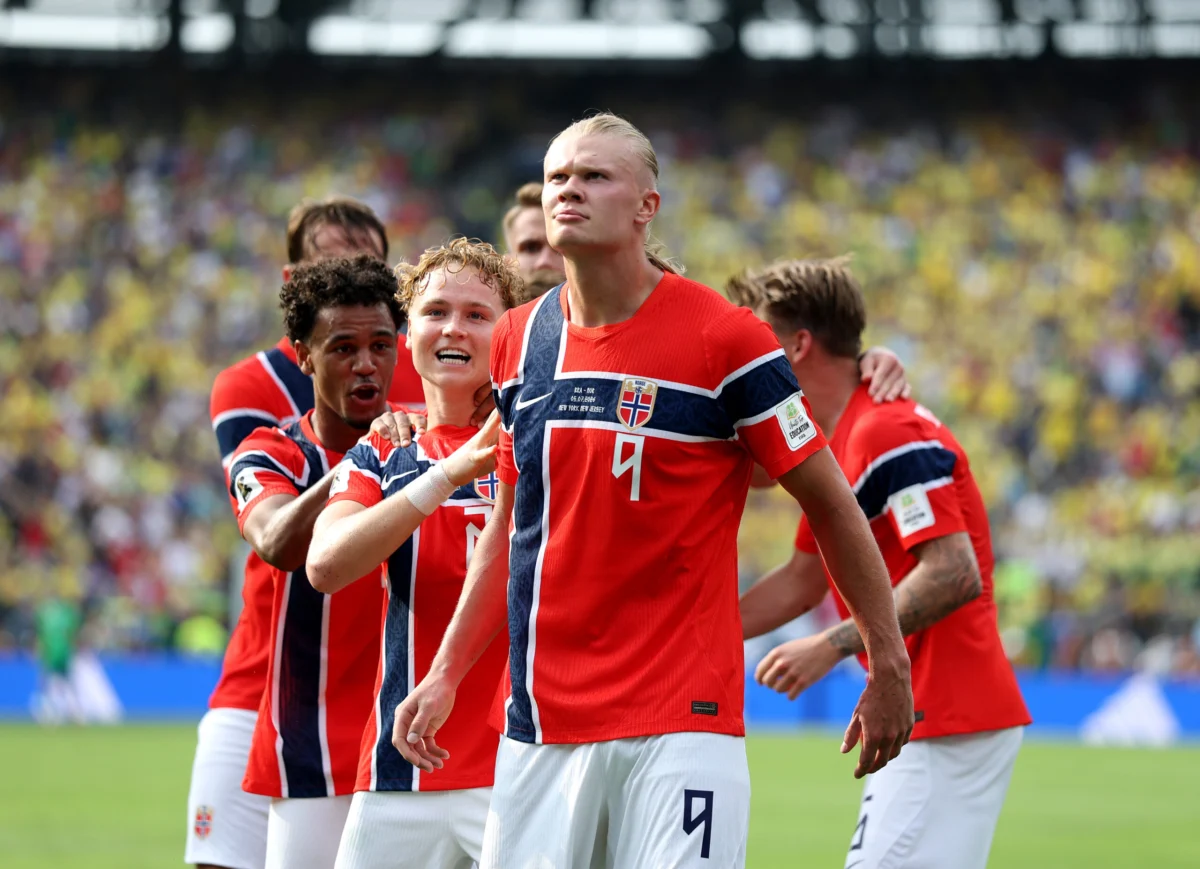
The highly anticipated final day of the 2026 FIFA World Cup quarterfinals will see European giants Norway and England battle for a coveted spot in the semifinals. This pivotal match is scheduled for Saturday, July 11, at the iconic Hard Rock Stadium in Miami, Florida, which will be temporarily known as Miami Stadium for the duration of the tournament. Football enthusiasts across the United States can tune in live at 2 p.m. PT/5 p.m. ET on Fox, with extensive streaming options available to ensure no fan misses a moment of this high-stakes encounter. For those seeking Spanish-language coverage, Telemundo will broadcast the match live, complemented by streaming on Peacock.
The Quarterfinal Showdown: A Battle for Semifinal Glory
This clash represents a critical juncture in the 2026 FIFA World Cup, marking the culmination of the quarterfinal stage. For both Norway and England, the stakes could not be higher: a victory propels them into the tournament’s penultimate round, bringing them one step closer to lifting the prestigious World Cup trophy. The tension leading into this match is palpable, as both nations harbor deep footballing traditions and fervent fan bases eager to see their teams succeed on the global stage.
England, with its rich footballing heritage and perennial status as a top contender, will enter the match with significant expectations. The Three Lions have consistently demonstrated strong performances in recent international tournaments, often reaching the latter stages, and will be looking to capitalize on their squad’s depth and tactical prowess. Their journey to the quarterfinals likely involved navigating a challenging group stage and overcoming formidable opponents in the Round of 16, showcasing resilience and strategic adaptability. Analysts often point to England’s blend of experienced veterans and dynamic young talent as a key strength, allowing them to dictate play and exploit weaknesses in opposition defenses. The pressure on the English squad is immense, given the nation’s passionate desire for another World Cup title, their last coming in 1966.
Norway, while perhaps less frequently cited among the traditional powerhouses compared to England, has historically proven to be a capable and often unpredictable force in international football. Their presence in the quarterfinals signifies a significant achievement, underscoring a period of strong development and competitive spirit within Norwegian football. Their path through the earlier rounds would have undoubtedly required disciplined performances, strategic brilliance, and perhaps a touch of underdog grit. Norwegian teams are often characterized by their robust defensive organization, efficient counter-attacking strategies, and a collective work ethic that can prove difficult for even the most talented opponents to break down. This quarterfinal appearance is a testament to their sustained efforts and could mark a historic moment for Norwegian football should they advance further.
The tactical battle promises to be fascinating. England’s likely approach would involve controlling possession, leveraging their creative midfielders to unlock defenses, and utilizing their wide players to deliver dangerous crosses or cut inside for shots. Norway, on the other hand, might focus on frustrating England’s attacking rhythm, closing down spaces, and launching swift counter-attacks, aiming to exploit any defensive vulnerabilities. Set pieces could also play a crucial role, with both teams likely to have specialists capable of delivering decisive moments. The mental fortitude of the players will be as critical as their physical and technical skills, as the pressure of a World Cup quarterfinal can often lead to moments of brilliance or costly errors.
Hard Rock Stadium: A World-Class Venue for a Global Spectacle
The setting for this electrifying quarterfinal is Hard Rock Stadium in Miami Gardens, Florida. Renowned for its state-of-the-art facilities and ability to host major sporting and entertainment events, the stadium will adopt the temporary moniker of Miami Stadium for the 2026 FIFA World Cup, aligning with FIFA’s clean venue policy. With a seating capacity exceeding 65,000, the stadium is equipped to provide an exhilarating atmosphere for thousands of fans, creating an unforgettable experience for attendees and a vibrant backdrop for the global television audience.
Miami’s selection as one of the host cities for the 2026 World Cup underscores its growing prominence as a global hub for sports and culture. The city’s diverse population, vibrant tourism industry, and excellent infrastructure make it an ideal location for such a prestigious international event. The humid Florida climate in July will present a unique challenge for the players, adding another layer of strategic consideration for coaches regarding player fitness and hydration. However, the stadium’s modern design, including its canopy roof, helps to provide some shade and mitigate the effects of the sun, enhancing comfort for both players and spectators.
Hosting World Cup matches brings significant economic and cultural benefits to the host city. Miami can expect a substantial influx of international visitors, boosting local businesses, tourism, and hospitality sectors. Beyond the immediate economic impact, the World Cup also provides an unparalleled opportunity for Miami to showcase its unique cultural tapestry and solidify its reputation as a world-class destination. The energy generated by a World Cup quarterfinal will undoubtedly resonate throughout the city, fostering a sense of excitement and community pride.
The FIFA World Cup 2026: An Expanded Global Spectacle
The 2026 FIFA World Cup marks a significant milestone in the tournament’s history, being the first to feature an expanded format of 48 participating nations, up from the previous 32. This expansion aims to provide more opportunities for teams from diverse regions to compete on the global stage, fostering greater inclusivity and global football development. Furthermore, it is the first World Cup to be co-hosted by three nations: the United States, Canada, and Mexico, spreading the excitement and logistical demands across a vast geographic area.
The tournament’s chronology begins with the group stage, where teams vie for qualification into the knockout rounds. Following intense group-stage battles, the competition progresses to the Round of 32, then the Round of 16, leading to the highly anticipated quarterfinals. The Norway vs. England match, being on the "final day of quarterfinals," signifies that the winners will join three other victorious nations in the semifinals, setting the stage for the ultimate championship match. This expanded format means more matches, more venues, and an even greater global reach for the beautiful game.
The global broadcast reach of the FIFA World Cup is unparalleled, attracting billions of viewers worldwide. Fox holds the English-language broadcast rights for the 2026 tournament in the United States, committing substantial resources to deliver comprehensive coverage. This investment reflects the immense value and viewership potential of the World Cup, which consistently ranks among the most-watched sporting events globally. The expanded format and multi-nation hosting arrangement are expected to further boost these already staggering viewership figures, making the 2026 edition potentially the most-watched sporting event in history.
Comprehensive Broadcast and Streaming Guide
For fans in the United States, accessing the Norway vs. England quarterfinal is made convenient through multiple broadcast and streaming platforms. The primary English-language broadcast will be live on Fox, a network widely available across the nation via traditional cable and satellite providers. The match kicks off at 2 p.m. PT/5 p.m. ET, making it accessible to viewers across various time zones.
Streaming Options for English-Language Coverage:
For cord-cutters and those preferring digital access, several streaming services offer live access to Fox, ensuring that fans can watch the match on their preferred devices, whether at home or on the go. These services have become increasingly popular for live sports, offering flexibility and often competitive pricing.
- DirecTV Stream: This service provides access to Fox and a broad array of other channels. It offers a generous five-day free trial, allowing new subscribers to watch the quarterfinal and explore its offerings before committing to a subscription. DirecTV Stream is designed to replicate a traditional cable experience online, making it a familiar choice for many viewers.
- Fubo: Known for its sports-centric channel lineup, Fubo is another excellent option for catching the match. It includes Fox in its package and typically provides a one-day free trial, perfect for last-minute access to the game. Fubo caters specifically to sports fans, often boasting extensive coverage of various leagues and tournaments.
- Sling TV: A more customizable and often budget-friendly option, Sling TV offers different channel packages, including those that carry Fox. While it may not always offer extensive free trials, its flexibility allows users to tailor their subscriptions to their viewing needs.
- Hulu + Live TV: Combining Hulu’s extensive on-demand library with live television channels, Hulu + Live TV includes Fox, making it a comprehensive entertainment package. This service is a popular choice for families and individuals looking for a single platform for both live sports and a vast collection of movies and TV shows.
Beyond these general live TV streaming services, the 2026 World Cup also features a dedicated streaming platform for English-language coverage: Fox One. This official World Cup streamer is accessible via Amazon and offers a convenient way to watch all tournament matches. Following a three-day free trial, a Fox One subscription costs $19.99 per month. This dedicated service provides an immersive World Cup experience, often including additional features like highlights, replays, and expert analysis.
Spanish-Language Coverage:
Recognizing the vast Spanish-speaking audience in the United States and globally, the World Cup offers robust Spanish-language coverage. The match will be broadcast live on Telemundo, a leading Spanish-language network. For streaming, Peacock serves as the official Spanish-language World Cup streamer, providing live access to all matches. Peacock offers various subscription tiers, and fans can explore their options to access the full World Cup experience in Spanish. This dual-language approach ensures that the tournament is accessible and enjoyable for a broader demographic, reflecting the global nature of football.
Anticipation, Fan Engagement, and Broader Implications
The anticipation for the Norway vs. England quarterfinal is immense. Social media platforms will undoubtedly be abuzz with fan predictions, analyses, and reactions. National pride will be on full display, with supporters from both countries creating a vibrant and competitive atmosphere, whether cheering from the stadium stands, local pubs, or their living rooms. This match is not just about football; it’s about national identity, collective aspirations, and the shared human experience of competitive sport.
For the winning team, advancing to the semifinals means a guaranteed place in the final four, a position that brings immense prestige and further galvanizes national support. It significantly enhances their chances of reaching the final and potentially winning the World Cup, a feat that would forever etch their names into footballing history. For the losing team, while the disappointment will be profound, reaching the quarterfinals of a World Cup is still a commendable achievement, reflecting the quality and effort invested throughout the tournament.
From a broader perspective, the 2026 FIFA World Cup continues to highlight the intertwining of sports, media, and commerce. The disclaimer regarding affiliate commissions in the original article underscores how modern sports journalism often integrates commercial aspects, providing valuable information to consumers while supporting content creation. The massive investments made by broadcasters like Fox in acquiring World Cup rights are a testament to the event’s unparalleled ability to attract viewers and generate revenue through advertising and subscriptions. This commercial ecosystem ensures that fans worldwide have access to high-quality broadcasts and comprehensive coverage, further cementing the World Cup’s status as a global phenomenon. The evolution of streaming technologies, offering free trials and flexible subscriptions, also reflects a significant shift in how consumers engage with live sports, moving towards more personalized and on-demand viewing experiences. The 2026 tournament, with its expanded format and multi-national hosting, is poised to set new benchmarks in viewership, engagement, and overall global impact.