


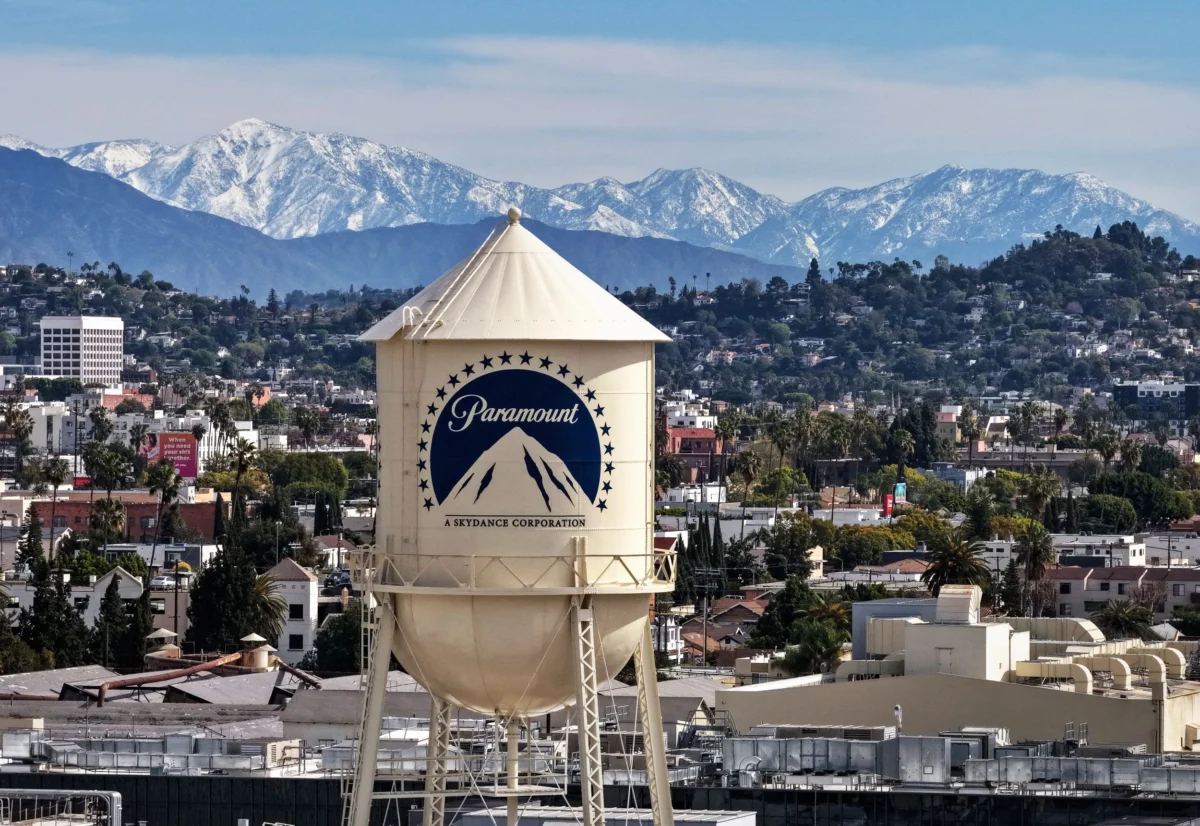
The intersection of professional sports, high-stakes corporate consolidation, and national politics reached a flashpoint on Sunday evening during the Paramount+ livestream of UFC Freedom 250. The event, a sprawling martial arts spectacle held on the South Lawn of the White House to commemorate President Donald Trump’s 80th birthday and the United States’ semiquincentennial, featured a cage-side appearance by the President alongside David Ellison, the chairman and CEO of Paramount. However, a significant controversy emerged behind the scenes when Paramount leadership reportedly blocked a 30-second advertisement from the Freedom of the Press Foundation (FPF). The rejected spot aimed to criticize the pending $111 billion merger between Paramount Skydance and Warner Bros. Discovery (WBD), alleging that the deal poses a direct threat to the editorial independence of major news outlets like CNN.
The FPF, a nonprofit advocacy group dedicated to protecting public-interest journalism, intended for the advertisement to air during the high-profile broadcast. According to statements from the organization, Paramount refused to run the ad, citing a conflict of interest. The advertisement featured footage of President Trump referring to journalists as "the enemy of the people" and suggested that David Ellison, whose family has deep ties to the current administration, might use his executive power to influence CNN’s coverage. As Paramount awaits finalization of its acquisition of Warner Bros. Discovery—the parent company of CNN—critics argue that the refusal to air dissent regarding the merger validates concerns about future corporate censorship.
Details of the Rejected Advertisement and FPF Allegations
The 30-second advertisement produced by the Freedom of the Press Foundation was designed to be a pointed critique of media consolidation. It highlighted a New York Times report from April 2026, which revealed that David Ellison had hosted a private celebratory event in honor of President Trump while the Justice Department was reviewing the Paramount-WBD merger. The ad also incorporated a controversial quote from Scott Pelley, the veteran correspondent who was recently terminated from CBS News’ "60 Minutes." Pelley’s departure followed a public rift over alleged editorial shifts at the network, which is owned by Paramount.
In his public statements following his firing, Pelley alleged that the new executive leadership at Paramount—overseen by Ellison and network editor-in-chief Bari Weiss—had pressured him to "inject falsehoods and bias" into his reporting. Pelley claimed these efforts were intended to "curry a moment of favor with the Trump administration" as the company sought regulatory approvals for its various business ventures. The FPF advertisement warned that if the merger is completed, CNN’s editorial staff could face similar pressures to align their reporting with the interests of the Ellison family and the White House.
Seth Stern, the chief of advocacy for the Freedom of the Press Foundation, issued a scathing response to the ad’s rejection. "Ellison won’t air criticism of himself, his company, or his buddy Trump," Stern stated. "These antics are bad for press freedom, bad for the public, and bad for Paramount. Billionaires who don’t respect the First Amendment should stay out of the news business." Stern further argued that Paramount’s claim of a "conflict of interest" was hypocritical, given that the UFC event itself served as a platform for political promotion.
A Chronology of the $111 Billion Media Mega-Merger
The path toward the creation of a Paramount-Warner Bros. Discovery behemoth has been marked by rapid consolidation and political maneuvering. The following timeline outlines the key events leading up to the current controversy:
- August 2025: Skydance Media, led by David Ellison and backed by his father, Oracle founder Larry Ellison, successfully closes its acquisition of Paramount Global. The deal positions the Ellisons as the dominant force in one of Hollywood’s "Big Five" studios.
- August 11, 2025: Paramount secures exclusive U.S. broadcast rights for the UFC in a landmark seven-year, $7.7 billion agreement, cementing a partnership between the media giant and the mixed martial arts organization.
- March 2026: Defense Secretary Pete Hegseth publicly endorses the potential takeover of CNN by the Ellison family, stating, "The sooner David Ellison takes over that network, the better."
- April 2026: Reports surface of a private gala hosted by David Ellison for President Trump, raising questions about the proximity between the media executive and the executive branch during an active antitrust review.
- June 12, 2026: The U.S. Department of Justice (DOJ) officially clears the $111 billion merger between Paramount Skydance and Warner Bros. Discovery, a move that would bring CBS News and CNN under the same corporate umbrella.
- June 14, 2026: UFC Freedom 250 is held on the White House lawn. Paramount refuses to air the FPF advertisement during the livestream.
Supporting Data: The Economic and Media Impact of the Deal
The proposed merger between Paramount and Warner Bros. Discovery is one of the largest in the history of the American media industry. With a total valuation of approximately $111 billion, the combined entity would control an unprecedented share of both the entertainment and news markets.
Data indicates that the merger would unite the following major assets:
- Broadcast and Cable News: CBS News and CNN, two of the three largest news organizations in the United States.
- Streaming Platforms: A combined service featuring the libraries of Paramount+ and Max (formerly HBO Max).
- Film Studios: Paramount Pictures and Warner Bros. Pictures, two historical pillars of the global film industry.
- Sports Rights: The $7.7 billion UFC contract, alongside existing rights for the NFL, NBA, and March Madness.
Economists and antitrust experts have raised concerns that such a high level of concentration could lead to reduced competition in the advertising market and higher subscription costs for consumers. More significantly, press freedom advocates point to the "editorial monoculture" that could result from having two major, traditionally independent news organizations answering to the same board of directors—particularly one with documented political ties.
Official Responses and Stakeholder Silence
Despite the public outcry from the Freedom of the Press Foundation, official channels have remained largely silent regarding the ad rejection. Paramount Global did not respond to multiple requests for comment on its decision-making process or the specific criteria used to define a "conflict of interest" for paid advertisements. Similarly, the White House has issued no statement regarding the event’s commercial content or the President’s appearance alongside David Ellison.
CNN, the network at the center of the editorial independence debate, declined to comment on the matter. Inside the network, however, sources suggest a growing anxiety among staff regarding the "Skydance era." The recent overhaul at CBS News, which saw the installation of Bari Weiss and the departure of veteran figures like Scott Pelley, is viewed by many at CNN as a blueprint for what may occur once the merger is finalized.
Analysis of Implications for Press Freedom and Midterm Elections
The refusal to air the FPF advertisement is being viewed by many analysts as a "canary in the coal mine" for the future of American media. If a major broadcaster can unilaterally silence criticism of its own corporate maneuvers during a public-interest event, the implications for the broader democratic discourse are significant.
The timing of the merger and the UFC event is also politically charged. As the United States approaches a crucial midterm election cycle, the alignment of major media outlets with the administration in power is a primary concern for opposition parties and independent watchdogs. If the Paramount-WBD merger results in a "softening" of CNN’s investigative reporting, it could fundamentally alter the information landscape during the lead-up to the elections.
Furthermore, while the Department of Justice has cleared the deal, the legal battle is far from over. State attorneys general in California, New York, and several other jurisdictions are reportedly preparing lawsuits to block the acquisition on antitrust grounds. These state-level officials argue that the federal government’s approval failed to account for the unique threat the merger poses to the diversity of news voices. A successful state-led intervention could delay the deal’s closing by several months, potentially pushing the finalization past the midterm elections.
Conclusion: The New Frontier of Media Consolidation
The spectacle of UFC Freedom 250—a mixture of blood sport, presidential celebration, and corporate branding—serves as a vivid illustration of the changing dynamics in the American power structure. The rejection of the Freedom of the Press Foundation’s advertisement suggests that the new titans of media are increasingly willing to exercise their gatekeeping power to shield themselves and their political allies from scrutiny.
As the $111 billion merger moves toward its final stages, the focus will remain on whether the American regulatory and legal systems can maintain a distinction between corporate interests and the public’s right to an independent press. For now, the "bruising blow" missed by viewers on Sunday night remains a central topic of debate in the halls of Congress and the newsrooms across the country.