Congressional Democrats convened a significant "shadow hearing" on Monday, May 18th, to publicly dissect and criticize the settlement agreement reached between the federal government and Live Nation during the company’s high-stakes antitrust trial. This parallel proceeding, held without the sanction of the Republican-controlled chambers, brought together key figures from the legal, artistic, and promotional sectors to voice their discontent and highlight the perceived shortcomings of the Department of Justice’s (DOJ) initial resolution, particularly in light of the subsequent verdict where state attorneys general successfully argued that Live Nation had monopolized crucial segments of the live music industry.
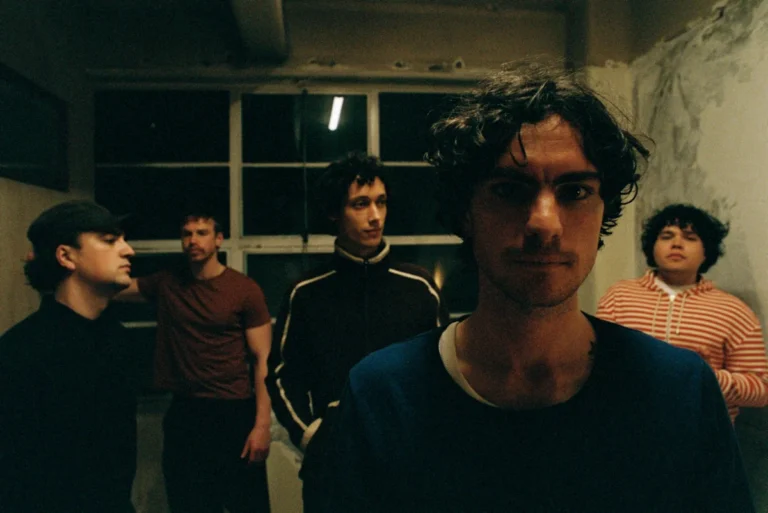
The hearing featured testimony from a panel of distinguished witnesses, including California Attorney General Rob Bonta, who spearheaded the state’s persistent legal challenge against Live Nation. Also present were former DOJ lawyer Roger Alford, offering an insider’s perspective on the federal government’s approach; Franz Nicolay, the keyboardist for The Hold Steady, representing the artist community; Jerry Mickelson, an independent promoter; and Tom DeGeorge, an independent venue owner. Their collective testimonies aimed to underscore the broad impact of Live Nation’s alleged monopolistic practices on artists, venues, and consumers alike, and to challenge the DOJ’s decision to settle the case prematurely.
Background and Chronology of the Antitrust Battle
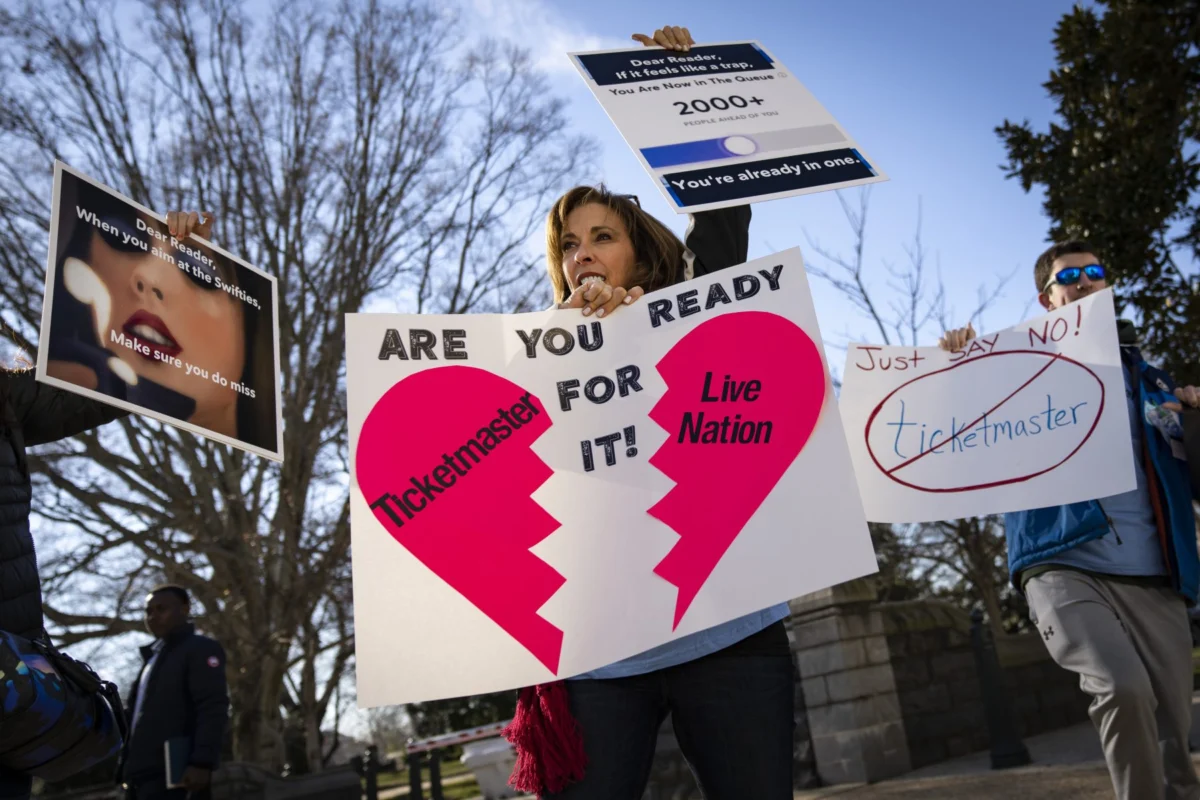
The legal confrontation between Live Nation and the U.S. Department of Justice, later joined by numerous state attorneys general, stemmed from long-standing accusations of anticompetitive behavior following the 2010 merger of Live Nation and Ticketmaster. Critics argued that the combined entity wielded excessive power over the live entertainment ecosystem, dictating terms to artists, venues, and fans through its control of ticketing, promotion, and venue management.
The DOJ initiated a blockbuster antitrust trial against Live Nation, aiming to dismantle its alleged monopoly. However, in a move that surprised many legal observers, the DOJ announced a settlement with Live Nation in March, just days into the trial. This agreement stipulated that Live Nation would curb certain exclusivity practices but, crucially, allowed the company to retain ownership of Ticketmaster. This outcome was widely viewed as a significant concession by the federal government.
Dozens of states, however, refused to accept the DOJ’s settlement, viewing it as insufficient to address the pervasive issues of market dominance. These states, led by figures like California Attorney General Rob Bonta, pressed forward with their case, determined to secure a more decisive victory. Their persistence paid off when, after the DOJ’s withdrawal from the trial, the remaining plaintiffs successfully obtained a verdict holding Live Nation liable for monopolizing various aspects of the live music industry, including artist promotion, venue operations, and ticketing services.
Criticism of the DOJ Settlement

During the "shadow hearing," Democratic lawmakers unequivocally condemned the DOJ’s decision to settle the antitrust case. Senate Majority Leader Chuck Schumer (D-N.Y.) characterized the agreement as a "sweetheart deal," implying it was overly favorable to Live Nation. Representative Jamie Raskin (D-Md.), a vocal critic of the settlement, dismissed it as a "trivial and pathetic slap on the wrist." Senator Amy Klobuchar (D-Minn.), a long-time advocate for robust antitrust enforcement, echoed these sentiments, labeling the DOJ’s resolution a "complete sellout."
These criticisms were amplified by reports suggesting that Live Nation had enlisted the services of prominent political operatives, including Kellyanne Conway and Mike Davis, known for their ties to the Trump administration, to lobby for the favorable settlement. This revelation fueled the perception that political influence may have played a role in the DOJ’s decision to compromise.
Testimony from Key Witnesses
California Attorney General Rob Bonta provided crucial insights into the circumstances surrounding the DOJ’s settlement. He described a sudden and unexpected shift in the federal government’s stance during the trial. "The DOJ suddenly went quiet midway through the trial despite their years-long united front in pursuing the case against Live Nation," Bonta testified. He further elaborated on the impact of this change, stating, "They burned all the trust. They bailed. They left us hanging. We’re a team, and they left their teammates. They left us flat-footed for a moment, but we regrouped quickly… We were able to fight for more, and we got more." Bonta’s account painted a picture of federal abandonment and the subsequent determination of the states to carry the fight forward independently.
Roger Alford, a former DOJ lawyer, offered a perspective on the internal dynamics that might have led to the settlement, though his specific contributions to the hearing were not detailed in the original report. His presence suggested a desire to explore the decision-making process within the DOJ.
The artistic and independent promoter perspectives offered a stark contrast to Live Nation’s narrative. Franz Nicolay, keyboardist for The Hold Steady, spoke about the pervasive fear within the music industry that stifles open criticism of Live Nation. "Many of the performers we asked to testify today at this event would not make themselves available for fear that Live Nation Entertainment would take away their livelihood," Raskin stated, echoing Nicolay’s concerns. Nicolay himself highlighted that the impact of Live Nation’s alleged monopolistic practices extends beyond superstar artists. "The music industry obviously is always going to focus on the Taylor Swifts and Bruce Springsteens," Nicolay observed, "but the monopolistic forces that control the industry equally affect the broad popular music middle class."
Independent promoter Jerry Mickelson and venue owner Tom DeGeorge likely provided accounts of how Live Nation’s dominance has made it challenging for smaller promoters and venues to compete, potentially through exclusive booking deals or preferential treatment of larger-scale events. Their testimonies would have underscored the economic ramifications for independent businesses within the live music sector.
Implications of the Verdict and Future Ramifications

The verdict that found Live Nation liable for monopolizing the live music industry carries significant weight, even though the final penalties, or "remedies," are yet to be determined. This decision opens the door for substantial structural changes within the company. A critical juncture is approaching as the states prepare to argue for a forced sale of Ticketmaster in a major court brief expected imminently. Such a move would represent a significant blow to Live Nation’s integrated business model and could fundamentally alter the ticketing landscape.
Live Nation, however, remains outwardly confident, asserting that the ultimate outcome "will not be materially different than what is envisioned by the DOJ settlement." The company has also indicated its intention to appeal any rulings deemed unfavorable, maintaining its defense that its market success is a product of legitimate business acumen rather than anticompetitive practices. This stance sets the stage for a protracted legal battle, even after the initial verdict.
The lawmakers advocating for a breakup of Ticketmaster see the recent verdict as a crucial step toward achieving that goal. The concern articulated by Representative Raskin, that artists are "seriously afraid" of Live Nation, underscores the power imbalance that many believe the company exploits. A breakup of Ticketmaster could potentially foster a more competitive ticketing market, reduce service fees for consumers, and provide artists and independent venues with greater autonomy and negotiation power.
The DOJ’s decision to settle the case, and the subsequent criticism it has faced, raises broader questions about the effectiveness of antitrust enforcement and the influence of political considerations on regulatory actions. The "shadow hearing" served as a platform for Congress to exert its oversight function, demanding greater accountability from federal agencies and signaling a continued commitment to addressing market concentration in key industries.
Broader Economic and Industry Impact
The implications of this antitrust battle extend beyond the immediate legal proceedings. A forced sale of Ticketmaster could lead to the emergence of new ticketing platforms, potentially driving innovation and competition in a sector often criticized for its lack of consumer-friendly practices. It could also empower independent promoters and venues, fostering a more diverse and vibrant live music scene.
For artists, particularly those in the middle class of popular music, the potential dismantling of Live Nation’s monopolistic grip could translate into fairer contract terms, greater control over their touring and ticketing, and ultimately, a more sustainable career path. Consumers, who have frequently borne the brunt of exorbitant fees and limited choices, may eventually benefit from a more competitive market.
The ongoing legal saga involving Live Nation and Ticketmaster highlights the persistent challenges in regulating powerful, consolidated entities in the digital age. The "shadow hearing" demonstrated a clear intent by congressional Democrats to scrutinize and challenge agreements that they perceive as failing to protect public interest, setting a precedent for future oversight of corporate antitrust issues. The industry, artists, and consumers will be closely watching the upcoming court proceedings and the potential structural changes that could reshape the future of live entertainment.