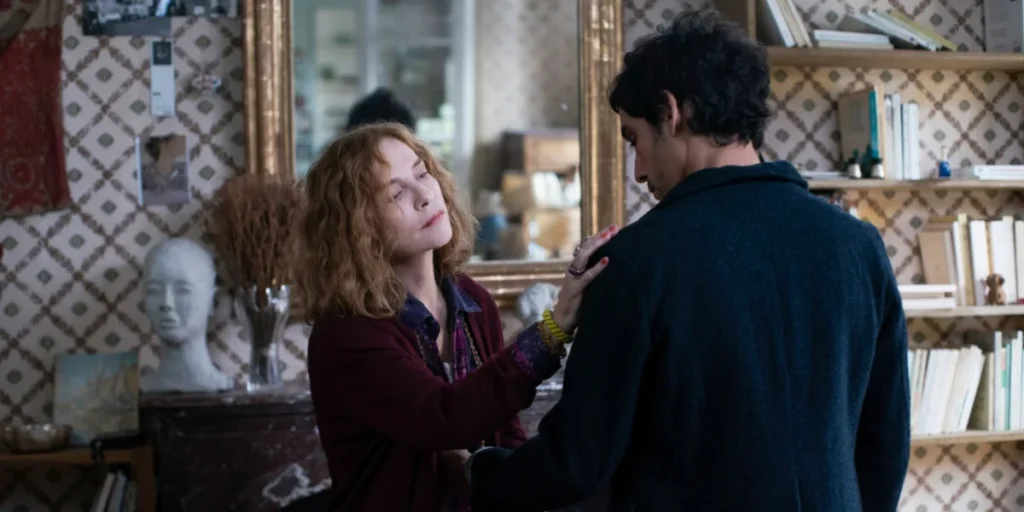


Valeria Sarmiento’s latest cinematic endeavor, Behind the Rain, made its highly anticipated world premiere in the Crystal Globe main competition of the 60th Karlovy Vary International Film Festival (KVIFF), offering audiences a profound and visually arresting narrative that delves into the hidden traumas of childhood abuse within the veiled landscapes of southern Chile. The film introduces Sofía, a recent psychology graduate returning to her hometown of Valdivia, whose homecoming is irrevocably altered by the discovery of a young girl’s body. This tragic event ignites a dormant storm of painful childhood memories, compelling Sofía to confront a past shrouded not only in personal suffering but also in a pervasive communal silence. Her journey forces a difficult choice: to pierce through the metaphorical and literal "rain" that obscures truth and expose an uncomfortable history for herself and her community.
Thematic Depth and Narrative Core
At its heart, Behind the Rain is a psychological drama intertwined with a poignant social commentary. Sofía’s character serves as an archetype for many who carry the burdens of unresolved trauma. Her academic background in psychology, while providing her with analytical tools, also underscores the emotional and deeply personal nature of her quest. The film masterfully employs the melancholic, rain-drenched atmosphere of Valdivia – often referred to as the "City of Rivers" – as a powerful metaphor for the layers of secrets and unspoken suffering that permeate the community. The constant rainfall becomes a veil, both obscuring and cleansing, reflecting the arduous process of confronting a painful truth. The discovery of the body acts as a catalyst, not merely for a criminal investigation, but for a collective introspection, forcing characters and, by extension, the audience to acknowledge the often-ignored realities of child abuse. The film challenges the comfort of societal silence, positing that true healing can only begin when difficult conversations are had, and hidden histories are brought to light.
Karlovy Vary: A Prestigious Launchpad
The selection of Behind the Rain for the Crystal Globe main competition at the Karlovy Vary International Film Festival underscores its significance on the global cinematic stage. KVIFF, one of the oldest and most respected film festivals in Europe, is renowned for showcasing challenging, artistically ambitious, and socially relevant films from around the world. Its Crystal Globe award is a significant accolade, often preceding wider international recognition for its recipients. For a film tackling such a sensitive yet universally relevant subject as childhood sexual abuse, a premiere at KVIFF provides an invaluable platform for critical discourse and audience engagement. The festival’s reputation for fostering intellectual debate and promoting diverse voices aligns perfectly with Sarmiento’s stated ambition for Behind the Rain to spark vital societal conversations. The 60th edition, in particular, celebrated significant milestones, enhancing the visibility of films chosen for its competitive sections.
Valeria Sarmiento: A Career Defined by Insight and Resilience
Valeria Sarmiento, the acclaimed Chilean director behind Behind the Rain, brings a formidable artistic legacy to this project. Born in 1948, Sarmiento is a veteran filmmaker whose career has spanned decades, often marked by her distinctive observational style and a keen interest in complex human psychologies and societal structures. Her early career was shaped by the tumultuous political climate in Chile, leading to her exile in France, where she continued to develop her craft. She is also notably the widow and frequent collaborator of the legendary Chilean director Raúl Ruiz, an association that has undoubtedly influenced her unique cinematic perspective, though her own voice remains distinct and powerful.
Sarmiento’s filmography is diverse, ranging from documentaries to fiction, frequently exploring themes of memory, identity, and the intricate relationships between individuals and their environments. Her collaborations with various international production teams and her ability to navigate different cultural contexts have solidified her reputation as a truly global filmmaker. Previous works, such as Secrets (2008), which also saw her collaborate with Chamila Rodríguez, have demonstrated her capacity to tackle intimate human dramas with both sensitivity and unflinching honesty. Her decision to confront the pervasive issue of child abuse in Behind the Rain is a testament to her commitment to using cinema as a tool for social commentary and change, building on a career foundation of artistic integrity and a deep understanding of the human condition.
The Genesis of a Story: Inspiration and Collaborative Craft

The inspiration for Behind the Rain stemmed from a stark societal reality. As Sarmiento revealed in an interview at KVIFF, "The initial inspiration was that in our society, child abuse is sadly really common. And oftentimes, we are silent about it." This observation formed the bedrock of the film’s narrative. The screenplay, developed from Sarmiento’s original idea, saw a significant contribution from the late Omar Saavedra Santis, a revered figure in Chilean literature and screenwriting.
Sarmiento initially explored developing the film with French and Swiss collaborators, but progress was slow. It was Chamila Rodríguez, her long-time producing partner and actress, who suggested returning to Chile for the project, recognizing the unique cultural and social nuances that would resonate more authentically within its native context. This pivotal decision led Sarmiento to contact Santis, who then joined the team and helped expand and refine her initial concept. Santis’s involvement brought a profound depth to the script, his literary sensibility undoubtedly enriching the narrative’s layers of memory, trauma, and the unspoken. His contribution, as one of his final film projects, serves as a poignant testament to his enduring artistic legacy and his commitment to impactful storytelling, even in his final years. The collaborative process, particularly the decision to anchor the story firmly in Chilean soil, proved crucial in shaping the film’s authentic voice and thematic resonance.
Chamila Rodríguez: A Producer and Performer’s Personal Connection
Chamila Rodríguez’s involvement in Behind the Rain extends far beyond her role as a cast member; she is also the film’s dedicated producer, a testament to her deep commitment to the project. Her long-standing collaboration with Valeria Sarmiento, spanning over two decades since films like Secrets (2008), speaks to a profound mutual trust and shared artistic vision. Rodríguez was drawn to the film’s "artistic complexity" and the opportunity to tackle such a crucial subject matter.
Her connection to the narrative is profoundly personal. Rodríguez bravely shared her own experience of childhood abuse, which remained hidden until she was 40. This deeply personal history imbued her with a unique empathy for the film’s themes and characters. "My experience of child abuse was hidden, and I never spoke about it until I was 40. Then; I finally started to speak about it, so I could really relate to the story," she stated. This personal resonance made her immediate decision to join the project upon reading the script entirely understandable. For Rodríguez, art, and particularly film, serves as a powerful medium for healing and transformation, a way to "exorcize demons" and convert painful experiences into something positive and constructive for societal dialogue. Her dual role as producer and actress—portraying a "difficult" lawyer character—allowed her to contribute to the film’s authenticity from both creative and logistical standpoints, ensuring the narrative was handled with the sensitivity and gravity it demanded. Her commitment as a producer also highlights the significant challenges faced by independent filmmakers in bringing such vital, often uncomfortable, stories to the screen.
The Visual Language: Black-and-White and the Power of Place
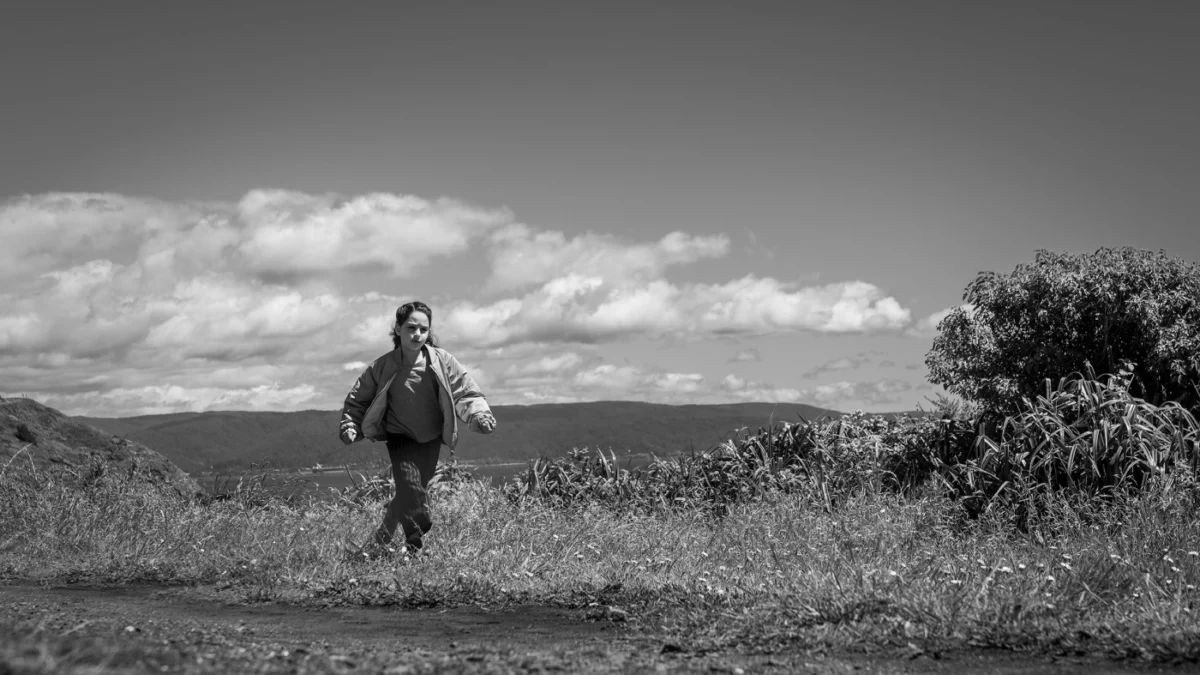
One of the most striking artistic choices in Behind the Rain is its predominant use of black-and-white cinematography, punctuated by a powerful transition to color only in the film’s denouement. This decision was intentional from the outset, deeply rooted in Sarmiento’s own cinematic upbringing. "I knew from the very beginning that the film was going to be in black and white, except for the ending, because I grew up seeing films with no color," she explained, recalling her birth in 1948 and the cinematic landscape of her youth.
Beyond personal nostalgia, the black-and-white palette serves a profound thematic purpose. It evokes a sense of timelessness, memory, and the stark, often uncomfortable, reality of the past. The absence of color can strip away superficial distractions, forcing the viewer to confront the emotional core of the narrative and the characters’ internal struggles. It suggests a world where innocence has been tainted, and truths remain hidden beneath layers of ambiguity, much like the "veil" of rain. The decision to introduce color only at the very end is a deliberate and impactful choice, symbolizing a breakthrough, a moment of clarity, or perhaps the emergence of hope and healing after prolonged darkness. This artistic decision is also encapsulated in the film’s title, drawing inspiration from Sarmiento’s mother’s wisdom: "My mother said to me that I have to look behind the rain in order to see all the colors and aspects, so that’s what I tried to do."
The film’s visual identity is further enhanced by its setting in Valdivia, Chile. The city’s unique geography, characterized by its numerous rivers, lush temperate rainforests, and notoriously rainy climate, becomes an integral character in itself. The perpetual rain creates a moody, atmospheric backdrop that perfectly mirrors the film’s somber themes and the hidden nature of the abuse. The beautiful yet often melancholic black-and-white landscape images captured by Director of Photography Acácio de Almeida elevate the narrative, using the environment to heighten emotional resonance and underscore the psychological weight of the story.
Assembling the Ensemble: Casting and Performances

The success of a film like Behind the Rain, which hinges on nuanced emotional performances, relies heavily on its cast. Sarmiento faced a particular challenge in casting the lead role of Sofía. "It was not easy to find an actress who would be able to travel with us to Valdivia, because many actresses work in theaters, and they can’t really travel to go there," she noted. The demanding nature of the role, combined with the logistical requirements of shooting on location, narrowed the field.
However, Sarmiento found her lead in Paula Prado. "And when I found Paula, I immediately felt that she was the right person, that she would be the perfect one to convey the ideas of the film," she recalled. Prado, a respected figure in Chilean cinema, brings a quiet intensity and depth to Sofía, embodying the character’s internal struggle and her eventual resolve to confront her past. The ensemble cast also features other prominent Chilean talents, including Cristián Arriagada, Aline Kuppenheim, Shlomit Baytelman, Chamila Rodríguez, Daniel Muñoz, and Julio Milostich, alongside young actors Aimar Alarcón Rodríguez and Clara Vargas Arellano. Each actor contributes to the intricate tapestry of the Valdivian community, portraying characters who are either directly affected by the central trauma or are complicit in the societal silence surrounding it. The strength of these performances is crucial in conveying the complex emotional landscape of the film and ensuring its message resonates authentically with the audience.
The Filmmaking Process: On Set in Valdivia
The production of Behind the Rain in Valdivia was characterized by an atmosphere of harmony and trust, a sentiment echoed by both Sarmiento and Rodríguez. Despite the difficult subject matter, the set environment was notably positive. Sarmiento described the shoot as "very harmonious," a testament to her calm and clear directorial approach. Chamila Rodríguez elaborated on this, praising Sarmiento’s leadership: "It is a great pleasure to work with Valeria, because as a director, she’s really calm, and you can trust her. You feel safe, and she knows exactly what she wants." This sense of security and clear vision from the director is invaluable, particularly when navigating emotionally taxing material, allowing actors to delve deep into their roles without undue external pressure.
Beyond the harmonious working relationship, the choice of Valdivia as a filming location proved advantageous. As Rodríguez pointed out, "Valdivia is a beautiful small town. Everything is close there, so from a technical point of view, it was really helpful and easy to work there." This logistical ease allowed the production team, including editor Galut Alarcón, to focus on capturing the film’s nuanced performances and the evocative power of its setting. The cohesive and supportive environment on set undoubtedly contributed to the film’s artistic integrity and its ability to convey such a profound and sensitive narrative with authenticity and impact.
Broader Impact and Societal Dialogue
The ultimate hope for Behind the Rain, as articulated by both Valeria Sarmiento and Chamila Rodríguez, is to ignite a much-needed societal dialogue about childhood sexual abuse. "We hope the film will do exactly that," Sarmiento affirmed. Rodríguez underscored the urgency of this conversation: "Yes, because people have to talk about it. It’s like the abuse is hidden because children don’t have the words to be able to tell others about what’s been happening."
The film aims to shatter the pervasive silence that often surrounds such trauma, particularly within communities where cultural norms or fear of social repercussions can suppress disclosure. By bringing these difficult experiences to the forefront through compelling storytelling, Behind the Rain seeks to empower survivors, validate their experiences, and encourage a more open and supportive environment for healing. The film’s premiere at a prestigious international festival like Karlovy Vary ensures its message reaches a global audience, fostering broader discussions beyond Chile.
In a world where statistics continue to reveal the alarming prevalence of child abuse and the devastating long-term effects of unaddressed trauma, art plays a crucial role in raising awareness and fostering empathy. Behind the Rain is not merely a film; it is a powerful call to action, urging individuals and communities to look beyond the metaphorical "rain" of denial and discomfort, to see the colors of truth, and to finally break the silence that has perpetuated so much suffering. Its release marks a significant contribution to the ongoing global conversation about accountability, survivor advocacy, and the transformative power of speaking out. The film’s legacy will likely be measured not just by critical acclaim, but by its capacity to encourage meaningful dialogue and contribute to a more protective and responsive society for children.