

The landscape of independent film in 2026 has been significantly altered by the arrival of Night Nurse, a psychosexual thriller directed by Georgia Bernstein. Following its high-profile premiere in the NEXT competition at the Sundance Film Festival, the film has secured a wide theatrical and digital release through IFC Films, scheduled for July 10, 2026. Moving away from the traditional, often risk-averse narratives that frequently dominate the festival circuit, Bernstein’s debut feature has garnered attention for its bold aesthetic choices, its unsettling exploration of elder exploitation, and its refusal to provide easy moral resolutions.
Narrative Overview and Character Dynamics
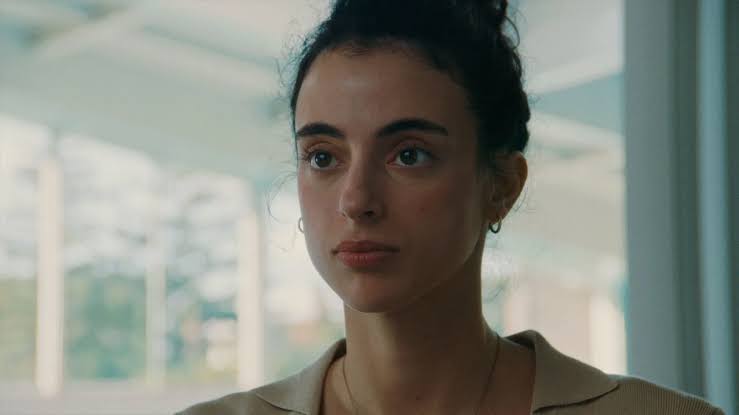
Night Nurse centers on Eleni, portrayed by Cemre Paksoy, a novice nurse beginning her tenure in a memory-care unit. Her primary assignment involves Douglas (Bruce McKenzie), an elderly patient undergoing evaluation for early-onset Alzheimer’s disease. The setting—a languid, seemingly timeless retirement community—serves as the backdrop for a complex psychological game.
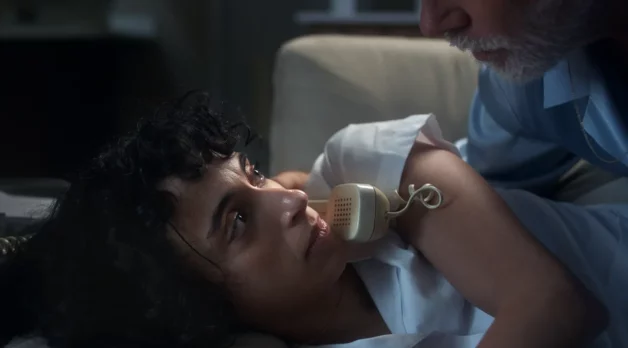
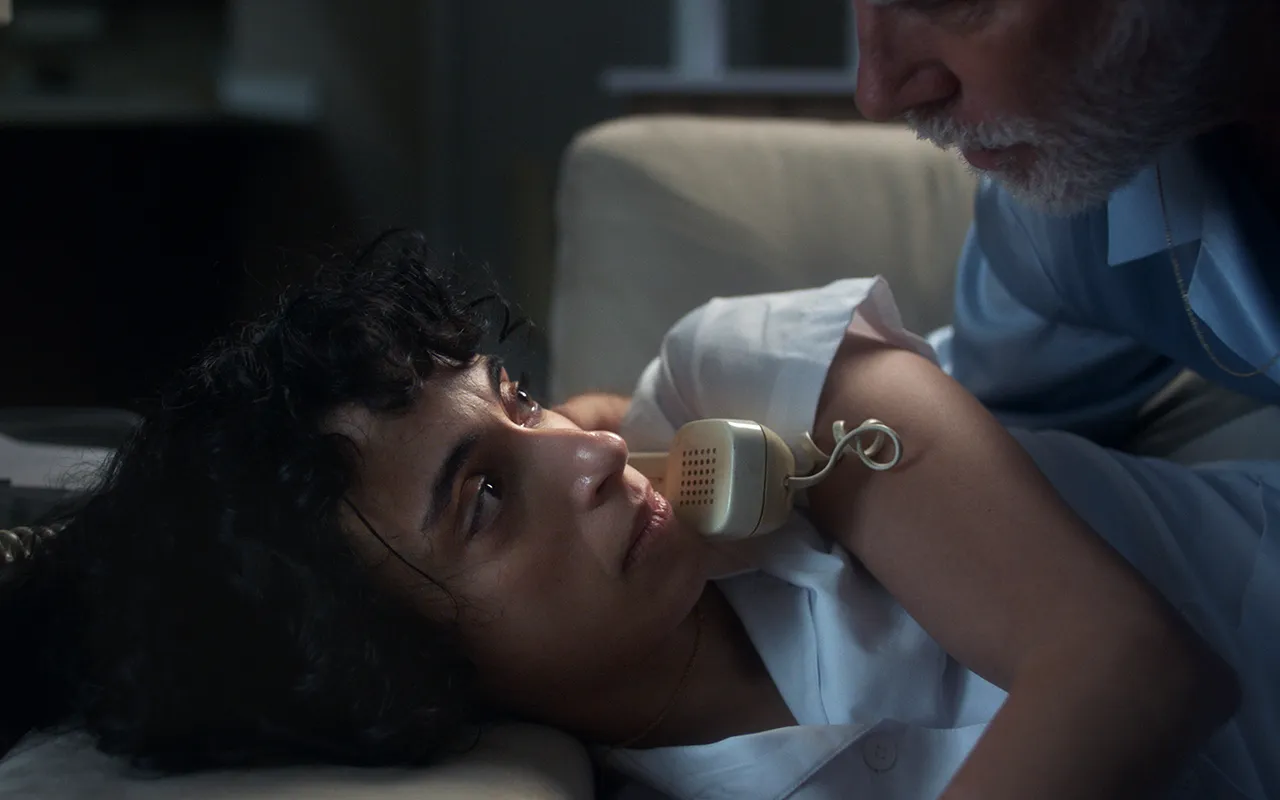
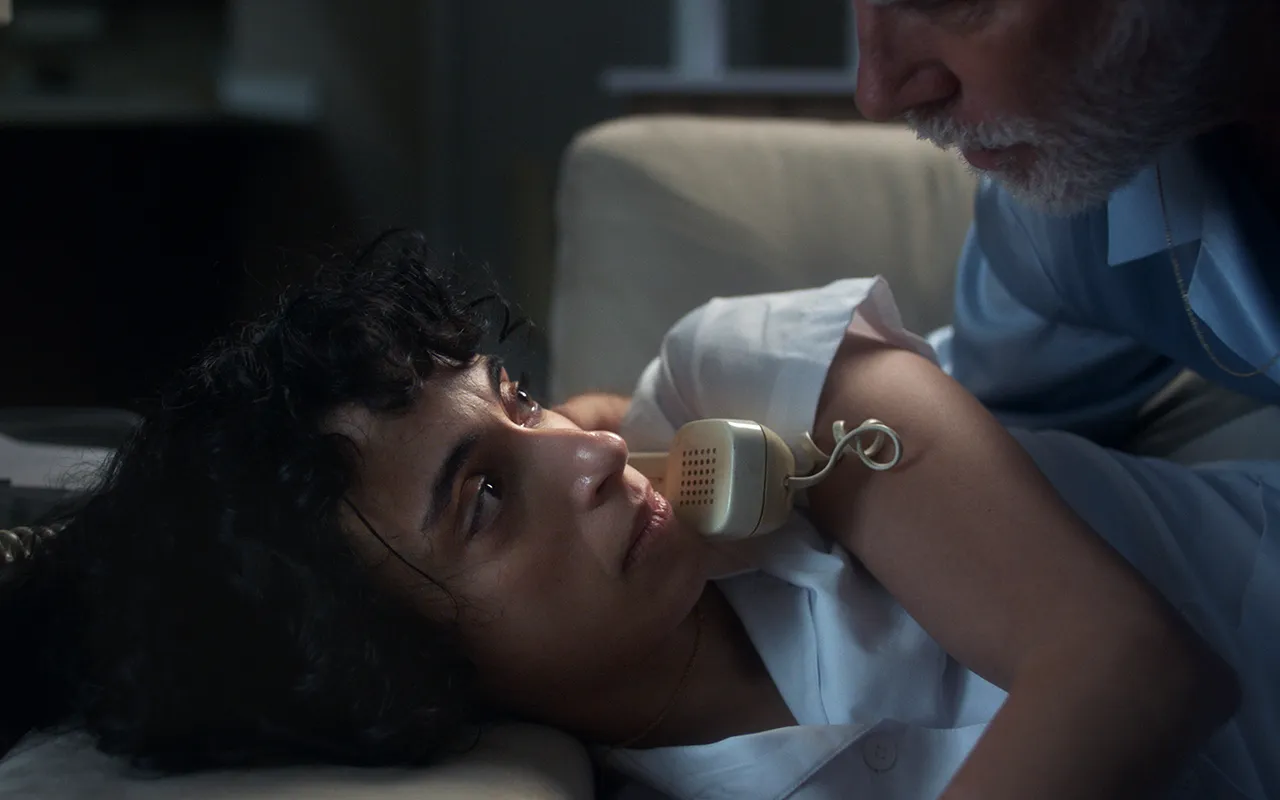
The relationship between the two protagonists shifts from a standard caregiver-patient dynamic into a criminal partnership. Douglas enlists Eleni as his accomplice in a sophisticated phone scam targeting other senior citizens. Eleni assumes the role of a distressed granddaughter in urgent need of financial assistance, a performance that elicits both monetary gain and a shared sexual thrill for the duo. Bernstein utilizes long takes and precise choreography to emphasize the physical and psychological intimacy of these moments. One notable sequence involves Douglas wrapping a telephone cord around Eleni during a fraudulent call, a visual metaphor for the entanglement of their lives and the blurring of professional boundaries.
The film operates on a central instinct summarized by the character Mona, played by Eleonore Hendricks: the profound human desire to be needed. This motivation drives Eleni and Douglas beyond the constraints of logic and ethics, suggesting that their predatory behavior provides a twisted sense of purpose to both the victimizer and, paradoxically, the victim.
Chronology of Development and Production
The path to the production of Night Nurse is as unconventional as its subject matter. Georgia Bernstein, previously known for her work as a producer on Alex Phillips’ cult features All Jacked Up and Full of Worms (2022) and Anything That Moves (2025), leveraged her deep roots in the Chicago filmmaking community to realize her directorial vision.
The film’s pre-production phase was integrated into an academic setting at Northwestern University. Producer Eddie Linker, a Chicago-based industry veteran, utilized Bernstein’s script as the primary case study for a course on independent feature filmmaking. This collaborative environment allowed Bernstein and her production team—including Veronica Barbosa and Liane Cunje—to conduct essential tasks such as forming an LLC, establishing a budget, and navigating tax credit applications alongside students. By the end of the academic quarter, the project had completed a significant portion of its logistical preparation.
Principal photography took place primarily within the residence of Bernstein’s own grandmother. This choice was both a practical budgetary decision and a creative one, as the script was tailored to the specific architecture of the house. The interior design—featuring 1970s-era wallpaper and last-generation landline telephones—contributed to a disorienting, "out-of-time" atmosphere. This aesthetic choice intentionally avoided modern technology like smartphones to enhance the feeling of suburban malaise.
Technical Execution and Visual Language
The visual identity of Night Nurse was crafted in close collaboration between Bernstein and Director of Photography Lidia Nikonova. Nikonova, recognized for her work on the 2024 film Family Portrait, brought a specific "gaze" to the project that Bernstein describes as essential to the film’s humid, lethargic atmosphere.
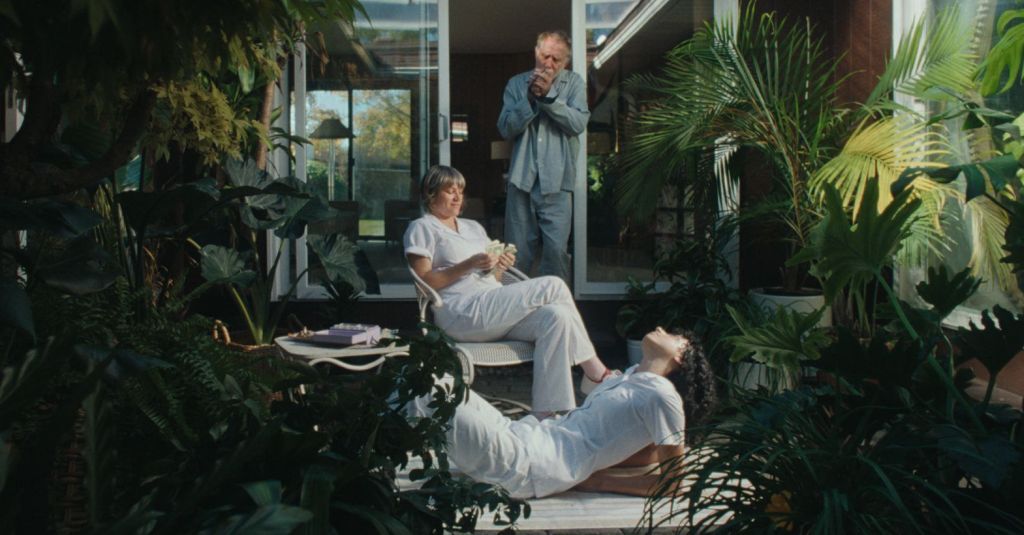
A defining technical characteristic of the production was the decision to eschew Steadicam technology in favor of a traditional dolly. Despite the cramped quarters of the residential location, Bernstein insisted on the "weight" and slow, deliberate movement of a dolly. This choice was intended to evoke the pacing of European masters like Rainer Werner Fassbinder and the "watery" suburban tension found in the works of Atom Egoyan. The camera movements often mimic the repetitive, circular motions of patients in a memory-care facility, reinforcing the theme of being trapped within a psychological loop.
The rehearsal process was equally rigorous. Bernstein, Paksoy, and McKenzie spent several days blocking scenes within the actual filming location prior to the arrival of the full crew. To establish the film’s provocative tone early on, the production team opted to film the most intimate and psychologically demanding scenes during the first week of shooting.
Artistic Influences and Genre Subversion
While the title Night Nurse shares a name with the 1931 Barbara Stanwyck classic, Bernstein has clarified that her film is not a remake. Instead, it draws inspiration from the "nurseploitation" subgenre of the 1970s, specifically Roger Corman’s nurse trilogy and Stephanie Rothman’s The Student Nurses (1970). However, Bernstein elevates these tropes by infusing them with the cerebral psychosexuality of David Cronenberg and the power dynamics characteristic of Catherine Breillat.
Critics have noted similarities between Night Nurse and J.G. Ballard’s literature, particularly the novel Cocaine Nights, which explores the takeover of a retirement community by a cult of personality. Bernstein acknowledges a shared "atmospheric" lineage that spans from Ballard’s England to the Toronto of Cronenberg and Egoyan, finally settling in the "bleak" suburbs of Chicago. By focusing on the power a young woman can exert within a vulnerable environment, the film subverts traditional victim-predator narratives, leaving the audience with a sense of moral ambiguity regarding who is truly in control.
Soundscape and Musical Direction
The auditory experience of Night Nurse is a critical component of its immersive quality. The score was composed by Steven B. Jackson and Samm Clapp, who had previously collaborated with Bernstein on her producing projects. The musical direction was heavily influenced by the score of Francis Ford Coppola’s The Conversation (1974).
The composition process involved:
- Live-to-Picture Performance: The musicians recorded much of the score while watching the footage, a method that allows for improvisational flourishes that match the film’s pacing.
- Instrumental Specificity: The score relies heavily on the flute and piano to create a repetitive, "spinning" theme that mirrors the characters’ descent into their shared delusions.
- Collaborative Arrangements: The composers brought in additional musicians for violin and other orchestral elements, creating a sound that feels larger than a typical low-budget independent production.
Broader Implications and Industry Context
The acquisition of Night Nurse by IFC Films for a summer release signals a continued interest in "elevated" genre films that challenge mainstream sensibilities. In an era where festival selections often lean toward "safe" or commercially predictable content, the inclusion of Night Nurse in the Sundance NEXT category highlights a space for more experimental and transgressive storytelling.
The film’s success also validates the Chicago-centric production model Bernstein has championed. By utilizing local talent, academic partnerships, and personal resources, Bernstein has demonstrated a viable path for independent directors to maintain creative control while achieving high production values.
As the July 10 release date approaches, industry analysts expect Night Nurse to spark significant conversation regarding the ethics of caregiver relationships and the representation of aging in cinema. The film’s refusal to sanitize its characters or provide a redemptive arc suggests a shift toward a more unflinching, European-style approach to American independent drama. By blending the "nurseploitation" aesthetic with high-concept psychological tension, Georgia Bernstein has established herself as a director capable of navigating complex moral terrain with technical precision and artistic confidence.