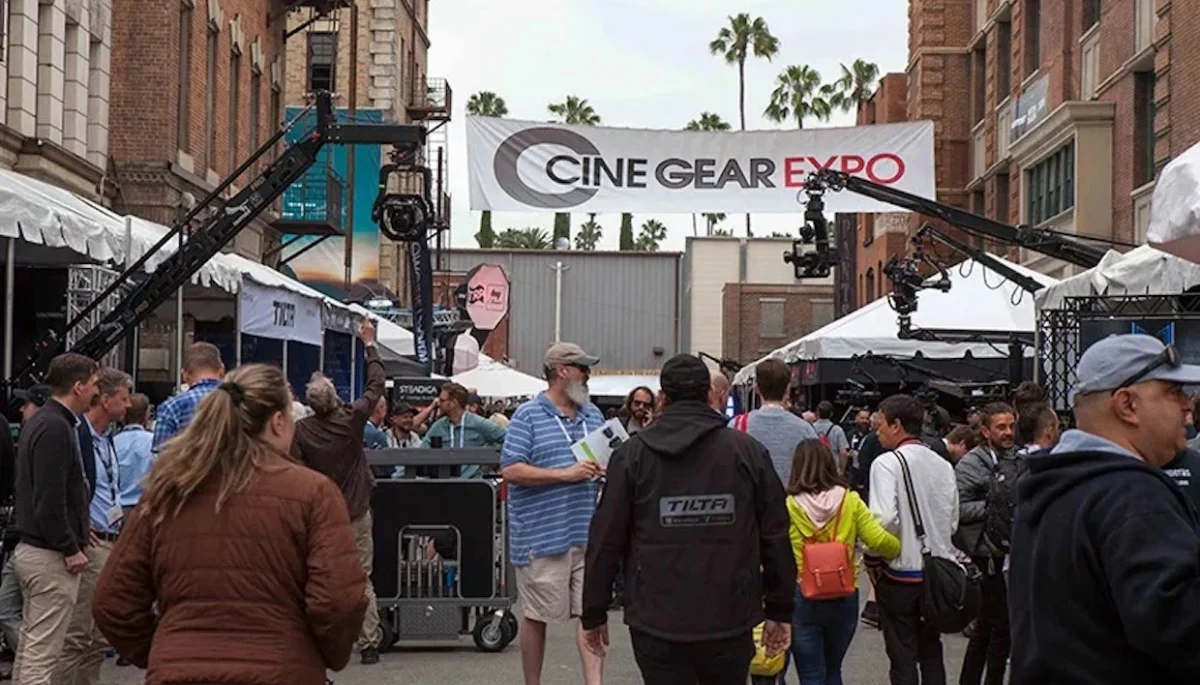
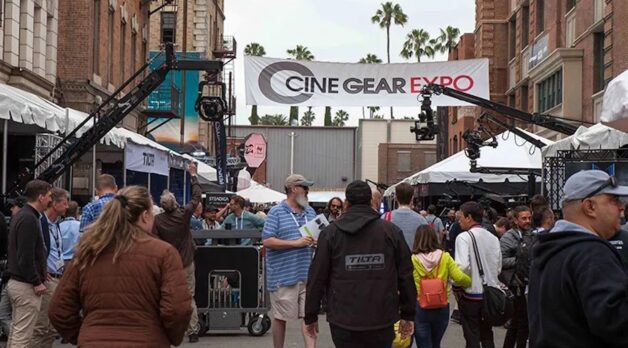
The 2026 edition of Cine Gear Expo at the Universal Studios Lot in Los Angeles served as a pivotal junction for the global cinematography community, marking a distinct shift toward hybrid film-digital workflows and the continued evolution of large-format anamorphic optics. Unlike the broader, broadcast-centric NAB Show, Cine Gear Expo maintains a specialized focus on the artistry and technical requirements of narrative filmmaking, attracting a diverse demographic ranging from veteran American Society of Cinematographers (ASC) members to a burgeoning wave of independent filmmakers and film students. The event, held over two days on the historic backlot, highlighted significant advancements in LED color science, lighting control software, and the rare development of new celluloid-based camera hardware.
Strategic Positioning and Event Context
Cine Gear Expo has long occupied a unique niche within the industry trade show circuit. While the NAB Show in Las Vegas often induces a sense of "existential crisis" for traditional filmmakers due to its focus on high-growth sectors like streaming infrastructure and AI-driven broadcast tools, Cine Gear remains an optimistic bastion for cinema-specific crafts. The transition of the event from the Warner Bros. lot to Universal Studios has altered the logistical flow, creating a festival-like atmosphere that mirrors high-profile industry gatherings such as Sundance.
The 2026 expo saw a notable demographic shift. Industry observers noted a significant presence of younger attendees, many influenced by the viral success of independent projects like Obsession and The Backrooms. This influx of new talent suggests a revitalized interest in traditional filmmaking techniques among Gen Z and millennial creators, many of whom are navigating the "forever-unemployed" freelance economy of Los Angeles. The Friday sessions skewed heavily toward film school undergraduates, while the Saturday program attracted a higher concentration of union-card-carrying professionals from IATSE Local 728 and the ASC.
The ASC Dialogue: Insights into Contemporary Cinematography
A cornerstone of the expo was the annual American Society of Cinematographers panel, which featured a prestigious roster of 15 members. The panel included industry luminaries such as Jeff Cronenweth, ASC (The Girl with the Dragon Tattoo), Rachel Morrison, ASC (Black Panther), Karl Walter Lindenlaub, ASC (Independence Day), and Natasha Braier, ASC (I Love Boosters).
The discussion transcended technical specifications, focusing instead on the "body consciousness" and psychological underpinnings of the craft. Steven Fierberg, ASC (Secretary), emphasized the intuitive nature of camera placement, questioning the subconscious drive that dictates where a cinematographer stands on set. Natasha Braier provided a poignant perspective on how her upbringing under a military dictatorship in Argentina—a period defined by subtext and hidden meanings—informed her visual storytelling.
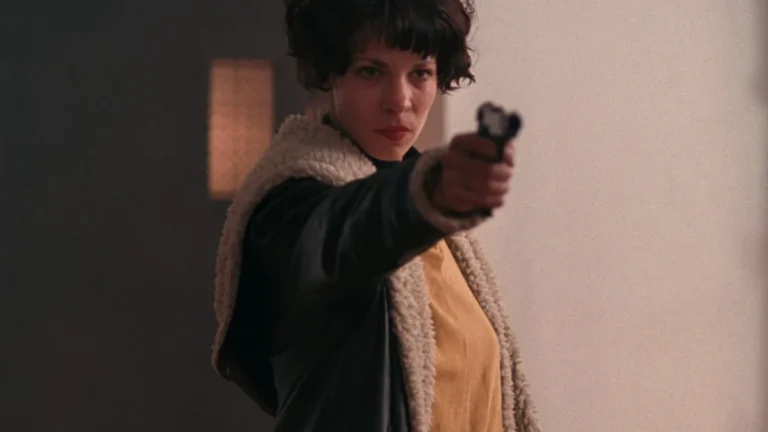
The panel also showcased a retrospective montage of the Society’s 100-plus-year history, featuring iconic works like John Toll’s Oscar-nominated cinematography in The Thin Red Line. The collective sentiment of the panel reinforced the idea that while technology evolves, the fundamental role of the cinematographer as a visual psychologist remains unchanged.
Technological Breakthroughs: The Cinelux Sixteen and the Future of Film
Perhaps the most significant hardware reveal at the 2026 expo was the prototype of the Cinelux Sixteen, a 16mm camera developed by Cinelux Cinema Tools. This project represents the first major development of a new film camera in several years, addressing a specific market need: the ability to shoot celluloid and digital proxies simultaneously.
Technical Specifications of the Cinelux Sixteen
- Dual Capture: Simultaneous 16mm film and 3.2k digital recording to SD cards.
- Workflow Integration: Digital files include film-emulation Look-Up Tables (LUTs) to provide immediate dailies that approximate the final chemical process.
- Open-Source Philosophy: The developers intend to make the magazine designs open-source, allowing users to 3D-print components in emergency scenarios.
- Sensor Integration: Utilizes a Sony sensor for digital capture, focusing internal R&D on the complex mechanical requirements of the film magazine.
Chief engineer Caz Voorhees noted that the primary challenge in development was not the digital integration but the mechanical precision of the film magazine. The requirement to move film stock with zero friction within a confined space remains a pinnacle of mechanical engineering. The Cinelux Sixteen is currently in its third prototype phase, with a projected commercial release in mid-2027. This camera is poised to alleviate producer concerns regarding the costs and delays traditionally associated with film workflows.
Advancements in Lighting and Control Systems
The lighting sector at Cine Gear 2026 demonstrated a rapid acceleration in LED chipsets and software integration. Professionals from boutique rental houses, such as Canary Yellow, highlighted that the timeline for lighting innovation has moved from the slow transitions of the tungsten and HMI eras to a cycle of annual updates.
Aputure’s proprietary Blair CG color engine remained a topic of significant interest, offering refined color accuracy that challenges traditional fixtures. However, the software side of lighting saw equally impressive strides. The demonstration of Blackout Lighting Console V3 revealed a shift toward visual control components. By moving away from purely numerical value-based inputs to an intuitive iPad interface, Blackout V3 allows gaffers and programmers to manipulate complex lighting arrays with greater fluidity. This update is expected to redefine competition in the lighting control space by the end of the fiscal year.
The Optics Renaissance: Rehousing and Anamorphic Evolution
The trend of "rehousing" vintage optics for modern digital sensors continued to dominate the lens department. Zero Optik, a leader in this field, showcased their work on Bausch & Lomb Ultra Baltar lenses from the 1930s and 40s. These lenses, once relegated to storage due to their incompatibility with mirror shutters, have found new life in the digital era. Renowned cinematographers like Ed Lachman have utilized these optics on recent projects such as El Conde and Maria.
Furthermore, Zero Optik’s collaboration with the ASC to restore a set of Todd-AO 65mm prime lenses from the 1950s highlights a broader industry movement toward preserving "iconic" glass. These lenses, originally used on classics like The Sound of Music, were restored with input from Greig Fraser, ASC (Dune: Part Two), and are now available exclusively through Keslow Camera.
Atlas Lens Co. and the Kaizen Series
Atlas Lens Co. utilized the expo to showcase the shipping versions of their Kaizen Series Anamorphic lenses. Founded by Dan Kanes, the company has transitioned from a niche startup to a major player whose glass is used on blockbusters like Babylon and the forthcoming Dune: Part Three.
The Kaizen series is specifically engineered for large-format sensors, including:
- Fujifilm GFX Eterna 55
- Arri Alexa 265
- Blackmagic Design Ursa Cine 17K
A key technical achievement of the Atlas Orion and Kaizen lines is the management of field curvature. While vintage anamorphic lenses often suffer from significant focus fall-off at the edges of the frame, Atlas lenses utilize a "parallel field curvature" design. This allows for multi-character shots across the frame where focus remains consistent from left to right, a critical requirement for modern high-resolution cinematography.
Logistical Observations and Industry Implications
The Universal Studios Lot provided a sprawling backdrop for the expo, though it presented certain logistical hurdles. The separation of the vendor tents from the seminar areas necessitated a shuttle system that some attendees found cumbersome. However, the "free swag" culture remained vibrant, with large-scale marketing activations from companies like Insta360 providing a festive air to the professional proceedings.
The event concluded with a high-profile seminar featuring M. David Mullen, ASC, sponsored by Red Digital Cinema. Mullen, known for his pedagogical contributions to industry forums, provided a detailed breakdown of complex tracking shots from The Marvelous Mrs. Maisel. His ability to demystify high-level technical execution remains a vital resource for the community.
Broader Impact and Community Cohesion
The final gathering at the ASC Clubhouse barbecue underscored the primary value of Cine Gear Expo: community. Beyond the technical specifications of 17K sensors and carbon-fiber camera bodies, the event serves as a vital networking hub for a freelance workforce that often operates in isolation.
The 2026 expo confirmed several key industry trajectories:
- The Hybrid Future: The distinction between film and digital is blurring, with tools like the Cinelux Sixteen facilitating a "best of both worlds" approach.
- Optical Character: There is a diminishing interest in "perfect" digital clinical sharpness, replaced by a demand for the unique textures of rehoused vintage glass and modern anamorphic optics.
- Accessibility of Control: Software like Blackout V3 is democratizing complex lighting setups, allowing smaller crews to achieve high-end results.
As the industry moves toward 2027, Cine Gear Expo remains the definitive barometer for the health and direction of the motion picture arts. The blend of high-tech innovation and respect for cinematic tradition ensures that despite the pressures of the broader video market, the craft of cinematography continues to evolve with purpose and optimism.