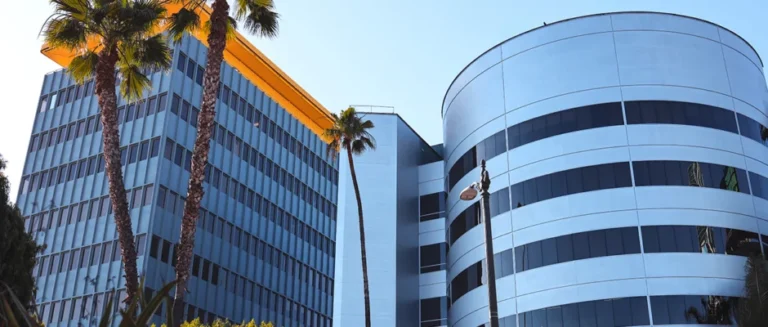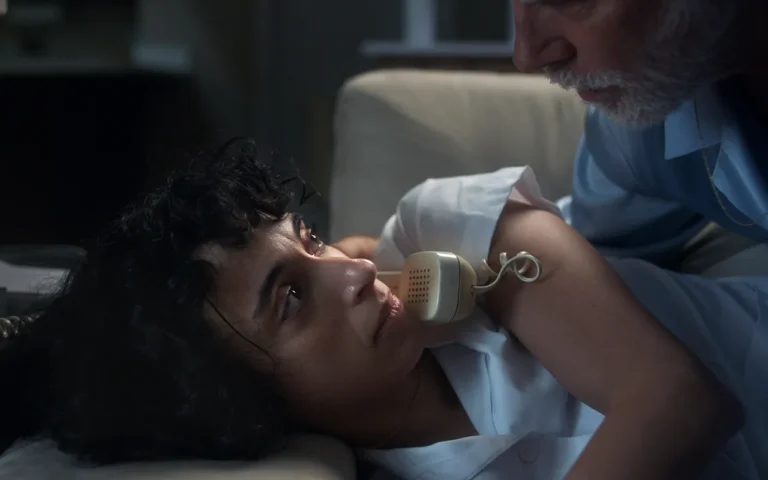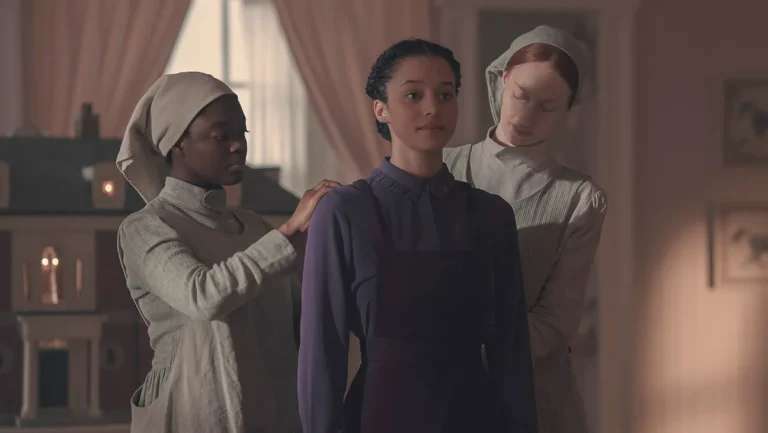


The 2026 release of the feature film Backrooms represents a significant milestone in the intersection of internet folklore, independent digital creation, and major motion picture production. Directed by Kane Parsons, the film is an ambitious adaptation of his viral YouTube series, which garnered hundreds of millions of views and redefined the horror genre for a new generation. By translating the abstract, haunting visuals of "liminal spaces" into a structured narrative, the film attempts to codify a modern mythology that originated in the anonymous corners of the internet. The project signifies the maturation of "creepypasta"—horror-related legends shared across the web—into a commercially viable and critically scrutinized cinematic form.
The Genesis of a Digital Legend: A Chronological Overview
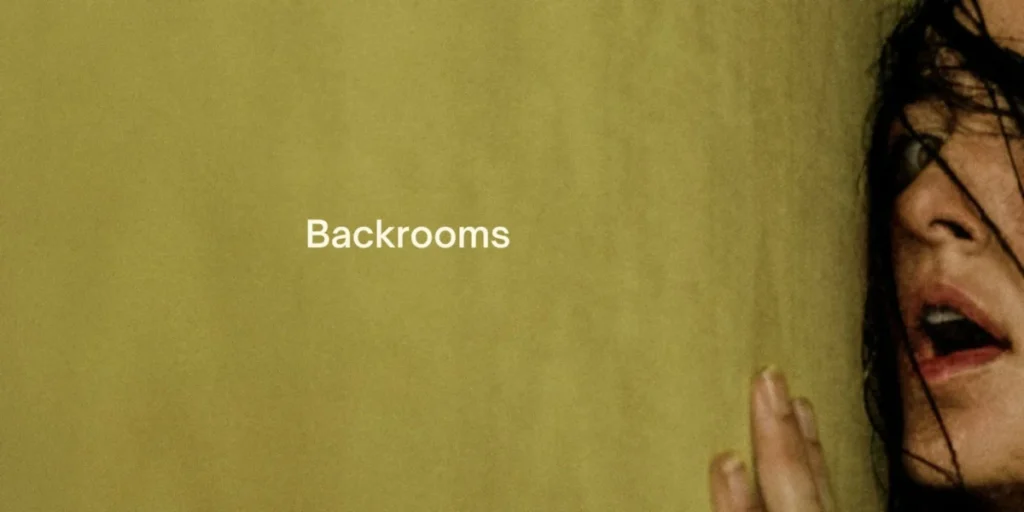
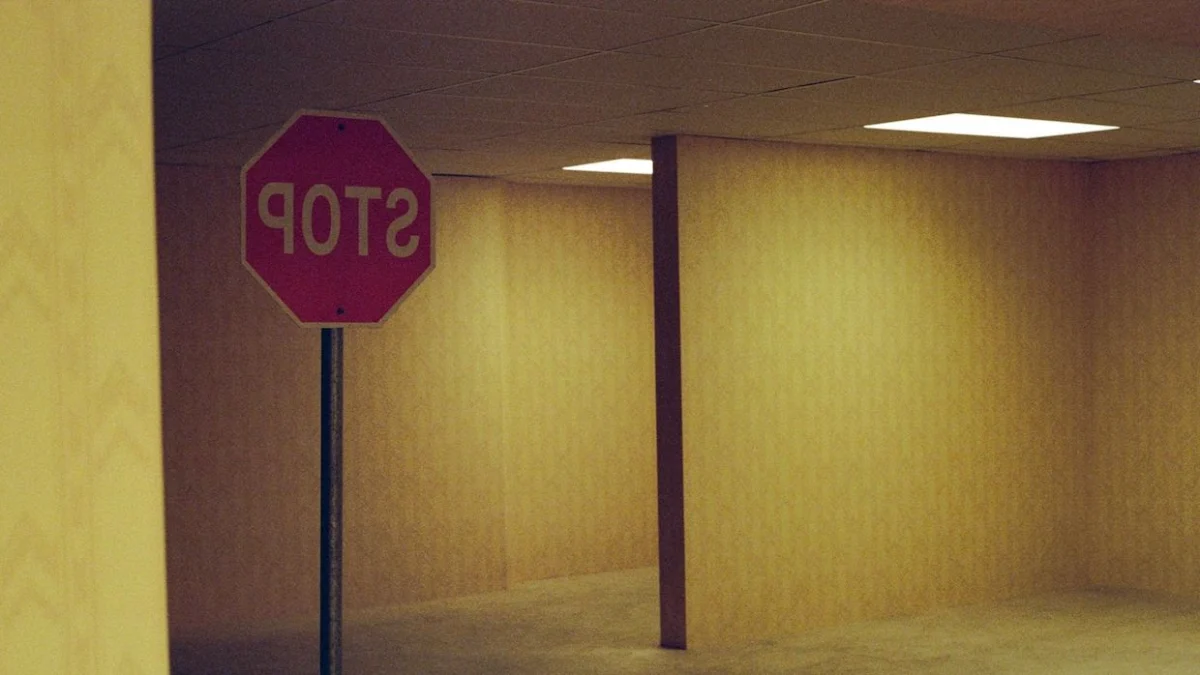
The origins of the Backrooms phenomenon can be traced back to a single, unremarkable photograph taken in 2003. The image depicted an empty, yellow-walled room in a former furniture store undergoing renovations in Oshkosh, Wisconsin. For sixteen years, the photo remained largely unnoticed until it was uploaded to the "paranormal" board of 4chan in 2019. An anonymous user attached a caption describing a monochromatic maze of "stink-yellow" carpets and fluorescent lights, where one might "noclip" out of reality and become trapped in an endless series of empty rooms.
This initial post sparked a massive collaborative effort in digital mythmaking. By 2020, the concept had migrated to platforms like Reddit and Discord, where users expanded the "lore," creating various "levels" of the Backrooms, each with its own environmental hazards and entities. This period saw a divide between "originalists," who preferred the simplicity of the initial empty maze, and "revisionists," who sought to populate the space with complex monsters and RPG-like mechanics.
In 2022, then-17-year-old Kane Parsons uploaded a short film titled "The Backrooms (Found Footage)" to his YouTube channel, Kane Pixels. Utilizing high-end VFX and a keen sense of pacing, Parsons grounded the abstract concept in a 1990s aesthetic, using simulated VHS distortion to create a sense of grounded realism. The success of this series eventually led to a partnership with A24, Atomic Monster, and Chernin Entertainment, culminating in the 2026 feature film.
Narrative Structure and Cinematic Framework
Set in June 1990, the film centers on Santa Clara, California, a location chosen for its representation of late-20th-century suburban sprawl. The narrative follows two primary protagonists: Clarke, played by Chiwetel Ejiofor, and Mary, portrayed by Renate Reinsve. Clarke is the struggling owner of "Ottoman Empire," a furniture store facing liquidation as big-box retailers begin to dominate the market. His character serves as a personification of the dying era of physical retail, where the very objects he sells—low-quality, mass-produced furniture—feel as fragile as his economic future.
Mary, a therapist, provides the emotional and psychological anchor for the film. Her subplot involves the demolition of her childhood home to make way for prefabricated condominiums, a literal erasure of her physical history. The film connects these personal losses to the emergence of the Backrooms, suggesting that the "interdimensional lacunae" are a byproduct of a society moving too quickly toward a digital future, leaving discarded physical spaces in its wake.
The screenplay, written by Will Soodik, avoids providing a definitive scientific explanation for the Backrooms. Instead, it treats the phenomenon as a "ghost story for the non-cybernetic individual." The film utilizes "found footage" elements—specifically DV-cam footage—interspersed with traditional cinematography to bridge the gap between the original YouTube aesthetic and a high-budget feature.
Supporting Data: The Rise of Liminality and Nostalgiacore
The commercial viability of the Backrooms film is supported by massive engagement metrics across social media platforms. Market analysis indicates that "liminal space" content has become a dominant aesthetic for Gen Z and younger Millennials. On TikTok, the hashtag #liminalcore has amassed over 1.2 billion views, while #nostalgiacore exceeds 2.5 billion views.
Psychological studies and digital trend reports suggest that the popularity of these aesthetics surged during and after the COVID-19 pandemic. The collective experience of seeing usually crowded public spaces—malls, airports, and schools—completely empty mirrored the visual language of the Backrooms. Analysts suggest that this "liminal" aesthetic provides a medium for younger generations to process "anemoia," or nostalgia for a time they never personally experienced.
The film taps into this by meticulously recreating the early 1990s, focusing not on the "greatest hits" of the decade, but on its mundane, corporate, and beige realities. This "retrobait" content, often seen in AI-generated imagery and lo-fi videos, serves as the foundation for the film’s visual identity, utilizing sodium-vapor lighting and cheap linoleum tile to evoke a sense of "uncanny valley" familiarity.
Technical Execution and Aesthetic Authenticity
One of the most critical aspects of the film’s production was maintaining the "analog" feel that made the YouTube series a success. The production design team focused on the transition from analog to digital technology. The film opens with imagery of floppy disks, chunky CRT monitors, and low-budget cable television advertisements, creating a sensory environment of "technological points of no return."
The Backrooms themselves are depicted as a generative void—a predictive model of architecture that feels like an AI hallucination. Characters in the film describe the space as "describing a dog to someone who’s never seen a dog and then asking them to draw it." This line reflects the film’s meta-commentary on modern technology: the Backrooms are a physical manifestation of an algorithmic loop, a labyrinth that remakes itself based on distorted memories of the past.
The sound design plays a pivotal role in establishing the "vibe" of the film. The constant hum of fluorescent lights, the muffled sound of footsteps on damp carpet, and the distant, distorted echoes of 1980s pop music create an atmosphere of "ambient despair." This auditory landscape is designed to trigger "autonomous sensory meridian response" (ASMR) in some viewers while inducing high-functioning anxiety in others.
Industry Implications and Future Outlook
The transition of Kane Parsons from a teenage YouTube creator to a feature film director is being closely watched by Hollywood executives. This "YouTube-to-Hollywood" pipeline represents a shift in how intellectual property is scouted and developed. Rather than relying on traditional literary or comic book adaptations, studios are increasingly looking toward "native digital" creators who have already built massive, built-in audiences through organic, algorithmic discovery.
Industry analysts suggest that the success of Backrooms could pave the way for other "creepypasta" or internet-native properties to receive high-budget treatments. However, the film also serves as a cautionary tale regarding the "commodification of the uncanny." By bringing a structured plot and professional actors to a concept that thrived on anonymity and ambiguity, the film risks alienating "originalist" fans who believe the mystery is the most vital component of the lore.
Furthermore, the film highlights the growing "technoskepticism" in modern cinema. By portraying the 1990s as a "cultural dead end" and the precursor to a "technodystopian" present, Backrooms joins a growing list of films that interrogate the psychological cost of the digital age. It frames nostalgia not as a comfort, but as a "carcinogen" that mutates the present into something brittle and passive.
Impact and Socio-Cultural Analysis
Backrooms (2026) is more than a horror film; it is a sociological document of the mid-2020s. It captures a specific moment where the internet has become the primary architect of collective memory. The film’s exploration of "cyber-dissociation" reflects a real-world concern regarding the loss of physical community and the rise of digital isolation.
The character of Mary notes in the film, "We all have our loops," referring to the repetitive patterns of anxiety and behavior that define modern life. The film suggests that the Backrooms are the ultimate expression of these loops—a place where one is forced to "doomscroll" through a physical environment.
As the film concludes, the narrative leaves the audience with an ambivalent message. The world of 1990, on the eve of the internet revolution, is presented as just as unviable and broken as the interdimensional maze. By the end of the film, the distinction between the "real world" and the Backrooms becomes blurred, suggesting that in a hyper-mediated society, we may already be living in a version of the maze—a series of endless, interconnected corridors where the past is always visible but never reachable.
In the broader context of film history, Backrooms will likely be remembered as the definitive "liminal space" movie, successfully capturing a fleeting internet aesthetic and cementing it into the cultural canon. Whether it leads to a franchise or remains a standalone "tone poem," its influence on the visual language of horror and the development of digital IP is undeniable.