Oscar-nominated actress Amy Adams recently shed light on a pivotal moment during her 2008 hosting stint on NBC’s Saturday Night Live, revealing her principled decision to reject a "graphic" sketch idea. The incident, which occurred mere months after the global success of her family-friendly fairytale comedy Enchanted, underscores a significant aspect of celebrity image management and the perceived responsibilities that come with influencing young audiences. Her refusal to participate in the proposed segment, she explained, was a deliberate act to protect her burgeoning image as a beloved figure for children and to honor the expectations of her young fanbase.
The Context: Amy Adams, Enchanted, and a Princess’s Promise
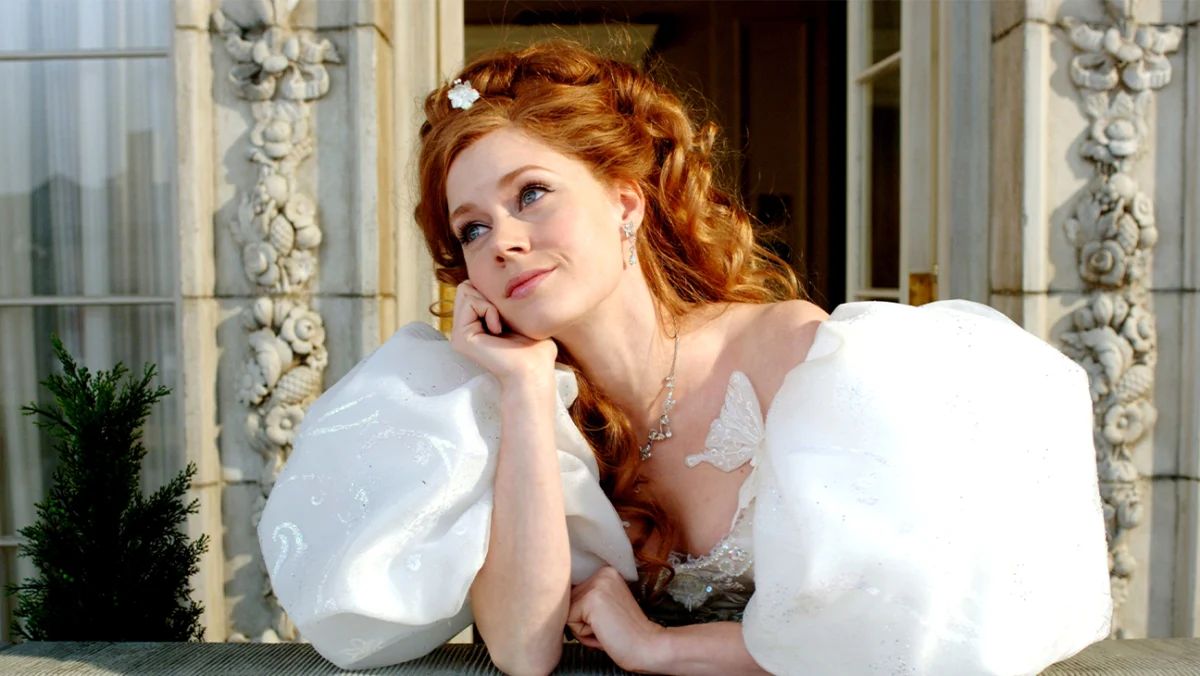
To fully grasp the weight of Adams’s decision, it is crucial to understand the cultural landscape surrounding her career in late 2007 and early 2008. Enchanted, released in November 2007, was a critical and commercial triumph. Directed by Kevin Lima, the film masterfully blended live-action and animation, serving as both a loving homage to and a clever parody of classic Disney fairytales. Adams starred as Giselle, a naïve princess-to-be banished from her animated world to the cynical reality of New York City. Her performance was widely lauded, earning her a Golden Globe nomination for Best Actress – Motion Picture Musical or Comedy and solidifying her status as a mainstream star.
The film resonated profoundly with audiences of all ages, but particularly with young girls who were captivated by Giselle’s optimism, kindness, and enchanting musical numbers. Enchanted grossed over $340 million worldwide against an $85 million budget, making it a significant box office success and establishing Adams as an unlikely, yet thoroughly embraced, modern Disney princess. This role was a turning point for Adams, who had previously garnered critical acclaim for more dramatic, independent films like Junebug (2005), which earned her her first Academy Award nomination. Enchanted broadened her appeal exponentially, placing her firmly in the public consciousness as a wholesome, endearing talent.
By the time Adams hosted Saturday Night Live on March 8, 2008, the "Giselle effect" was still very much in play. Children across the globe were still singing "Happy Working Song" and "That’s How You Know," and Adams was intrinsically linked to the character’s innocent charm. This immediate association with a family-friendly, almost sacrosanct, persona formed the bedrock of her subsequent ethical consideration when presented with the controversial sketch.
The Sketch in Question: A "Graphic" Proposition from Andy Samberg
During her recent appearance on Late Night With Seth Meyers, Adams recounted the specifics of the sketch, though she judiciously withheld the explicit punchline to preserve its graphic nature. The proposed skit involved a couple, with the male character having been bitten by a spider in a park and now on his deathbed. His partner, expressing her profound love, asks if he has any last wishes. His dying request, as Adams described, "could only be described as the most graphic thing that he wanted to do with me."
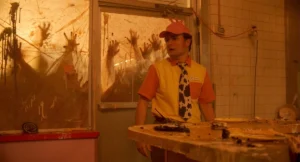
The pitch for this segment came from then-SNL cast member Andy Samberg, known for his work with The Lonely Island comedy troupe and their penchant for edgy, often absurd, digital shorts and musical parodies. Samberg and his collaborators were instrumental in pushing the boundaries of SNL‘s humor during that era, frequently incorporating risqué themes and explicit language into their viral content. It was in this creative environment that the "graphic" duet concept was born.
Samberg himself had previously spoken about the incident, offering his perspective on The Lonely Island and Seth Meyers Podcast last year. He confirmed that the sketch would have featured a "very dirty" duet. While Adams reportedly found the concept "really funny," she respectfully but firmly declined. Samberg recalled her explanation: "Little girls are so obsessed with Enchanted right now they will find this and it will be scarring for them." This highlights Adams’s immediate recognition of the potential dissonance between her public image and the proposed material.
Amy Adams’s Rationale: Upholding a Public Trust
Adams’s decision stemmed from a profound sense of responsibility towards her young audience. "I was so keenly aware of all the young girls that were watching Enchanted," she explained to Seth Meyers. "And I didn’t want to be the princess singing about that particular act, you know?" This statement encapsulates the core of her ethical stance. For many children, particularly those who had embraced Giselle, Adams was not just an actress; she embodied the character. To see their beloved princess engage in a sexually explicit comedic act would not only be jarring but, in Adams’s view, potentially damaging or "scarring."
This incident highlights a unique challenge faced by performers whose work achieves significant resonance with children. Unlike actors who primarily work in adult-oriented content, those who portray iconic children’s characters often find themselves in a de facto role model position, whether they explicitly seek it or not. There’s an unspoken contract with parents and children alike, where the performer is expected to maintain a certain level of appropriateness in their public persona, especially when that persona is so strongly tied to a character of innocence and virtue. Adams’s choice reflected a conscious effort to honor this unspoken trust, prioritizing the well-being and perception of her youngest fans over a comedic opportunity.
Andy Samberg’s Epiphany: A Learning Moment for a Comedian
What makes this story particularly compelling is Andy Samberg’s subsequent realization and respect for Adams’s position. Seth Meyers, during Adams’s recent interview, noted that Samberg had previously lauded her for her self-advocacy and consideration for her young fans. Samberg’s "epiphany" occurred not long after the sketch rejection, while they were filming the "Hero Song" digital short for that same SNL episode.
Samberg recounted the moment on his podcast: "Within five minutes, a mother and her little girl walked up and the look on the little girl’s face upon seeing Amy Adams, I was like, ‘Oh, she was so right.’" This direct, tangible encounter with a young fan, whose face lit up at the sight of her "princess," provided Samberg with immediate, undeniable evidence of the profound impact Adams had on children. He continued, "And it was very instructive for me. It’s not something I even ever thought about in our line of work, you know what I mean? Like, she actually has an obligation and a responsibility to those kids, and she took it really seriously. And I remember being really impressed by that."
This moment of clarity for Samberg is significant. As a comedian whose work often thrives on pushing boundaries and subverting expectations, the concept of "responsibility" to an audience, particularly a young one, might not always be at the forefront of the creative process. His acknowledgment demonstrates a maturation in understanding the broader implications of celebrity and the different considerations performers must navigate based on their public image and the demographic of their fanbase. It underscores the idea that while comedy often seeks to provoke and challenge, there are also ethical lines drawn by individual artists based on their personal values and professional circumstances.
Chronology of Events: A Timeline of Impact
- November 21, 2007: Disney’s Enchanted is released, starring Amy Adams as Princess Giselle. The film becomes a massive critical and commercial success, solidifying Adams’s image as a beloved, family-friendly star.
- March 8, 2008: Amy Adams hosts Saturday Night Live. During the writing and rehearsal process, SNL cast member Andy Samberg pitches a "graphic" sketch idea involving a dying wish and a sexually explicit act.
- March 2008: Adams rejects the sketch, citing her responsibility to her young fans who adored her role in Enchanted. Shortly thereafter, while filming the "Hero Song" digital short, Samberg witnesses a young girl’s adoring reaction to Adams, confirming the validity of her decision.
- Circa 2023: Andy Samberg discusses the incident and his learning experience on The Lonely Island and Seth Meyers Podcast, praising Adams for her conviction and responsibility.
- Recently (2024): Amy Adams publicly discusses the incident for the first time on Late Night With Seth Meyers, corroborating Samberg’s account and elaborating on her personal reasoning.
Broader Implications: Celebrity Image, Creative Freedom, and Artistic Responsibility
The incident involving Amy Adams and Saturday Night Live serves as a compelling case study on several interconnected themes within the entertainment industry: the intricacies of celebrity image management, the boundaries of creative freedom in comedy, and the often-unspoken ethical responsibilities of artists.
Celebrity Image and Brand Management: For actors, especially those who achieve widespread fame through a specific type of role, managing their public image becomes a crucial aspect of their career. Adams, at the height of her Enchanted fame, was at a critical juncture. Embracing the "graphic" sketch, however funny it might have been, could have instantly shattered the wholesome, innocent persona she had cultivated, potentially alienating a significant portion of her newfound audience and complicating her future career choices. Her decision demonstrates a strategic understanding of her personal brand and a commitment to maintaining its integrity, particularly in the eyes of her most vulnerable fans. This careful navigation of public perception is a constant challenge for A-list celebrities, who must balance authenticity with professional positioning.
Creative Freedom vs. Performer Autonomy: Saturday Night Live is renowned for its satirical edge and willingness to push comedic boundaries. The show’s writers and cast members are often encouraged to develop material that is provocative and daring. However, the host always retains a degree of autonomy over the material they perform. Adams’s refusal underscores the principle that while a creative team might generate ideas, the performer ultimately has the right to decline content that conflicts with their personal values, professional image, or ethical considerations. This tension between the creative vision of a production and the individual agency of a performer is a recurring dynamic in show business, particularly when controversial material is involved.
The Artist’s Responsibility to Audiences: Perhaps the most profound implication of this story is the discussion it ignites about an artist’s responsibility to their audience, especially when that audience includes children. While not every performer accepts or acknowledges such a responsibility, Adams clearly felt a moral obligation. Her stance suggests that for some artists, particularly those whose work profoundly impacts young minds, there is an inherent duty to consider the psychological and emotional effects of their public actions and performances. This extends beyond merely legal or contractual obligations, delving into the realm of ethical considerations and the broader societal role that popular culture figures play.
Adams’s subsequent career choices further illustrate her thoughtful approach. While she continued to take on diverse and often challenging roles in films like Arrival, American Hustle, Vice, and the miniseries Sharp Objects, many of these were mature dramas that were clearly not aimed at children. She strategically balanced these roles with more family-friendly ventures, including the highly anticipated Disenchanted (2022), the sequel to Enchanted, demonstrating a consistent awareness of her varied audience segments and carefully curated public image.
Conclusion: A Testament to Integrity
Amy Adams’s decision to reject a "graphic" SNL sketch in 2008 stands as a testament to her personal and professional integrity. It highlights the often-complex interplay between artistic freedom, celebrity branding, and the profound responsibility some artists feel towards their audience, particularly children. Her choice, initially seen as a simple refusal, evolved into a powerful learning experience for a seasoned comedian like Andy Samberg, underscoring the tangible impact performers have on their fans. In an industry often driven by commercial pressures and the pursuit of viral content, Adams’s principled stand serves as a reminder that for some, the integrity of their image and the well-being of their audience take precedence, even over a potentially hilarious, albeit controversial, comedic moment.