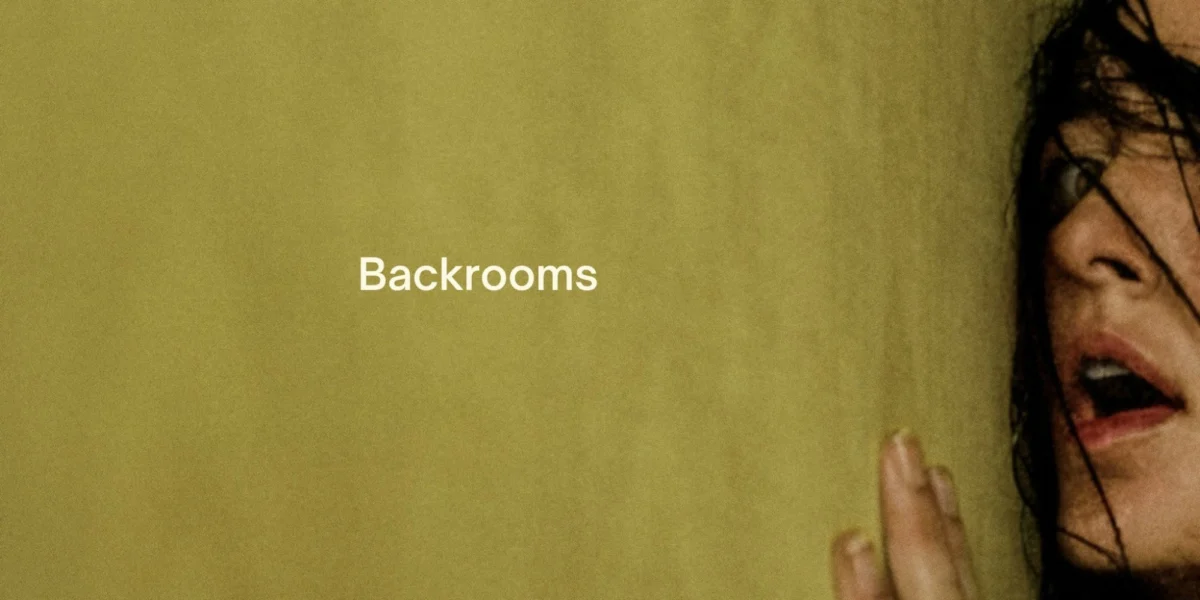
The highly anticipated A24 horror film "Backrooms," directed by the prodigious Kane Parsons and penned by Will Soodik, has transcended its origins as an internet creepypasta to become a significant cinematic event. The film, starring a notable ensemble cast including Chiwetel Ejiofor, Renate Reinsve, Mark Duplass, Finn Bennett, and Lukita Maxwell, has not only garnered critical attention but has also demonstrated remarkable box office performance, signaling a powerful synergy between online virality and mainstream Hollywood success. This phenomenon has ignited a robust discourse surrounding the evolving landscape of horror cinema, the burgeoning career paths for digital-native creators, the unsettling allure of liminal spaces, and the undeniable presence of actors like Renate Reinsve who are solidifying their status in the industry.
The film’s genesis lies in the immensely popular "Backrooms" creepypasta, a collaborative fiction that emerged on online forums and social media platforms, most notably 4chan, in the early 2010s. This internet urban legend describes an endless labyrinth of eerily empty, yellow-tinted office rooms, characterized by the monotonous hum of fluorescent lights and a pervasive sense of dread. The concept resonated deeply with a generation immersed in digital culture, spawning countless interpretations, short films, and video games that expanded upon its unsettling premise.
Kane Parsons, at the remarkably young age of 20, makes his feature-length directorial debut with "Backrooms," a testament to the growing trend of YouTube creators transitioning into traditional filmmaking. Parsons initially gained recognition for his own "Backrooms" short film, which garnered millions of views online and served as the direct inspiration for this A24 production. This directorial achievement marks a significant milestone, not just for Parsons, but for a generation of filmmakers who have honed their craft and built substantial audiences through online video platforms, bypassing traditional film school routes. The success of "Backrooms" is likely to embolden further exploration of this talent pipeline, potentially reshaping how Hollywood scouts and develops new directorial voices.
The film’s cast brings a wealth of talent to the unsettling premise. Chiwetel Ejiofor, an Academy Award nominee, lends his gravitas to the project, while Renate Reinsve, who has been a prominent figure in critically acclaimed films in recent years, further cements her status as a captivating performer. The inclusion of Mark Duplass, known for his work in both independent cinema and television, alongside emerging talents Finn Bennett and Lukita Maxwell, suggests a deliberate effort to blend established star power with fresh faces, a common strategy in attracting a broad audience for genre films.
Box Office Performance and Online Resonance
While specific box office figures are not yet widely disseminated at the time of this report, early indications suggest "Backrooms" has significantly overperformed initial expectations. This robust commercial performance is a direct reflection of the massive online following the "Backrooms" concept has cultivated. The film’s success serves as a compelling case study for studios seeking to tap into established internet fandoms. The ability of a concept born from user-generated content to translate into tangible box office revenue highlights a significant shift in audience engagement and content consumption. This trend is likely to encourage more studios to invest in IP that originates from online communities, further blurring the lines between digital and traditional entertainment industries.
The film’s narrative is expected to delve into the psychological and existential horror inherent in the "Backrooms" mythos. The concept of liminal spaces – transitional or in-between places that evoke feelings of unease, disorientation, and nostalgia – has become a significant theme in contemporary horror. These spaces, such as empty hallways, deserted malls, or abandoned schools, tap into a collective subconscious anxiety about the uncanny and the familiar made strange. "Backrooms" is poised to explore these themes in a cinematic context, potentially offering a fresh perspective on a subgenre that has seen a surge in popularity across various media.
The YouTube-to-Filmmaker Pipeline: A New Era of Talent Discovery
The ascent of Kane Parsons is emblematic of a broader trend: the democratization of filmmaking tools and platforms has empowered a new generation of creators to bypass traditional gatekeepers. YouTube, TikTok, and other digital platforms have become virtual film schools and talent incubators, allowing aspiring directors to experiment, develop their unique voices, and build dedicated audiences without the need for extensive industry connections or formal training.
Parsons’ journey from creating viral short films on YouTube to directing a major studio feature for A24 is a narrative that will undoubtedly inspire countless young filmmakers. This trajectory suggests a future where Hollywood actively scouts for talent on the internet, recognizing the inherent audience engagement and creative potential already demonstrated by these digital natives. The success of "Backrooms" could pave the way for a more diverse and dynamic influx of directorial talent into the mainstream film industry.

Renate Reinsve’s Ascendancy in 2026
The article specifically mentions Renate Reinsve’s "dominance over 2026." While this might be a forward-looking statement or a reference to her burgeoning career trajectory that is anticipated to peak around that year, it underscores her growing significance in the international film scene. Reinsve garnered significant critical acclaim for her role in Joachim Trier’s "The Worst Person in the World" (2021), a film that earned her widespread recognition and nominations. Her continued involvement in high-profile projects like "Backrooms" suggests a strategic career development aimed at establishing her as a leading actress in Hollywood and beyond. Her anticipated presence in major releases leading up to and during 2026 will likely solidify her position as a prominent and sought-after talent.
The "Backrooms" Phenomenon: Beyond the Screen
The cultural impact of "Backrooms" extends beyond its cinematic release. The film’s connection to the internet phenomenon means it arrives with a pre-existing, highly engaged fanbase eager to see their beloved creepypasta brought to life. This organic audience provides a significant marketing advantage and ensures a baseline level of interest. Furthermore, the film’s themes and origins are likely to spark continued conversations about the nature of online storytelling, the power of collective imagination, and the evolving definition of a "creator" in the digital age.
The discussion surrounding "Backrooms" is also expected to encompass the broader implications for the horror genre itself. The film’s success could encourage further exploration of internet-born horror concepts and potentially lead to a greater appreciation for the unique storytelling capabilities of digital platforms. As the film industry continues to adapt to changing audience behaviors and technological advancements, "Backrooms" stands as a significant marker of the evolving relationship between online culture and mainstream cinema.
Podcast Review and Critical Reception
The review of "Backrooms" by the Next Best Picture Podcast crew – Ema Sasic, Katie Johnson, Sara Clements, Alyssa Christian, and Brendan Hodges, alongside host Matt Neglia – offers a critical lens through which audiences can interpret the film. Their discussion, presented in a spoiler-filled format, promises an in-depth examination of the film’s narrative, directorial choices, performances, and thematic underpinnings. Such detailed reviews are crucial in contextualizing the film’s reception within the broader cinematic discourse.
The podcast’s participation in the Evergreen Podcasts Network further highlights the growing interconnectedness of various media platforms. Listeners are encouraged to engage with the podcast through subscriptions on all major podcasting platforms, and to provide feedback via reviews on Apple Podcasts. Support for the podcast through platforms like Patreon also underscores the value audiences place on in-depth film analysis and exclusive content, demonstrating a dedicated community of film enthusiasts.
The collaborative nature of the Next Best Picture Podcast, with its diverse panel of critics, ensures a multifaceted perspective on "Backrooms." Their collective insights will undoubtedly contribute to the ongoing conversation about the film’s place in contemporary horror cinema and its significance as a product of internet culture. The active presence of these critics on social media platforms, particularly X (formerly Twitter), further facilitates real-time engagement and discussion with their audience, amplifying the reach and impact of their reviews.
In conclusion, "Backrooms" is more than just a horror film; it is a cultural artifact that embodies the transformative power of the internet on mainstream entertainment. Its success is a testament to the enduring appeal of the "Backrooms" mythos, the visionary talent of its young director, and the evolving strategies of Hollywood in harnessing online phenomena. The film’s impact is likely to be felt not only at the box office but also in the ongoing dialogue surrounding creative pipelines, genre innovation, and the future of filmmaking in the digital age.