
The release of the feature film Backrooms in 2026 marks a significant milestone in the intersection of internet folklore and mainstream cinema, signaling a new era where digital myths are elevated to high-budget psychological thrillers. Directed by Kane Parsons, who at the age of seventeen became a viral sensation for his hyper-realistic YouTube series of the same name, the film serves as both a narrative expansion and a thematic exploration of "liminal spaces." Produced in collaboration with A24, Atomic Monster, and 21 Laps, the project represents the culmination of a grassroots creative movement that began in the depths of anonymous image boards and evolved into a sophisticated commentary on 21st-century alienation. The film stars Academy Award nominee Chiwetel Ejiofor and Renate Reinsve, bringing a seasoned dramatic weight to a concept that originated as a simple, unsettling photograph of a vacant office space.
The Genesis of a Digital Mythos: 2003 to 2026
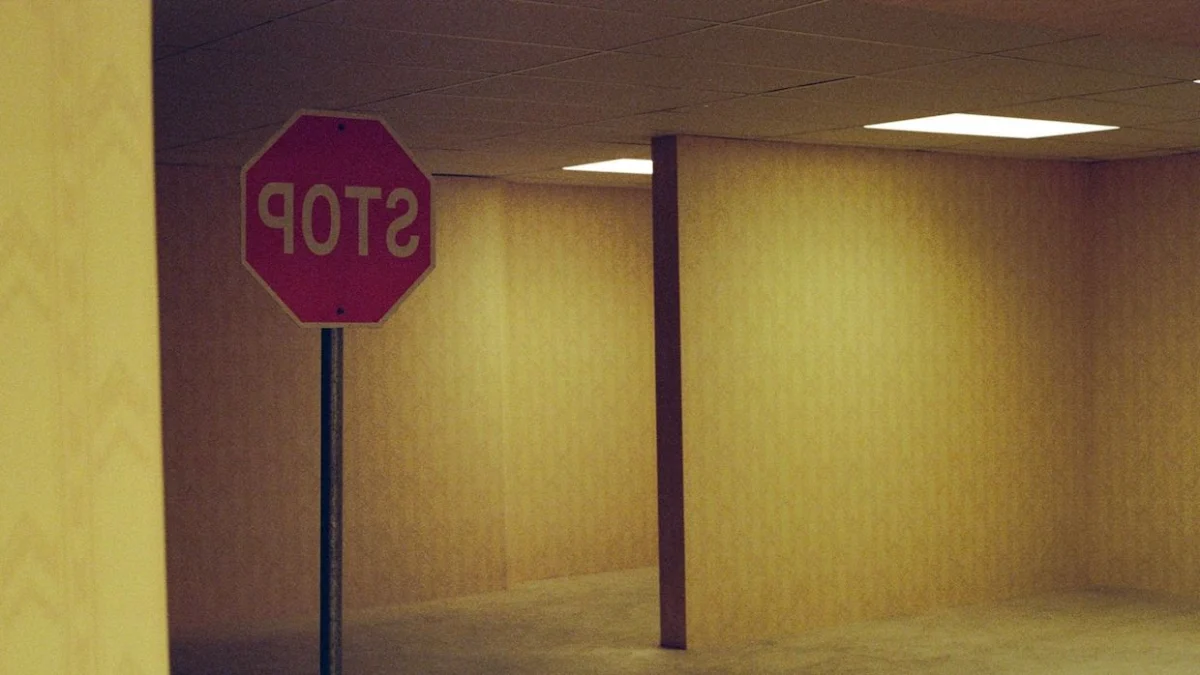
The trajectory of the Backrooms phenomenon is a unique case study in the democratization of intellectual property. The origin of the lore can be traced back to a photograph taken in 2003 of a former furniture store in Oshkosh, Wisconsin, which was undergoing renovations. The image, characterized by its sickly yellow wallpaper, fluorescent lighting, and damp carpets, remained obscure until May 2019, when it was uploaded to the /x/ paranormal board of 4chan. An anonymous user attached a caption describing a "non-Euclidean" space where one might "noclip" out of reality, entering a labyrinth of approximately 600 million square miles of empty rooms.
This initial post sparked a collaborative explosion of "creepypasta"—horror-related legends shared across the internet. By 2020, the concept had migrated to Reddit, where separate communities formed to codify the "levels" and "entities" of the Backrooms. However, it was Kane Parsons’ January 2022 short film, The Backrooms (Found Footage), that provided the definitive visual language for the mythos. Utilizing Blender and high-fidelity sound design, Parsons captured the aesthetic of 1990s VHS recordings, grounding the surreal concept in a tangible, nostalgic reality. The video garnered over 50 million views within its first year, catching the attention of major Hollywood studios and leading to the 2026 feature-length adaptation.
Narrative Architecture and the 1990 Setting
While the original internet lore is often abstract, the 2026 film introduces a structured narrative set in June 1990, specifically within the suburban sprawl of Santa Clara, California. This temporal setting is crucial to the film’s atmospheric goals. The plot centers on Clarke (Chiwetel Ejiofor), the owner of a struggling furniture store named Ottoman Empire. Clarke’s business is on the verge of liquidation, a victim of the shifting economic tides of the late 20th century. His personal life is equally fractured, mirrored by his therapist, Mary (Renate Reinsve), who is grappling with the demolition of her childhood home to make way for standardized, prefab condominiums.
The film utilizes these characters to explore the "Backrooms" not merely as a physical location, but as a manifestation of psychological and societal transitions. The Santa Clara of 1990 is depicted with a clear, haunting blue sky and vast, low-slung strip malls—spaces that feel familiar to American millennials and are now fetishized by Gen Z through social media trends. By placing the narrative on the eve of the digital revolution, Parsons and screenwriter Will Soodik highlight a world that was already becoming "unviable" before the internet restructured human consciousness. The Backrooms, in this context, act as a technological and cultural point of no return, a "generative void" that captures and distorts the memories of a disappearing analog world.
The Rise of Liminalcore and Digital Nostalgia
The success of the Backrooms film is deeply tied to the rise of #nostalgiacore and #liminalcore on platforms like TikTok and Instagram. Data from social media analytics firms indicate that interest in "liminal spaces"—abandoned malls, empty playgrounds, and vacant office buildings—surged by over 400% following the global pandemic. This spike is attributed to a collective sense of temporal dislocation; as the "real world" became inaccessible, digital audiences turned to images of empty, familiar spaces to process their anxiety.
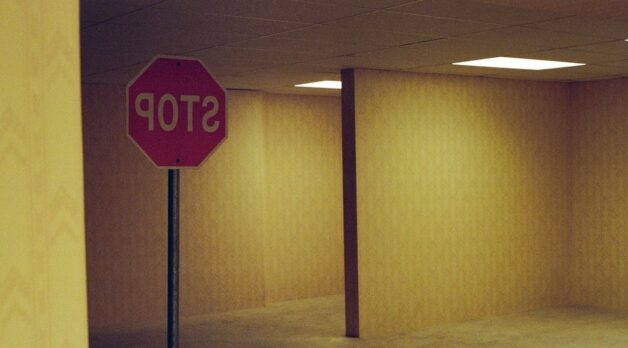
The film taps into what academics call "digital retrobait," where users yearn for an unplugged past that many of them never actually experienced. This sentiment is often reflected in the comments sections of liminal space videos, where "I want to go there" is a recurring refrain. However, the film subverts this desire. It portrays nostalgia as a "double-edged sword," where the comfort of the past is corrupted by the realization that it cannot be reclaimed. The use of outdated technology—floppy disks, chunky monitors, and self-help cassettes—serves as a "ghost story for the non-cybernetic individual," emphasizing the loss of a distinct, physical self in the face of burgeoning digital systems.
Production Data and Industry Implications
The production of Backrooms (2026) involved a unique blend of traditional filmmaking and digital artistry. Kane Parsons, serving as director, maintained the aesthetic integrity of his original web series by incorporating "found footage" elements shot on DV-cams, which were then integrated into the broader cinematic framework. Industry reports suggest the film’s budget was in the mid-range of $20–$30 million, a significant investment for a property originating from an internet meme.
The involvement of A24, a studio known for its "elevated horror" portfolio, indicates a shift in how major distributors view internet-native IP. Traditionally, film adaptations of internet stories (such as the 2018 Slender Man) were met with critical derision. However, the critical response to Backrooms has been notably different, with reviewers praising the film’s "hauntological tone-poem" qualities. The film’s success suggests that the next generation of filmmakers will be those who, like Parsons, grew up navigating the "Backrooms" of the internet, blending high-concept digital lore with traditional cinematic storytelling.
Socio-Psychological Analysis: The "Generative Void"
A central theme of the film is the concept of "predictive iteration," a direct nod to the mechanics of modern Artificial Intelligence. In the film, multiple characters describe the Backrooms as being "like describing a dog to someone who’s never seen a dog and then asking them to draw it." This line serves as a metaphor for how AI hallucinations and digital memory work—they are distortions based on massive amounts of data that lack a fundamental understanding of reality.
This analysis extends to the characters’ psychological states. Clarke, who lacks human connection and financial stability, eventually succumbs to the "false comfort" of the Backrooms. His journey is a reflection of "doomscrolling," where individuals repeat loops of anxiety and seek refuge in digital spaces that ultimately offer no solace. The film posits that as technology makes us feel less connected, we are more likely to "noclip" into these septic mindsets, becoming "glitches" in a world that is constantly remaking itself through algorithmic models.
Chronology of the Backrooms Phenomenon
- 2003: An original photograph of a furniture store in Oshkosh, Wisconsin is taken during a renovation.
- May 12, 2019: The photo is posted to 4chan’s /x/ board, creating the initial "Backrooms" concept.
- 2020–2021: The lore expands across Reddit and Wiki sites, introducing the concept of "levels" and "entities."
- January 7, 2022: Kane Parsons uploads The Backrooms (Found Footage) to YouTube, establishing the visual style of the series.
- February 2023: A24 announces it will produce a feature film adaptation directed by Parsons and produced by James Wan and Shawn Levy.
- 2024–2025: Production takes place, with Chiwetel Ejiofor and Renate Reinsve joining the cast.
- 2026: The film is released globally, receiving praise for its atmospheric depth and social commentary.
Broader Impact and the Future of Cinema
The implications of Backrooms (2026) extend beyond the box office. It validates the "creepypasta" genre as a viable source for prestige cinema and highlights the growing influence of Gen Z creators who possess a native understanding of digital aesthetics. Furthermore, the film’s exploration of the "uncanny valley of the present" provides a framework for understanding contemporary technodystopian anxiety.
By grounding the film in the specific time and place of 1990 Santa Clara, Parsons has created a work that resonates with both those who remember the analog era and those who only know it through the distorted lens of the internet. The film concludes that the past was never as simple as we remember it, and our pursuit of it through digital means is a "knowingly futile" endeavor. As the film industry continues to grapple with the rise of AI and the fragmentation of traditional media, Backrooms stands as a testament to the power of human-led storytelling to capture the nuances of our increasingly mediated existence.