


The documentary film "A Quiet Storm," a collaborative production by Skeptic Films and Twin Brains Films and distributed by Eroin Films, heralds the significant return of Benjamin Nicolas to the realm of documentary filmmaking. His hiatus from directing documentaries saw him delve into diverse creative avenues including photography, advertising, production, and narrative fiction. Nicolas’s prior directorial contributions to the documentary landscape include notable works such as "Long Live Little Brats," "Wanda," and "BEAST," each showcasing a distinct narrative and visual style. The current offering, "A Quiet Storm," appears to build upon this established trajectory, promising a deeply personal and visually compelling exploration of family dynamics and individual expression.
The Genesis of a Performance: From Audition to Spotlight
The film commences with a visceral immersion into the vibrant and intense world of Krump dance. The opening scenes unfold within a gymnasium buzzing with anticipation, the air thick with the palpable energy of an audition for this explosive street dance style. Krump, originating from the streets of Los Angeles in the early 2000s, is characterized by its aggressive, primal movements, expressive gestures, and powerful storytelling. Its emergence as a significant cultural force, particularly among urban youth, reflects a broader societal shift towards self-expression and catharsis through physical artistry.
Within this dynamic environment, the documentary introduces Maëto, a 14-year-old aspiring dancer hailing from the suburban expanse of Tokyo. The audience witnesses Maëto in the throes of preparation, his focus absolute as he hones his craft, listening intently to the guidance of his coach. The transition from the focused intensity of rehearsal to the electrifying atmosphere of the actual performance is swift. As night descends, the venue transforms into a pulsating hub of youthful energy, predominantly populated by a young demographic drawn to the raw power of Krump. It is here, amidst the fervor of the performance, that Maëto’s unique talent and compelling presence unequivocally command attention, setting the stage for the deeper narrative to unfold.
Unveiling the Domestic Landscape: A Mother’s Perspective
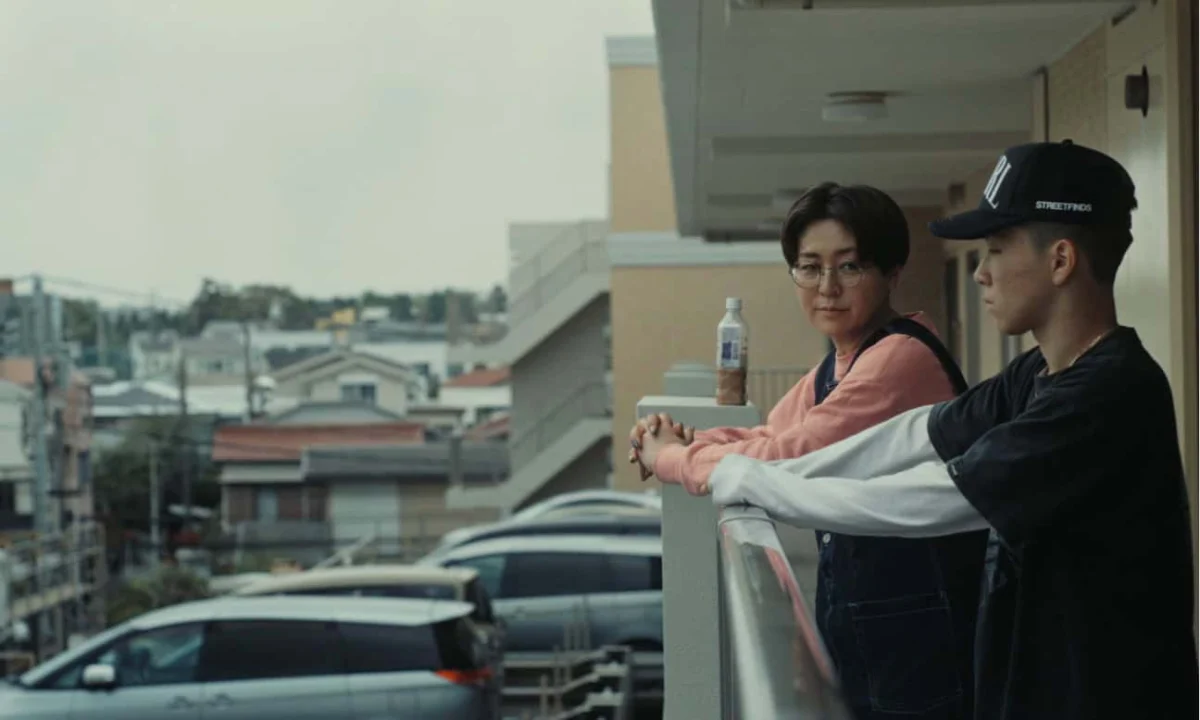
The narrative swiftly shifts from the public arena of performance to the intimate confines of Maëto’s home. Here, the documentary provides a poignant glimpse into his family life, revealing that he resides with his mother, Itsuka, and his older sister, Ayumu. Ayumu, who is six years Maëto’s senior, lives with a disability, a reality that profoundly shapes the family’s daily existence.
Itsuka’s narration becomes a central pillar of the documentary, offering an unvarnished account of the considerable challenges she navigates in raising her two children. Her voice carries the weight of personal experience as she articulates the immense dedication and emotional fortitude required to care for Ayumu, whose condition necessitates a significantly greater allocation of time and attention. This familial reality, while imbued with love and commitment, has undeniably left its mark on Maëto. Itsuka candidly discusses the impact of this dynamic on her son, acknowledging his palpable frustration during his formative years. She posits that his burgeoning passion for dance, his fervent desire for a greater share of his mother’s attention, was a direct consequence of the familial circumstances, a powerful outlet through which he sought recognition and connection. As the documentary progresses, this intimate dialogue between mother and son forms the emotional core, with the narrative seamlessly alternating between Maëto’s silent expressions and Itsuka’s revealing monologues.
Benjamin Nicolas’s Cinematic Approach: A Symphony of Silence and Narration
Director Benjamin Nicolas employs a distinctive and highly effective cinematic approach in "A Quiet Storm." Maëto’s internal world and emotional landscape are primarily conveyed through his powerful physical presence and his captivating dance performances. He is a figure of expressive movement, his body articulating a complex narrative that transcends spoken words. In stark contrast, his voice is sparsely heard, allowing his actions and the visual storytelling to take precedence.
This deliberate choice places a significant emphasis on Itsuka’s narration. Her voice serves as the essential conduit, illuminating the film’s thematic underpinnings and providing the crucial context for Maëto’s journey. Itsuka emerges as an exceptionally articulate and remarkably open narrator. Her clarity of expression and her candid willingness to discuss the intimate details of her family’s situation with her two children are among the most compelling and engaging aspects of the documentary. This openness and honesty act as the unwavering anchor, grounding the film in a profound sense of authenticity and emotional resonance.
While the family’s circumstances are undeniably challenging, the documentary skillfully avoids succumbing to excessive sentimentality. This balance is achieved through the inclusion of Maëto’s dynamic dance performances and the candid depiction of moments of shared joy and levity among the three family members. These elements serve to humanize the narrative, preventing it from becoming overly bleak and instead rooting it firmly in a grounded realism. Furthermore, Itsuka’s poignant revelation of her personal dreams and aspirations for her children injects a deeply appealing and tender dimension into the film, a recurring motif that ultimately defines the overarching tone and emotional arc of "A Quiet Storm."
Visual Storytelling: The Artistry of Cinematography and Editing
The visual language of "A Quiet Storm" is as crucial to its narrative as its spoken elements. Maëto’s dance serves as the second powerful anchor of the film, his movements imbued with a raw and captivating energy. The cinematography, helmed by DP Alexandre Nour, masterfully captures the nuances of his performance, translating the kinetic force of Krump into compelling visual imagery.
Several sequences stand out for their artistic merit and emotional impact. The slow-motion depiction of Maëto dancing in the rain evokes a sense of catharsis and personal liberation, a visually arresting metaphor for overcoming internal struggles. Equally striking is a silent sequence featuring Maëto and his sister in the gym, a poignant illustration of their unique bond and shared understanding that transcends verbal communication. A prolonged shot of Maëto and his mother on the terrace of their apartment building further underscores the high quality of the cinematography and the deliberate, impactful framing that characterizes the film.
The editing, skillfully managed by Marie-Pier Grignon, plays a pivotal role in weaving together the disparate elements of the documentary. Grignon’s work seamlessly transitions between the raw, realist drama of the family’s life and moments that possess the aesthetic polish of a music video. This fluid interplay ensures that the film remains both informative and thoroughly entertaining from its opening moments to its conclusion, successfully engaging the audience on multiple levels.
The Climax and Concluding Remarks: A Resonant Finale
The documentary culminates with a powerful performance that serves as an ideal conclusion to the narrative arc. The depiction of Itsuka’s emotional reactions to the events unfolding during this final dance battle, coupled with Maëto’s decisive response, provides a cathartic and deeply satisfying resolution. This climactic sequence encapsulates the themes of struggle, resilience, and familial support that have been meticulously built throughout the film.
Adding another layer of depth and reflection, the credit scenes offer a fitting epilogue to the documentary. These final moments provide a sense of closure, leaving the audience with a lasting impression of the family’s journey and the enduring power of their bond.
In summation, Benjamin Nicolas’s direction in "A Quiet Storm" is a testament to his multifaceted talent. His adept handling of both the documentary and cinematic elements allows the film to navigate the delicate space between fiction and reality with remarkable fluidity. The film effectively highlights its central themes while simultaneously providing abundant entertainment. "A Quiet Storm" represents a highly competent and artistically significant cinematic achievement, offering a unique and compelling narrative style that is refreshingly uncommon in contemporary filmmaking. Its success lies in its ability to blend raw emotional honesty with sophisticated visual storytelling, creating an experience that is both thought-provoking and deeply moving. The film’s potential impact extends beyond its immediate audience, serving as an important cultural document that sheds light on the often-unseen struggles and triumphs of families navigating complex personal circumstances, all while celebrating the transformative power of artistic expression. The meticulous attention to detail in its production, from the nuanced performances to the breathtaking cinematography and precise editing, solidifies its position as a standout work in the documentary genre.