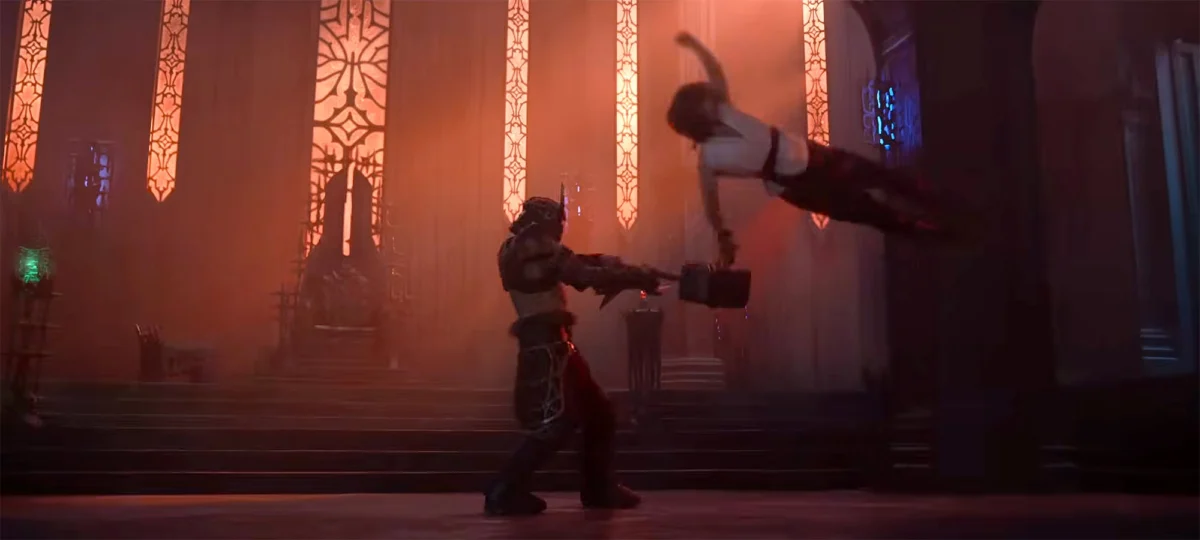
Warner Bros. has unveiled a new, action-packed promotional trailer for Mortal Kombat II (MK2), the highly anticipated sequel to its 2021 live-action adaptation of the popular video game fighting series. Dropping just weeks before its theatrical debut this May, the "LFG" (Let’s F**ing Go) trailer amplifies the film’s promise of heightened intensity, brutal fatalities, and a deep dive into the iconic lore that has captivated fans for decades. This latest glimpse into the cinematic universe of Mortal Kombat* arrives with considerable fanfare, aiming to build on the foundation laid by its predecessor while addressing fan expectations for an even more authentic and expansive portrayal of the deadly tournament. The film is slated to hit theaters nationwide on May 8th, 2026.
The new trailer emphatically declares, "Finish him!!", a direct nod to the game’s infamous catchphrase, signaling the sequel’s commitment to delivering the visceral, no-holds-barred combat that defines the franchise. Viewers are treated to a rapid-fire montage of fan-favorite champions, now notably joined by the long-awaited introduction of action superstar Johnny Cage, portrayed by Karl Urban. These formidable warriors are depicted in a desperate struggle against the encroaching dark rule of Shao Kahn, whose dominion threatens the very existence of Earthrealm and its valiant defenders. An actor playing Shao Kahn is quoted emphasizing the production’s ambition, stating, "We had to up the ante on every aspect," a sentiment clearly reflected in the trailer’s scale and ferocity.
A Legacy of Brutality: The Mortal Kombat Franchise’s Journey to the Big Screen

The Mortal Kombat saga began its journey in 1992 as a groundbreaking arcade fighting game, developed by Ed Boon and John Tobias. Its innovative digitized sprites, intricate special moves, and unprecedented levels of graphic violence quickly set it apart, sparking both immense popularity and significant controversy, ultimately contributing to the creation of the Entertainment Software Rating Board (ESRB) in North America. Over three decades, the franchise has evolved across numerous game titles, comic books, animated series, and live-action adaptations, cementing its status as a cultural phenomenon.
The cinematic history of Mortal Kombat is as storied as its gaming counterpart. The 1995 film, directed by Paul W.S. Anderson, achieved cult classic status, lauded for its faithfulness to character designs, memorable score (including "Techno Syndrome" by The Immortals), and relatively strong box office performance for a video game adaptation of its era, grossing over $122 million worldwide on an $18 million budget. Its 1997 sequel, Mortal Kombat: Annihilation, however, was widely panned by critics and fans alike, suffering from a convoluted plot and perceived production shortcomings, effectively putting a moratorium on live-action Mortal Kombat films for over two decades, save for the well-received web series Mortal Kombat: Legacy (2011-2013).
The 2021 Mortal Kombat reboot, directed by Simon McQuoid, marked a significant return for the franchise to theaters and HBO Max. It was met with a mixed critical reception but generally stronger fan approval, particularly for its R-rating, which allowed for the franchise’s signature gore and fatalities to be depicted authentically. The film introduced an original protagonist, Cole Young (Lewis Tan), and showcased compelling performances from actors like Joe Taslim (Bi-Han/Sub-Zero) and Hiroyuki Sanada (Hanzo Hasashi/Scorpion), whose rivalry was a highlight. Despite its strengths, some criticisms included a perceived lack of a formal tournament structure and the absence of key characters like Johnny Cage, issues that Mortal Kombat II appears poised to address directly. The 2021 film garnered approximately $84 million globally amidst a challenging pandemic-era release, proving there was still a significant appetite for a serious, R-rated Mortal Kombat movie.
The Road to Mortal Kombat II: Development and Production

Following the 2021 film’s success, albeit under unusual circumstances, New Line Cinema and Warner Bros. swiftly greenlit a sequel. Simon McQuoid, the Australian filmmaker who successfully helmed the first installment, returns to direct Mortal Kombat II, bringing his distinctive visual style and deep understanding of the source material. McQuoid’s background, which includes extensive work in the video game industry directing commercials for franchises like Call of Duty and PlayStation, lends him a unique perspective on translating interactive entertainment to the big screen.
The screenplay for Mortal Kombat II is penned by Jeremy Slater, known for his work on Marvel’s Moon Knight and Netflix’s The Umbrella Academy. Slater’s involvement signals a potential for richer character development and narrative complexity, building on the action-focused approach of the first film. Producing duties are once again handled by a formidable team including Todd Garner, Toby Emmerich, Simon McQuoid himself, E. Bennett Walsh, and the horror maestro James Wan, whose oversight ensures a commitment to high production values and visceral action sequences.
One of the most significant announcements during the production phase was the casting of Karl Urban as Johnny Cage. Urban, widely celebrated for his roles in The Boys and Star Trek, brings a blend of charismatic swagger and intense physicality to the iconic martial arts movie star. His inclusion was a direct response to fan demand, as Johnny Cage’s absence was a notable point of contention for many viewers of the 2021 film. The marketing campaign even playfully leaned into this, releasing a "fun teaser for Johnny Cage’s Uncaged Fury movie," a fictional film within the Mortal Kombat universe, further building anticipation for Urban’s debut.
The returning ensemble cast sees Lewis Tan reprise his role as Cole Young, alongside Jessica McNamee as Sonya Blade, Josh Lawson as Kano (whose return, if confirmed beyond flashbacks, would add intriguing dynamics), Ludi Lin as Liu Kang, Mehcad Brooks as Jax, and Tati Gabrielle in an undisclosed but significant role. Key antagonists and mentors also make their return: Chin Han as the sorcerer Shang Tsung, Tadanobu Asano as Lord Raiden, and the intensely popular duo of Joe Taslim as Bi-Han (Sub-Zero, potentially evolving into Noob Saibot) and Hiroyuki Sanada as Hanzo Hasashi/Scorpion. Adeline Rudolph and Damon Herriman are also confirmed in new roles, further expanding the roster of fighters and villains.

Trailer Breakdown and Elevated Expectations
The recently released "LFG" trailer, available on YouTube, serves as a comprehensive final push, designed to showcase the sequel’s escalated stakes and cinematic ambition. It features the classic Mortal Kombat theme by The Immortals, an instantly recognizable track that immediately plunges viewers into the nostalgic, high-octane world of the game. The trailer skillfully cycles through various fighters, highlighting their unique fighting styles and showcasing the advanced visual effects.
A prominent feature of the new footage is the undeniable "video game aesthetics" that the filmmakers are embracing. This involves not only faithful character designs but also the kinetic energy and specific move-sets that are instantly recognizable to players. The R-rating is explicitly leveraged, allowing for uninhibited depictions of gore and the franchise’s signature fatalities, ensuring that Mortal Kombat II remains true to its brutal origins. The promise of "going all out" with the fights is palpable, suggesting that the sequel will deliver on the blood-soaked spectacle fans have long craved.
The trailer gives glimpses of large-scale battles, intricate martial arts choreography, and the sheer power of new antagonist Shao Kahn, whose presence looms large over Earthrealm. The dynamic between returning heroes and the formidable new challenges they face appears to be a central narrative drive. The inclusion of Johnny Cage adds a layer of much-needed humor and bravado, which will likely serve as a counterpoint to the grim struggle for survival. Early reactions from fans across social media platforms indicate widespread excitement, with many praising the perceived improvements in visual effects, character portrayals, and the overall scope compared to the 2021 film.

Broader Implications for the Video Game Adaptation Genre
Mortal Kombat II arrives at a pivotal time for video game adaptations in Hollywood. Recent years have seen a significant shift in the critical and commercial success of films and series based on gaming IPs, moving away from the historically troubled track record of the genre. Blockbusters like The Super Mario Bros. Movie (grossing over $1.3 billion worldwide), the Sonic the Hedgehog films, and critically acclaimed series such as HBO’s The Last of Us have demonstrated that thoughtful, faithful adaptations can resonate with both existing fans and new audiences.
Warner Bros. appears to be positioning Mortal Kombat II as a cornerstone of its strategy for R-rated video game adaptations. The success of the 2021 film in a pandemic-affected market, coupled with the palpable anticipation for its sequel, suggests a robust niche for mature-themed game adaptations. MKII‘s performance will be closely watched as an indicator of the commercial viability and audience demand for gritty, authentic translations of violent game franchises. If successful, it could pave the way for other R-rated adaptations and further sequels within the Mortal Kombat cinematic universe, potentially exploring new realms, tournaments, and character arcs.
The film’s release strategy, targeting a summer release on May 8th, 2026, positions it to capture a wide audience, benefiting from strong brand recognition and a dedicated fan base. The pre-release marketing, including the previous "first official trailer" and the "Uncaged Fury" teaser, has effectively built momentum, highlighting the film’s key selling points: intensified action, beloved characters, and a deep commitment to the franchise’s brutal heritage.

As the release date approaches, the question remains: Is everyone still excited to watch this sequel? Based on the enthusiastic response to the new trailer and the evident efforts by the production team to deliver an "up the ante" experience, all signs point to a resounding "LFG" from the global Mortal Kombat community. The stage is set for an epic cinematic battle that promises to deliver on the franchise’s legacy of high-stakes combat and unforgettable fatalities.