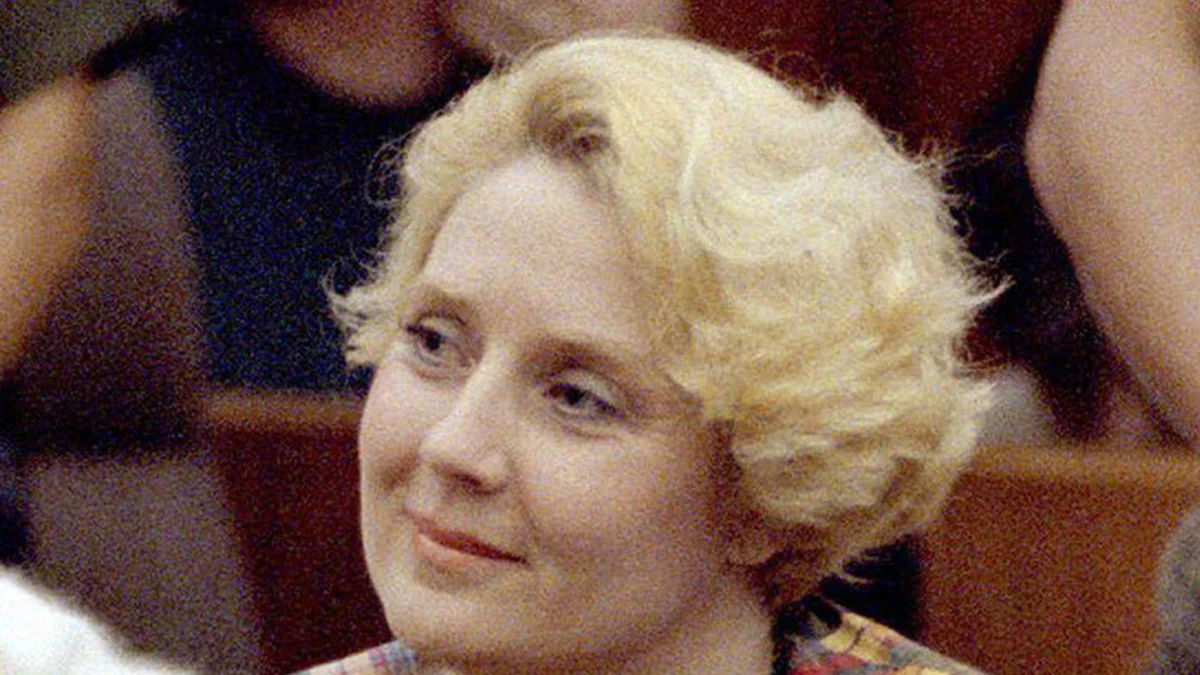
The passing of Betty Broderick, who died recently at a California medical facility while serving a 32-year to life sentence for the 1989 murders of her ex-husband, Daniel T. Broderick III, and his new wife, Linda Kolkena Broderick, has opened a complex emotional chapter for her four children. Her son, Daniel Broderick, shared insights into the intricate grieving process and the profound challenge of reconciling a loving mother with an unforgivable killer. His reflections underscore a deeply personal struggle to navigate profound family trauma, balancing the indelible horror of her actions with memories of a nurturing parent from a bygone era.
Betty Broderick passed away on Friday, May 3rd, after being transported to a medical facility the previous month. Her health had significantly declined, with Daniel confirming she suffered from a series of septic infections and sustained several broken ribs during a fall in prison. She had been incarcerated since her conviction for the double homicide, a case that captivated national attention and became a sensational symbol of marital breakdown and extreme vengeance. Broderick was 76 years old at the time of her death, having spent over three decades behind bars. She was denied parole on three separate occasions, with her next eligibility scheduled for 2032. Her death brings a definitive end to a legal saga that spanned generations and left an enduring mark on the American consciousness.
For Daniel Broderick, the son who shares his father’s name, the relationship with his mother became irrevocably "complicated" following the violent events of November 5, 1989. Despite the gravity of her crimes, he articulates a conscious effort to recall the "good times" they shared before the family fractured. He described his mother as an "amazing mom" in her earlier years, remembering her as "engaged, intelligent, fun and funny." This dichotomy — the vibrant, caring parent versus the convicted murderer — presents an emotional paradox that her children have grappled with for over three decades. Daniel emphasized that he and his three siblings — Kim, Lee, and Rhett — were all present at their mother’s bedside during her final moments, a testament to the enduring, albeit fraught, familial bonds that persisted despite the tragedy. The children’s collective presence highlights their journey to find a measure of peace and to move past the devastating events that defined their early lives.
The siblings, according to Daniel, loved both of their parents deeply. This statement speaks volumes about the enduring nature of filial affection, even in the face of unspeakable acts. While acknowledging that Betty’s actions were "unforgivable," Daniel asserts that she remains their parent, underscoring the intrinsic connection that cannot be severed by crime or conviction. He clarifies that the siblings are not seeking to absolve their mother of responsibility for her horrific deeds but are instead striving to move forward for their own well-being and emotional healing. This nuanced perspective offers a rare glimpse into the profound psychological burden carried by children caught in the crossfire of such extreme family violence.
The Genesis of a Tragedy: A Bitter Divorce and Escalating Rage
To fully comprehend the complexities of the Broderick children’s grief, it is essential to revisit the tumultuous background that culminated in the double murder. Betty Broderick (née Bisceglia) and Daniel T. Broderick III appeared, on the surface, to embody the quintessential American success story. Married in 1969, they cultivated a life of affluence in La Jolla, an exclusive enclave of San Diego. Dan, a Harvard Medical School graduate, transitioned to law, eventually becoming a highly successful malpractice attorney. Betty, a dedicated homemaker, meticulously supported his career ambitions, managing their household and raising their four children. She often described herself as having sacrificed her own aspirations to facilitate Dan’s professional ascent.
However, beneath the veneer of prosperity, their marriage began to unravel in the mid-1980s. Dan’s affair with Linda Kolkena, his much younger legal assistant, served as the catalyst for a divorce that would spiral into one of the most acrimonious and publicly scrutinized marital dissolutions in legal history. The divorce proceedings, which commenced in 1985 and lasted for years, were marked by intense financial disputes, bitter custody battles, and increasingly volatile behavior from Betty. She felt profoundly betrayed and financially exploited, believing that Dan was using his legal expertise to manipulate the settlement in his favor, leaving her destitute despite her contributions to his success.
Betty’s emotional state deteriorated dramatically. Her actions escalated from harassment to outright vandalism. She repeatedly left angry, profanity-laced messages on Dan’s answering machine, vandalized his homes, and even drove her car through the front door of his new residence. She violated numerous restraining orders, displaying an unyielding obsession with her ex-husband and his new relationship. Friends and family members documented her increasingly erratic and threatening behavior, which was often dismissed or underestimated by those around her, including the legal system, which seemed ill-equipped to handle the depth of her rage and perceived victimhood. Betty consistently maintained that she was a victim of psychological abuse and manipulation at the hands of Dan, who she believed used his legal prowess to systematically dismantle her life.
The Fatal Morning of November 5, 1989
The tragic climax arrived on Sunday, November 5, 1989. Betty Broderick, after stealing a key to Dan and Linda’s home from her daughter Kim, entered their Marston Hills house in the early morning hours. Carrying a .38 caliber five-shot revolver, she proceeded to the master bedroom where Dan, 44, and Linda, 28, lay sleeping. She fired five shots, striking both victims multiple times. Dan was hit in the chest, and Linda was hit in the neck and chest. Both died instantly.
After the shootings, Betty pulled the phone from the wall and fled the scene. She later surrendered to police, confessing to the murders. Her immediate explanation was that she had intended only to talk to Dan, but the sight of them together in bed, coupled with years of accumulated rage and perceived injustices, triggered an uncontrollable outburst of violence. This act of calculated violence, following years of threats and escalating harassment, presented a stark and terrifying conclusion to a marriage that had devolved into an all-consuming vendetta.
The Trials and Legal Aftermath
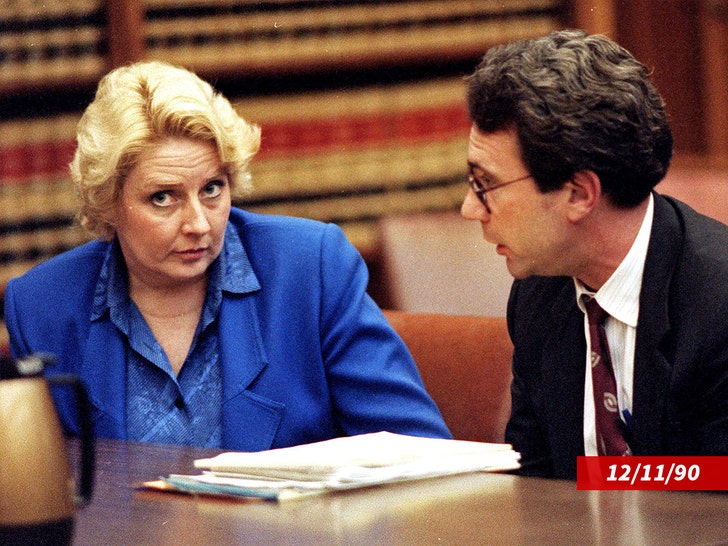
The Broderick case immediately became a media sensation, drawing national attention to the psychological toll of bitter divorces and the potential for domestic disputes to turn deadly. Betty Broderick’s legal journey involved two high-profile trials.
Her defense team, led by attorney Jack Earley, argued that Betty was a victim of "battered woman syndrome," a legal strategy asserting that years of emotional and psychological abuse by Dan had driven her to a state of mental breakdown, rendering her incapable of premeditation. They painted a picture of a woman pushed to the brink by her husband’s infidelity, legal maneuvering, and cruel taunts. The defense aimed to demonstrate that Betty’s actions, while undeniably violent, were a desperate, albeit tragic, reaction to systemic abuse and provocation. This defense was particularly potent at a time when societal understanding of domestic abuse and its psychological effects was evolving.
The prosecution, spearheaded by Kerry Wells, countered that Betty’s actions were clear examples of premeditated murder. They highlighted the meticulously planned nature of the crime — stealing the key, acquiring the weapon, and entering the home with the intent to kill. They presented evidence of Betty’s long history of threats and destructive behavior, arguing that her rage was a deliberate choice, not a spontaneous breakdown. The prosecution maintained that Betty, despite her personal grievances, understood the illegality and consequences of her actions.
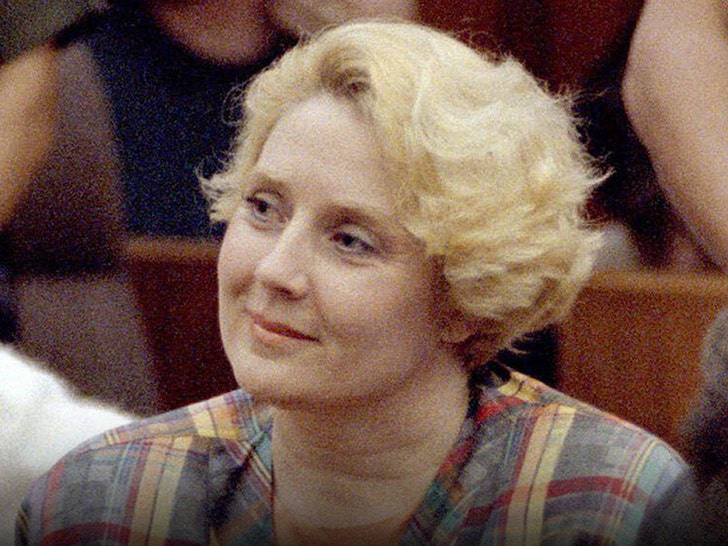
The first trial, in 1990, resulted in a hung jury, underscoring the divided public opinion and the complexities of the emotional arguments presented. Jurors struggled to reconcile the conflicting narratives of victimhood and calculated malice. A second trial commenced in 1991, leading to Betty Broderick’s conviction on two counts of second-degree murder. The verdict reflected the jury’s belief that while Betty acted with malice, the level of premeditation might not have reached the threshold for first-degree murder. She was subsequently sentenced to two consecutive terms of 15 years to life, effectively ensuring she would spend the rest of her life in prison.
Life in Prison and Denied Parole
Betty Broderick spent over three decades incarcerated at the California Institute for Women (CIW) in Chino, and later at the California Institution for Women in Corona. Throughout her imprisonment, she made several attempts to gain parole, each time facing intense public scrutiny and ultimately being denied.
Her first parole hearing took place in 2010. During the hearing, Broderick continued to express a narrative of victimhood, asserting that she was unjustly imprisoned and that Dan and Linda were responsible for her actions. She famously stated, "I was a woman scorned," a phrase that had become synonymous with her case. The parole board cited her lack of remorse and failure to accept full responsibility for the murders as primary reasons for denial. They noted her continued blaming of the victims and her perception that she was the wronged party, indicating a lack of insight into the gravity of her crimes.
A second parole hearing occurred in 2011, with similar results. Broderick reiterated her claims of being provoked and abused, maintaining that she had been driven to the extreme by her ex-husband. The parole board again found her unsuitable for release, emphasizing her persistent refusal to take accountability and her inability to acknowledge the severe impact of her actions on her children and the victims’ families.
Her third and final parole hearing took place in 2017. By this point, her children, particularly Lee Broderick, testified against her release, expressing concerns about her continued lack of remorse and potential danger. Lee stated that her mother was "still a very angry person" and believed she should remain incarcerated. Once again, the parole board denied her request, citing her "extraordinary lack of insight" into her crimes and her continued failure to accept responsibility. They reiterated concerns about her mental state and the potential risk she still posed. The board determined that she still posed an "unreasonable risk of danger to society if released from prison." Her next parole hearing was set for 2032, a date she would not live to see.
Broader Impact and Cultural Resonance
The Betty Broderick case transcended the courtroom, embedding itself in American popular culture as a cautionary tale of marital discord and the destructive power of rage. The story’s sensational elements—affluence, betrayal, murder, and a seemingly ordinary woman driven to extraordinary violence—made it ripe for media adaptation.
Within years of her conviction, numerous books and television productions dramatized her story. Shana Alexander’s 1992 book, "Until the Twelfth of Never: The Deadly Divorce of Dan & Betty Broderick," provided an in-depth journalistic account. Linda Wolfe’s "Forsaking All Others" also explored the case. These books were quickly followed by two highly successful made-for-television movies starring Meredith Baxter: "A Woman Scorned: The Betty Broderick Story" (1992) and "Her Final Fury: Betty Broderick, the Last Chapter" (1992). These films solidified Betty Broderick’s image in the public imagination, often presenting a nuanced portrayal that allowed viewers to empathize with her perceived grievances while condemning her actions.
More recently, the case experienced a significant resurgence in public interest with the 2020 season of the true-crime anthology series Dirty John, titled "The Betty Broderick Story," starring Amanda Peet. This Netflix production brought the narrative to a new generation of viewers, reigniting debates about domestic violence, emotional abuse, and the complexities of the justice system. The show explored the psychological unraveling of Betty, prompting widespread discussion on social media and in various forums about the dynamics of her marriage and the factors that led to the tragic outcome.
The case also sparked broader conversations about the legal treatment of "battered woman syndrome" and the challenges of achieving justice in cases where victims of domestic violence commit violent acts themselves. Public opinion on Betty Broderick remained sharply divided: some viewed her as a villain, a cold-blooded killer who meticulously planned her revenge; others saw her as a tragic figure, a woman pushed to the absolute breaking point by years of perceived abuse and betrayal, ultimately becoming a victim of her own circumstances and the failings of the legal system to protect her emotional and financial interests.
A Family’s Enduring Struggle and the Path to Healing
The death of Betty Broderick closes a painful chapter, but it does not erase the deep scars left on her children. Daniel Broderick’s recent statements provide a poignant window into the long-term psychological impact of such profound family trauma. The children have been forced to navigate a life where one parent was murdered by the other, a burden few can comprehend. Their decision to be present at their mother’s bedside, despite the unforgivable nature of her crimes, speaks to the complex, often contradictory, nature of familial love and the human need for closure.
Their collective effort to remember the "good times" and to move forward for their own sake is a testament to resilience and the enduring human capacity for healing, even when true forgiveness remains elusive. Daniel’s distinction that his mother’s actions are unforgivable, yet she remains their parent, encapsulates the intricate emotional tightrope they walk. It is a nuanced stance that acknowledges the horrific reality of the past while striving to reclaim a sense of personal peace in the present. The Broderick children’s journey underscores the vital, often arduous, process of coming to terms with extreme family violence and finding a way to live with its devastating legacy, not by condoning the acts, but by seeking an internal resolution that allows for personal growth and emotional liberation. With Betty Broderick’s passing, the public narrative of the "woman scorned" comes to a definitive end, but for her children, the deeply personal and intricate process of grief and remembrance continues, now with a new layer of finality.