The National Association of Broadcasters (NAB) Show in Las Vegas has long served as the primary barometer for the global media and entertainment industry. However, the 2026 edition of the event marked a definitive turning point in the industry’s focus. After a decade-long fascination with high-end digital cinema, the "center of gravity" within the Las Vegas Convention Center has demonstrably shifted back toward its namesake roots. This transition from "cinema-first" to a "broadcast-heavy" ecosystem reflects a broader economic realignment toward more stable, growth-oriented sectors, including live sports production, news, house of worship services, and the burgeoning content creator economy.

As industry specialists and vendors noted throughout the four-day event, the "cinema-cinema-cinema" mantra that dominated previous years has been replaced by a renewed emphasis on live production and scalable broadcast solutions. This shift was underscored by a quieter floor presence from some traditional cinema stalwarts and a marked consolidation within the corporate landscape of production technology.
Industry Realignment and Corporate Consolidation
The weeks surrounding NAB 2026 were defined by significant structural changes in the industry. Shortly before the show opened, the German broadcast technology giant Riedel Communications announced its acquisition of ARRI, a move that signals a merger between traditional cinema optics and modern broadcast infrastructure. This acquisition suggests that even the most prestigious names in filmmaking are seeking stability through integration with broadcast-adjacent markets.
Simultaneously, the production services sector faced headwinds. Quixote Studios announced the closure of its operations in Atlanta and New Mexico, alongside significant downsizing in Los Angeles and New York. These closures resulted in approximately 70 layoffs, illustrating a cooling period for traditional long-form narrative production. The narrative on the show floor was clear: the industry is consolidating to survive a shifting landscape where traditional filmmaking is no longer the sole driver of innovation or revenue.
The Expanding Definition of the Filmmaker
The NAB 2026 programming reflected a democratization of the term "filmmaker." During the annual press conference, traditional feature film mentions were largely supplanted by discussions regarding independent creators. A primary example cited was Mark Fischbach, known globally as the YouTuber Markiplier, who recently self-financed his feature debut, Iron Lung.
This evolution highlights a trend where the tools once reserved for Hollywood sets are being utilized by a new generation of creators who operate outside the studio system. These individuals require equipment that balances high-end performance with mobility and affordability—a demand that was met by several key camera announcements at the show.
Next-Generation Camera Systems: Resolution vs. Utility
While the industry’s focus has shifted toward broadcast, camera manufacturers continue to push the boundaries of image acquisition. The 2026 show floor featured several "Best of Show" winners that prioritized large-format sensors and streamlined workflows.
Kinefinity and the Rise of Personal Cinema
Kinefinity, a Chinese manufacturer that has steadily gained a following among freelance cinematographers, unveiled the Vista. This 6K full-frame model took home a Best of Show award for its "small and light" body design. Designed to function as a "personal cinema camera," it allows operators to capture high-quality footage without the conspicuous footprint of a traditional production rig. The camera features a four-inch OLED touchscreen capable of 800 nits, reducing the need for external monitors in mobile setups.

Z CAM and the "Mission: Impossible" Influence
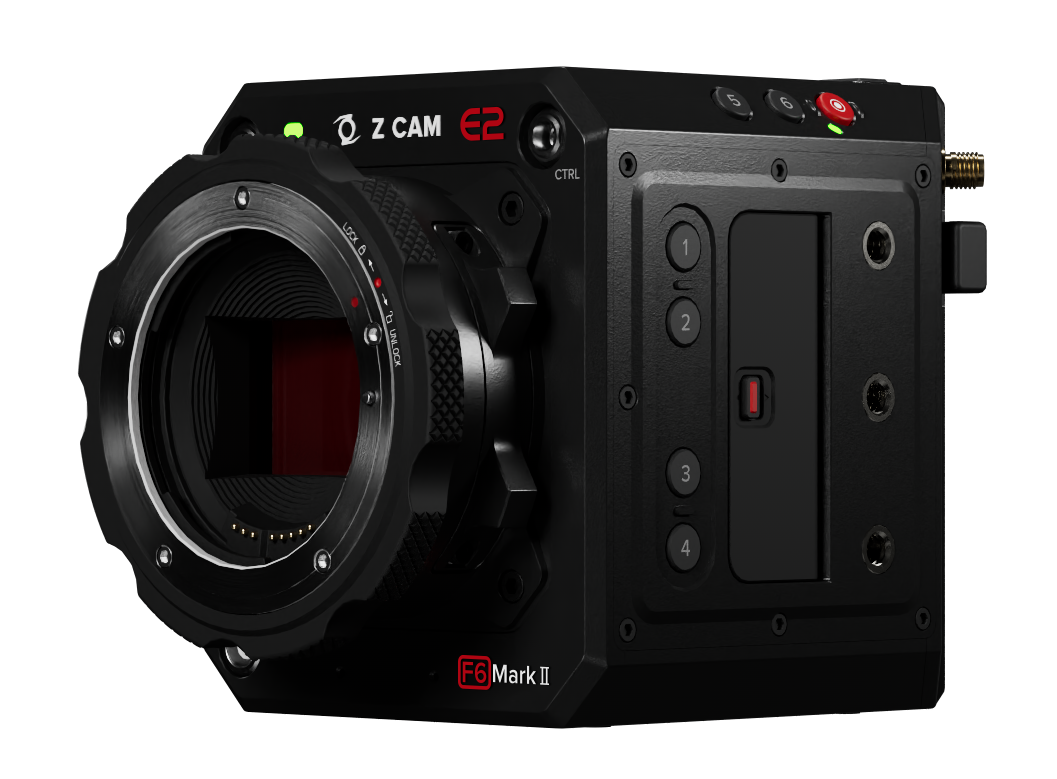
Z CAM received a significant visibility boost following the use of its cameras in the flight sequences of Mission: Impossible – The Final Reckoning. At NAB 2026, the company showcased the E2-F6 Mark II. The updated model includes essential broadcast and multi-cam features such as SDI and Genlock for frame-by-frame synchronicity. The transition from CFast to industry-standard CFexpress Type B media further aligns the camera with professional production standards.
Fujifilm and Blackmagic’s Large-Format Push
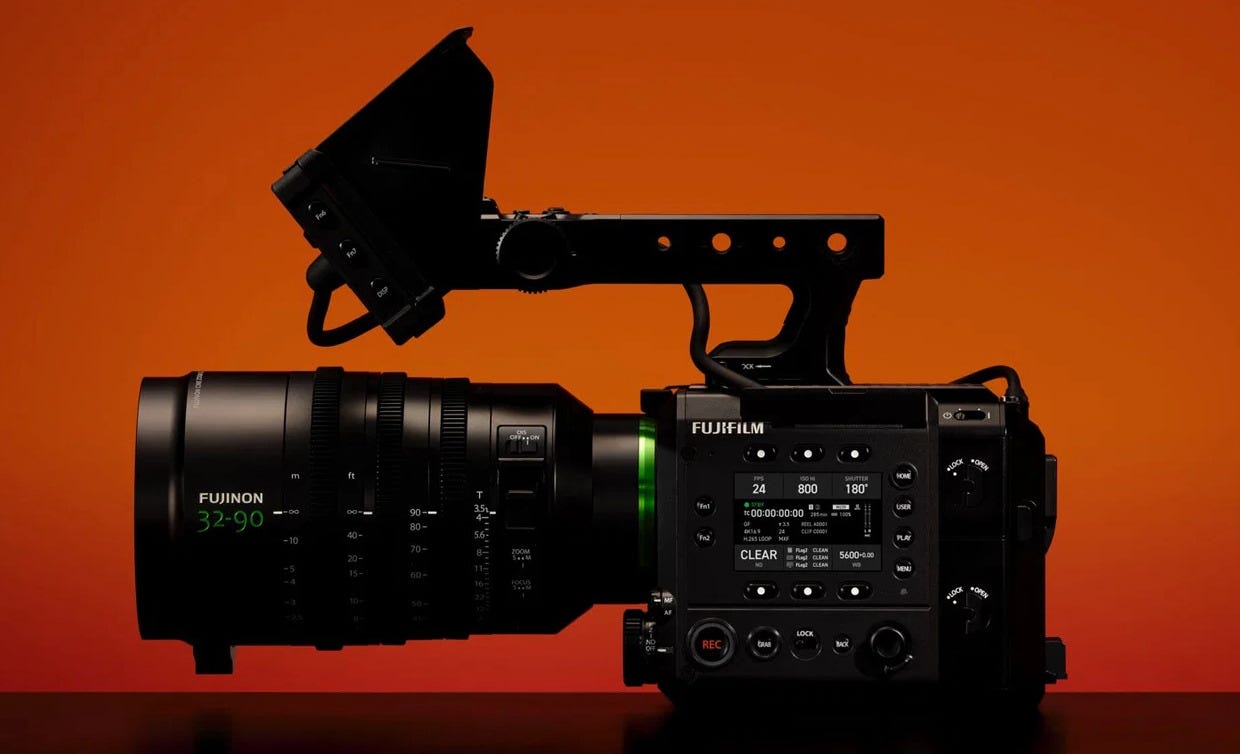
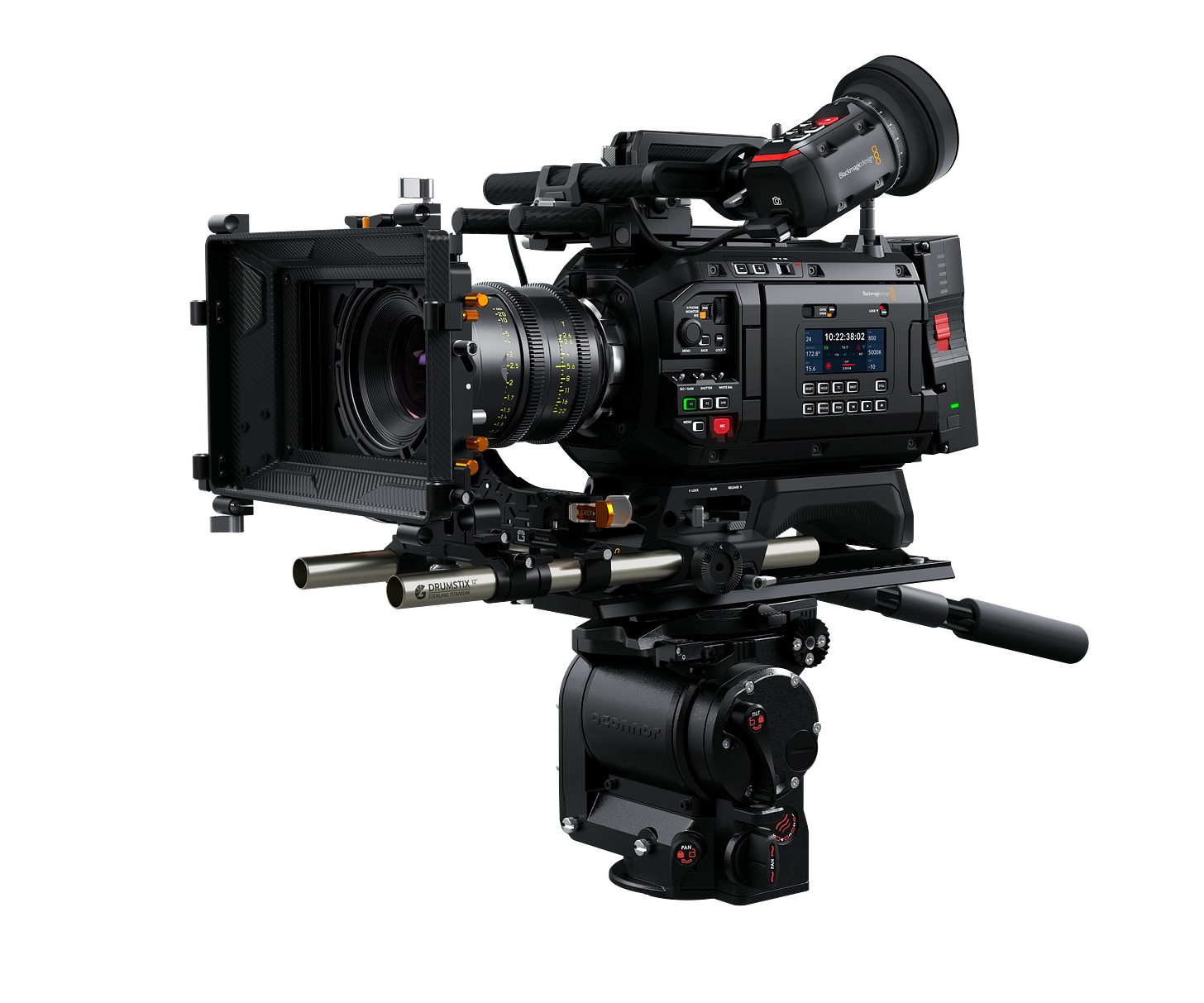
Fujifilm’s GFX ETERNA 55 cinema camera, which features a sensor 1.7 times larger than standard full-frame, continued to draw interest for its IMAX-approved status and competitive price point. Similarly, Blackmagic Design promoted the URSA Cine 17K 65. Cinematographer Blake McClure, who tested the unit on the HBO series Rooster, noted that the appeal of the 17K resolution is secondary to the creative possibilities of the 65mm sensor size, which allows for longer focal lengths while maintaining a wide field of view.
Optics and Remote Control Innovation
The lens market at NAB 2026 was characterized by a battle between high-end legacy brands and hyper-competitive manufacturers from Asia.
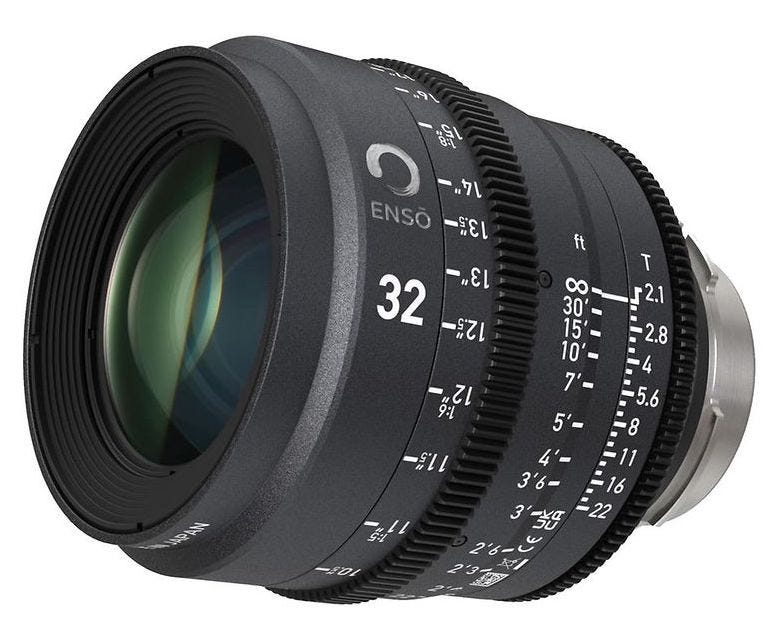
- ARRI Ensō Prime: ARRI completed its Ensō Prime line with the release of 10.5mm, 14mm, and 250mm focal lengths. A unique feature of this series is the vintage kit, which includes rear-mounted diopters that allow users to "detune" the lenses to mimic the look of classic glass, such as the Canon K35.
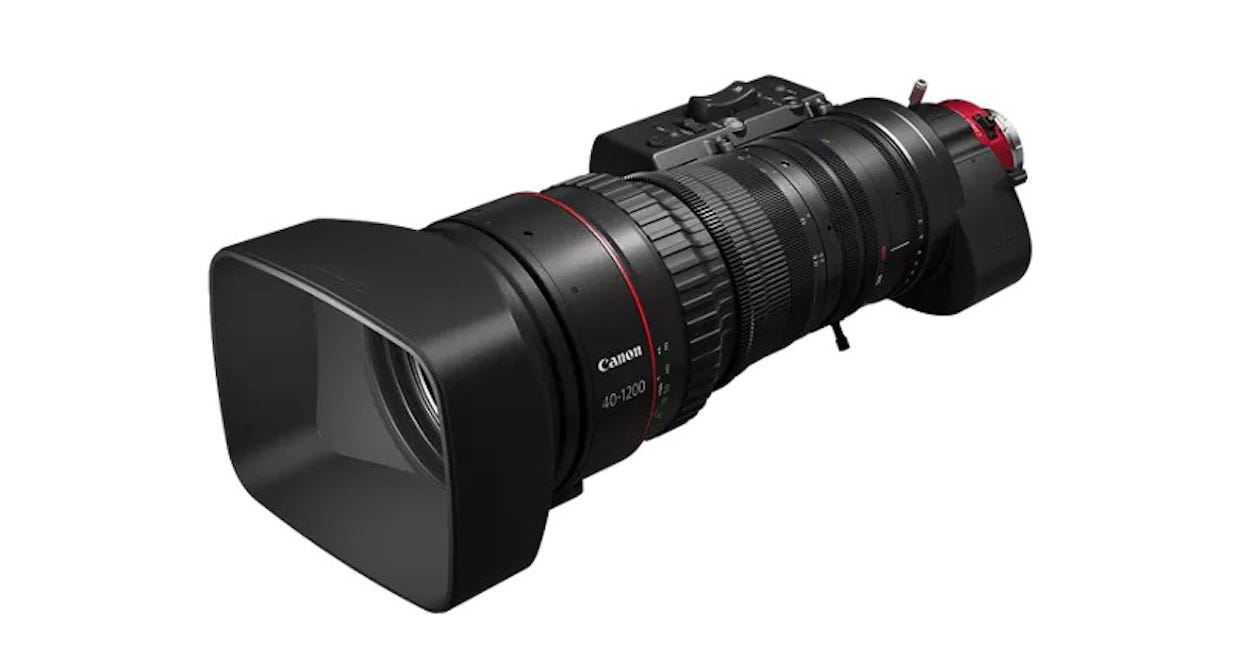
- Canon CINE-SERVO 40-1200mm: Canon unveiled a massive T5.0-10.8 lens designed for versatility. Replacing the legendary 50-1000mm, the new 40-1200mm was developed based on feedback from nature documentarians and large-scale house of worship productions.
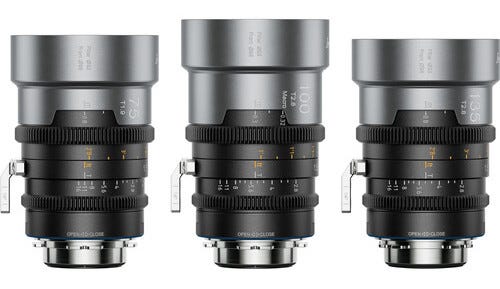
- SIRUI IronStar and Vision Prime: SIRUI introduced 1.5x full-frame anamorphic lenses and ultra-fast T1.6 primes at a price point of approximately $600 per lens, targeting the independent and creator markets.
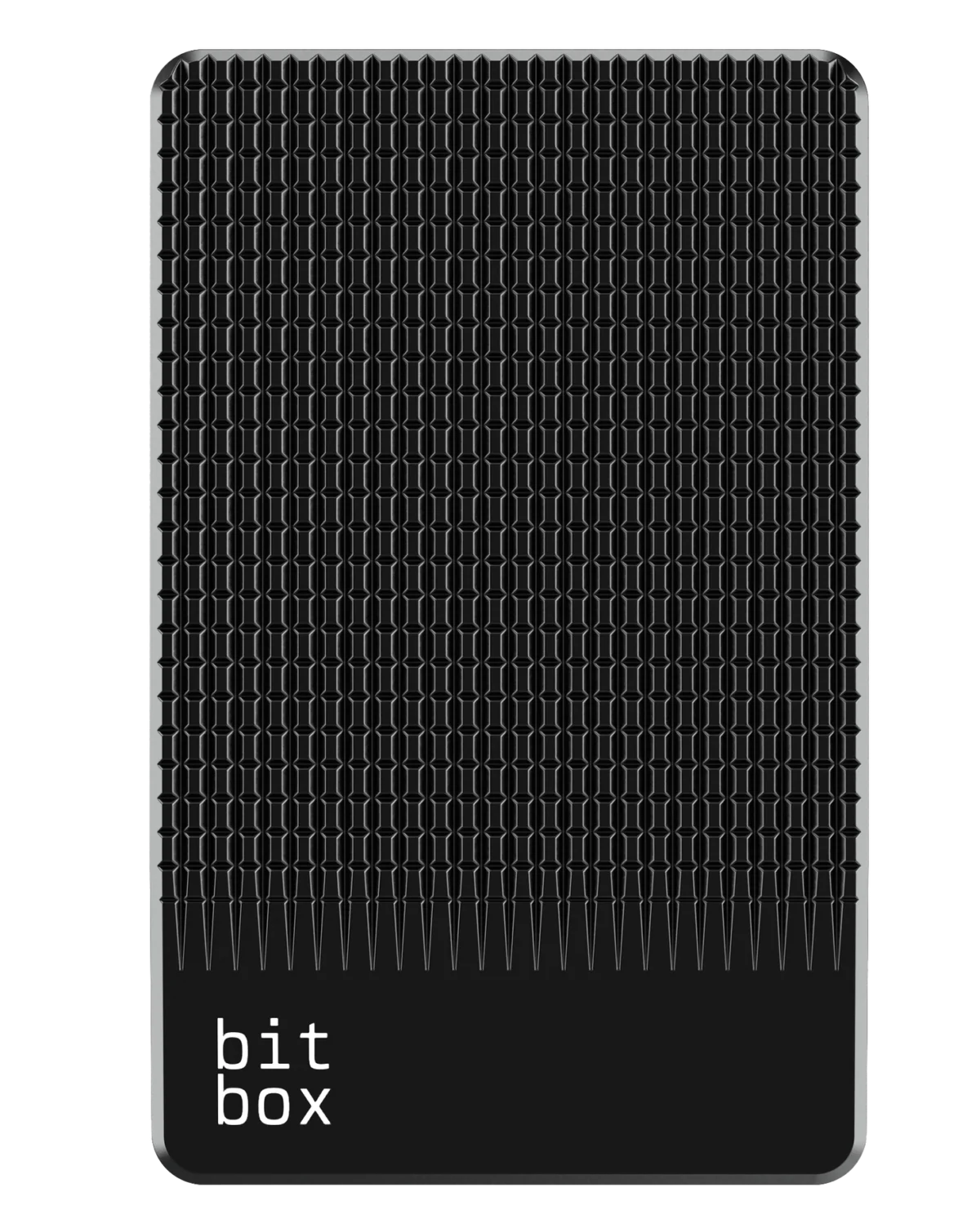
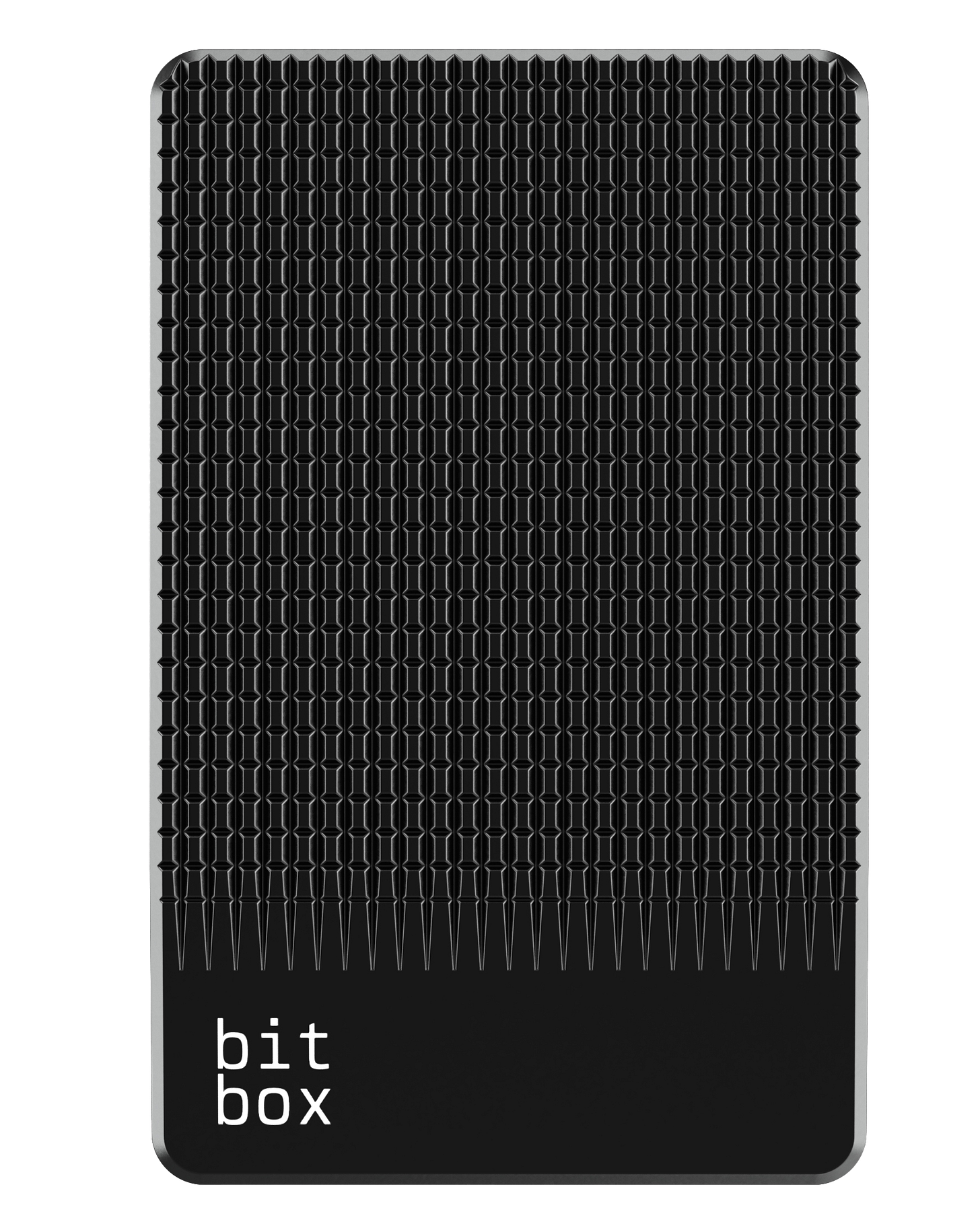
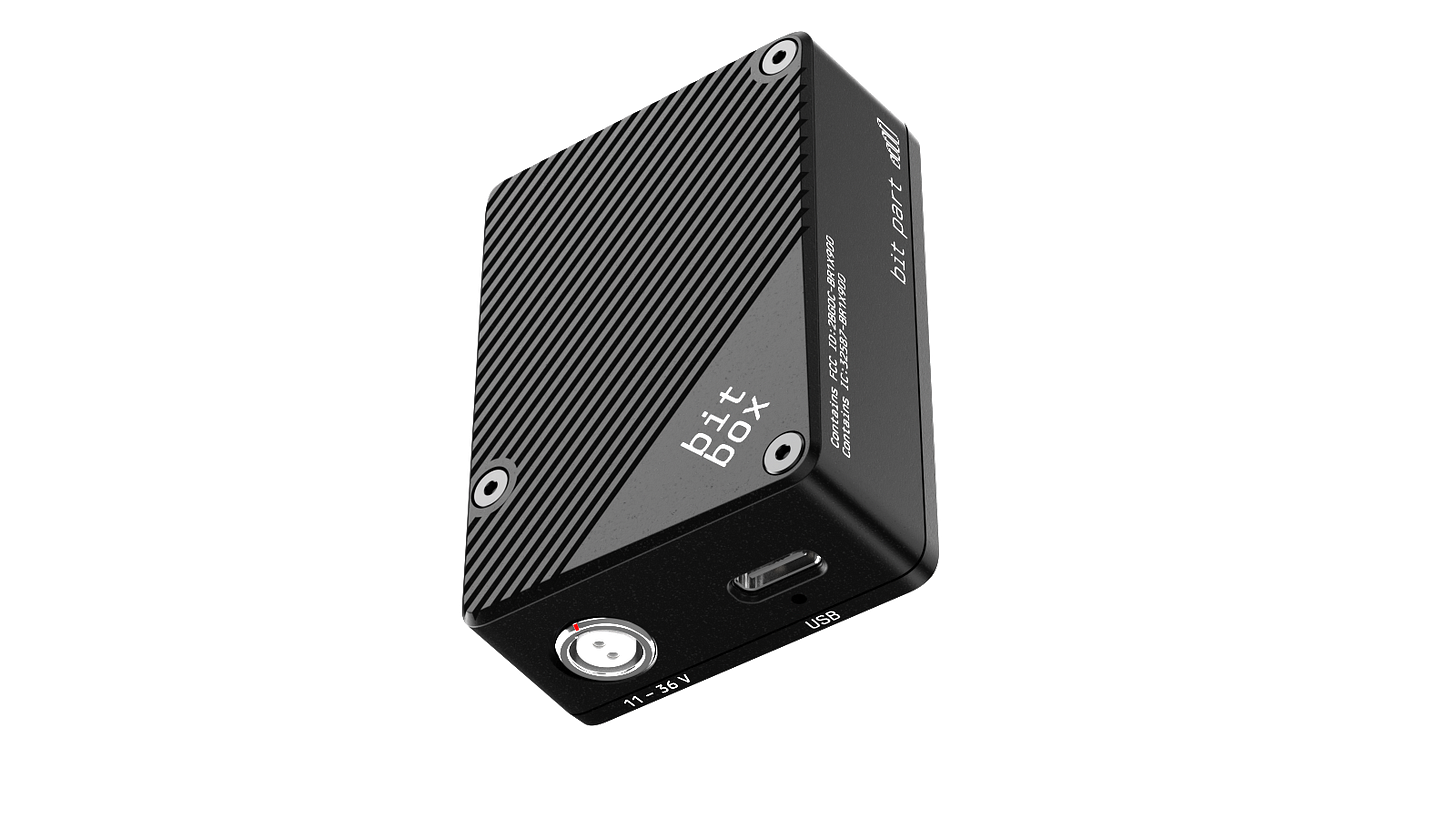
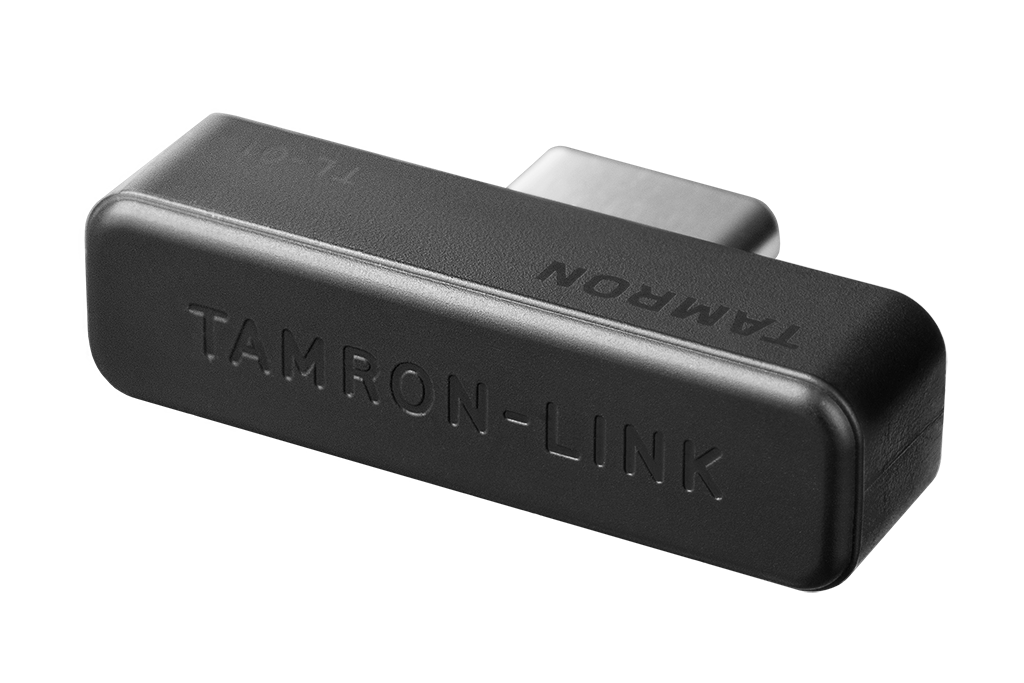
- Remote Control Solutions: Companies like Bit Part introduced the Bitbox Max and Bitbox Mini-C, providing camera control hardware that operates on the 900MHz spectrum to avoid the radio interference common on modern sets. Meanwhile, Tamron released the TAMRON-LINK, a $50 Bluetooth device for remote lens utility via mobile apps.
The Flash Storage Crisis and AI Demand
A significant logistical hurdle discussed at the show was the skyrocketing cost of flash storage. Industry analysts and manufacturers, such as Nextorage, pointed to the overwhelming demand for AI servers as the primary cause. Because NAND flash production is being diverted to enterprise-level AI infrastructure, the consumer and professional imaging markets are facing supply shortages and price hikes.
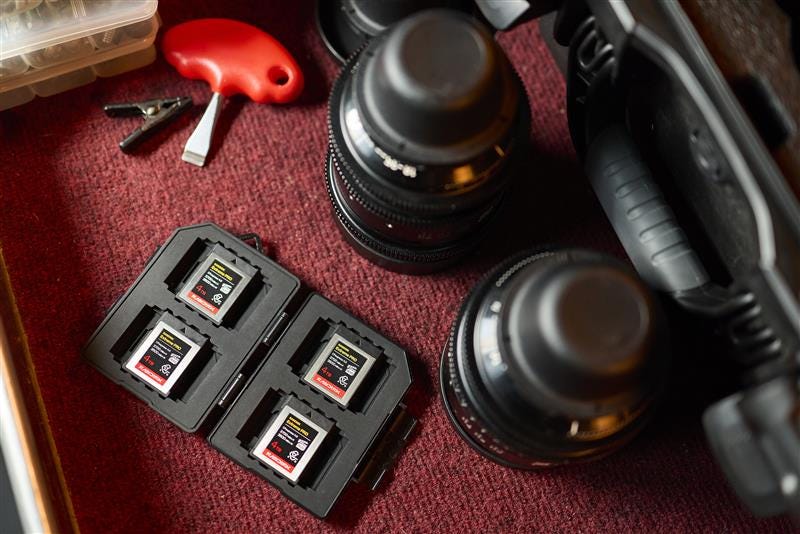
Ichiro Ogawa of Nextorage estimated that price relief for consumers might not arrive until mid-2027. Despite these challenges, companies like SanDisk and Lexar showcased "future-proof" media. SanDisk’s Extreme PRO CFexpress 4.0 Type B cards boast read speeds of 3700mb/s, facilitating the data-heavy requirements of 12K and 17K recording formats. Lexar also debuted an 8TB portable SSD under its ARMOR series, catering to location-based creators who require massive, ruggedized capacity.
AI Integration in Post-Production
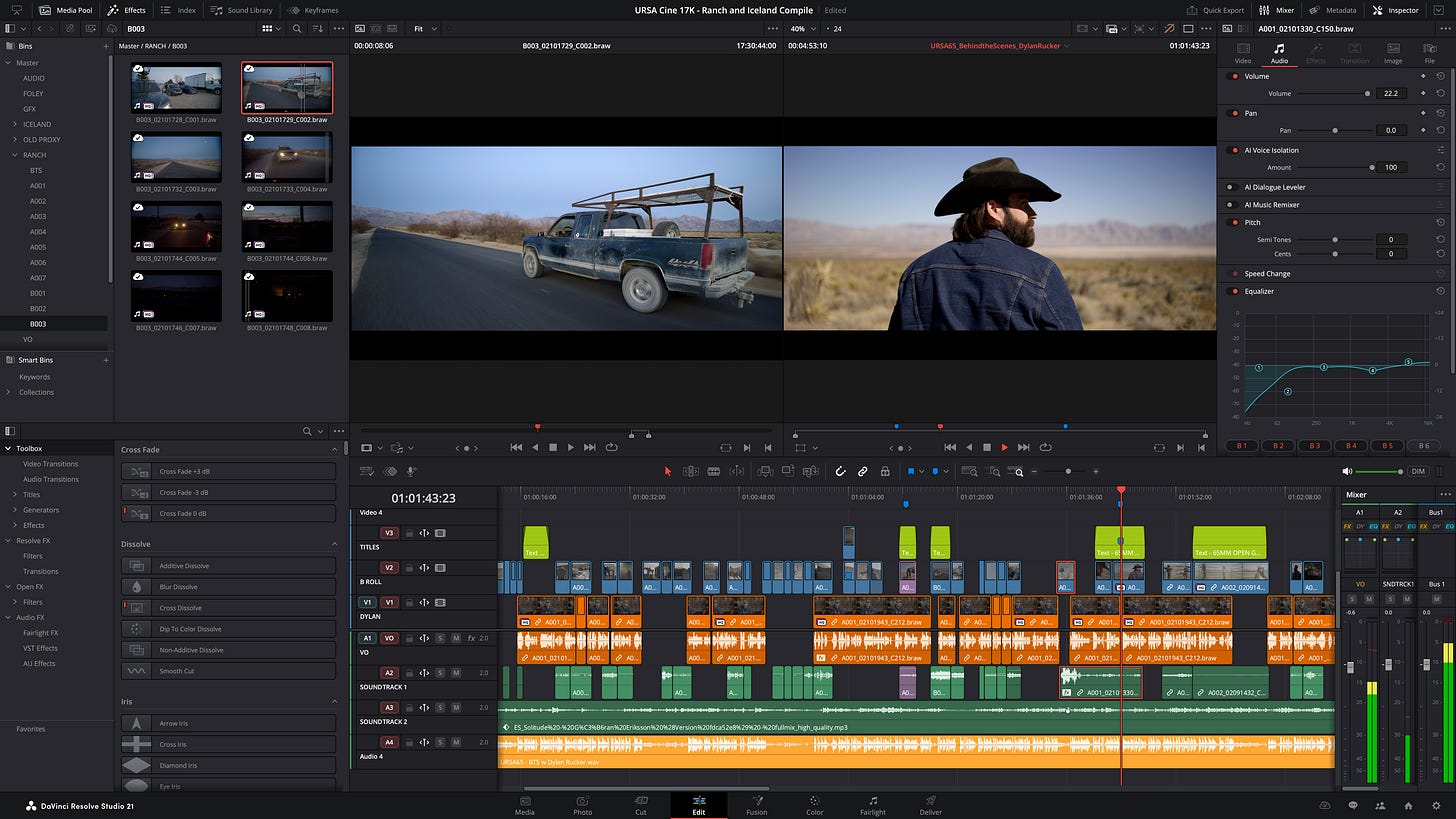
Blackmagic Design’s DaVinci Resolve 21 was a focal point for the post-production community. The latest iteration of the software leans heavily into artificial intelligence to automate tedious tasks. New tools can now automatically comb through hundreds of hours of footage to identify and sync slates, a task traditionally handled by assistant editors. By offloading these organizational chores to AI, Blackmagic aims to allow editors to focus more on the creative aspects of storytelling.
Lighting Technology: The Blair CG and RGBMA Revolution
The lighting sector saw advancements in both color science and portability.
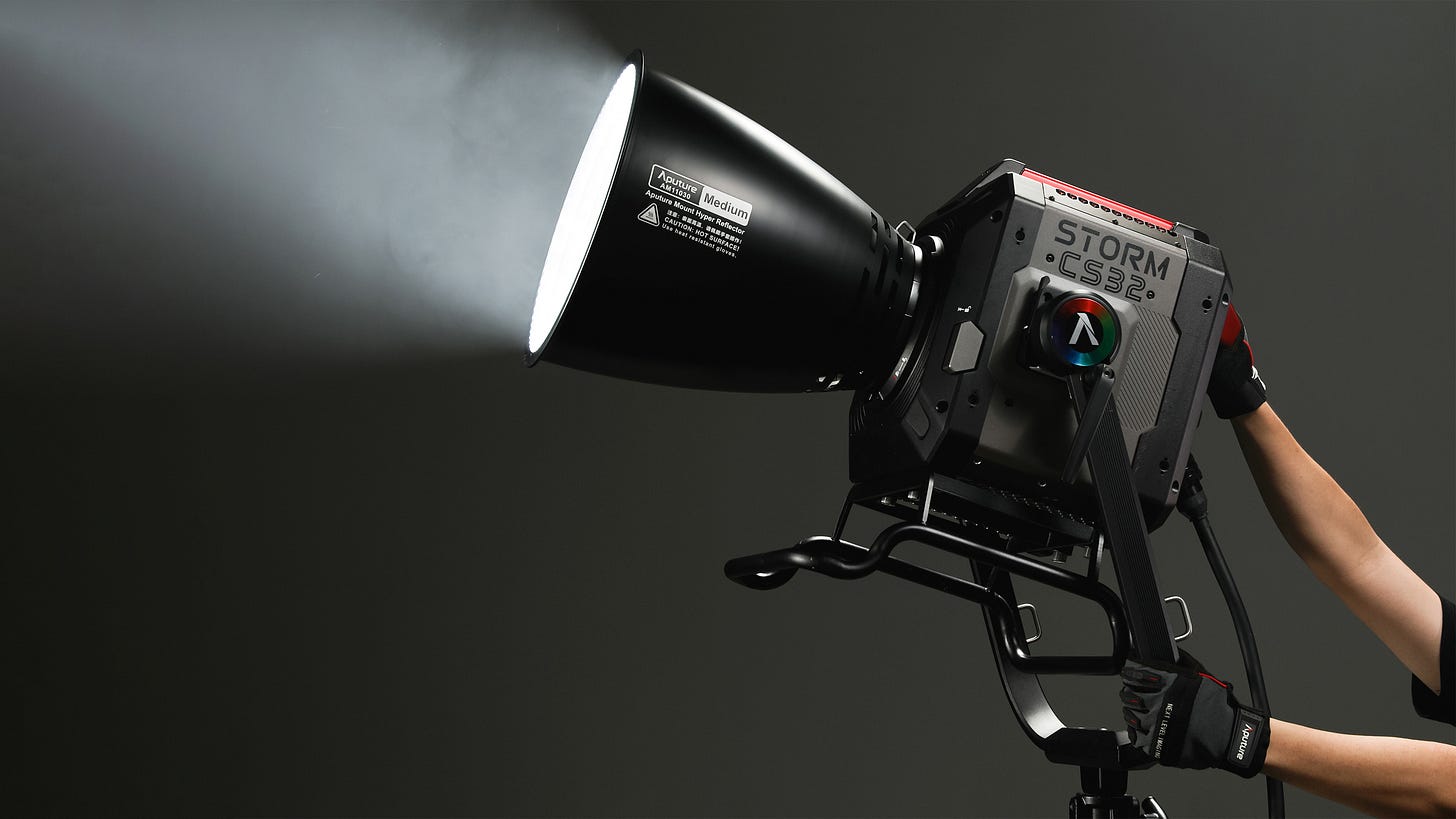
- Aputure STORM CS32: This fixture utilizes "Blair CG" technology (Blue, Lime, Amber, Indigo, Red, Cyan, and Green) to achieve a full-color spectrum. The inclusion of indigo emitters allows the light to produce a natural fluorescence similar to daylight, while updated red emitters provide the near-infrared qualities found in tungsten lighting, resulting in more vibrant skin tones.
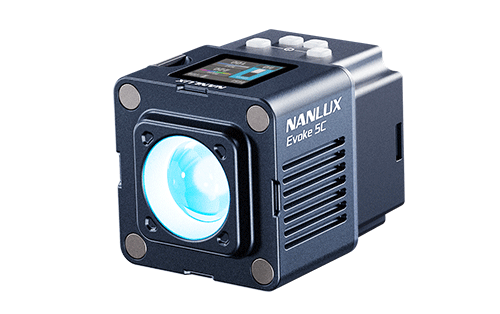
- NANLUX Evoke 5C: A powerful, palm-sized LED with an IP67 rating, meaning it is fully submersible. This addresses a market need for high-output lights that can be easily hidden on set or used in extreme weather conditions.
- Astera QuikBeam: Designed with gaffers in mind, the QuikBeam utilizes an RGBMA engine (Mint and Amber) to provide a 96-97 TLCI rating, ensuring some of the most accurate color rendering currently available for broadcast environments.
Broader Implications and Future Outlook
The conclusion of NAB 2026 leaves the industry at a crossroads. The shift toward broadcast technology and the creator economy suggests that the "prestige" of cinema production is no longer the primary driver of technological development. Instead, versatility, reliability, and cost-effectiveness are the new benchmarks.
The consolidation of companies like ARRI and Riedel, and Nikon’s acquisition of RED, indicates a future where hardware ecosystems will become more integrated. As resolution continues to climb toward 17K and AI becomes a standard component of the workflow, the industry must grapple with the economic realities of storage and the changing nature of the production workforce. For now, the "broadcast show" has reclaimed its identity, providing a stable foundation for an industry in the midst of a profound transformation.