

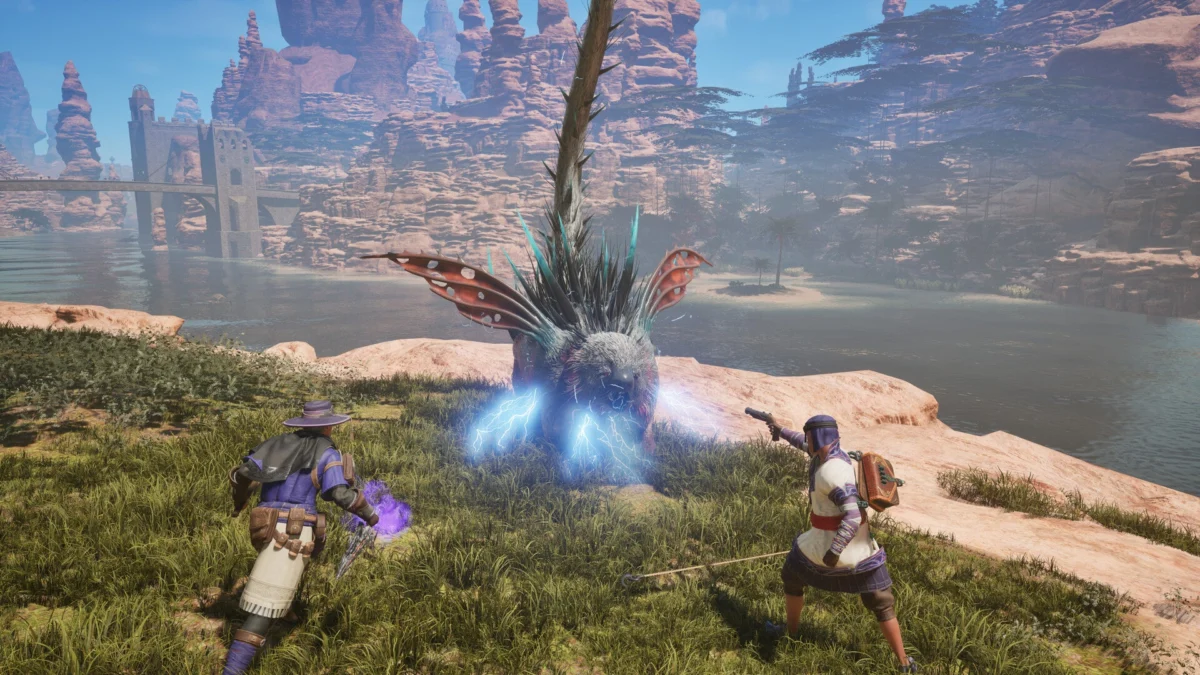
The landscape of the open-world survival RPG is set to expand this summer as Nine Dots Studio officially announces the Early Access launch of Outward 2 on July 7, 2024. Following the unexpected commercial and critical success of its predecessor, which surpassed 1.3 million units sold worldwide, the sequel aims to refine the "hardcore casual" experience that defined the original. In a strategic shift for the studio, Outward 2 will be self-published, moving away from previous publishing partnerships to maintain complete creative control over the franchise’s evolution. The game is scheduled for release on major PC storefronts, including Steam, the Epic Games Store, and GOG, with console versions expected to follow the completion of the Early Access phase.
Launch Details and Platform Strategy
The decision to launch in Early Access reflects a growing trend among independent developers who seek to leverage community feedback to balance complex RPG systems. Nine Dots Studio has confirmed that the July 7 release will focus exclusively on the PC platform. This approach allows the developers to iterate on the game’s unique survival mechanics, combat systems, and world-building elements in real-time. While the original Outward eventually found a significant home on PlayStation and Xbox consoles, the studio has opted to stabilize the PC build before committing to a multi-platform rollout.
By choosing to self-publish, Nine Dots Studio joins a growing list of independent mid-sized developers reclaiming their intellectual property. This move is expected to streamline the update process during the Early Access period, allowing for more frequent patches and direct communication with the player base. The studio has emphasized that the Early Access version will be a robust representation of the final vision, featuring a significant portion of the world of Aurai, though certain late-game regions and advanced quest lines will be added incrementally throughout the development cycle.
The Potato Specs Campaign: Accessibility in Modern Gaming
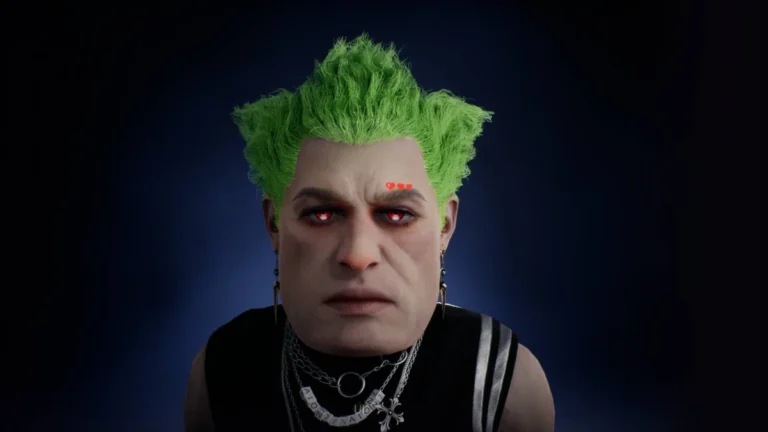
In an era where AAA titles often require high-end, current-generation hardware to function, Nine Dots Studio has taken a contrarian approach to marketing. To coincide with the release date announcement, the studio unveiled a "Potato Specs" trailer, a humorous yet informative look at the game’s optimization for older hardware. The trailer features wordplay such as "Fryzen 5" processors and "8 Gigabites of YAM," signaling to the community that Outward 2 is designed to be accessible to players who may not have upgraded their systems in several years.
This marketing strategy serves two purposes: it highlights the studio’s commitment to optimization and taps into the nostalgia of the PC gaming community. By demonstrating that the game can run "buttery smooth" on lower settings—albeit with reduced visual flourishes—Nine Dots is positioning Outward 2 as an inclusive title in an increasingly expensive hobby. Industry analysts suggest that this focus on optimization could significantly broaden the game’s reach in markets where high-end GPUs remain prohibitively expensive.
Comprehensive Technical Specifications
Despite the humorous marketing, the actual technical requirements for Outward 2 indicate a well-optimized engine capable of scaling across a wide variety of hardware configurations. The game utilizes an updated version of the Unity engine, featuring improved lighting, physics, and asset density compared to the 2019 original.
Minimum System Requirements
For players aiming for a 1080p experience at 30 frames per second on low-to-medium settings:
- Operating System: Windows 10 (64-bit)
- Processor: Intel Core i5-2400 or AMD FX-8320
- Memory: 8 GB RAM
- Graphics: NVIDIA GeForce GTX 960 or AMD Radeon R9 280
- DirectX: Version 11
- Storage: 30 GB available space
Recommended System Requirements
For a 1440p or 4K experience at 60 frames per second on ultra settings:
- Operating System: Windows 11 (64-bit)
- Processor: Intel Core i7-8700K or AMD Ryzen 5 3600
- Memory: 16 GB RAM
- Graphics: NVIDIA GeForce RTX 3070 or AMD Radeon RX 6800 XT
- DirectX: Version 12
- Storage: 30 GB available space (SSD highly recommended)
The inclusion of DirectX 12 support suggests that Outward 2 will take advantage of modern rendering techniques, such as improved draw distances and more complex particle effects, for those with the hardware to support them.
Gameplay Innovations and the Average Joe Philosophy
At its core, Outward 2 remains committed to the "Average Joe" philosophy that set the first game apart from traditional power-fantasy RPGs. In Aurai, the player character is not a chosen hero or a legendary warrior; they are a vulnerable inhabitant of a dangerous world who must manage hunger, thirst, sleep, and environmental exposure.
The sequel introduces several key refinements to the core loop:

- Dynamic World States: The world of Aurai is more reactive. Seasonal changes and political shifts within the game’s factions will have visible impacts on the environment and available resources.
- Revised Combat System: While retaining the methodical, stamina-based combat of the original, Outward 2 features improved hit detection, more fluid animations, and a wider variety of weapon-specific skill trees.
- Preparation-Heavy Mechanics: Magic in Outward remains a ritualistic process. Players cannot simply cast spells at will; they must prepare circles, combine ingredients, and often sacrifice health or mana capacity to unlock the most potent abilities.
- The Defeat System: Continuing the series’ most famous mechanic, there is no traditional "Game Over." Instead, falling in battle triggers a "defeat scenario," where the player might be captured by bandits, rescued by a mysterious stranger, or left for dead in a remote location, forcing them to adapt to their new circumstances.
Cooperative Play and Social Mechanics
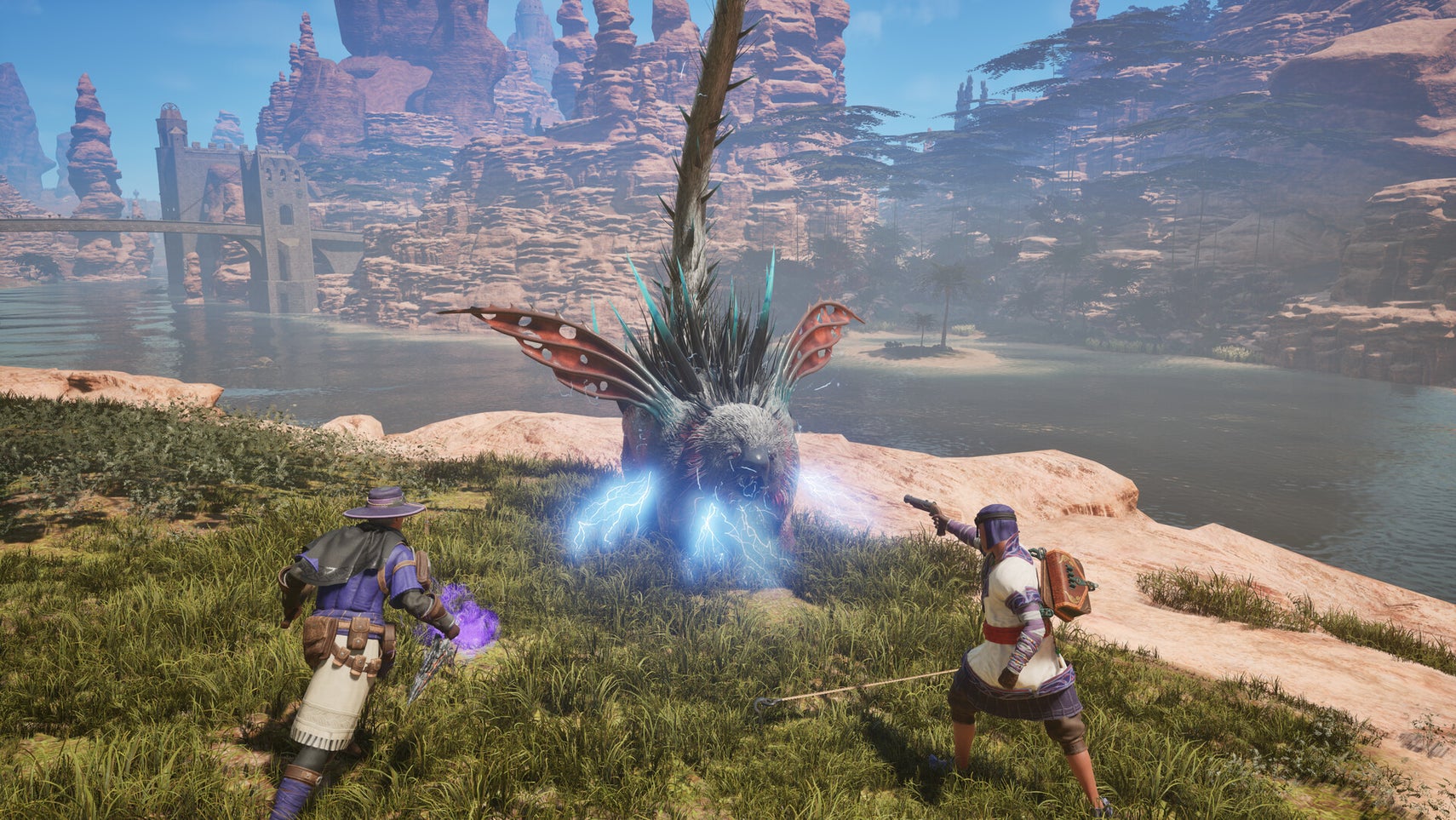
One of the primary drivers of the original game’s longevity was its support for cooperative play. Outward 2 doubles down on this by offering both two-player local split-screen and online multiplayer from day one. In an industry that has largely moved away from couch co-op, Nine Dots Studio’s insistence on maintaining split-screen functionality has been praised by fans.
The cooperative experience is integrated into the game’s balance. Enemies scale in difficulty when a second player joins, and the survival mechanics become a shared burden. Resource management becomes more complex as players must decide how to split limited food, water, and loot. The studio has confirmed that the "shared stash" and "shared progress" systems have been overhauled to ensure a smoother experience for the guest player in an online session.
From Cult Classic to Anticipated Sequel: The Nine Dots Journey
The history of Nine Dots Studio is a testament to the viability of niche, high-difficulty games. When the first Outward launched in 2019, it was met with polarizing reviews. Some critics found the lack of quest markers and the punishing survival mechanics to be tedious, while a dedicated core of players hailed it as a return to the "golden age" of immersive RPGs where player agency and discovery were paramount.
Over the five years following the first game’s release, the studio supported the title with two major expansions—The Soroboreans and The Three Brothers—and a Definitive Edition that streamlined many of the game’s technical rough edges. This consistent support helped build a community that has been vocal in its desire for a sequel. The transition to self-publishing for Outward 2 is seen as the final step in the studio’s evolution, allowing them to reinvest the profits from the first game directly into the sequel’s production value.
Industry Impact and the Rise of Hardcore RPGs
The timing of Outward 2’s release is significant. The RPG genre has seen a resurgence in "unforgiving" games, popularized by the success of FromSoftware’s Elden Ring and the survival mechanics of titles like Valheim. Players are increasingly seeking experiences that do not "hand-hold," favoring games that require map-reading skills and environmental awareness.
Outward 2 occupies a unique space within this trend. Unlike "Soulslikes" that focus primarily on combat precision, Outward 2 focuses on the logistics of adventure. The challenge comes not just from a boss’s move set, but from the journey to the boss—managing the weight of your backpack, ensuring your campfire doesn’t go out in a blizzard, and remembering the way back to town without a GPS-style mini-map.

The Early Access Roadmap and Future Development
While the July 7 launch marks a major milestone, Nine Dots Studio has made it clear that this is the beginning of a long-term development cycle. The Early Access period is expected to last between 12 and 18 months. During this time, the studio plans to introduce:
- New Regions: Expanding the map of Aurai to include biomes not seen in the first game.
- Expanded Crafting: More complex blueprints for weapons, armor, and alchemical substances.
- Faction Questlines: Fully fleshed-out narratives that allow players to join the various warring powers of the world.
- Technical Polishing: Ongoing optimization based on the diverse hardware data collected from the "Potato Specs" player base.
As the industry looks toward the second half of 2024, Outward 2 stands as a prominent example of how independent studios can thrive by doubling down on a specific vision. By prioritizing mechanical depth, player autonomy, and hardware accessibility, Nine Dots Studio is poised to turn its cult classic into a mainstream staple of the RPG genre.
The gaming community now looks toward July 7, 2024, to see if the sequel can capture the same sense of wonder and peril that made the original a sleeper hit. With its "Potato Specs" ready for the masses and its hardcore systems tuned for the veterans, Outward 2 is ready to invite players back to the beautiful, deadly world of Aurai.