


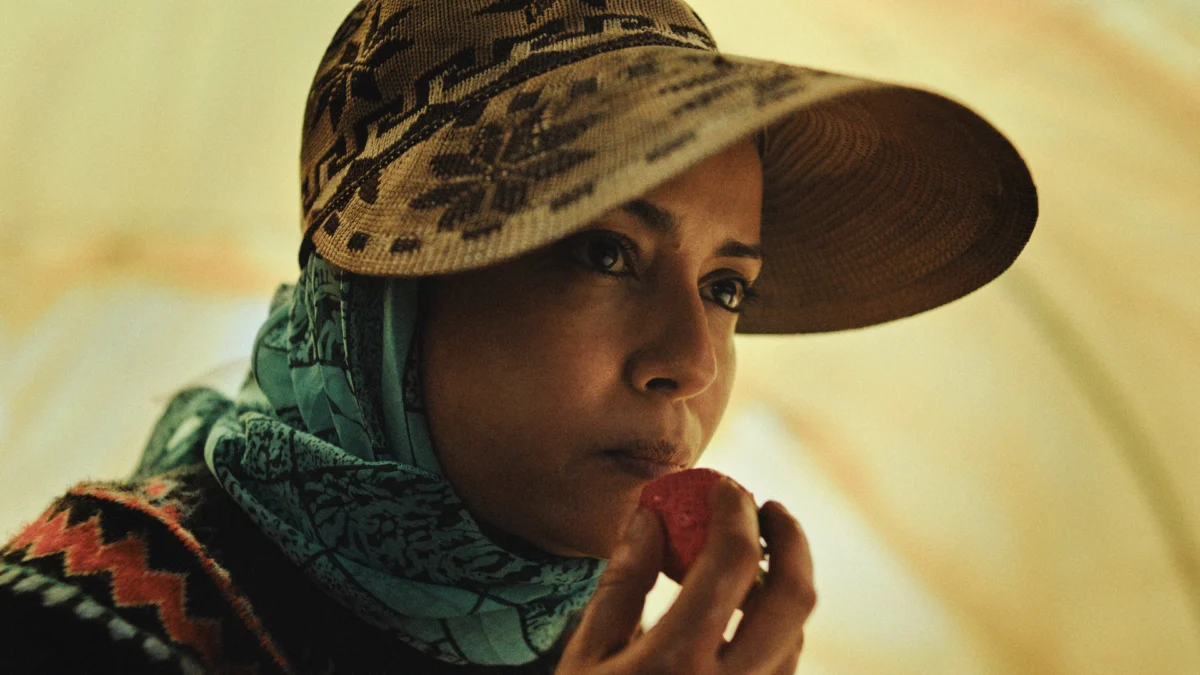
The forthcoming world premiere of Laïla Marrakchi’s new film, Strawberries, originally titled La más dulce (The Sweetest), in Cannes’ Un Certain Regard program, marks a significant cinematic moment. The Paris-based Moroccan auteur delves into the harrowing realities faced by Moroccan women recruited for seasonal fruit-picking in Spain, an industry often shrouded in the euphemism of economic opportunity. What begins as a promise of "the sweetest" future for their families back home frequently devolves into a modern-day nightmare of exploitation, poverty, and abuse.
The Deceptive Promise of the Strawberry Fields
Strawberries meticulously unpacks the stark contrast between the aspirations of these women and the harsh conditions they encounter. Lured by the prospect of earning vital income, thousands of Moroccan women embark on a journey to Spain, primarily to the vast strawberry fields of Andalusia. Their goal is simple yet profound: to work diligently, often in scorching temperatures, to send money back to their families, thereby improving living standards and securing a better future for their children. However, the reality on the ground paints a grim picture. Reports and firsthand accounts, which form the bedrock of Marrakchi’s narrative, detail substandard living conditions, wages significantly lower than promised, and pervasive issues of modern-day exploitation, debt bondage, sexual harassment, and even forced prostitution.
Marrakchi, known for her incisive explorations of Moroccan society in films like Marock and Rock the Casbah, and her work on acclaimed TV series such as The Bureau and Damien Chazelle’s The Eddy, co-wrote the script for Strawberries with Delphine Agut. The film boasts a compelling ensemble cast featuring Nisrin Erradi (Everybody Loves Touda, Adam), Hajar Graigaa, Hind Braik, Fatima Attif, Larbi Mohammed Ajbar, and Itsaso Arana. Production was handled by Juliette Schrameck (known for Coward, Sentimental Value, The Worst Person in the World) through her banner Lumen, in collaboration with Morocco’s Mont Fleuri Production, Spain’s Fasten Films, and Belgium’s Mirage Films, signaling a strong international effort to bring this vital story to light. Lucky Number is managing the international sales, positioning the film for global distribution and wider audience engagement.
Unveiling the "Invisible Heroism": Marrakchi’s Inspiration
Director Laïla Marrakchi’s journey into the world of Strawberries began not with a cinematic vision, but with a journalistic exposé. She recounts how a journalist friend, specializing in migration issues, first drew her attention to the plight of these women through an article for The New York Times. This initial spark led Marrakchi to Andalusia, where she embarked on her own research, immersing herself in the lives of the Moroccan seasonal workers. "I discovered this crazy world and met some of the Moroccan women," she shared in an interview with The Hollywood Reporter. "I was really moved by these women who decide to leave Morocco and leave their families behind for money to have a better life in Morocco."
Marrakchi was particularly struck by their immense strength and resilience. The act of leaving one’s home country, family, and familiar surroundings for months of arduous labor in an unfamiliar land, often without speaking the local language, is a testament to an extraordinary will. This "invisible heroism," as Marrakchi describes it, became a central motivation for the film. Her three-day initial visit quickly blossomed into a more extensive research project, fueled by a conviction that this untold story needed a powerful cinematic voice to make these women visible.
A Systemic Cycle of Vulnerability and Exploitation
The exploitation depicted in Strawberries is not an isolated phenomenon but rather a symptom of a complex socio-economic landscape. For decades, Spain, particularly the agricultural heartland of Andalusia, has relied heavily on migrant labor to sustain its intensive farming practices, which supply a significant portion of Europe’s fresh produce. The demand for cheap, flexible labor is particularly acute in the strawberry sector of Huelva, often dubbed the "sea of plastic" due to its vast expanse of greenhouses.
Moroccan women, often from rural, impoverished backgrounds with limited educational opportunities, represent a highly vulnerable demographic within this labor force. They are typically recruited through bilateral agreements that promise legal work visas and fair conditions, yet the implementation often falls short. These women are frequently the primary breadwinners for their families, making them exceptionally susceptible to exploitation due to the immense pressure to send remittances home. This economic lifeline, while crucial for Moroccan families, inadvertently strengthens the hand of unscrupulous employers who leverage their dependency.

According to various human rights organizations, including Amnesty International and local Spanish NGOs, the issues highlighted in Strawberries are tragically common. Reports detail overcrowded and unsanitary housing, often without adequate access to water or electricity, effectively trapping workers on isolated farms. Wages are frequently withheld, manipulated through dubious deductions, or simply fall below the legally mandated minimum. Perhaps most disturbingly, cases of sexual harassment and assault by foremen and supervisors are widely documented, with victims often fearing retaliation, deportation, or loss of future work opportunities if they speak out.
Echoes of Neocolonialism and #MeToo in the Fields
Marrakchi deliberately frames the women’s experience within broader themes, drawing parallels between their struggles and contemporary social movements. She notes the "sad form of new colonialism" inherent in the situation. These women, many of whom have never traveled outside Morocco, possess limited education and no Spanish language skills, making them incredibly vulnerable in a foreign environment. "It’s complicated when you don’t speak the language, when you don’t have the education, when you don’t have anything and you decide to leave your country to have a better life," Marrakchi explains. This power imbalance, where economic necessity drives individuals from the Global South to endure exploitative conditions in the Global North, echoes historical colonial dynamics.
The film also resonates with the spirit of the #MeToo movement, shedding light on the pervasive sexual harassment and abuse faced by these women. However, Marrakchi emphasizes the immense hurdles to justice. The film includes a trial scene, which, while not based on a single specific case, is informed by numerous real-life instances where workers attempted to speak out. These attempts often met with limited success due to systemic pressures, fear, and the sheer power of the agricultural industry. "Speaking out is a privilege," Marrakchi asserts, highlighting how the women’s precarious legal status, economic dependence, and lack of support structures make it extraordinarily difficult to seek redress. Their voices are frequently "muted or stolen," with language barriers further distorting their narratives and undermining their ability to defend themselves.
A Nuanced Portrayal of Resilience and Humanity
While Strawberries confronts severe injustices, Marrakchi was keen to avoid a unidimensional portrayal of misery. A crucial aspect of her artistic vision was to "humanize these women," showcasing their multifaceted lives beyond their roles as exploited laborers. The film includes scenes of the women joking, laughing, and supporting each other, emphasizing their shared communal experience and innate humanity. "It’s really important to show these women, as real heroines and show the empowerment of these women," she explains. This nuance reveals their resilience, their capacity for joy amidst adversity, and the complex dynamics within their community, acknowledging that even among themselves, interactions are "not black and white."
The film’s title itself, Strawberries, or its original Spanish title La más dulce, is a deliberate play on contrasts. It evokes the initial promise of sweetness – a better life, economic security – against the bitter reality of the hard labor, exploitation, and lost dignity. The dream of a better life is inextricably linked to the harshness of the work, creating a poignant irony that permeates the narrative.
Authenticity in Casting and Broader Impact
To further ground the film in authenticity, Marrakchi incorporated real strawberry pickers as extras, blurring the lines between fiction and documentary and lending an undeniable weight to the on-screen portrayal. The primary cast, comprising talented Moroccan actresses, while known within their home country, offers an opportunity for international audiences to discover their powerful performances.
The broader implications of Strawberries extend beyond the cinematic realm. The film serves as a potent advocacy tool, shining a spotlight on a largely unseen crisis within global supply chains. It prompts consumers to consider the human cost behind the seemingly inexpensive fresh produce on their supermarket shelves. Furthermore, it adds to the growing international discourse on migrant labor rights, ethical recruitment practices, and the responsibilities of both sending and receiving countries. The issue also strains diplomatic relations between Morocco and Spain, with both governments facing pressure to ensure the welfare of seasonal workers while balancing economic interests.
Ultimately, Strawberries is more than just a film; it is an urgent homage. Laïla Marrakchi’s dedication to making these "invisible" women "visible," to celebrate their strength, and to expose the injustices they face, transforms a regional human rights issue into a universal story of struggle, survival, and the enduring quest for dignity. By giving a voice to the voiceless, the film challenges audiences to confront uncomfortable truths and acknowledge the profound courage of women who, despite overwhelming odds, remain "like a rock" in their pursuit of a better life.