

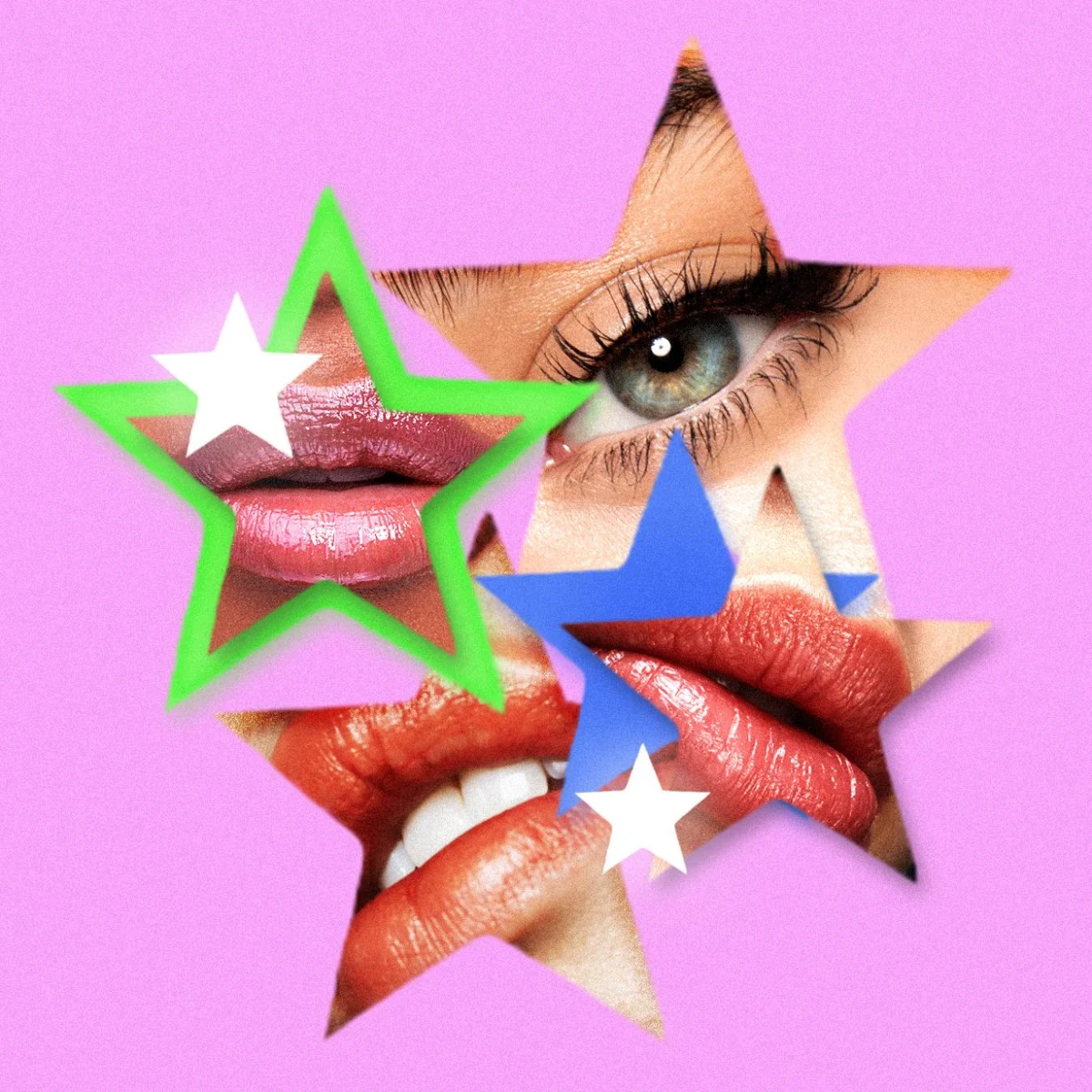
Do you think about me? So asks a disembodied voice at the beginning of a TikTok video from user @velvet.mind, signaling the start of a digital experience that blends hypnotic synth pulses, hissing static, and high-speed, garbled human speech. Accompanying these sounds is a visual montage of immaculately styled women, many of whom possess the symmetrical features and polished aesthetics associated with high-fashion modeling. Overlaid on the footage is the phrase "extreme beauty subliminal." This minute-long clip, which has amassed nearly 300,000 likes and 1.4 million views, represents a growing digital phenomenon where young women utilize audiovisual media to attempt to rewrite their physical and mental reality through the power of suggestion.
The community surrounding "subliminals" operates on the belief that the human subconscious can be programmed to alter physical appearance and life circumstances. According to content creators, the indecipherable whispers layered beneath the music are affirmations such as "My face is naturally symmetrical, balanced, and breathtaking" or "I have flawless, poreless, glowing skin." Listeners are instructed to internalize these messages to "manifest" physical changes, a practice that has evolved from niche internet forums into a mainstream social media subculture.
The Mechanics and Evolution of Digital Subliminals
The subliminal subculture, often referred to by participants as "subs," is a feminine-coded counterpart to the more scrutinized "looksmaxxing" trend found in male-dominated online spaces. While looksmaxxing often emphasizes rigorous exercise, hormone optimization, and invasive surgery, the subliminal community favors a "mental-first" approach to self-optimization. This movement is not a new development; the r/subliminal community on Reddit dates back to 2012, and its roots extend even further into 20th-century self-help traditions.
The variety of these audiovisual artifacts is vast. Some take the form of pop music snippets, while others utilize Autonomous Sensory Meridian Response (ASMR) techniques, featuring falling rain or white noise. Some videos are designed to help viewers emulate specific celebrities, such as Megan Fox, while others use abstract geometric shapes and shifting color palettes to induce a trance-like state. Beyond physical beauty, the practice covers a spectrum of desires: achieving financial prosperity, acing academic exams, or influencing the romantic feelings of others.
The terminology used within the community has increasingly overlapped with the broader "maxxing" lexicon. Terms like "facemaxxing," "beautymaxxing," and "bodymaxxing" are now common in titles and tags, reflecting a shared cultural anxiety regarding physical perfection. While the male-coded version of this pursuit is often linked to the "incel" subculture and its toxic ideologies, the subliminal community presents itself as a space for "self-love" and empowerment, albeit one still deeply rooted in rigid beauty standards.
Practitioner Perspectives and Personal Outcomes
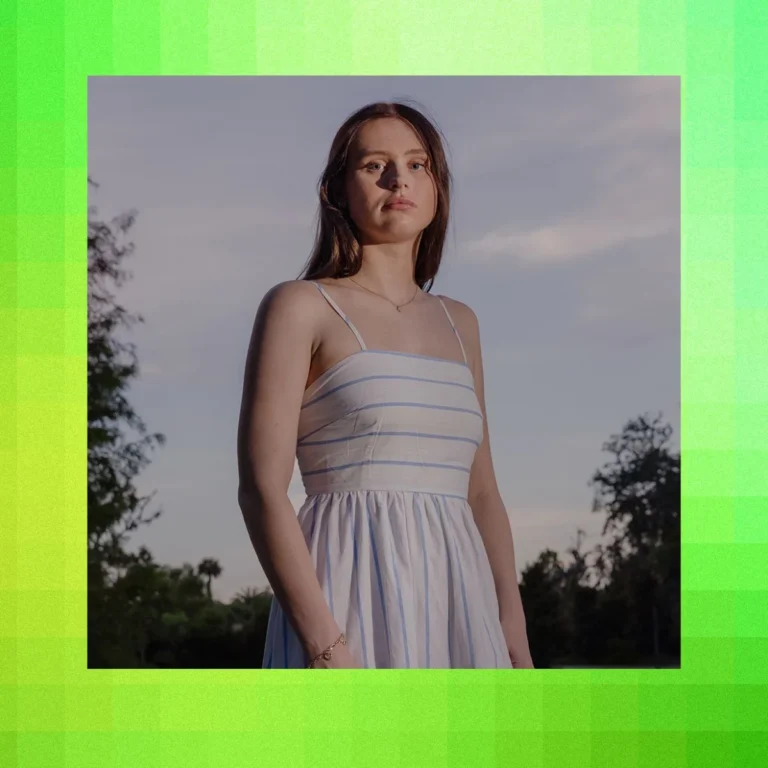
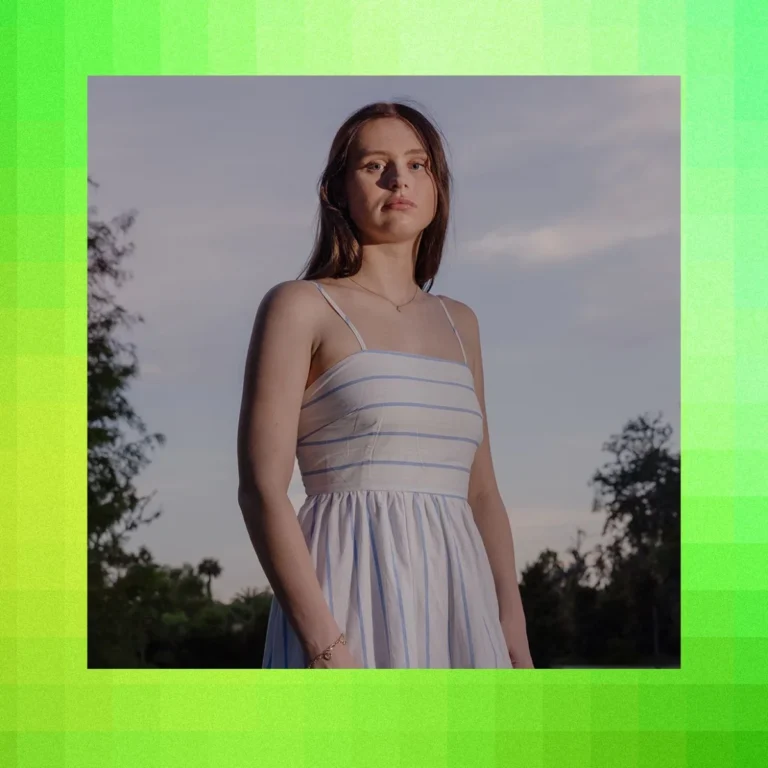
For many participants, subliminals are integrated into the fabric of daily life. Kyla, a 20-year-old practitioner, discovered the community during a period of personal dissatisfaction. She initially used "self-love" subliminals to improve her self-image before transitioning to content focused on weight loss and specific facial features. Kyla claims that through consistent listening, she lost 70 pounds without making drastic changes to her lifestyle. She eventually began creating her own subliminals to address professional goals and relationship milestones.
Kyla describes the listening experience as a background activity, similar to listening to a podcast while commuting. She notes that the most effective times for absorption are during the "hypnagogic" and "hypnopompic" states—the transitions between wakefulness and sleep—when the mind is purportedly more receptive to external suggestions.
Nana, a 23-year-old creator with over 150,000 YouTube subscribers, shares content designed to help listeners achieve the "mindset" of elite athletes like Olympic skater Alysa Liu. Nana views subliminals through the lens of the "Law of Assumption," a concept popularized by the 20th-century mystic Neville Goddard. This philosophy suggests that by assuming the feeling of a wish fulfilled, the individual can manifest that reality into existence. Nana treats subliminals as a "boost" rather than a magical cure, crediting them with reshaping her confidence and general approach to life.
A Chronology of Subliminal Messaging and Auto-Suggestion
The modern digital subliminal trend is the latest iteration of a century-long fascination with the subconscious mind. To understand the current phenomenon, one must look at the historical trajectory of auto-suggestion and hidden messaging:
- 1920s: French psychologist Émile Coué introduces the "Coué Method" of optimistic auto-suggestion, famously encouraging patients to repeat: "Every day, in every way, I am getting better and better."
- 1957: Market researcher James Vicary claims to have increased popcorn and Coca-Cola sales at a movie theater by flashing messages on the screen for 1/3000th of a second. Though his results were later revealed to be fraudulent, the experiment sparked a global fear of subliminal manipulation.
- 1970s–1990s: The self-help industry booms with the sale of cassette tapes and CDs promising weight loss, smoking cessation, and wealth through hidden affirmations embedded in nature sounds or classical music.
- 2012: The r/subliminal subreddit is established, providing a centralized hub for a new generation to discuss "sub" makers and results.
- 2020–2024: The rise of TikTok and the refinement of YouTube’s algorithm propel subliminal content to millions of users, integrating it with modern "manifestation" and "aesthetic" culture.
The Scientific Perspective: Neuroscience and the Placebo Effect
While the community maintains a firm belief in the efficacy of these tools, the scientific community remains skeptical of the claim that audio affirmations can physically restructure the body. Kristian Sandberg, an associate professor of neuroscience at Aarhus University, notes that the "subliminals" found on social media are often a mix of subliminal and "supraliminal" stimuli—elements the user is consciously aware of, such as the music and visual cues.
Sandberg explains that for a subliminal message to be truly effective in a laboratory setting, it must be configured within a very narrow perceptual window. He expresses doubt that the garbled audio in YouTube videos has any direct impact on biological traits like bone structure or eye color. However, he acknowledges that if an individual finds the practice helpful, the underlying mechanism—likely a combination of the placebo effect and the psychological benefits of positive thinking—may be more important than the literal "reprogramming" of the brain.
Some creators, such as Kimberly Adante and Sanjana Aina Sanghi, attempt to ground their work in neuroscientific terminology. They cite the use of "theta frequencies" (4 to 8 Hz) and high-frequency audio (around 17,500 Hz) to bypass conscious rejection. While repetition is known to strengthen neural pathways—a concept known as neuroplasticity—mainstream science does not support the idea that these frequencies can induce specific physical mutations like a "sharper jawline" or "perfect teeth."
The Commercial Ecosystem and Potential Risks
As the subliminal subculture has grown, so too has its economy. Popular creators often monetize their platforms through personal commissions. These custom-made subliminals can range in price from a few dollars to upwards of $50, with users requesting specific, personalized affirmations.
This monetization has introduced a layer of controversy and risk. The community is frequently home to "micro-dramas" involving accusations of "scamming" or "ghosting" by creators. More concerning are allegations that certain influencers include "negative" or "harmful" affirmations in their audio, designed to induce anxiety or unwanted physical changes in listeners. These concerns have led to the development of self-service tools like the VibeSesh app, which allows users to create their own subliminals to ensure full control over the content.
Furthermore, some users report physical side effects from over-listening, including headaches, dehydration, and mental fatigue. Prominent TikTokers have warned their followers to research creators thoroughly and to stay hydrated, framing these symptoms as evidence of the mind "working hard" to process the affirmations.
Implications for Digital Identity and Self-Image
The proliferation of beauty subliminals highlights a significant shift in how young people navigate the pressures of modern beauty standards. In an era dominated by high-definition filters and algorithmic perfection, the move toward subliminals represents a "democratization" of self-transformation—one that requires no money for surgery and no physical exertion, only time and belief.
However, the trend also underscores a persistent obsession with "perceived flaws." By constantly listening to affirmations about "poreless skin" and "symmetrical faces," users may inadvertently reinforce the very insecurities they are trying to escape. The practice creates a feedback loop where the individual is always in a state of "becoming," never quite reaching the idealized version of themselves projected in the videos.
Ultimately, beauty subliminals occupy a unique space at the intersection of digital folklore, psychological coping mechanisms, and the age-old desire for self-improvement. Whether viewed as a harmless tool for positive thinking or a symptom of deep-seated physical anxiety, the phenomenon reflects a generation’s attempt to exert control over their lives in an increasingly volatile and image-obsessed digital world. As long as the promise of a "breathtaking" transformation remains just one click—and one hidden whisper—away, the subculture of digital manifestation is likely to continue its expansion.