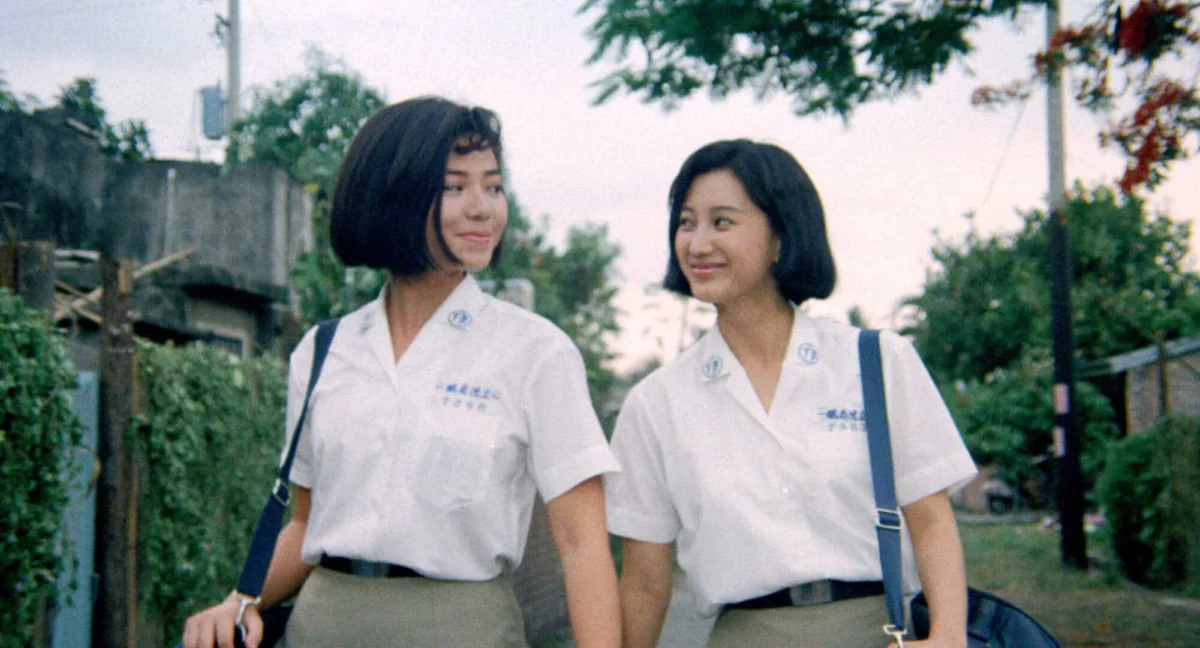
The tender chronicle of two young girls growing up in Cold War Taiwan, The Spring Outside the Fence is a historical melodrama that offers a profound glimpse of life on the island during the pivotal decades of the 1960s and 1970s. This gentle yet evocative film, meticulously restored by the Taiwan Film and Audiovisual Institute, is a significant inclusion in the esteemed program of the 2026 Queer East Film Festival. Its selection underscores the festival’s commitment to showcasing diverse cinematic narratives that explore themes of identity, societal change, and the human experience against complex geopolitical backdrops. The festival, known for its dedication to presenting LGBTQ+ cinema from East and Southeast Asia, provides a vital platform for films like "The Spring Outside the Fence" to reach wider audiences and engage in critical dialogue.
A Tale of Two Girls in a Military Village
At its heart, the narrative of "The Spring Outside the Fence" centers on the evolving relationship between two young girls from vastly different backgrounds. Li Lin, portrayed by the vibrant Cherie Chung, is an extroverted and free-spirited newcomer, while Ai Hua, brought to life by Su Ming-Ming, embodies a more meek and introspective nature. Their intertwined destinies begin when Li Lin and her mother arrive in Ai Hua’s community, a military dependents’ village. This specific setting is crucial to understanding the film’s socio-political context. These villages, established to house the families of soldiers and military personnel, were microcosms of a society heavily influenced by the constant presence and perceived protection of the Republic of China (ROC) armed forces. The omnipresent drone of U.S.-built fighter jets overhead served as a daily reminder of Taiwan’s strategic position in the Cold War, a bulwark against the perceived threat from mainland Communist China. This environment shaped the girls’ perceptions of safety, national identity, and their individual futures.
The Shadow of American Influence and the Echoes of the American Dream
The film masterfully illustrates the pervasive influence of American culture on Taiwanese youth during this era. Li Lin, Ai Hua, and their friend He Kang frequently gather atop local air-raid shelters, their gazes fixed on the passing aircraft. These planes are not merely symbols of military might; they represent aspirations, the promise of protection, and a perceived gateway to a future intrinsically linked to the United States. This fascination with American culture is vividly depicted through the girls’ living spaces, adorned with posters of iconic figures like James Dean and Marilyn Monroe, and even religious imagery of Jesus, reflecting a blend of Western pop culture and existing spiritual beliefs. The soundtrack further amplifies this theme, with the melodies of The Beatles and the quintessential "California Dreamin’" underscoring the pervasive yearning for a life akin to what was perceived as the "American Dream." In the early 1960s, Taiwan, under the shadow of the Cold War and deeply reliant on U.S. support, was indeed experiencing a unique iteration of this dream, a complex amalgamation of economic development, cultural adoption, and geopolitical alignment.
The film’s exploration of this cultural immersion is not merely superficial. It delves into how this exposure shaped the aspirations and expectations of a generation growing up in a rapidly modernizing yet still tradition-bound society. The American presence, both overt through military installations and subtle through media and consumer goods, created a powerful aspirational pull, offering a vision of modernity and freedom that contrasted sharply with the island’s own evolving societal norms and political realities. This cultural osmosis, while seemingly benign, laid the groundwork for deeper explorations of identity and belonging.
The Transition to Adulthood and the Realities of a Shifting World
As Li Lin and Ai Hua mature into young women, their paths diverge, and their youthful dreams inevitably encounter the harsh realities of adulthood. The film delves into the complexities of romance, personal growth, and the ever-present undercurrent of Cold War politics. A significant subplot involves a grown-up He Kang and Michael, a charismatic U.S. pilot portrayed by pop star Fei Xiang (also known as Kris Phillips). The film acknowledges the artistic license taken in casting Fei Xiang, an American-born singer of Chinese and Korean descent, as a U.S. pilot. While some viewers may need to suspend disbelief regarding his character’s linguistic fluency, his presence serves as a focal point for exploring the interactions between American military personnel and the local Taiwanese population, a common feature of life in Taiwan during that period.
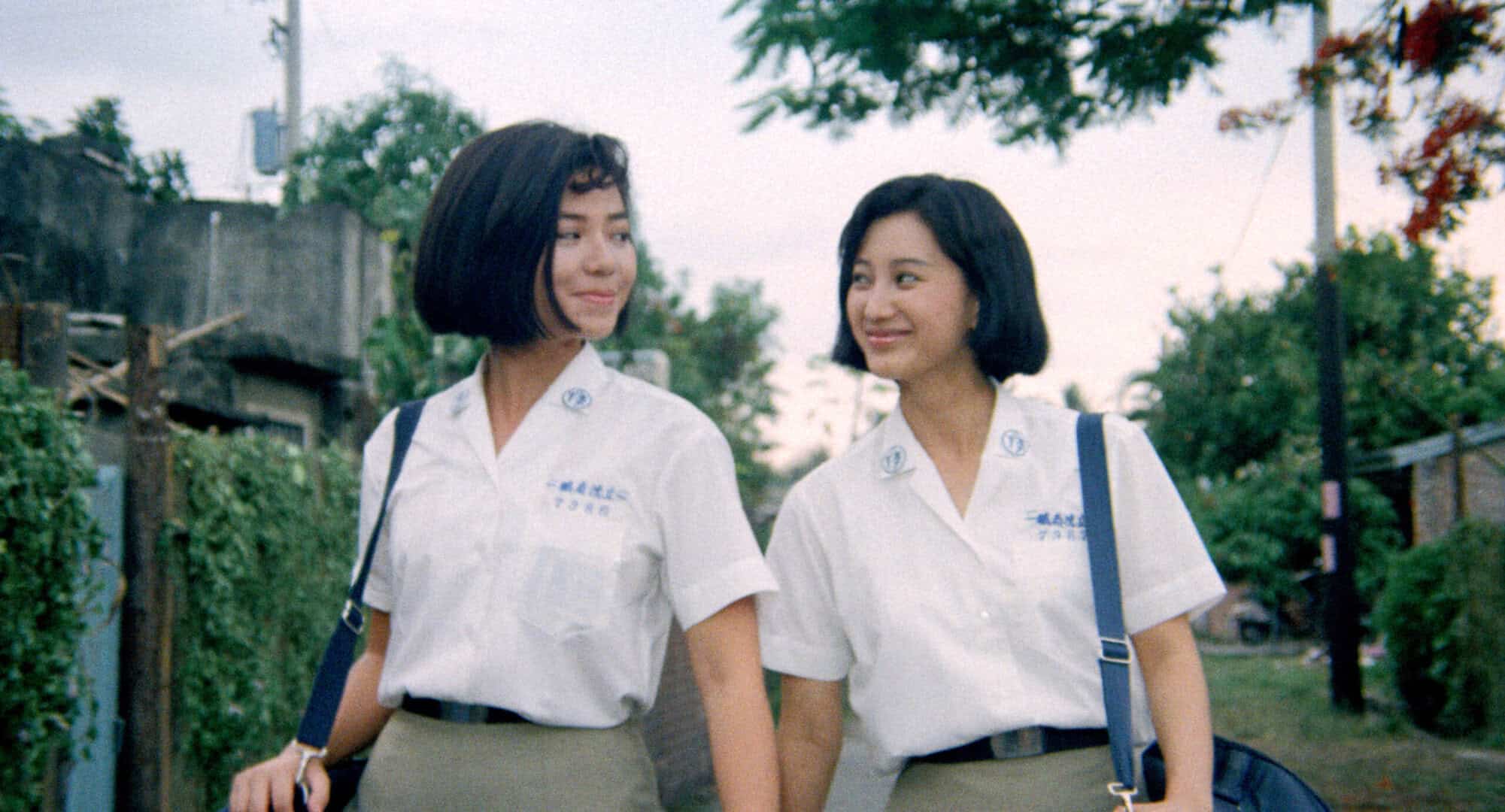
The romantic entanglements, while present, are not the sole or even primary appeal of "The Spring Outside the Fence." The film’s greater strength lies in its sensitive portrayal of what it means to be a young, independent woman navigating a society in flux. Interestingly, the film places significant emphasis on the role of mothers, highlighting their overbearing presence or their lingering absence as a more impactful force on the girls’ lives than that of their fathers. This focus on maternal influence offers a nuanced perspective on gender roles and family dynamics within the context of the era.
Taipei’s GI Bars and the Geopolitical Betrayal
"The Spring Outside the Fence" also provides a compelling visual and atmospheric glimpse into Taipei’s vibrant GI bars of the early 1970s. These establishments were social hubs where American troops, often on R&R between tours in Vietnam, mingled with locals. The film captures the transient nature of this era, noting that this period of American military presence on the island was finite. The subsequent diplomatic shift, with the United States recognizing the People’s Republic of China in the United Nations, marked a profound and often felt betrayal for many in Taiwan. The film effectively conveys the seismic impact of this geopolitical maneuver on the lives of ordinary Taiwanese citizens, illustrating how deeply intertwined their sense of security and future prospects were with their relationship with the United States.
The U.S. decision to shift diplomatic recognition from the Republic of China (Taiwan) to the People’s Republic of China in 1979 was a watershed moment. This policy change, often referred to as the "de-recognition" of Taiwan, significantly altered the island’s international standing and its relationship with its principal ally. For a population that had long relied on American support and perceived itself as a crucial bulwark against communism, this move was deeply unsettling and engendered a sense of vulnerability and abandonment. "The Spring Outside the Fence" captures this historical undercurrent, demonstrating how such grand geopolitical decisions filtered down to impact the personal lives and anxieties of its protagonists.
A Soft Lens on Enduring Themes
Despite the presence of melodramatic clichés, which are inherent to the genre and not entirely absent here, the film’s cinematography and lighting choices—often soft, sweet, and imbued with an old-fashioned aesthetic—contribute to its nostalgic and intimate feel. These stylistic elements complement the narrative, creating a visually appealing tapestry of a bygone era. The story’s enduring strength, coupled with the solid performances of its lead actresses, propels the movie forward, even if the narrative could have benefited from a more balanced focus. The charismatic Li Lin, with her exuberant spirit, tends to command much of the film’s attention, including lingering shots of her energetically dancing the twist with Michael, at times overshadowing Ai Hua’s more intellectual pursuits, such as her attempts to grapple with Albert Camus and existentialism through reading "Pride and Prejudice" in English.
The film’s narrative arc, while touching upon personal romances, ultimately transcends them to offer a more profound commentary on a generation shaped by the anxieties of the Cold War and the pervasive allure of American cultural influence. Beneath its sentimental surface lies a quietly melancholic and deeply resonant reflection on Taiwan’s evolving identity and its precarious place in the grand sweep of history. "The Spring Outside the Fence" serves as a poignant reminder of the fragile dreams that are often built and sometimes shattered under the immense shadow of global politics. The restoration by the Taiwan Film and Audiovisual Institute ensures that this important cinematic document of a critical period in Taiwan’s history is preserved and accessible for future generations, allowing for continued appreciation of its artistic merit and historical significance. The film’s inclusion in the Queer East Film Festival also highlights its contribution to broader conversations about identity and belonging, offering a lens through which to examine how societal and political pressures can shape personal lives and relationships, particularly for young women navigating nascent desires and societal expectations.