


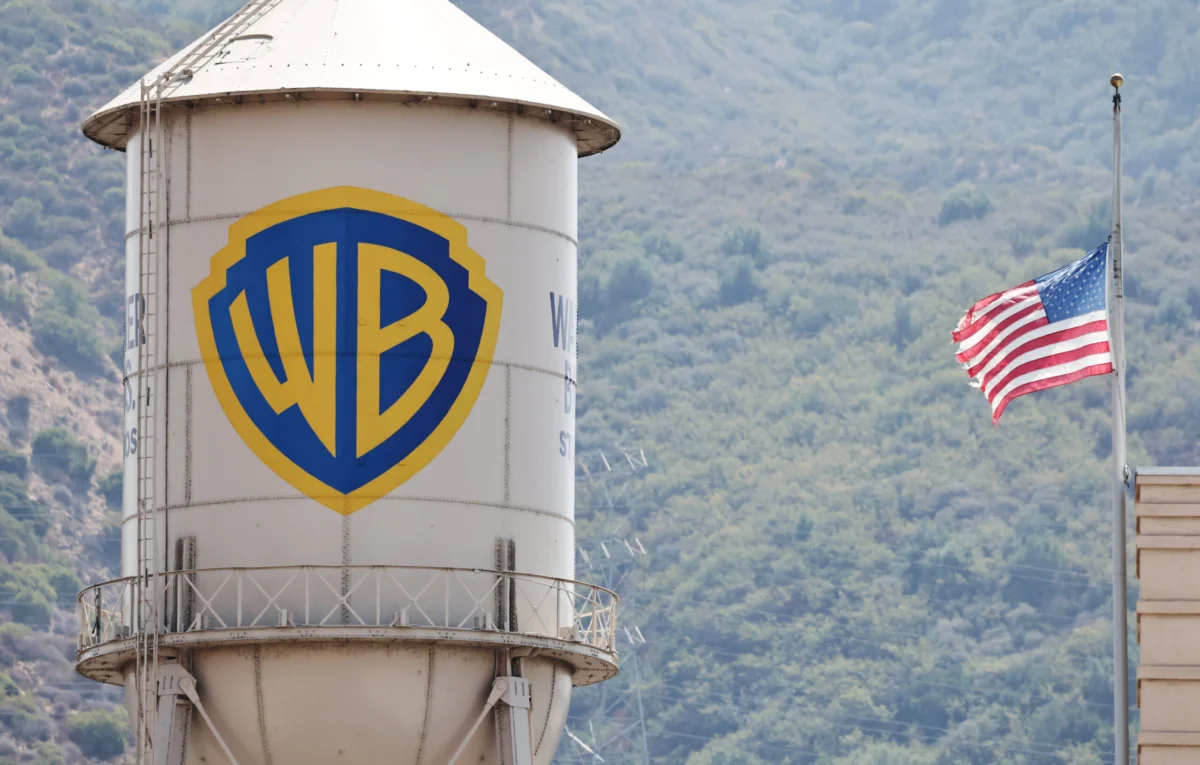
The board of directors at Warner Bros. Discovery (WBD) reached a pivotal decision on Thursday, choosing a definitive acquisition offer from Paramount Skydance over a competing bid from streaming giant Netflix. While the decision aims to maximize value for WBD shareholders, it has simultaneously triggered a wave of anxiety and apprehension across the company’s global workforce. The choice between the two offers represented a fundamental fork in the road for the legacy media institution, pitting a high-premium consolidation play against a lower-priced offer that promised significantly more operational autonomy.
Financial markets responded to the news with calculated scrutiny. The Paramount Skydance bid, valued at $31 per share, represents a notable premium over Netflix’s offer of $27.75 per share. On paper, the board’s fiduciary duty to enrich shareholders favored the Paramount Skydance deal, which values the combined enterprise at approximately $111 billion. However, for the thousands of individuals employed by WBD, the financial victory for investors feels like a precarious omen for their professional futures.
Internal Disquiet and the Human Cost of Consolidation
In the wake of the announcement, the atmosphere at Warner Bros. Discovery’s various campuses—from the historic lot in Burbank to the CNN Center and the Discovery offices in New York—has been described as "deflated." CNBC conducted interviews with 10 WBD employees spanning multiple divisions, all of whom spoke on the condition of anonymity to protect their positions. The consensus among these staffers was one of deep concern regarding the inevitability of "synergies"—a corporate euphemism often synonymous with mass layoffs.
The anxiety is rooted in the starkly different operational philosophies presented by the two bidders. Netflix, led by co-CEO Ted Sarandos, had reportedly proposed a "hands-off" approach. Under the Netflix plan, WBD’s theatrical film business would have remained distinct, and HBO Max would have continued to operate as an independent streaming entity for the foreseeable future. Crucially, Netflix did not intend to acquire WBD’s linear cable assets, including CNN and TNT Sports. This would have allowed those divisions to be spun off into a separate, publicly traded company, likely preserving the vast majority of existing roles.
In contrast, the Paramount Skydance merger is built on the premise of deep integration. Paramount executives, including Chief Strategy Officer Andy Gordon, have already signaled an aggressive cost-cutting agenda. The company aims to slash $6 billion in expenditures by eliminating what it terms "duplicative operations." These cuts are expected to hit "back-office" functions hardest, including finance, corporate legal teams, technology departments, and general infrastructure. For a workforce that has already endured thousands of job cuts following the 2022 merger of WarnerMedia and Discovery, the prospect of another round of "right-sizing" is exhausting.
A Comparative Analysis of the Bidding War
The battle for Warner Bros. Discovery was not merely about the price per share; it was a clash of visions for the future of media. To understand the board’s decision, one must look at the specific financial and strategic components of each bid:
- The Paramount Skydance Bid ($31/share): This offer was viewed as the "exit strategy" for WBD as an independent entity. By merging with Paramount Skydance, WBD becomes part of a massive, traditional media conglomerate that controls everything from broadcast television (CBS) to major film studios and a growing streaming presence. The $111 billion enterprise value includes a staggering $64 billion in debt, a figure that remains a point of contention for analysts and employees alike.
- The Netflix Offer ($27.75/share): Though lower in immediate cash value, the Netflix bid was seen by many as a "cleaner" transaction. Netflix’s interest was primarily in WBD’s deep library of intellectual property and its prestige production capabilities. By leaving the linear "anchor" of cable television behind, Netflix sought to avoid the declining revenues associated with traditional cord-cutting, focusing instead on bolstering its dominant position in the global streaming market.
The WBD board ultimately prioritized the immediate $3.25 per share difference, choosing the higher valuation despite the complexities of merging two massive, overlapping corporate structures.
Leadership Transitions and the Future of CNN
One of the most sensitive areas of the merger involves the future of CNN. Under the new structure, leadership roles are expected to shift significantly. While Mark Thompson currently oversees CNN, there is widespread speculation regarding the influence of Bari Weiss, the current editor-in-chief at CBS News. Industry insiders suggest that Weiss could potentially see her purview expanded to include CNN, a move that has caused "rampant fear" among the network’s anchors and editorial staff.
This concern is amplified by reports regarding David Ellison, the CEO of Paramount Skydance. The Wall Street Journal reported in late 2025 that Ellison had privately discussed making "sweeping changes" to CNN’s tone and programming should he gain control of the network. While CNN media reporter Brian Stelter has noted that the network remains a "highly profitable business" that any owner would be "foolish to risk," the potential for a dramatic shift in editorial direction looms large over the newsroom.

In an attempt to steady the ship, Mark Thompson issued a memo to staff on Thursday, urging them not to "jump to conclusions about the future until we know more." However, the leaked audio from a Friday all-hands meeting featured CEO David Zaslav acknowledging the "whiplash" employees are feeling as the company pivots from a potential Netflix deal to the Paramount Skydance reality.
Operational Overlap in Sports and Entertainment
The merger also creates a complicated puzzle for the sports and entertainment divisions. TNT Sports, a jewel in the WBD crown, has spent years cultivating a younger, digitally-native audience through investments like Bleacher Report and House of Highlights. CBS Sports, conversely, has historically catered to an older, more traditional broadcast demographic.
While this presents a risk of culture clash, there is also a precedent for successful collaboration. WBD and CBS have a long-standing partnership regarding the production of the NCAA "March Madness" basketball tournament. This existing relationship may provide a blueprint for how the two sports divisions can integrate without destroying their respective brand identities. Furthermore, after WBD lost its NBA media rights in a high-profile legal and bidding battle last season, the merger with CBS—which holds rights to the NFL and the Masters—instantly restores the company’s status as a heavyweight in the sports world.
In the entertainment sector, the challenge is "too many cooks in the kitchen." The post-merger leadership team is expected to include Jeff Shell (former NBCUniversal CEO), Cindy Holland (former Netflix executive), and George Cheeks (former Paramount co-CEO). All three are veteran leaders accustomed to high levels of autonomy. How they will mesh with WBD’s existing creative leadership remains one of the most significant unanswered questions of the deal.
Financial Risks and Regulatory Hurdles
Despite the board’s approval, the WBD-Paramount merger is far from a certainty. California Attorney General Rob Bonta has already publicly stated that the transaction is "not a done deal," signaling that state-level regulators will join federal and international bodies in scrutinizing the merger for antitrust violations.
The transaction requires approval from regulators in both the United States and Europe. In an era where the Department of Justice and the Federal Trade Commission have taken a more aggressive stance against media consolidation, the path to closing the deal could be long and litigious. David Zaslav himself acknowledged this reality during Friday’s meeting, stating, "The deal may not close. If it doesn’t close, we get $7 billion, and we get back to work." The $7 billion refers to the break-up fee Paramount Skydance would be required to pay if the deal is blocked.
The financial health of the new entity is also a primary concern. The $64 billion in debt that will accompany the merger is a massive burden in a high-interest-rate environment. Employees have pointed out the relative safety of being part of a company like Netflix, which boasts a market capitalization exceeding $400 billion, compared to the combined Paramount Skydance-WBD entity, which will be much more leveraged.
Chronology of the Deal: A Path to Consolidation
- September 12, 2025: Initial rumors of a potential hostile bid for Warner Bros. Discovery begin to circulate as the company’s stock price fluctuates amid concerns over linear TV decline.
- December 2025: Reports surface that David Ellison of Skydance is seeking a "transformational" merger with Paramount, with WBD identified as the primary target for a subsequent tie-up.
- February 17, 2026: Netflix enters the fray with a $27.75 per share offer, focused on IP acquisition and leaving the linear assets behind.
- February 24, 2026: Paramount Skydance raises its bid to $31 per share, creating a significant valuation gap that the WBD board finds difficult to ignore.
- February 26, 2026: The WBD board officially votes to accept the Paramount Skydance offer, initiating the formal merger process.
- February 27, 2026: CEO David Zaslav holds an all-hands meeting to address employee concerns and the uncertain regulatory timeline.
Conclusion: A New Chapter in Media Evolution
The decision to merge Warner Bros. Discovery with Paramount Skydance marks the end of WBD’s short-lived era as an independent conglomerate following its spin-off from AT&T. While the financial logic of the deal satisfies the immediate demands of Wall Street, the long-term viability of the new entity depends on its ability to navigate a brutal regulatory landscape and successfully integrate two distinct corporate cultures.
For the employees, the coming months will be defined by uncertainty. As the "back-office" prepares for the promised $6 billion in cuts, the creative engines of HBO, CNN, and Warner Bros. Pictures must find a way to maintain their output under the shadow of a massive debt load and a shifting leadership hierarchy. Whether this merger creates a "super-conglomerate" capable of toppling Netflix, or simply creates a larger target for further industry disruption, remains the defining question for the next era of Hollywood.