
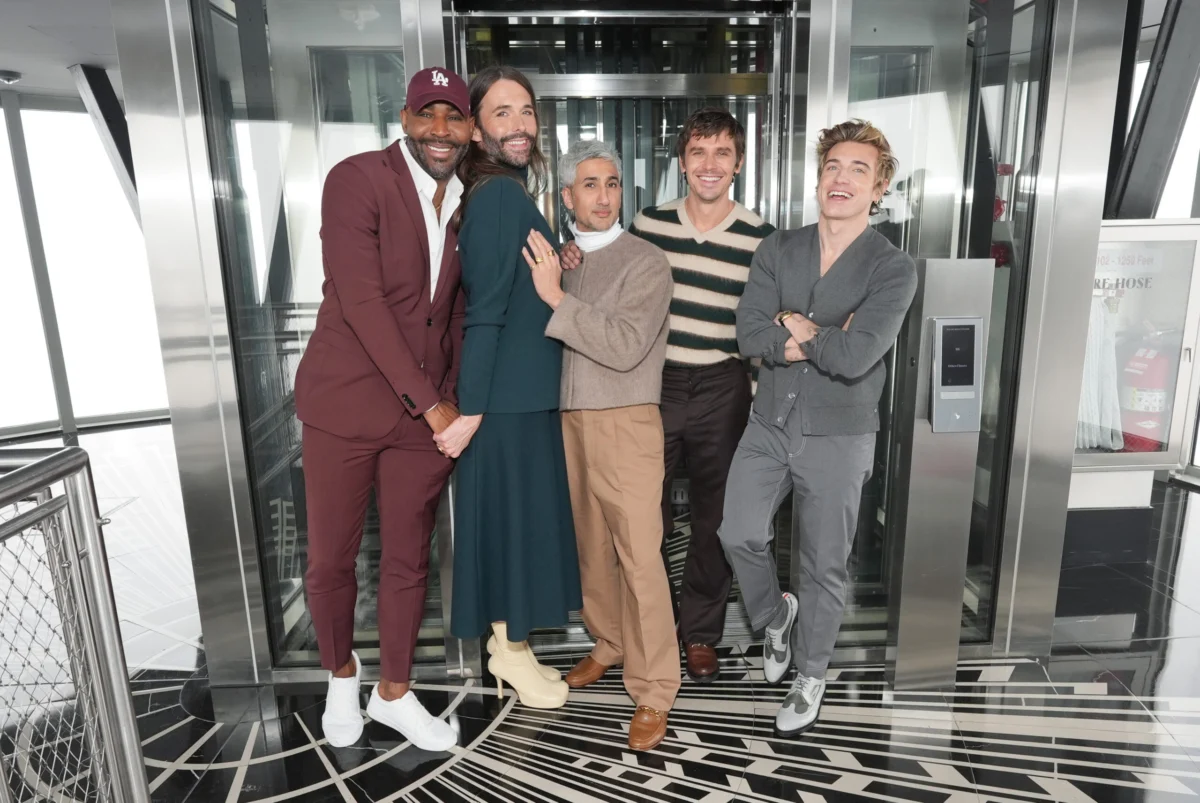
Twenty-five years ago, a television show built around five openly gay men was pitched and sold, a concept many at the time dismissed as a niche idea. Instead, Queer Eye for the Straight Guy became an unexpected global phenomenon, demonstrating a profound audience appetite not for "gay television," but for shared humanity, laughter, transformation, hope, and empathy. The show, which premiered in 2003, underscored a universal desire for connection, proving that differences in appearance, love, and lifestyle do not preclude common aspirations. This seminal moment in television history marked the beginning of a quarter-century-long mission for its originating production company, Scout Productions, to craft series that continued to bridge divides and introduce new perspectives.
A Legacy of Empathy: The Rise of Inclusive Programming
The original Queer Eye for the Straight Guy ran for five seasons on Bravo, introducing millions to gay men not as caricatures or supporting figures, but as skilled experts, compassionate caregivers, relatable neighbors, and genuine friends. Its impact extended beyond entertainment, sparking conversations in homes across America and significantly contributing to a shift in societal perceptions. This success was later revitalized with the Netflix iteration, simply titled Queer Eye, which continued the legacy for ten additional seasons, accumulating well over 200 episodes and further cementing its status as a cultural touchstone. The show’s enduring appeal lay in its ability to highlight common ground and foster understanding between diverse individuals.
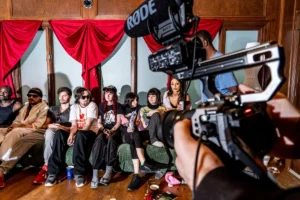
Following the trail blazed by Queer Eye, Scout Productions continued its commitment to diverse storytelling. Legendary introduced the vibrant and historically rich ballroom scene to mainstream audiences, showcasing its artistry, resilience, and deep cultural roots. For many viewers, it was their first exposure to the competitive performance culture, built over decades by Black and Latino LGBTQIA+ communities, where chosen "houses" compete through voguing, fashion, and sheer stage presence. The series illuminated the origins of ballroom as a sanctuary where marginalized individuals forged chosen families in the face of societal rejection. The acclaim received by its performers was a testament to the show’s power to elevate previously overlooked communities.
Further diversifying its portfolio, Scout Productions also produced The Gentle Art of Swedish Death Cleaning, a series that quietly centered a gay man whose profound compassion resonated as its emotional core. The Hype, a streetwear design competition, celebrated a fashion culture often pioneered by creators from marginalized communities, acknowledging their significant, yet frequently uncredited, influence on mainstream trends, notably featuring guest judge Dapper Dan. OMG Fashun paired style icon Law Roach with Julia Fox, celebrating unapologetic creativity that defied conventional categorization. These series, while distinct in their themes, shared a common thread: they were not merely "gay shows," but compelling narratives that entertained broad audiences through unapologetic inclusivity. Industry analysis confirms that such representation, while opening the door, was ultimately sustained by exceptional storytelling that compelled viewers to stay.
Over this period, these programs played a crucial role in normalizing LGBTQIA+ lives for millions. They cultivated empathy where there had been distance, and curiosity where discomfort once resided. By demonstrating the universality of human experiences, they reminded audiences that shared humanity often eclipses perceived differences. This period saw a documented surge in public acceptance of LGBTQ+ individuals, a phenomenon explored in numerous studies and essays.
The Shifting Tides: A Retreat from Risk and Diversity
However, a concerning trend is emerging within the entertainment industry. Opportunities for LGBTQIA+ stories, which once expanded rapidly, are now quietly diminishing. This decline is not attributed to a lack of audience engagement or commercial failure; in many cases, these inclusive projects achieved significant success. Instead, the landscape has shifted.
As major streaming platforms consolidate and increasingly prioritize "global hits," the number of potential buyers for content has dwindled. This market contraction has fostered a growing risk aversion, leading executives to favor projects perceived as "safe," "frictionless," and easily marketable across diverse international territories. Stories deeply rooted in specific communities, even those that have demonstrated global appeal, are increasingly being labeled as "too narrow" or carrying undue "risk."
Evidence of this shift is becoming more apparent. The commissioning of original LGBTQIA+-centered series is declining. Diversity initiatives, which were instrumental in broadening the range of voices within Hollywood, have been scaled back or entirely eliminated in various sectors of the industry. GLAAD’s most recent "Where We Are On TV" study starkly illustrates this regression, reporting a 23% decline in the number of LGBTQ characters across all television and streaming platforms since 2022. Projects once evaluated primarily on their creative merit are now frequently subjected to an additional, more cautious inquiry: "Is this worth the risk?" Industry observers note that fear rarely announces itself directly but manifests through the quiet cessation of production for certain types of stories.
This cautious approach represents a profound irony: the most universally resonant stories often stem from the most specific experiences. Queer Eye‘s initial debut was met with skepticism about America’s readiness, a notion definitively disproven by its widespread appeal. Similarly, Legendary captivated audiences unfamiliar with ballroom culture, demonstrating that excellence, regardless of its origin, is universally contagious. At its best, television serves as a powerful medium for introducing viewers to individuals and communities they perceive as strangers, only for them to discover profound reflections of themselves.
The Erasure of Cultural Milestones: The Case of Legendary
One particularly poignant example of this trend is the fate of Legendary. Despite being one of the highest-rated competition series of its kind and a groundbreaking platform that celebrated ballroom culture with unparalleled respect, spectacle, and authenticity, the series effectively vanished from public view. When HBO Max restructured its content library, all three seasons of Legendary were pulled, transforming an extraordinary cultural document into an inaccessible archive. Today, the thirty original episodes are virtually impossible for audiences to find, save for fragmented clips and memes that continue to circulate and influence popular culture. This erasure is particularly perplexing given the enduring and increasing influence of ballroom culture.
Contemporary fashion, music, dance, and popular culture are profoundly shaped by ballroom aesthetics and innovations. Artists like Lady Gaga and Doechii openly draw from this rich creative lineage, and Broadway productions are increasingly incorporating ballroom elements in innovative ways. The distinct language, movement, style, and confidence born within these ballrooms continue to ripple through the cultural zeitgeist, often without widespread recognition of their origins. The paradox is striking: the very culture Legendary celebrated years ago has never been more influential, yet the series that meticulously documented and elevated it has been removed from public access, a move widely regarded as a significant step backward.
The Enduring Need for Diverse Narratives
Some may argue that the urgent need for these stories has diminished, citing the substantial progress made in LGBTQIA+ acceptance over the past quarter-century. Indeed, extraordinary strides have been achieved. Millions have been exposed to LGBTQIA+ lives through television, film, and popular culture in ways that were unimaginable when Queer Eye first premiered, a testament to the power of media. This progress is undeniably worth celebrating.
However, industry veterans contend that this progress does not equate to a reduced need for stories that celebrate communities living on the margins; rather, it amplifies it. History consistently demonstrates that cultural innovation often originates at the margins. This issue extends beyond mere LGBTQIA+ representation; it speaks to the very imagination and breadth of storytelling within the industry.
When television fails to reflect the full spectrum of humanity, the consequences are far-reaching. Young queer individuals lose the vital opportunity to see themselves reflected and affirmed on screen. Straight audiences are deprived of the chance to understand lives and perspectives beyond their own, hindering the development of empathy. Culturally, society risks losing empathy, and the entertainment industry itself forfeits its courage and one of its greatest strengths: the ability to introduce audiences to worlds they never knew they needed.
The belief that entertainment can catalyze emotional change more effectively than rational argument remains a powerful conviction for many creators. A well-placed laugh can dismantle prejudice. A simple makeover can become a potent metaphor for dignity and self-worth. A ballroom competition can evolve into a profound lesson in the construction of chosen family. A conversation about decluttering a home can transform into a meditation on grief, legacy, and the enduring power of love. This is the inherent magic of storytelling, a responsibility Hollywood should embrace rather than retreat from.
The audience for authentic stories has not disappeared. The desire for compelling narratives remains robust. Creators, particularly those from diverse backgrounds, are more vibrant and numerous than ever. The need for authentic storytelling has never been greater, especially in a fragmented media landscape.
What has undeniably changed is how audiences discover these stories. Culture no longer resides exclusively within the confines of traditional television networks or streaming platforms. It thrives and evolves across YouTube, TikTok, podcasts, independent creators, and dynamic online communities that did not even exist at the time of Queer Eye‘s debut. The opportunity for impactful storytelling has not vanished; it has merely evolved. Hollywood’s primary challenge is not the identification of audiences, but rather the cultivation of the foresight to recognize nascent cultural movements before they become ubiquitous.
For many creators, the focus on LGBTQIA+ voices is not about identity alone, but about perspective—a unique willingness to perceive the world differently. The goal has never been to create "gay television," but rather unforgettable television: shows that evoke laughter, tears, provoke thought, and inspire audiences to champion individuals they might never have imagined identifying with. This ethos has guided careers, from Queer Eye and Legendary to The Gentle Art of Swedish Death Cleaning, The Hype, and OMG Fashun. These projects sought not to tell "gay stories," but to tell deeply human stories through voices that have historically been marginalized. By expanding who is empowered to tell a story, the industry expands the collective capacity to understand and empathize with one another.
Audiences are demonstrably ready for the next generation of storytellers to offer new lenses through which to view the world. The imperative for Hollywood now is simply to provide them with the platform.