Adam Wong’s acclaimed drama, "The Way We Talk," a poignant exploration of youth, identity, and the multifaceted experiences of deafness, has captivated audiences and critics alike following its successful festival circuit and subsequent theatrical release. The film, which premiered at the prestigious 68th BFI London Film Festival, has garnered significant attention for its sensitive portrayal of societal marginalization and its nuanced examination of audism. Its journey continued with screenings at the 21st Hong Kong Asian Film Festival and the 61st Golden Horse Film Festival, where lead actress Chung Suet Ying was honored with the award for Best Leading Actress, a testament to the film’s powerful performances. After accumulating nominations for ten awards across these esteemed events, "The Way We Talk" made its Hong Kong theatrical debut in February 2025, marking a significant milestone for a film that addresses often-overlooked societal issues with grace and authenticity.
A Narrative of Friendship and Identity Amidst Hearing Differences
At its core, "The Way We Talk" unfolds the lives of three young friends: Wolf (Neo Yau), Alan (Marco Tsz Ho Ng), and Sophie (Chung Suet Ying). Each character navigates their relationship with hearing in distinct ways, creating a dynamic tapestry of shared experiences and evolving perspectives. Wolf and Alan, childhood friends, represent a deep-rooted connection, while Sophie, a more recent addition to their circle, introduces a new layer of complexity. Sophie’s journey as a cochlear implant user is particularly central to the film’s thematic exploration. She finds herself at a crossroads, torn between the expectations of the hearing world and a growing affinity for the deaf community. The narrative skillfully builds tension as these contrasting viewpoints on deafness clash and coalesce, forcing each character to confront their own identities and loyalties. This internal and interpersonal conflict forms the emotional bedrock of the film, resonating with universal themes of belonging and self-acceptance.
Historical Context and Societal Echoes: Oralism’s Legacy
Director Adam Wong’s deliberate and understated directorial style imbues "The Way We Talk" with a profound sense of realism, particularly in its depiction of the realities faced by hearing-impaired individuals in Hong Kong. The film subtly but effectively highlights the lingering impact of oralist educational policies, which dominated the learning environment for the deaf community in Hong Kong until 2010. This pedagogical approach prioritized teaching deaf individuals to communicate through spoken language and lip-reading, often at the expense of sign language, which was actively discouraged and even banned in many educational institutions. While policy shifts have occurred, the film underscores that the legacy of such exclusionary practices continues to manifest in contemporary society. Scenes depicting direct discrimination and the often superficial support offered by certain institutions, particularly corporations, serve as stark reminders of the persistent marginalization faced by some members of the community. "The Way We Talk" thus transcends a personal narrative to become a commentary on societal progress and the ongoing struggle for true inclusion.
Visual and Auditory Storytelling: Immersive Perspectives
Visually, "The Way We Talk" adopts a restrained yet effective aesthetic. Cinematographer Leung Ming-kai’s calm and consistent shooting style creates an intimate atmosphere, allowing the audience to immerse themselves in the characters’ emotional landscapes without distraction. This visual simplicity is masterfully complemented by the innovative sound design orchestrated by Cyrus Hok Lun Tang. The film frequently employs sonic shifts to place viewers directly within the characters’ subjective experiences. Most notably, many scenes are rendered from Sophie’s perspective, offering a visceral understanding of what it might be like to perceive the world with a cochlear implant. The deliberate use of distorted voices, interspersed with static, serves as a powerful auditory cue, demonstrating that such technological aids, while beneficial, are not a perfect panacea. When the narrative shifts to Wolf’s perspective, the audio landscape transforms again, often becoming muffled or nearly silent, further amplifying the diverse ways in which individuals experience sound and communication. This sophisticated use of sound design is not merely an artistic choice but a critical narrative tool that deepens empathy and understanding.
Character Dynamics and the Spectrum of Deafness
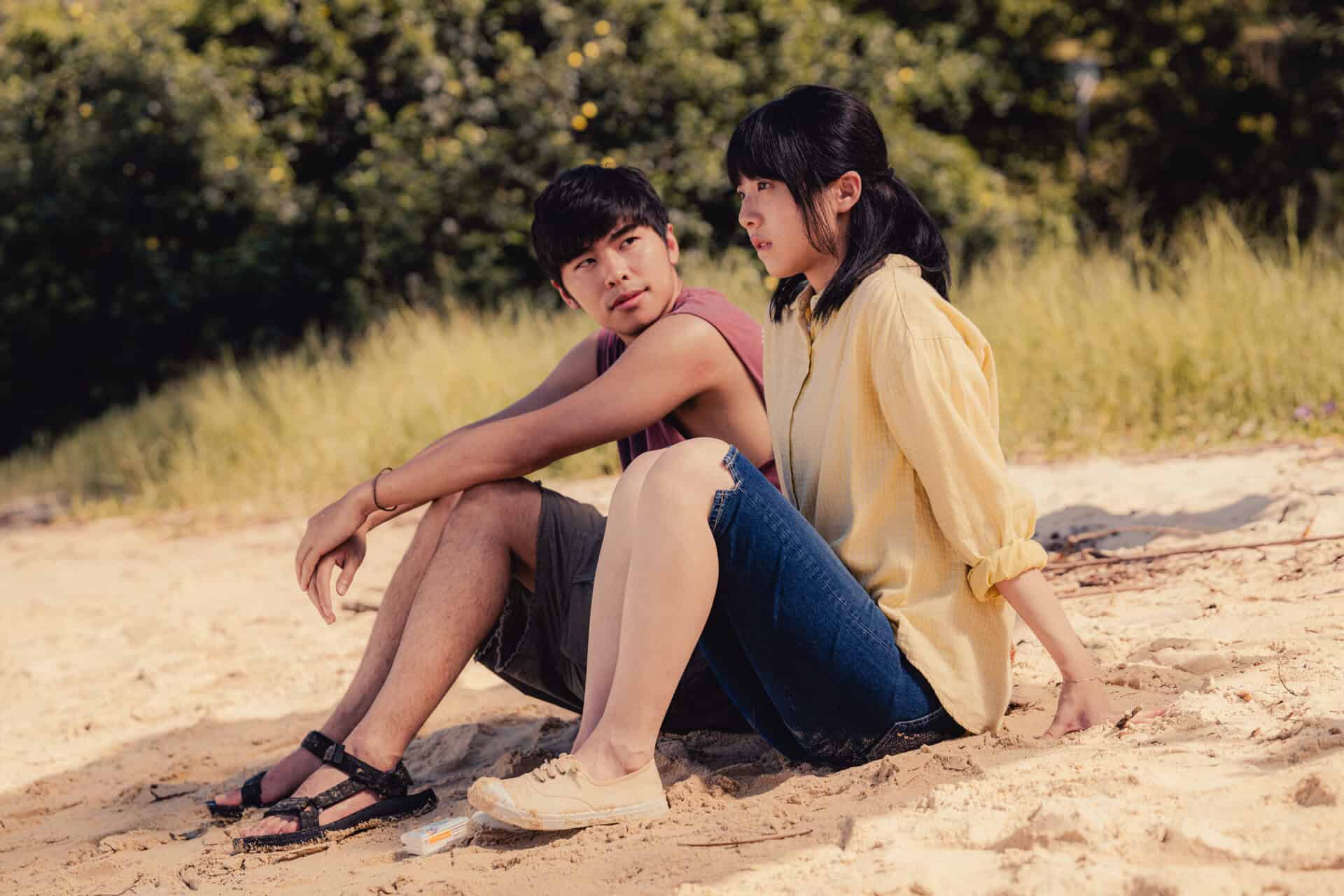
The film’s enduring strength lies in its nuanced portrayal of three distinct attitudes towards deafness, each embodied by the central characters. Wolf emerges as a spirited and assertive advocate for sign language rights, representing a powerful voice for cultural preservation and linguistic autonomy. Sophie, initially characterized by a sense of withdrawal and an internalized belief that she "must be fixed," undergoes the most profound character arc, evolving towards a greater sense of self-acceptance and agency. Alan occupies a crucial middle ground, characterized by his composure and a remarkable capacity to understand and bridge the divergent perspectives of his friends. While Marco Tsz Ho Ng is the only deaf actor in the main trio, the entire cast delivers performances of remarkable authenticity and depth. Their compelling portrayals foster a palpable chemistry between the characters, making their relationships and shared journey the linchpin of the film’s emotional resonance. The nuanced performances ensure that the audience connects with the characters not as archetypes, but as individuals grappling with universal human experiences.
Critical Acclaim and Festival Recognition: A Journey of Triumph
The festival run of "The Way We Talk" has been a significant indicator of its critical reception. The premiere at the 68th BFI London Film Festival, a globally recognized platform for cinematic excellence, immediately signaled the film’s artistic merit. Its subsequent inclusion in the 21st Hong Kong Asian Film Festival and the 61st Golden Horse Film Festival further solidified its status as a significant work within the Asian cinematic landscape. The Golden Horse Awards, often referred to as the "Oscars of Chinese-language cinema," provided a particularly prestigious platform for recognition. Chung Suet Ying’s Best Leading Actress award at this ceremony is a major achievement, highlighting her powerful portrayal of Sophie and her ability to convey complex emotional nuances. The film’s ten nominations across various categories at these festivals underscore a broad appreciation for its storytelling, direction, acting, and technical achievements. This widespread critical acclaim suggests that "The Way We Talk" has successfully resonated with diverse audiences and industry professionals, paving the way for its commercial release.
Broader Implications: Challenging Perceptions and Fostering Dialogue
"The Way We Talk" is more than just a film; it is a carefully crafted cinematic experience that tackles a significant and often underrepresented societal issue with clarity and sensitivity. While some moments may appear didactic, the film deftly avoids excessive sentimentality, ensuring that the audience’s engagement stems from empathy and understanding rather than pity. Wong’s directorial approach is both firm and focused, evoking a sense of frustration at the injustices depicted while simultaneously instilling hope for positive societal change. The film compels viewers to reflect not only on the broader condition of society and its attitudes towards marginalized communities but also on their own personal identities and preconceptions. By presenting a story that is both accessible and thought-provoking, "The Way We Talk" has the potential to foster crucial conversations about audism, accessibility, and the importance of diverse representation in media and society at large. Its success at international film festivals and its theatrical release mark a significant step forward in bringing these important narratives to a wider audience, encouraging a more inclusive and understanding world.
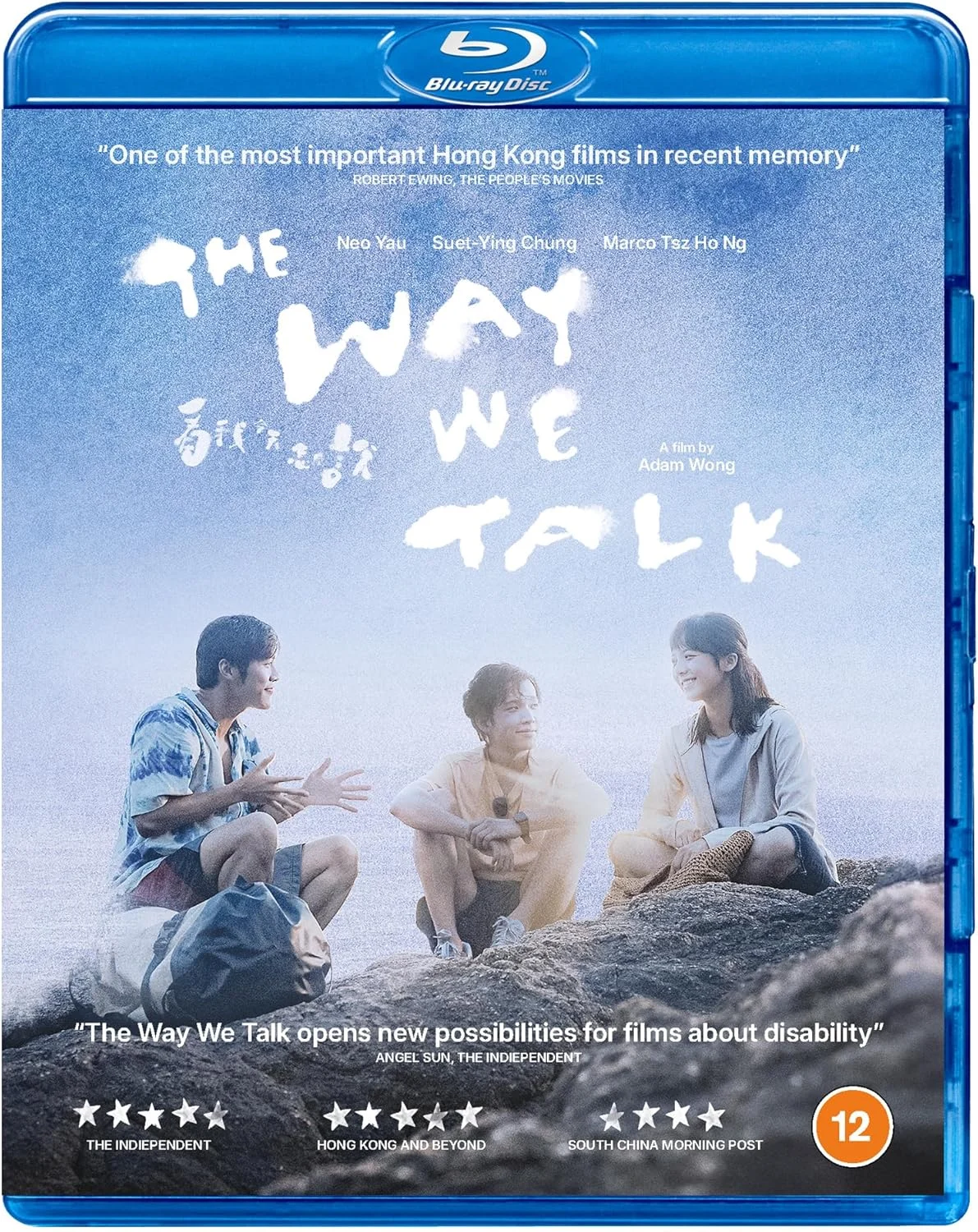
The film’s release in Hong Kong theaters in February 2025, following its successful festival trajectory, has been met with considerable anticipation. The availability of the film on platforms like Terracotta, offering Blu-ray editions, further extends its reach to a global audience eager to engage with its themes. This strategic distribution ensures that "The Way We Talk" can continue to spark dialogue and inspire reflection long after its initial cinematic run. The film’s success serves as a potent reminder of the power of cinema to illuminate the human condition, challenge societal norms, and champion the voices of those often unheard.