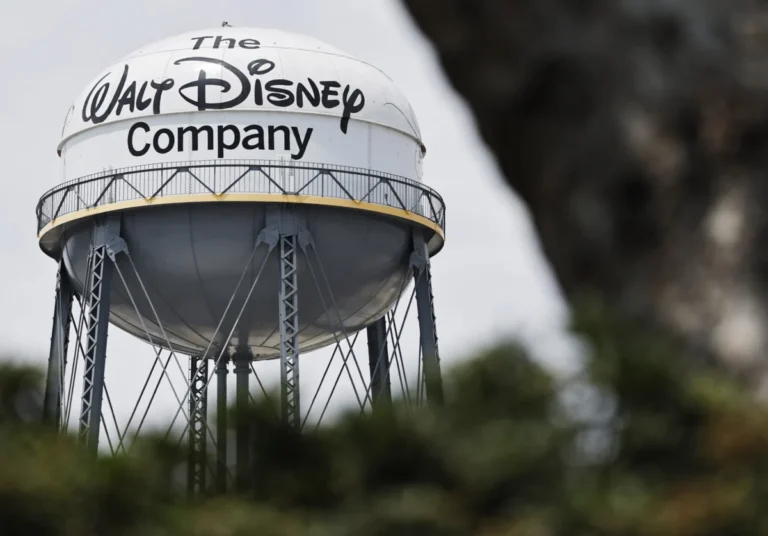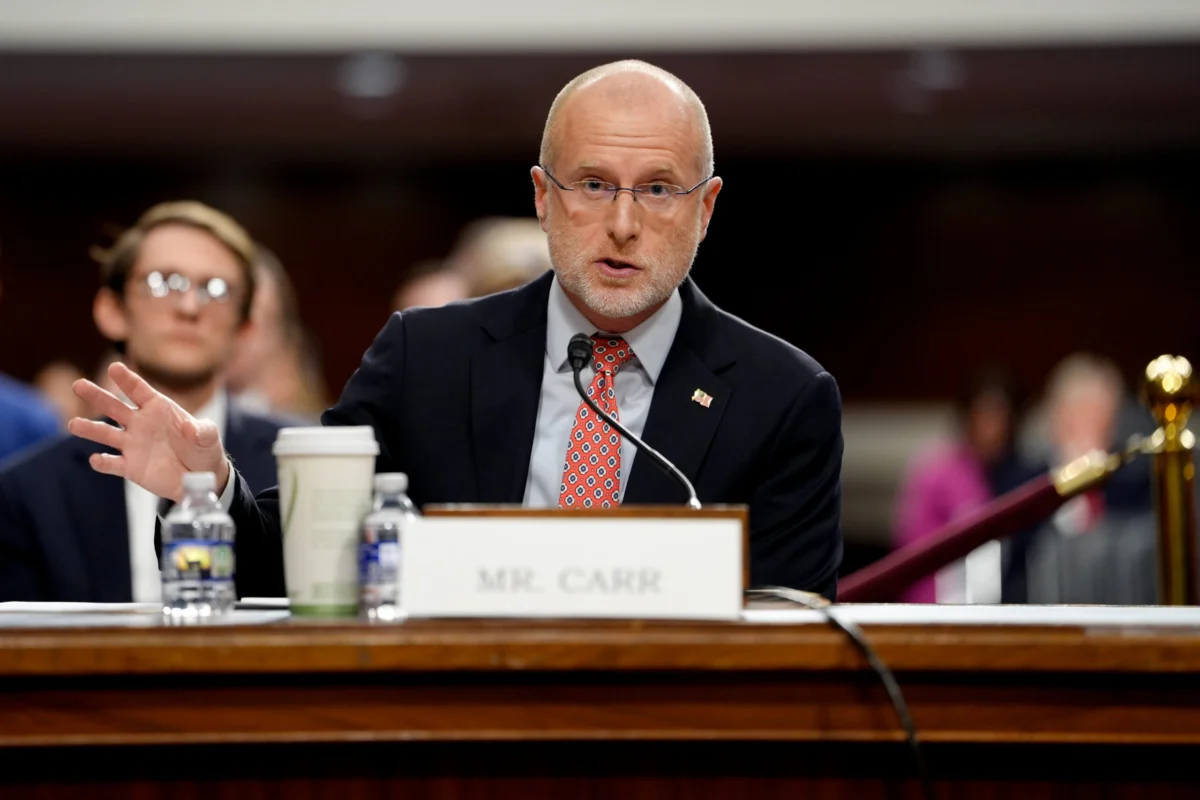
The Federal Communications Commission (FCC) has formally initiated an accelerated review process for the broadcast licenses of television stations owned by The Walt Disney Company, citing ongoing concerns regarding the corporation’s diversity, equity, and inclusion (DEI) initiatives. In a letter issued Tuesday by FCC Chairman Brendan Carr, the regulatory body ordered Disney to file for early license renewals for its ABC-owned-and-operated stations, a move that significantly truncates the standard regulatory timeline. This administrative action follows a protracted investigation into Disney’s corporate policies and coincides with heightened political friction between the network and the executive branch.
Under the terms of the order, Disney has 30 days—until May 28—to submit renewal applications for eight major television stations. These licenses were originally slated for renewal between 2028 and 2031, meaning the FCC’s intervention has advanced the scrutiny of these assets by several years. The stations subject to this early review include prominent broadcasters in major markets: three in California (Los Angeles, San Francisco, and Fresno), and others in Chicago, New York City, Houston, Raleigh-Durham, and Philadelphia. While the order specifically targets Disney’s owned-and-operated stations, it does not currently extend to ABC’s hundreds of affiliate stations owned by third-party entities such as Nexstar Media Group.
The Nexus of DEI Investigations and Regulatory Oversight
The FCC’s demand for early renewal is the latest escalation in an investigation that began in March 2024. At the heart of the probe is whether Disney’s DEI efforts violate the Communications Act of 1934 or the FCC’s long-standing prohibitions against unlawful discrimination in the operation of broadcast facilities. Chairman Carr, who was appointed to the chairmanship by President Donald Trump, has consistently argued that corporate DEI mandates may conflict with federal regulations requiring broadcasters to operate in the "public interest" without discriminatory bias.
In his correspondence, Carr noted that while Disney has provided responses to two previous inquiries regarding its internal policies, the agency has deemed those responses insufficient to resolve the underlying concerns. The investigation seeks to determine if Disney’s hiring practices or content directives have created an environment that runs afoul of federal equal-opportunity requirements.
Disney, for its part, has maintained that its operations are entirely within the bounds of the law. In a statement released Tuesday, the company defended its track record, asserting that its stations have a "long record of operating in full compliance with FCC rules." The company emphasized its commitment to serving local communities with "trusted news, emergency information, and public-interest programming." Disney further indicated that it is prepared to defend its qualifications as a licensee through appropriate legal channels, citing protections afforded by both the Communications Act and the First Amendment.
A Timeline of Escalating Tensions
The regulatory pressure on Disney does not exist in a vacuum. It follows a series of public confrontations between the media giant and political figures, most notably President Donald Trump.
- March 2024: The FCC officially opens an investigation into the DEI practices of major media conglomerates, including Disney and Comcast.
- September 2025: Tensions flare following a monologue by late-night host Jimmy Kimmel regarding conservative activist Charlie Kirk. The incident led to a temporary suspension of Kimmel’s show and prompted Chairman Carr to suggest that broadcast licenses could be at risk if stations fail to meet their public interest obligations.
- February 2025: The FCC expands its inquiry to include Comcast’s NBCUniversal and Paramount Global, signaling a broader regulatory shift toward scrutinizing corporate culture within the media industry.
- April 2026: President Trump renews calls for ABC to terminate Jimmy Kimmel’s employment following comments made about First Lady Melania Trump. Kimmel had referred to the First Lady as an "expectant widow" during a broadcast, shortly before a reported security incident at the White House.
- Late April 2026: The FCC issues the formal order for early license renewal for Disney’s ABC stations, citing the need for an immediate "accelerated review."
Internal Dissent and Legal Criticism
The FCC’s decision has exposed a sharp divide within the commission itself. FCC Commissioner Anna Gomez, a member of the agency’s Democratic minority, issued a scathing rebuke of the order on social media. Gomez characterized the move as "unprecedented" and "unlawful," describing it as a "political stunt" that would likely fail under judicial scrutiny. She encouraged affected companies to challenge the order, stating that the First Amendment provides a robust defense against government interference in media operations based on political or corporate viewpoints.
Legal experts have also weighed in, raising concerns about the potential weaponization of the FCC’s licensing power. Jameel Jaffer, Executive Director at the Knight First Amendment Institute at Columbia University, argued that the FCC lacks the statutory authority to revoke or challenge licenses based on perceived political leanings or satirical content. Jaffer warned that such actions could lead to a "government-aligned media" landscape, where broadcasters fear retribution for airing commentary that is critical of the administration.
"If the government is allowed to use the licensing process to punish broadcasters for their speech or their internal management decisions, it undermines the very foundation of a free press," Jaffer said in an analysis of the situation. He suggested that if the FCC proceeds with this course of action, it would represent one of the most significant challenges to First Amendment protections in the modern era.
Broader Industry Implications and Data Context
The move against Disney is part of a wider trend of regulatory scrutiny targeting the "Big Three" legacy networks. Data from the FCC indicates that license renewals are typically routine administrative matters, with over 98% of applications granted without significant delay or investigation. The decision to pull forward the renewal dates for eight major-market stations is a statistical anomaly that highlights the aggressive posture of the current FCC leadership.
Disney’s ABC-owned stations represent a vital component of its linear television business, reaching approximately 20% of U.S. households. In the 2024-2025 broadcast season, ABC remained a leader in news and live programming, with "World News Tonight" frequently ranking as the most-watched program on broadcast television. Any disruption to the licensing of these stations would have profound financial implications for Disney, which is already navigating a complex transition from traditional cable to streaming-dominant distribution.
Furthermore, the FCC’s focus on DEI comes at a time when many Fortune 500 companies are re-evaluating their social initiatives in the face of legal challenges and shifting political winds. According to industry data, nearly 75% of S&P 500 companies have some form of DEI reporting; however, the FCC is the first federal regulatory body to link these internal corporate policies directly to the privilege of holding a federal broadcast license.
The Path Forward: Legal and Regulatory Challenges
As the May 28 deadline approaches, Disney faces a critical strategic choice: comply with the early filing requirement or seek an immediate injunction in federal court. Most legal analysts expect the company to file the renewals under protest while simultaneously launching a legal challenge against the FCC’s authority to accelerate the timeline.
The outcome of this review will likely set a precedent for other media giants. If the FCC successfully uses the renewal process to extract concessions regarding DEI policies or content oversight, it could fundamentally alter the relationship between the federal government and the private media sector. Conversely, a court victory for Disney would reinforce the First Amendment barriers that prevent regulators from using administrative procedures to influence editorial or corporate policy.
The "public interest" standard, a cornerstone of the Communications Act of 1934, has long been a vaguely defined concept. Historically, it has been used to ensure stations provide local news, educational programming, and equal time for political candidates. However, the current administration’s interpretation of this standard to include a review of corporate DEI initiatives represents a significant expansion of the FCC’s traditional remit.
As this situation unfolds, the intersection of regulatory oversight, corporate governance, and political rhetoric will remain a focal point for the media industry. With Disney’s ABC stations serving as the immediate battleground, the future of broadcast independence in the United States may hinge on the resolution of this unprecedented regulatory maneuver.