Korean horror has carved a distinct and formidable niche in the global cinematic landscape, defying easy categorization through its persistent exploration of psychological and emotional landscapes rather than overt supernatural threats. While many horror traditions lean on monstrous entities, jarring jump scares, or gratuitous gore, the most resonant Korean productions consistently delve into the profound and disquieting territories of grief, familial trauma, deeply ingrained superstition, creeping paranoia, and the ritualistic underpinnings of society. The fear evoked in Korean genre cinema is rarely confined to the physical; it is an intricate tapestry woven from emotional distress, social anxieties, and the persistent echoes of historical burdens. This horror emerges from the intimate spaces of the home, the vulnerability of the body, the persistence of memory, and the unresolved tensions that perpetually simmer between past and present. Consequently, the genre’s most unforgettable titles are united not by a singular stylistic signature, but by their remarkable capacity to transmute personal pain into something far larger, more pervasive, and hauntingly universal.
A Tradition of Emotional Resonance
From the early 2000s, films like Kim Jee-woon’s "A Tale of Two Sisters" set a benchmark for this nuanced approach. This was followed by Na Hong-jin’s critically acclaimed "The Wailing," a film that broadened the genre’s scope and thematic complexity. More recently, the found-footage intensity of "Gonjiam: Haunted Asylum" and contemporary offerings such as "Midnight," "Seire," and "The Sin" demonstrate the genre’s remarkable adaptability. Despite evolving forms and narrative strategies, these films consistently retain a recognizable emotional core. Whether manifested through spectral apparitions in various guises, the generational transmission of guilt, or the multifaceted depiction of ritual as faith, performance, manipulation, or a desperate last resort, these enduring elements continue to shape a tradition that stands as one of the richest and most compelling in world cinema. This ongoing evolution suggests a genre that is not merely reacting to external trends but is actively redefining itself from within, drawing strength from its deep cultural roots.
"A Tale of Two Sisters": The Foundation of Psychological Dread
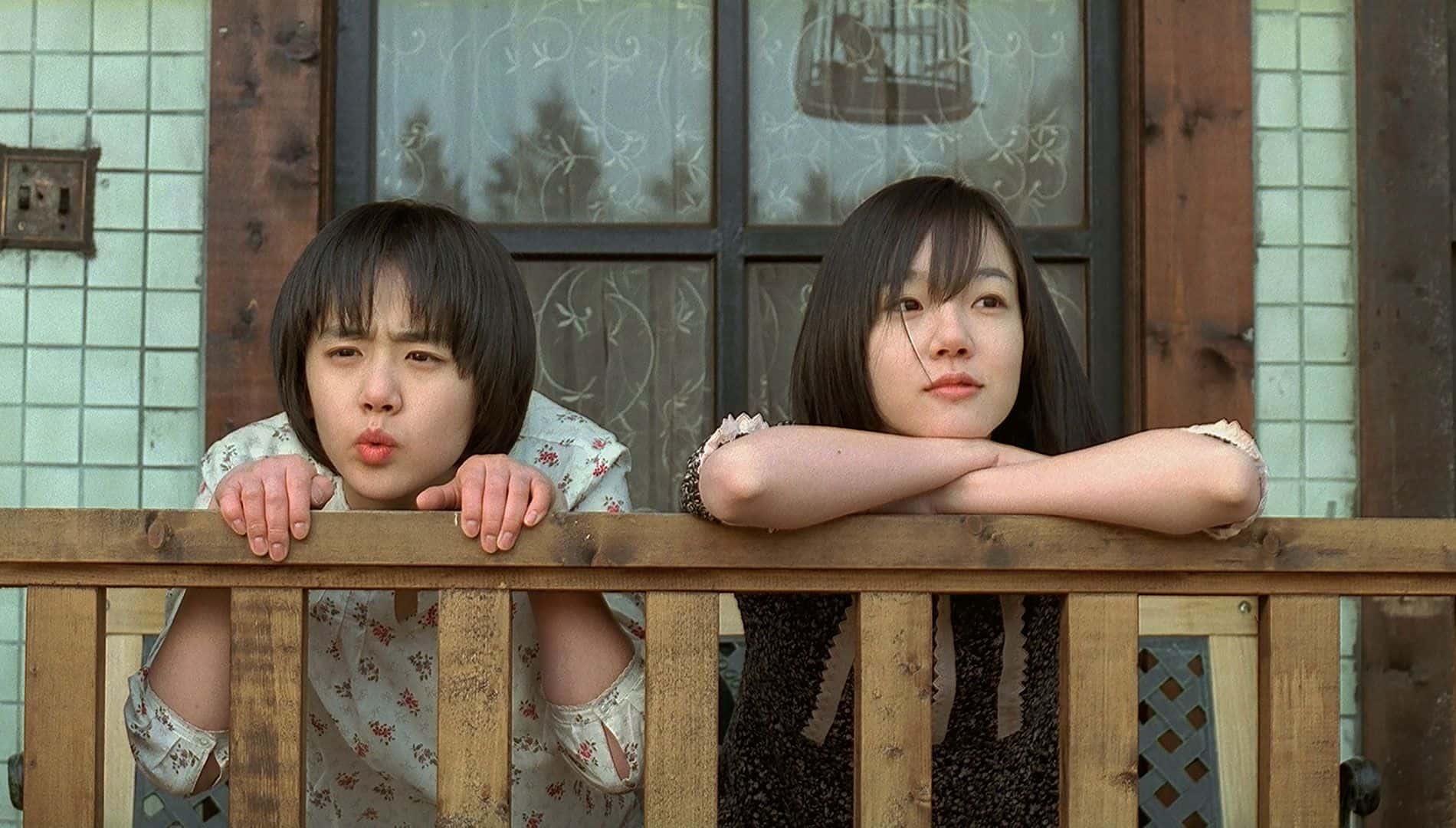
Kim Jee-woon’s "A Tale of Two Sisters" (2003) stands as a seminal modern example of Korean horror’s distinctive approach. At its heart, the film is a profoundly moving and deeply unsettling family drama that dissects deception, emotional trauma, and repression, all expertly wrapped within the framework of psychological horror. The narrative, deceptively simple on its surface, follows two sisters, Su-mi and Su-yeon, as they return to their family home in the countryside. Their father hopes their return will aid Su-mi’s recovery from a nervous breakdown and facilitate their adjustment to the presence of their stepmother, Eun-joo. However, the domestic setting rapidly transforms into a battleground of emotional distance, lingering grief, and palpable hostility. The memory of their deceased mother casts a long shadow, while the stepmother embodies an almost fairy-tale villainess, imbuing the household with an oppressive aura. The bond between the sisters becomes the sole sanctuary within an increasingly suffocating environment.
Kim Jee-woon’s masterful understanding of psychological horror mechanics is evident throughout the film. He meticulously builds tension not through overt scares, but through nuanced performances, deliberate framing, and the strategic use of space. With the father largely a passive figure, the pervasive sense of unease largely stems from Yum Jung-ah’s chilling performance as Eun-joo, a character seemingly inspired by the archetypal wicked stepmother of fairy tales. Simultaneously, the film explores the palpable presence of unprocessed trauma among the characters, underscored by a distinct power struggle between Su-mi and Eun-joo, who are, in essence, vying for the maternal role within the fractured family dynamic.
The family home itself evolves into a crucial element, mirroring the characters’ internal turmoil. As the narrative tension escalates, the house becomes increasingly labyrinthine, with cinematography effectively portraying the transformation of the familiar into the strange, the haunting, and the deeply disturbing. Kim’s profound understanding of setting as a reflection of the characters’ emotional landscapes elevates "A Tale of Two Sisters" above many other Asian horror entries of the early 2000s. This is not merely a haunted house story; it is a narrative where the house is haunted precisely because the family is haunted, because grief has been left unresolved, and because guilt has permeated every corner of their existence. The film’s critical and commercial success, grossing over $15 million worldwide against a modest budget, cemented its status as a landmark in Korean cinema and a key influence on subsequent psychological horror films.
"The Wailing": A Tapestry of Folk Horror and Sociopolitical Allegory
If "A Tale of Two Sisters" defined a crucial strand of Korean horror—the seamless fusion of psychological terror with family melodrama—then Na Hong-jin’s "The Wailing" (2016) significantly expanded the genre’s thematic and tonal boundaries, infusing it with a broader, more furious, and allegorical dimension. The film marked Na Hong-jin’s highly anticipated return to filmmaking after the success of "The Yellow Sea," and "The Wailing" more than justified the long wait. While functioning impeccably as an agonizing thriller about a rural community succumbing to madness, violence, and pervasive suspicion, the film’s elaborate script conceals a sharp sociopolitical allegory, a duality that contributes significantly to its enduring power.
Set in a seemingly tranquil village where a mysterious epidemic begins to spread, causing residents to descend into violent madness and succumb to horrific skin infections, the narrative initially presents itself as folk horror. It then morphs into an investigative thriller before ultimately embracing a more unstable and ambiguous form. Police officer Jong-goo becomes entangled in the unfolding mystery after hearing rumors implicating a Japanese man residing on a nearby hill. His suspicions are further fueled by a peculiar young woman named Moo-myeong, who corroborates these rumors. However, the truth behind the escalating chaos and the identities of the true perpetrators remain fluid and elusive until the film’s final moments. Na Hong-jin masterfully sustains a sense of agonizing suspense throughout, driven by a continuous stream of shocking twists and turns.
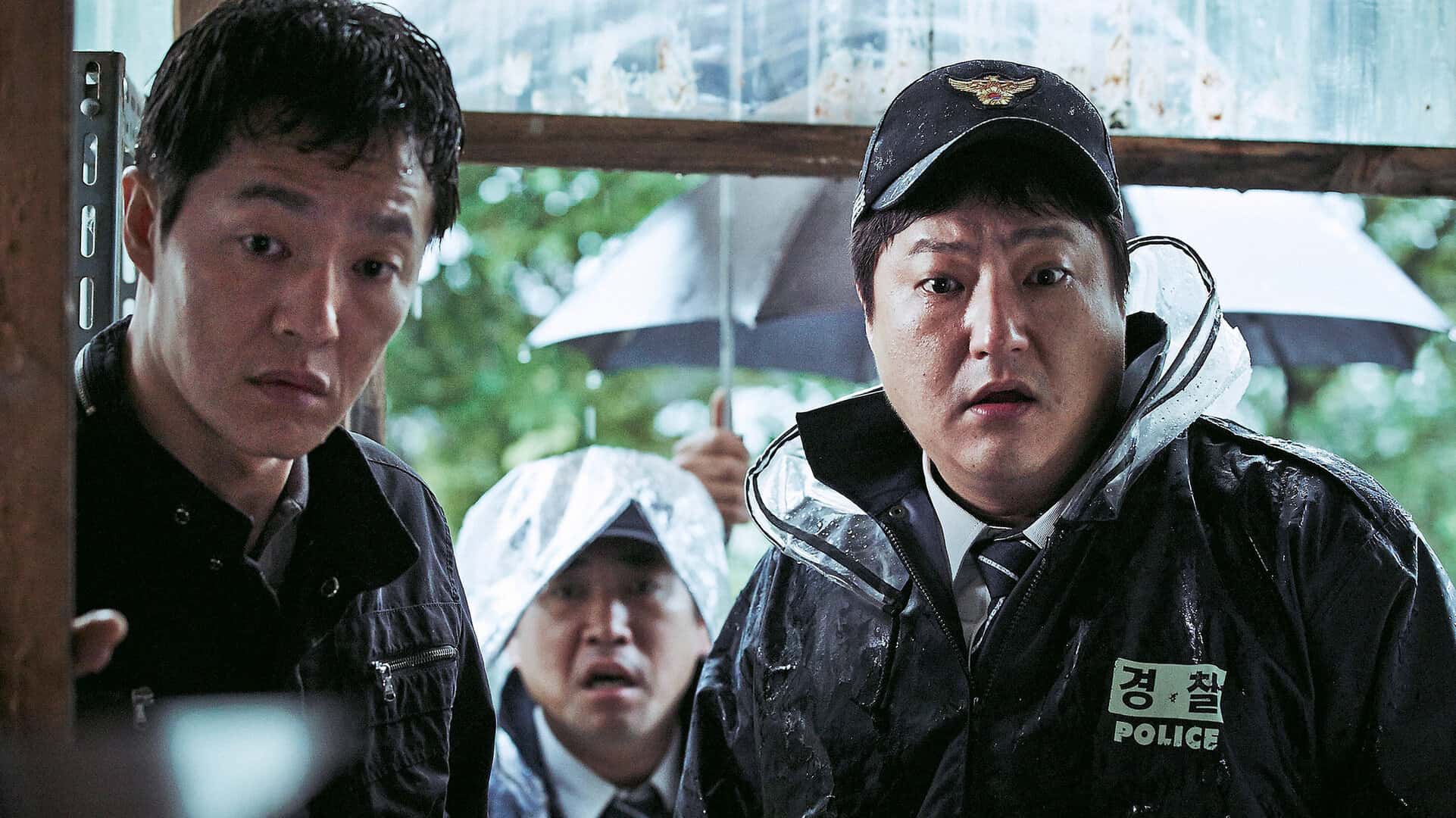
"The Wailing" distinguishes itself from more conventional horror by intricately weaving together ritual, religion, and xenophobia as interconnected forces. The film incorporates elements such as zombies, vampires, and demons, though the most prominent supernatural figure is the shaman, Il-gwang. While other supernatural entities exist primarily to cultivate an atmosphere of dread, the supernatural in "The Wailing" is never merely for spectacle. Moo-myeong, Il-gwang, the Japanese outsider, and a fervent priest all serve to illustrate a society where faith and prejudice have become inextricably intertwined. Racism positions targeted individuals as monstrous, while ritual functions as both a potential means of salvation and a potent tool of manipulation.
The film’s exorcism sequence, in particular, stands as one of the most impressive and thematically rich scenes in contemporary Korean horror. The juxtaposition of simultaneous rituals, one conducted in light and another in darkness, the symbolic contrast in the colors of the sacrificed roosters, the resonant sound of hand drums, the agonizing reactions of the possessed child, and the mounting desperation of the adults converge into a powerful crescendo. Here, acting, editing, music, and cinematography achieve their apotheosis. It is also at this point that ritual transcends mere cultural backdrop to become the very language through which the film dissects fear, power, and collective delusion. Despite its graphic and intense scenes, including cannibalism, ritualistic slaughter, and unsettling character behavior, "The Wailing" avoids gratuitousness due to its intricate script, profound allegory, well-developed characters, and elaborate cinematography. The result is a remarkable synthesis of artistry, thematic depth, and entertainment, showcasing the expansive potential of Korean horror by the mid-2010s. The film garnered significant international acclaim, including a premiere at the Cannes Film Festival, and was a major commercial success in South Korea, further solidifying its position as a modern horror masterpiece.
"Gonjiam: Haunted Asylum": Found Footage Reimagined for Maximum Terror
While "The Wailing" represented a grand expansion of Korean horror, "Gonjiam: Haunted Asylum" (2018) by Jeong Beom-sik offers another significant evolutionary path. This film proves that Korean horror could successfully adapt one of the most globally pervasive and often critically maligned formats—found footage—and imbue it with genuine terror. The premise is deliberately contemporary and familiar: the crew of a web-based horror show ventures into the abandoned Gonjiam psychiatric hospital, notorious for its dark history, aiming to attract a larger audience by staging scares. However, their staged frights soon give way to the horrifying realization that the asylum may indeed be genuinely haunted. On paper, this sounds like well-trodden territory. In execution, however, the film delivers a remarkably effective and unsettling experience.
One of "Gonjiam: Haunted Asylum’s" most impressive achievements is the palpable atmosphere of dread established by the hospital itself. Its long, darkened corridors, walls scrawled with blood-red writing, and the pervasive air of decay and abandonment create the precisely foreboding setting required for the narrative. Once the supernatural activity commences, the film unleashes its terror with unrestrained abandon. The found-footage style, framed within the context of a reality-show shoot, facilitates a frantic, disorienting approach, following the characters as they navigate the asylum’s treacherous interiors. This leads to the expected flickering lights, slamming doors, and sudden disruptions. Yet, "Gonjiam: Haunted Asylum" consistently finds ways to surprise, whether through the unsettling image of a floating wig in a pool of water, botched séance attempts, or later sequences involving unseen forces and terrifying apparitions.
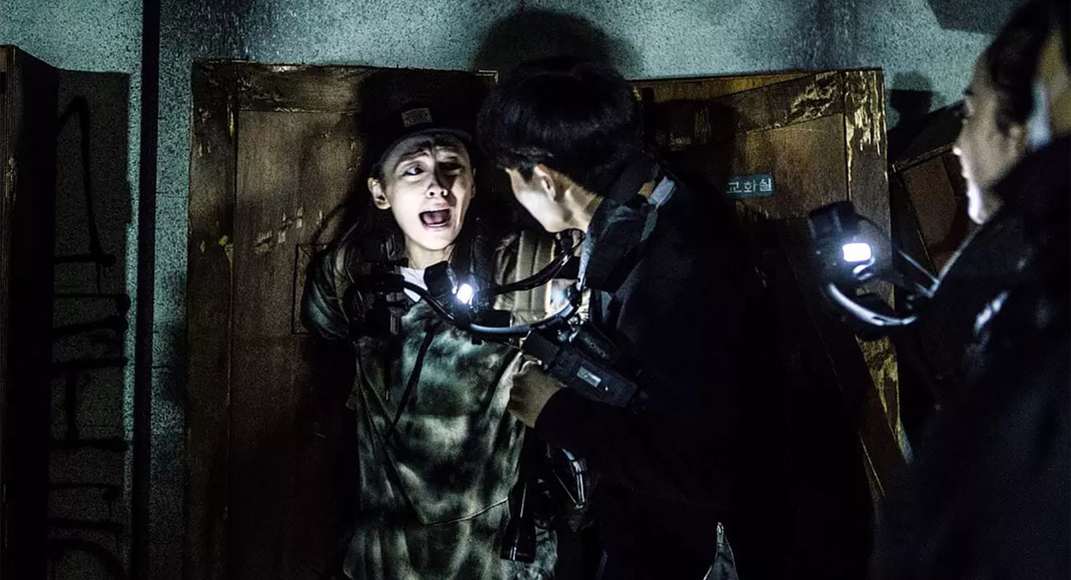
The film’s greatest strength lies in the perfect synergy between its style and setting. The frenetic action within the asylum, punctuated by terrifying encounters with spectral entities, offers striking imagery, particularly when the thermal camera captures presences invisible to the naked eye. The climax, with the group fully convinced they are cursed and desperately attempting to escape, provides a fittingly terrifying conclusion. In a genre where found footage often serves as a narrative shortcut, Jeong Beom-sik utilizes it as an engine for immersion, panic, and immediacy. The result is a genuinely frightening film that maintains its impact and confirms Korean horror’s ability to adapt even heavily codified international subgenres to its own unique strengths. "Gonjiam: Haunted Asylum" was a significant commercial success in South Korea, drawing over 2.6 million viewers and reaffirming the audience’s appetite for innovative horror.
"Midnight": Urban Thriller Meets Existential Dread
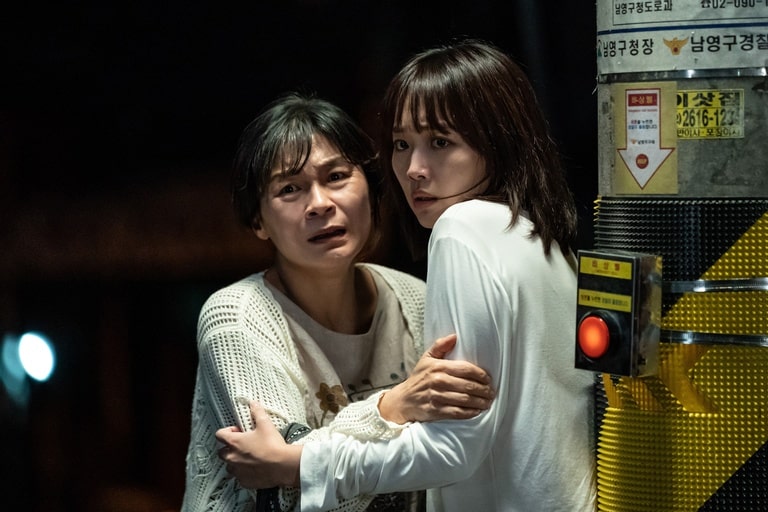
Beyond supernatural hauntings, Korean horror has also frequently bled into adjacent genres, most notably the thriller. Kwon Oh-seung’s "Midnight" (2021) serves as a prime example of how the genre’s core anxieties can persist even in the absence of ghosts or overt ritual. Structurally, the film aligns more closely with crime thrillers like "The Chaser," but its atmosphere, depiction of vulnerability, and visceral bodily tension place it firmly within the horror spectrum. The story of Kyung-mi, a deaf-mute woman relentlessly pursued by a serial killer through the desolate urban night, transforms the city into a nightmarish labyrinth where communication falters, institutions prove inadequate, and danger can lurk within the most mundane of encounters.
What makes "Midnight" particularly relevant in this discussion is its meticulous construction of fear through helplessness, social prejudice, and predatory intelligence. Kwon Oh-seung crafts an intriguing narrative whose primary strengths lie in three key elements. Firstly, Kyung-mi and her mother’s deafness and muteness create significant barriers to communication with those who could offer help and salvation. Secondly, the killer, Do-sik, is characterized by his unnerving audacity and manipulative prowess, repeatedly evading capture even when his arrest seems imminent. Thirdly, Do-sik’s mother harbors a suspicion about the seemingly polite man, but struggles to convince others until it is tragically too late. These factors combine to elevate the thriller to a level of agonizing proximity to horror.
The noir-infused atmosphere of the city’s narrow streets, captured through excellent cinematography, eloquently communicates pervasive danger, while the action remains brutal and immediate. Furthermore, the film offers pointed social commentary, particularly in its depiction of individuals more readily believing the charming killer than the vulnerable women attempting to expose him, highlighting discrimination against both women and people with disabilities. In this regard, "Midnight" belongs in this conversation because it demonstrates that Korean horror, across different eras, is not solely defined by the supernatural. In its place, the sociopath can replace the ghost, routine urban movement can substitute for ritual, and social blindness can stand in for possession. Crucially, the underlying emotional mechanism remains consistent: helplessness, dread, and the terror of not being heard or acknowledged. The film’s success, though perhaps not on the blockbuster scale of others, resonated with audiences for its timely social commentary and intense suspense.
"Seire": Folklore, Guilt, and Intimate Dread
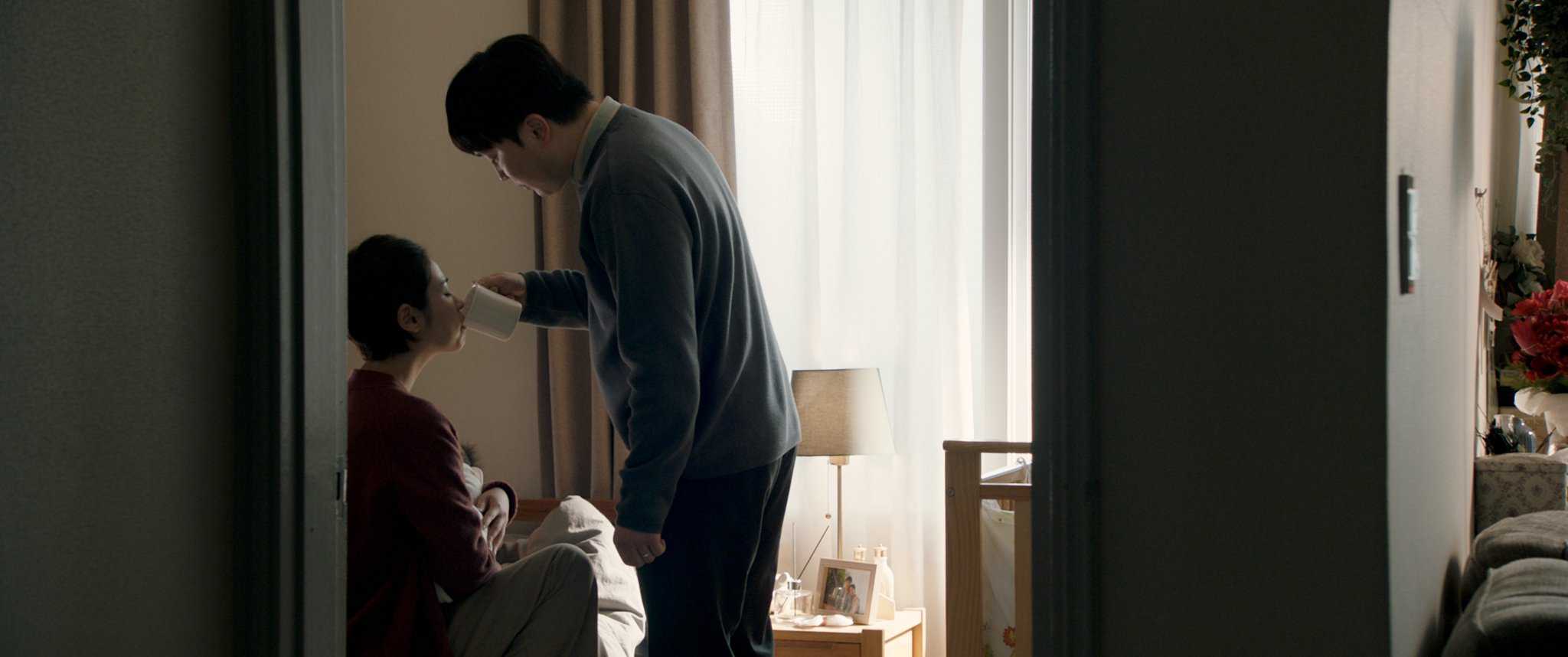
The same capacity for renewal while remaining rooted in age-old anxieties is evident in Park Kang’s "Seire" (2021). While the film may not have achieved the same widespread recognition as "The Wailing" or "Gonjiam: Haunted Asylum," it stands as a clear indicator of recent trends in Korean horror. Superstition, suspicion, and paranoia permeate the narrative of a new father who finds himself ensnared in a cycle of guilt and fear after inadvertently violating traditional taboos surrounding his newborn child. The concept of "seire," a period where specific actions are forbidden for the infant’s safety, immediately anchors the horror in ritual and familial obligation rather than gratuitous spectacle.
The film unfolds as a slow-burn narrative where the protagonist’s initial skepticism gradually erodes, giving way to uncertainty and, ultimately, terror. Park Kang’s screenplay deliberately leaves much to the viewer’s imagination, particularly regarding the ambiguity between supernatural occurrences and psychological breakdowns. This ambiguity is familiar territory for horror, but the film’s pronounced emphasis on male guilt and responsibility lends it a distinct texture. The dilemma of guilt and responsibility is portrayed with compelling effectiveness, and Hyun-woo Seo’s performance renders the protagonist’s struggle utterly believable, making the horror he experiences feel profoundly real. "Seire" eschews cheap jump scares, opting instead to build constant dread through performance, atmosphere, cinematography, and score. In doing so, it connects to a long-standing Korean horror tradition while pushing it toward a more intimate and meditative register. Its festival circuit success and critical praise point to a growing appreciation for this more cerebral and atmospheric approach to horror.
"The Sin": Arthouse Aesthetics Meet Genre Intensification
Han Dong-seok’s "The Sin" (2023) ventures into yet another compelling direction, perhaps most clearly capturing the current trajectory of the genre. A notable and intriguing trend in contemporary Korean cinema involves merging genre foundations with arthouse aesthetics, particularly within science fiction and horror. "The Sin" wholeheartedly embraces this tendency. Beginning as a story centered on an experimental art project, it gradually escalates into full-blown horror, all while maintaining its distinctive arthouse sensibility, even as zombies, stabbings, rituals, and supernatural twists proliferate.
What is particularly striking is how horror gradually infiltrates a narrative that initially resembles a drama. This creeping contamination evokes older Korean horror’s fascination with unstable reality, but Han Dong-seok injects a more overtly iconoclastic sensibility through the use of hooded figures, projected imagery, and an emphasis on visual doubling. Guilt, revenge, and the inescapable nature of past grievances emerge as central themes. The finale also offers a poignant commentary on how parental actions, or inactions, profoundly shape their children’s lives. Consequently, even when the narrative becomes complex, the film remains tethered to the same underlying anxieties that power films like "A Tale of Two Sisters" and "Seire": familial wounds, inherited trauma, and the persistent weight of the past. The film’s bold aesthetic choices and thematic depth have garnered attention within arthouse circles, signaling a promising evolution for genre filmmaking in Korea.
An Evolution Through Accumulation, Not Rupture
Taken together, these films illustrate that Korean horror has evolved not through a sudden break from its past, but through a process of accumulation and reinvention. The genre has not abandoned its earlier thematic concerns; rather, it has discovered new and innovative forms through which to revisit them. "A Tale of Two Sisters" transmutes grief into spatial and psychological terror. "The Wailing" transforms ritual and xenophobia into an agonizing rural nightmare. "Gonjiam: Haunted Asylum" channels digital-age spectacle and communal panic through the immediacy of found footage. "Midnight" pushes horror into urban thriller territory, where bodily vulnerability and societal indifference become terrifying in their own right. "Seire" utilizes folklore and familial anxieties to construct a quiet yet relentless sense of dread. "The Sin" folds arthouse imagery into a narrative of trauma, violence, and ritualized reckoning.
This dynamic evolution underscores why ghosts, guilt, and ritual remain such crucial coordinates for understanding Korean horror across different eras, even when films move beyond the strictly supernatural. The ghost is rarely just an apparition; it is memory, repression, history, or social anxiety given tangible form. Guilt is rarely a purely private burden; it often belongs to families, communities, and at times, even nations. Ritual, meanwhile, is never merely decorative. It can be sacred, transactional, manipulative, desperate, or hollow, but it invariably reveals something profound about the world in which it is enacted. In films like "Midnight," where ritual is largely absent, its place is taken by the ritualized patterns of urban life and the failures of institutions, demonstrating the genre’s capacity to preserve its emotional logic even as its iconography shifts.
Ultimately, the enduring strength of Korean horror lies in its refusal to be reduced to mere fear delivery. Its most impactful works remain unsettling because they understand that terror is most potent when it arises from recognizable pain. Whether set within the confines of a country house, a remote village, an abandoned asylum, bustling city streets, a newborn’s room, or a derelict artistic space, horror becomes a powerful means of exploring emotional truth. As long as Korean filmmakers continue to discover novel ways to stage this collision between the intimate and the uncanny, the genre will not only remain relevant but will continue to be an essential voice in global cinema.