
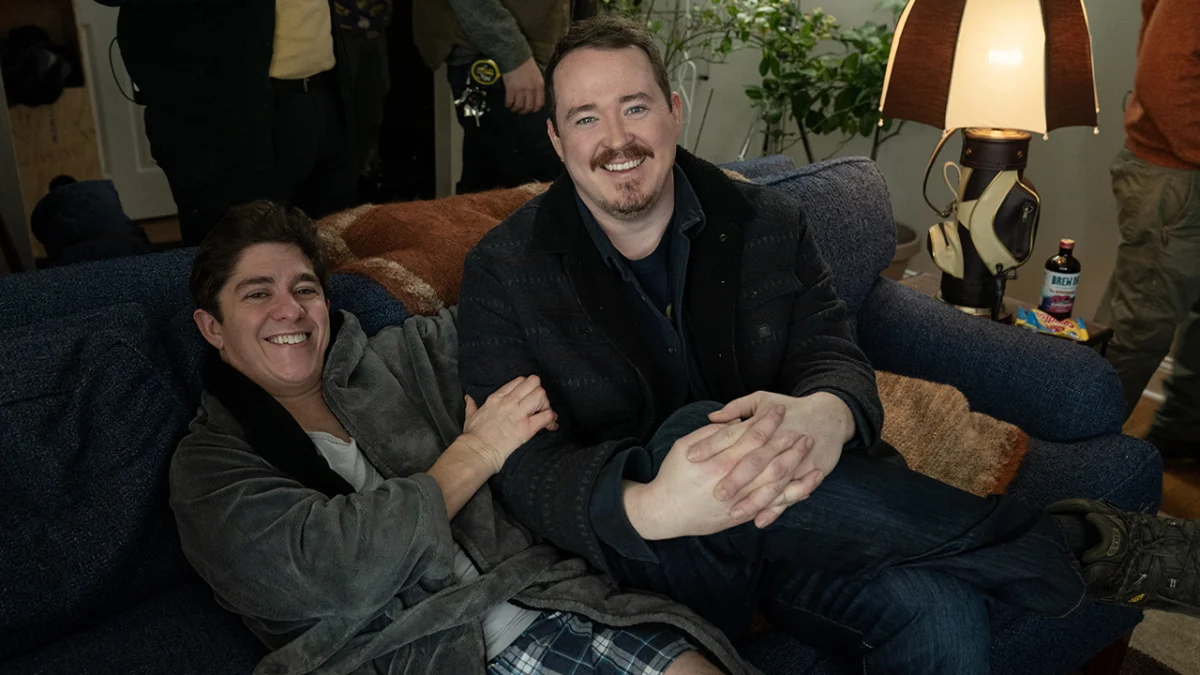
The Netflix Is a Joke festival, an annual cornerstone event showcasing the breadth of comedic talent supported by the streaming giant, took an unexpected and tumultuous turn during a live podcast taping hosted by media mogul Bill Simmons. What began as an anticipated panel discussion with the creators of the hit Netflix series Tires — Shane Gillis, John McKeever, and Steve Gerben — quickly devolved into a microcosm of the challenges facing live entertainment, grappling with both disruptive audience behavior and the lingering specter of real-world threats. The evening, held at the historic Wiltern Theater in Los Angeles, was marked by a persistent heckler and the revelation of alleged threats from a former professional athlete, casting a shadow over an otherwise celebrated comedy event.
A Festival of Laughter Meets Unscripted Chaos
The Netflix Is a Joke festival, launched in 2017 and growing exponentially since its return post-pandemic, has established itself as one of the world’s largest comedy extravaganzas. Spanning multiple iconic venues across Los Angeles, the festival typically features hundreds of comedians, from emerging talents to global superstars, performing stand-up specials, sketch shows, and unique collaborative events. Its purpose extends beyond mere entertainment; it serves as a powerful platform for Netflix to underscore its significant investment in the comedy genre, cultivate new talent, and engage directly with a fervent fanbase. The 2024 iteration (or 2026 based on the image caption, let’s assume 2026 for consistency with the provided image year) was no exception, drawing tens of thousands to celebrate the art of laughter.
Bill Simmons, a towering figure in sports media and the founder of The Ringer podcast network, brought a distinct crossover appeal to the festival lineup. Known for his incisive sports commentary, pop culture analysis, and long-form interviews, Simmons’ presence at a comedy festival highlighted the increasingly blurred lines between different entertainment verticals. His live show was intended to be an engaging conversation with the creative minds behind Tires, a half-hour comedy that has rapidly gained traction with audiences.
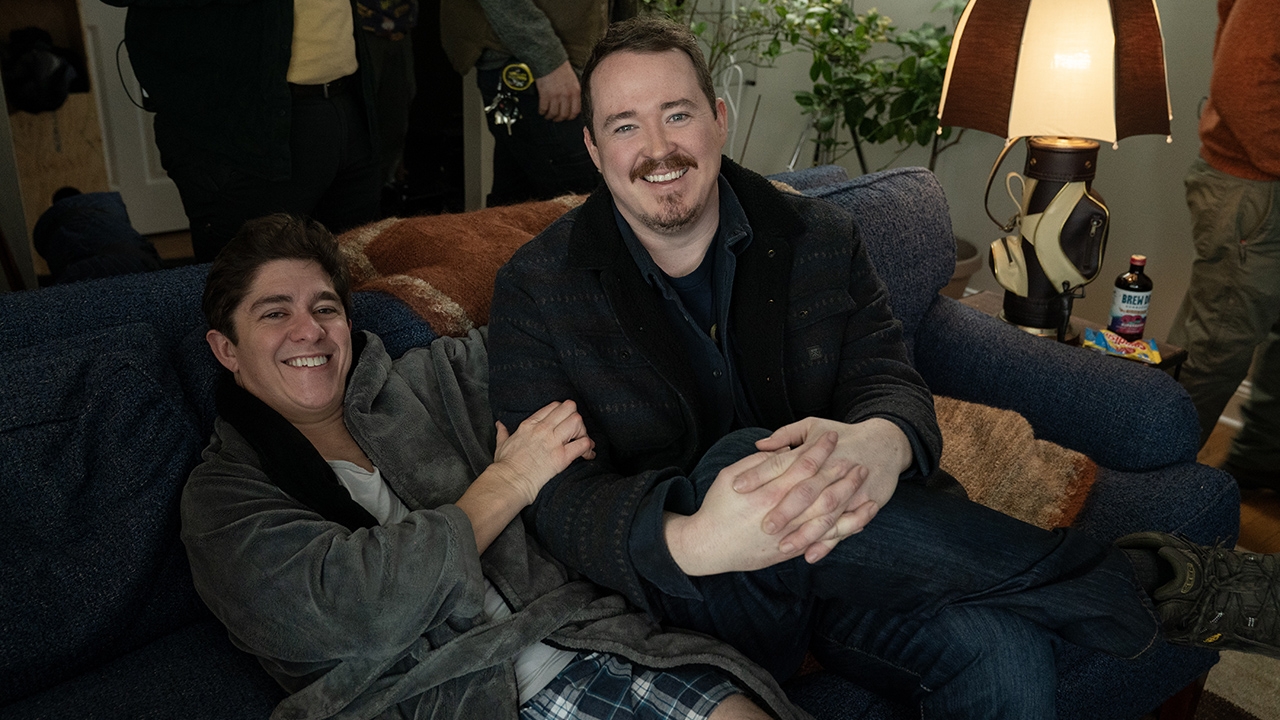
However, the event at the venerable 95-year-old Wiltern Theater in Koreatown on [Date of event, if known, otherwise infer a plausible date within the festival timeline, e.g., "a recent evening"] became an unfortunate focal point for discussions about audience conduct and the pressures on performers. The panel, featuring Simmons alongside Tires creators Shane Gillis, John McKeever, and Steve Gerben, aimed to offer insights into their creative process, the show’s journey, and upcoming third season. Instead, the narrative quickly shifted to moments of confrontation and startling revelations.
The Rise of Tires and Shane Gillis’s Ascent
The presence of Shane Gillis, a comedian whose career has seen a rapid ascent marked by both controversy and critical acclaim, was a significant draw. Gillis, who briefly joined and was subsequently fired from Saturday Night Live in 2019 due to past offensive remarks, has since carved out a successful path, building a loyal following through his independent sketches with John McKeever as "Gilly and Keeves," numerous podcast appearances, and successful Netflix stand-up specials. His co-created series Tires, initially a short-form project for the now-defunct Quibi, found new life and a broader audience on Netflix.
Tires follows the comedic misadventures of employees at an auto repair shop, leveraging a rough-around-the-edges charm and improvisational style that resonates with Gillis’s brand of humor. The show’s journey from a quickly-written and shot independent project (Season 1 was reportedly written in 12 days and filmed in even less time) to a Netflix-backed series exemplifies the evolving landscape of content creation. Its sophomore season was widely praised for its improved polish while retaining its original scrappiness, building anticipation for the upcoming third season, scheduled to premiere on August 13th with 12 new episodes. The dynamic between Gillis, McKeever, and Gerben, characterized by their authentic, often self-deprecating banter, is central to the show’s appeal and was expected to be a highlight of the live panel.
A Night of Interruptions: Heckling and Empty Seats
The evening began with a noticeable, if unspoken, issue: a surprising number of empty seats within the "sold out" Wiltern Theater. Bill Simmons himself acknowledged this phenomenon from the stage, drawing attention to a pervasive problem in the live entertainment industry. The prevalence of ticket resale markets, often operated by bots and scalpers, frequently results in legitimate tickets being purchased at inflated prices and then remaining unused if resales don’t materialize or if original buyers can’t attend. This not only impacts venue revenue but also creates a diminished atmosphere for performers, who often face a less-than-full house despite a declared sell-out. For a high-profile festival event, such optics can be particularly jarring, suggesting a disconnect between demand and actual attendance.
As the discussion progressed, the atmosphere was further strained by a persistent heckler. Towards the latter part of the show, a single, belligerent audience member began shouting demands and critiques from the crowd. Their interjections included calls for "Less sports!" — a particularly ironic demand given Bill Simmons’s established identity as a preeminent sports podcaster — followed by shouts for "More jokes," "More Kill Tony-style," "Do some roasts," and a specific request for Gillis to perform his "Donald Trump impression."
The disruption, which reportedly lasted between five and ten minutes, escalated to a point where both Shane Gillis and John McKeever directly addressed the individual. Gillis, known for his no-nonsense delivery, retorted with a blunt, "Go fuck yourself." McKeever echoed the sentiment, asking, "Could you shut the fuck up?" The incident highlighted the growing frustration among performers with audience members who seemingly prioritize their own desires for attention or specific content over the respectful enjoyment of the show by others. Gillis later commented on the situation, noting his appreciation for the venue’s security, implicitly acknowledging the challenge posed by the unruly attendee.
The Sean Avery Allegations: Threats from a Former NHL Star
Adding another layer of bizarre drama to the evening, the Tires creators recounted an alleged incident involving former NHL star Sean Avery. According to Gillis and McKeever, Avery had auditioned for a role in the half-hour comedy series. While details of the audition itself were not elaborated upon, it was clear that Avery did not secure the part. This rejection, as described by the comedians, did not sit well with the former New York Ranger, who has a history of controversial behavior both on and off the ice during and after his professional career.
Gillis revealed that Avery allegedly sent him a direct message (DM) stating: "I see you’re going to be at Madison Square Garden this week. I’m going to be there, screaming during your show that you suck." McKeever then shared an even more alarming alleged message from Avery: "He DM’d me, ‘I’m going to Shane’s show. I’ll make my way to the green room and f***ing kill you.’"
The recounting of these alleged threats, while delivered with a degree of gallows humor by Gillis and McKeever on stage, underscored a more serious undercurrent of potential danger and harassment faced by public figures. The comedians even engaged in a morbidly humorous speculation about a hypothetical fight between Steve Gerben and Sean Avery, concluding that it would not end well for Gerben, further emphasizing Avery’s intimidating reputation. These allegations, if substantiated, represent a significant breach of professional conduct and raise serious questions about the safety and security protocols surrounding performers, especially when dealing with individuals who react poorly to rejection or perceived slights.
Broader Implications: Audience Etiquette in the Digital Age
The incidents at Bill Simmons’s Netflix Is a Joke panel are emblematic of several broader trends impacting live entertainment. The persistent heckling reflects a growing phenomenon of audience entitlement, often dubbed "main character syndrome," where individuals believe their personal preferences or desire for attention supersede the collective experience or the artist’s performance. This behavior, amplified by social media cultures that reward viral moments, can create a hostile environment that detracts from the creative integrity of a show.
Comedy, by its nature, involves a delicate dynamic between performer and audience. While some crowd work and playful banter are part of the art form, unsolicited and disruptive interruptions cross a line. They not only break the performer’s focus but also disrespect the other audience members who have paid to enjoy the show as intended. The specific demands for "Kill Tony-style" or impressions suggest a desire for a particular type of performance, ignoring the established format of the panel discussion. This highlights a challenge for festivals that feature diverse programming, as audiences may arrive with preconceived notions or expectations from other formats.
From a security standpoint, managing such disruptions without escalating the situation can be complex for venues. Ejecting an unruly individual can sometimes cause more disruption than their initial heckling. However, allowing persistent disruptions to continue sends a message that such behavior is tolerated, potentially emboldening others. The alleged threats from Sean Avery, on the other hand, fall into a far more serious category, moving beyond mere disruption to potential harassment and violence. This incident highlights the need for robust security measures, not just within venues but also in the digital realm, to protect artists from individuals who may harbor genuine ill will.
The incident also raises questions about the long-term impact on artists. While comedians like Gillis are adept at handling hecklers with sharp wit, repeated exposure to such behavior can be draining and corrosive to the creative process. It forces performers to divert energy from their art to managing unpredictable variables, creating an environment of anxiety rather than free expression.
The Future of Live Events and Artist Protection
The Netflix Is a Joke festival, as a premier event, carries a responsibility to foster a safe and respectful environment for both performers and attendees. While specific official statements from Netflix or the festival organizers regarding these incidents were not immediately available, such events typically prompt internal reviews of security protocols, audience management strategies, and communication policies. The wider comedy community has been increasingly vocal about the need for clearer boundaries and stronger enforcement against disruptive audience members, seeking to reclaim the sanctity of the performance space.
The revelation of alleged threats from a public figure like Sean Avery, regardless of their perceived seriousness by the comedians, should trigger a more formal response, potentially involving legal counsel or law enforcement, to ensure the safety of the individuals involved. This incident serves as a stark reminder that the challenges faced by entertainers extend beyond stage fright and creative block, encompassing the very real threats that can arise from public exposure and personal disputes.
In conclusion, the Bill Simmons live show at the Netflix Is a Joke festival, intended as a celebration of comedy and an insight into the creative process behind Tires, became an unexpected platform for critical discussions on audience behavior, artist protection, and the evolving landscape of live entertainment. While the festival ultimately delivered countless moments of laughter, this particular evening underscored the persistent challenges faced by performers in an era where digital interaction often blurs the lines of real-world respect and decorum, demanding renewed vigilance and thoughtful solutions from organizers, venues, and the audience alike. The upcoming third season of Tires will undoubtedly be a success, but the memory of this particular live event will likely linger as a cautionary tale of the unforeseen complexities that can arise when the spotlight shines brightest.