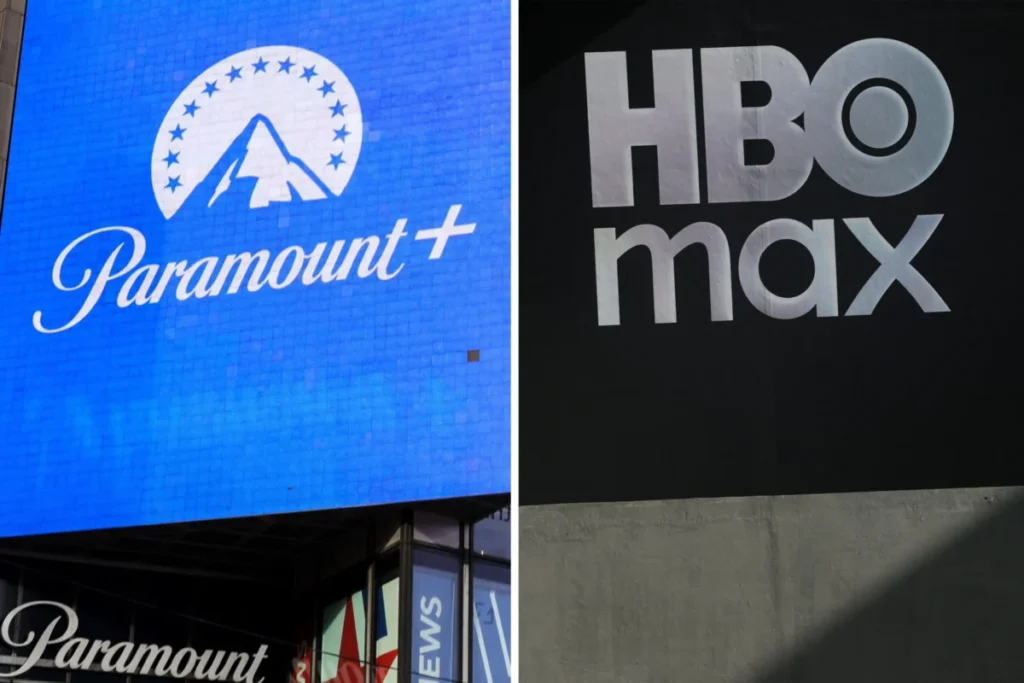


In a transformative shift for the global entertainment industry, Paramount Skydance has emerged as the definitive winner in the high-stakes pursuit of Warner Bros. Discovery (WBD), effectively ending a months-long bidding war that saw the world’s largest streaming service, Netflix, retreat from the negotiating table. The Warner Bros. Discovery board of directors confirmed on Thursday that Paramount’s revised offer of $31 per share represents a superior proposal to the existing bid from Netflix, which had previously sat at $27.75 per share. The announcement prompted Netflix co-CEOs Ted Sarandos and Greg Peters to formally withdraw their candidacy, citing a lack of financial attractiveness in matching the escalated valuation.
The deal, which values the combined entity at a significant premium over its current market capitalization, signals a massive consolidation of legacy media assets and digital streaming power. Paramount’s path to victory was paved by a strategic $1 per share increase from its prior $30 offer, a move that finally broke the deadlock and satisfied WBD’s fiduciary obligations to its shareholders. Beyond the per-share price, Paramount’s offer includes a staggering $7 billion breakup fee—a clear signal of confidence that the merger will withstand the inevitable antitrust scrutiny from federal regulators.
The Financial Architecture of the Acquisition
The financial mechanics of the Paramount-Skydance acquisition are as complex as they are ambitious. According to a Friday SEC filing, Paramount has already fulfilled a critical prerequisite of the deal by paying the $2.8 billion breakup fee that Warner Bros. Discovery owed to Netflix following the termination of their preliminary agreement. This immediate liquidity injection served to stabilize WBD’s balance sheet and demonstrate Paramount’s serious intent.
The $31-per-share offer represents a significant premium over WBD’s trading price prior to the bidding war’s commencement in late 2025. Market analysts suggest that the total enterprise value of the deal, including the assumption of Warner Bros. Discovery’s existing debt—which has been a point of concern for investors since the 2022 merger of WarnerMedia and Discovery Inc.—could reshape the financial benchmarks of the media sector.
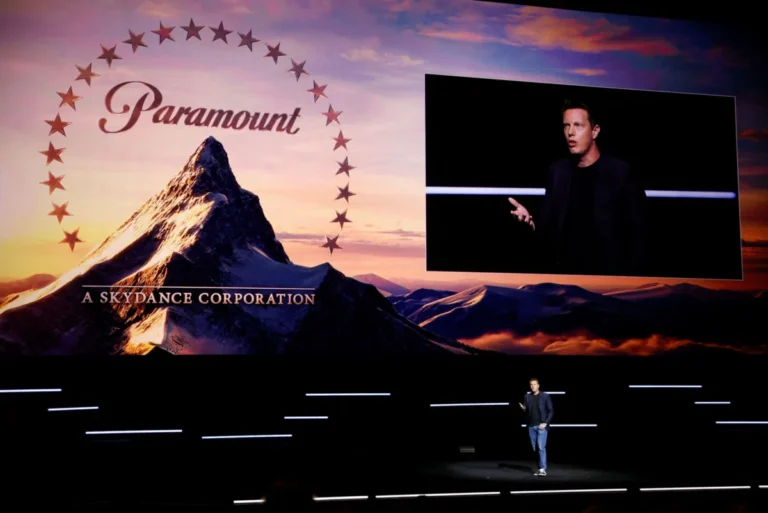
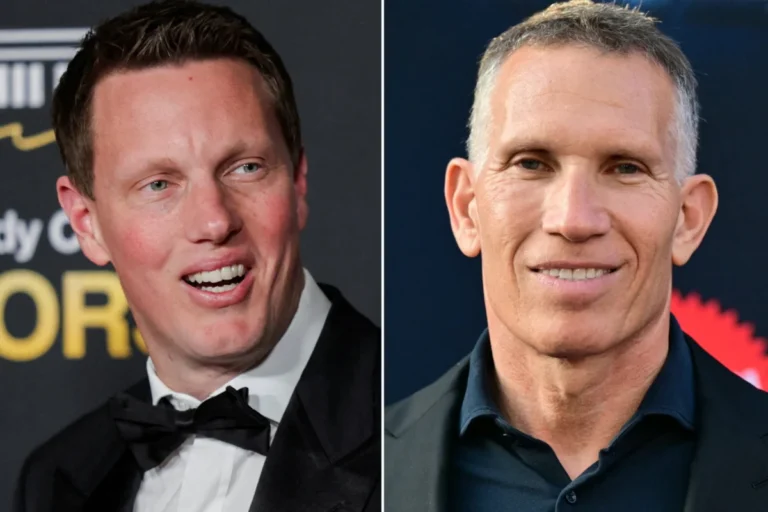
Paramount Skydance CEO David Ellison, who has been the primary architect of the takeover, has positioned the deal as a necessary evolution for survival in a market dominated by tech giants. By combining Paramount’s historic studio and CBS network assets with WBD’s HBO, CNN, and Warner Bros. Pictures, the new entity aims to create a content library that is unparalleled in depth and historical significance.
A Chronology of the Bidding War
The road to this week’s announcement began in late 2025, when Paramount launched a surprise hostile bid for Warner Bros. Discovery. At the time, the media landscape was reeling from a cooling streaming market and a decline in traditional linear television advertising revenue. Paramount’s initial move was met with resistance from the WBD board, which initially favored a competing bid from Netflix.
Netflix’s entry into the fray was viewed as a paradigm shift. For years, the streaming giant had focused on organic growth and internal production. The pursuit of WBD signaled Netflix’s desire to own a massive "vault" of legacy IP, including the DC Universe and the Wizarding World of Harry Potter, to reduce its reliance on third-party licensing. In December 2025, Netflix appeared to be the frontrunner with a $27.75-per-share offer that focused primarily on WBD’s studio and streaming divisions, while expressing less interest in the company’s linear cable networks.
However, Paramount’s persistence and willingness to acquire the entirety of WBD—including the potentially volatile cable assets like CNN, TBS, and TNT—eventually tilted the scales. Throughout January and early February 2026, David Ellison engaged in a series of aggressive negotiations, culminating in the $31-per-share bid that Netflix ultimately deemed too expensive to match.
Navigating the Regulatory Labyrinth
While the board-level battle has concluded, the regulatory journey for Paramount and Warner Bros. Discovery is only beginning. Industry experts and antitrust lawyers note that while the Paramount deal may face a different set of hurdles than a Netflix merger would have, it is by no means guaranteed a "cakewalk" through the Department of Justice (DOJ) and the Federal Trade Commission (FTC).
The primary concern with a Netflix-WBD merger was the concentration of streaming power. A combined Netflix and Paramount+/HBO Max entity would have controlled a dominant share of the domestic SVOD (Subscription Video on Demand) market, leading to fears of price hikes for consumers and a reduction in original content investment. In contrast, the Paramount-WBD deal is characterized as "horizontal consolidation."
Joseph Kalmenovitz, an assistant professor of finance at the University of Rochester’s Simon Business School, notes that the timing of the bid was strategic. "David Ellison didn’t just outmaneuver a Hollywood board—he timed the regulatory cycle perfectly," Kalmenovitz said. He suggested that the current administration’s shift toward a more deal-friendly establishment could favor Paramount.
However, the "horizontal" nature of the deal brings its own complications. The merger would place two of the "Big Three" news organizations—CBS News and CNN—under one corporate roof. This concentration of journalistic influence is expected to draw intense scrutiny from lawmakers on both sides of the aisle. Furthermore, the combination of major sports broadcasting rights held by CBS and TNT/TBS could lead to concerns regarding the negotiation power the new company would have over cable providers and digital platforms.

The Political Dimension: From the White House to the State House
The political backdrop of the deal is equally complex. Paramount Skydance CEO David Ellison’s father, Oracle co-founder Larry Ellison, maintains a well-documented relationship with President Donald Trump. This connection, coupled with SEC filings showing that Jared Kushner is backing the Paramount deal, has led to speculation that the merger may enjoy a more favorable reception from federal regulators than its competitors.
Earlier this month, President Trump clarified his stance on the merger, stating that while he had initial concerns about market share, the final decision would rest with the Department of Justice. This was a notable shift from his December comments, where he suggested he would be personally involved in the review process.
Despite potential federal favor, opposition is mounting at the state and legislative levels. California Attorney General Rob Bonta, a Democrat, has warned that the merger is "not a done deal." The California Department of Justice has already opened an investigation into the potential impact on the state’s labor market and the broader entertainment ecosystem.
In Washington, Senator Elizabeth Warren (D-Mass.) has been a vocal critic, describing the merger as an "antitrust disaster" that threatens to limit choices for American families. The involvement of sovereign wealth funds from Saudi Arabia, Abu Dhabi, and Qatar in Paramount’s funding structure has also raised eyebrows, though the company has stated these entities will have no governance or board representation.
Content Consolidation: A New Era for Franchises and News
From a consumer perspective, the merger represents the most significant consolidation of intellectual property in Hollywood history. The combined company will own:
- The DC Universe: Uniting with Paramount’s action-heavy portfolio.
- Star Trek and Harry Potter: Bringing two of the world’s largest sci-fi and fantasy franchises under one banner.
- The HBO Library: Including Game of Thrones and The Sopranos, alongside the vast Paramount Pictures archives.
- Live Sports: A powerhouse portfolio including the NFL on CBS, March Madness, and the NBA on TNT.
Paren Knadjian, a partner at advisory firm EisnerAmper, emphasized that the concentration of this intellectual property is the deal’s most significant variable. "What power does that give this new entity in terms of the ability to charge more?" Knadjian asked. He noted that the ability to bundle these assets into a single streaming service could make the new Paramount-WBD entity the most formidable competitor to Disney+ and Netflix.
Industry Analysis: The Strategic Logic of Horizontal Integration
Analysts from Raymond James and Morningstar have largely lauded the deal as the "best outcome" for WBD shareholders. By selling the entire company rather than carving out the streaming assets—as Netflix had proposed—WBD ensures that its legacy cable networks are not left as "stranded assets" in a declining linear market.
"The regulatory path forward for Paramount is meaningfully easier than Netflix’s," Raymond James analysts wrote in a note to investors. They argued that while news and sports concentration remain issues, the political standing of Paramount Skydance provides a buffer that Netflix lacked.
Morningstar analysts echoed this sentiment, suggesting that Netflix’s decision to walk away was a disciplined financial move. "Netflix was unnecessarily overpaying for WBD’s streaming and studios," they noted, suggesting that Netflix is better served focusing on its current content pipeline rather than integrating a massive legacy studio.
Future Outlook: The Road to Closing
As the legal teams for Paramount and Warner Bros. Discovery begin the arduous task of filing for regulatory approval, the industry remains in a state of watchful anticipation. The merger is expected to take anywhere from 12 to 18 months to close, provided it does not encounter significant legal roadblocks.
To appease regulators, the companies may be forced to make significant concessions. These could include the divestiture of certain cable networks or the implementation of strict editorial firewalls between CBS News and CNN. There is also the possibility of "must-carry" provisions for sports content to ensure that competitors are not locked out of essential broadcasting rights.
Ultimately, the Paramount-WBD deal is more than just a corporate merger; it is a bet on the future of the American media landscape. In an era defined by digital disruption, David Ellison and the Paramount Skydance team are wagering that scale, heritage, and a massive library of intellectual property remain the ultimate currency in Hollywood. Whether the government agrees remains the $31-per-share question.