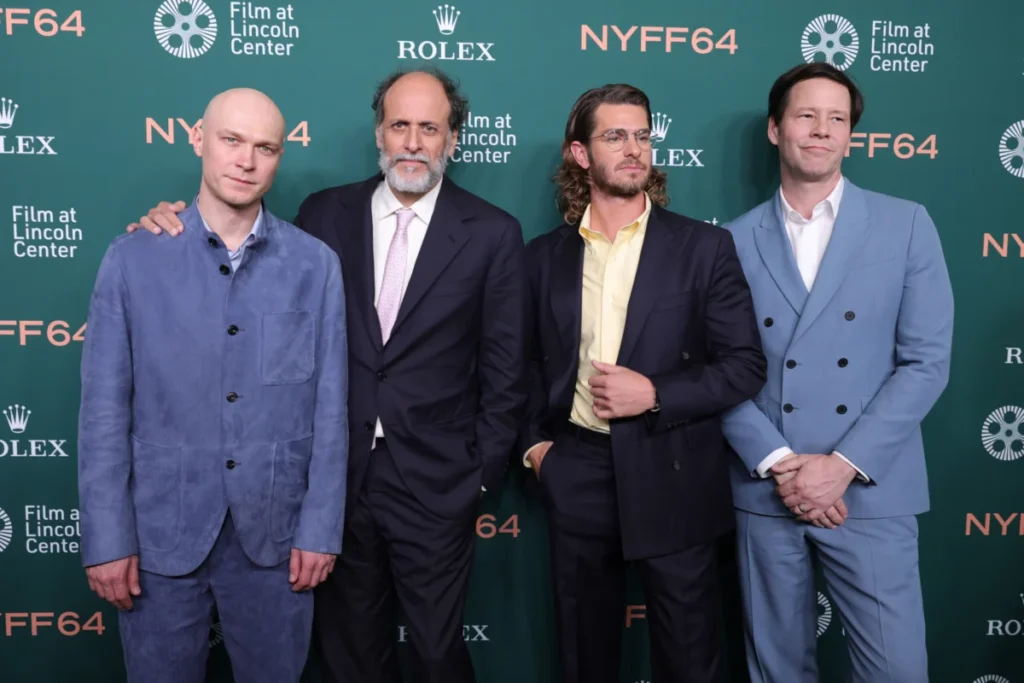


The 64th New York Film Festival (NYFF64) has officially concluded, marking the final major milestone in the "big four" circuit of international film festivals, which includes Venice, Telluride, and the Toronto International Film Festival (TIFF). This annual gathering at Lincoln Center serves as a critical bellwether for the Academy Awards, providing a final platform for prestige titles to secure critical momentum before the official voting period begins. Episode 511 of the Next Best Picture Podcast features a comprehensive review of the festival’s closing chapter, featuring insights from panelists Katie Johnson, Dan Bayer, and Larry Fried, who analyzed the festival’s most significant world premieres and high-profile screenings.
The Conclusion of the Fall Festival Circuit
The conclusion of NYFF64 effectively closes the curtain on the most volatile period of the film awards season. Historically, the festival circuit operates as a funnel for the Academy of Motion Picture Arts and Sciences (AMPAS). Films that premiere at Venice or Telluride often receive their final North American polish at the New York Film Festival.
This year’s edition featured a diverse array of premieres, most notably the highly anticipated Artificial and 14th, alongside screenings of Fjord and The Debut. The critical reception of these films during the NYFF run provides the industry with a clearer picture of the frontrunners for the upcoming Oscar ceremony. The "big four" festivals are widely regarded as the primary indicators for potential Best Picture nominees, as they collectively host the majority of the films that go on to receive nominations in the major categories.
Analysis of Recent Premieres and Trailers
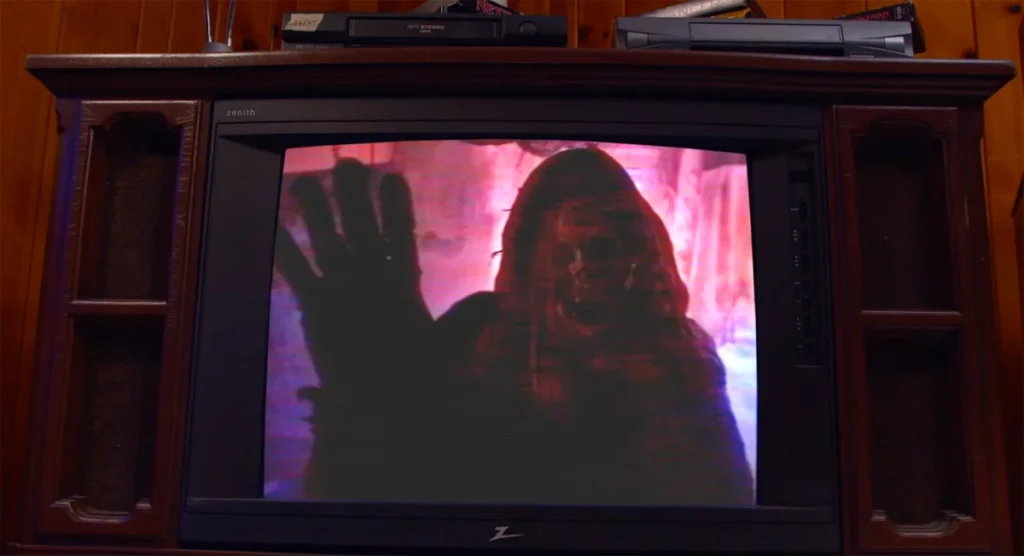
The podcast panel dedicated significant time to the evaluation of emerging cinema, specifically addressing the recent trailer drops that have ignited industry discourse. The discussion highlighted the marketing campaigns for The Exorcist: Martyrs, Godzilla Minus Zero, Heartland, and La Gradiva.
The reception of these trailers often dictates audience anticipation levels and social media engagement metrics, which are increasingly factored into the distribution strategies of major studios. Godzilla Minus Zero, in particular, follows in the wake of recent successful iterations of the franchise, which have demonstrated a strong ability to perform both critically and commercially. The panel’s analysis suggests that these titles are positioning themselves to capture specific demographic segments, moving beyond traditional genre constraints to appeal to a wider cinematic audience.
The Next Best Picture Poll: Assessing the Oscar Landscape
A central theme of the episode was the results of the latest NBP poll, which addressed the primary question facing the industry: "Which Film Do You Think Will Be The Next Best Picture Oscar Winner?" This poll serves as a barometer for current critical sentiment. Given that the festival circuit is now complete, industry analysts have shifted their focus toward the statistical probability of specific films maintaining their momentum through the upcoming awards season.
The panel also addressed the recent industry consolidation, specifically the merger of Warner Bros. and Paramount Pictures into Skydance. This corporate shift has prompted a re-examination of the legacy of Warner Bros. in the context of Academy history. The previous NBP poll question, "Which Is Your Favorite Warner Bros. Best Picture Nominee?" underscored the studio’s historical dominance in the prestige category, with listeners and critics alike citing a range of films that have defined the studio’s contribution to American cinema over the past century.
The Evolution of Podcast Engagement and Mailbag Monday
Recognizing the need for a more structured engagement with its audience, the Next Best Picture team has announced the introduction of "Mailbag Monday." This dedicated show will address fan-submitted questions in a separate format, ensuring that the primary podcast episode remains focused on thematic analysis and news coverage. This strategic shift reflects the growing demand for specialized content within the film podcasting space, where listeners increasingly prioritize deep-dive segments over general discussions.

This evolution in programming is part of a broader trend within independent media outlets that are increasingly reliant on direct-to-consumer models. By separating the Q&A segment, the production team aims to provide a more streamlined experience for those tuning in for industry analysis, while simultaneously rewarding active listeners with dedicated, personalized content.
Implications for the Awards Season
The end of the NYFF marks the beginning of the "precursor season." Throughout the coming months, various guilds—including the Screen Actors Guild (SAG), the Producers Guild of America (PGA), and the Directors Guild of America (DGA)—will begin their own nomination processes. These ceremonies are influenced heavily by the critical reception generated during the festival circuit.
The data gathered from festival screenings, combined with initial box office performance and critical aggregate scores, provides the framework for the industry’s predictions. Films that struggled to find a foothold at the NYFF may face an uphill battle in securing nominations, while those that received critical acclaim are likely to dominate the conversation as the Academy’s voting members begin their review processes.
Organizational Context and Support
The Next Best Picture Podcast is a constituent of the Evergreen Podcasts Network, a collaborative effort designed to aggregate high-quality audio content across various niches. The podcast’s model, which relies on a mix of advertising revenue and listener support through Patreon, is indicative of the current economic reality for independent film journalism.
As the awards season progresses, the necessity for independent, expert-led analysis becomes increasingly apparent. With the mainstream media’s focus often shifting toward blockbusters, niche platforms like Next Best Picture provide a crucial service for cinephiles and industry professionals who require granular data on limited-release, independent, and international films that are often ignored by traditional entertainment outlets.
Looking Ahead: The Road to the Academy Awards
The trajectory of the current awards season remains fluid. While the festival circuit provides the initial foundation for Oscar predictions, the period between October and January is often characterized by late-breaking campaigns and shifts in critical consensus. As the panelists noted during the broadcast, the "big four" festivals are only the beginning of a long-form process.
The industry will continue to monitor the performance of the films discussed in Episode 511 as they enter wide release or transition to streaming platforms. The impact of these films on the cultural zeitgeist, coupled with the ongoing changes in studio ownership and distribution strategies, suggests that the upcoming awards season will be one of the most unpredictable in recent years.
Conclusion
The 64th New York Film Festival has successfully set the stage for the remainder of the awards cycle. Through its detailed examination of the festival’s closing, the analysis of upcoming film trailers, and the rigorous debate surrounding the potential Best Picture contenders, the Next Best Picture Podcast continues to serve as an essential resource for those following the industry. As the season progresses, the shift toward structured engagement models like "Mailbag Monday" and the continued reliance on expert, data-driven analysis will remain critical components of the film discourse. The industry now waits to see which of the films premiered at the NYFF—or those arriving in the final months of the year—will ultimately secure the highest honor in cinema.
Listeners interested in the ongoing dialogue surrounding these films and the broader awards landscape are encouraged to engage with the team’s ongoing coverage, which promises to adapt alongside the shifting dynamics of the film industry as the path to the Oscars narrows in the coming months.