


The United States video game industry experienced a significant contraction in June 2026, with total consumer spending across hardware, software, and accessories falling 21 percent compared to the same period in 2025. According to the latest monthly report from market analysis firm Circana, total industry revenue for the month reached $4.5 billion, a sharp decline from the $5.7 billion recorded during the historic highs of June the previous year. This downturn reflects a broader stabilization of the market following a period of unprecedented growth driven by major hardware launches and blockbuster software releases. Despite the monthly slump, the industry remains resilient on a year-to-date basis, with total spending for the first six months of 2026 trailing the 2025 pace by only one percent.
The Hardware Sector: Navigating a High Watermark
The most dramatic shift occurred in the hardware sector, where spending plummeted by 62 percent year-over-year. However, analysts at Circana emphasize that this decline must be viewed within the context of the previous year’s extraordinary performance. June 2025 marked the launch of the Nintendo Switch 2, a release that shattered multiple records and became the fastest-selling video game hardware device in United States history, surpassing the initial launch trajectory of the PlayStation 4. Because June 2025 holds the record for the highest hardware and accessory spending ever recorded in the U.S. market, a year-on-year decline was widely anticipated by industry observers.
The Nintendo Switch 2, while seeing a 79 percent drop from its record-breaking debut month, maintained its position as the best-selling hardware platform in both unit sales and dollar revenue for June 2026. It also remains the market leader for the year-to-date period. The platform’s ability to lead the market despite a significant percentage drop suggests that while the initial "launch fever" has subsided, consumer demand for Nintendo’s ecosystem remains the primary driver of the domestic hardware market.
Sony’s PlayStation 5 showed signs of stabilization in June, placing second in both unit and dollar sales. This performance represents a notable recovery from May 2026, when the console registered a 58 percent year-on-year decline and its lowest sales figures since May 2000. In June, the PlayStation 5’s hardware spending decline narrowed to 19 percent year-on-year. This recovery is attributed to a more robust supply chain and a steady stream of mid-year promotional activities that have managed to capture consumer interest despite a lighter first-party release schedule.
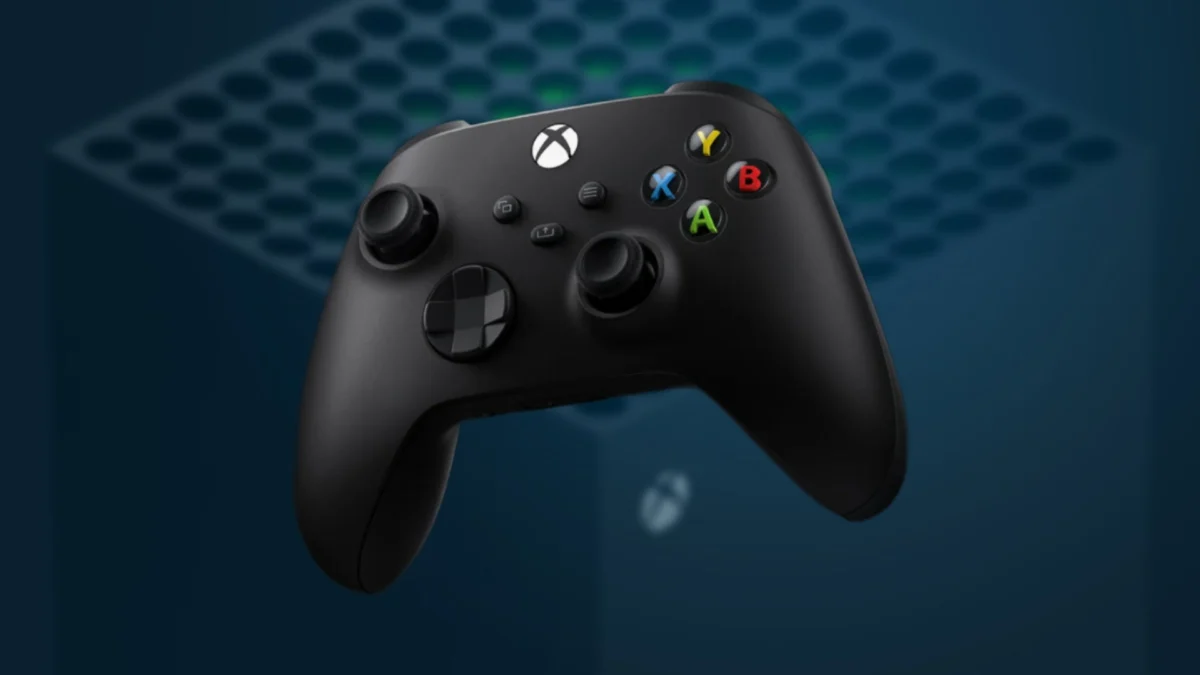
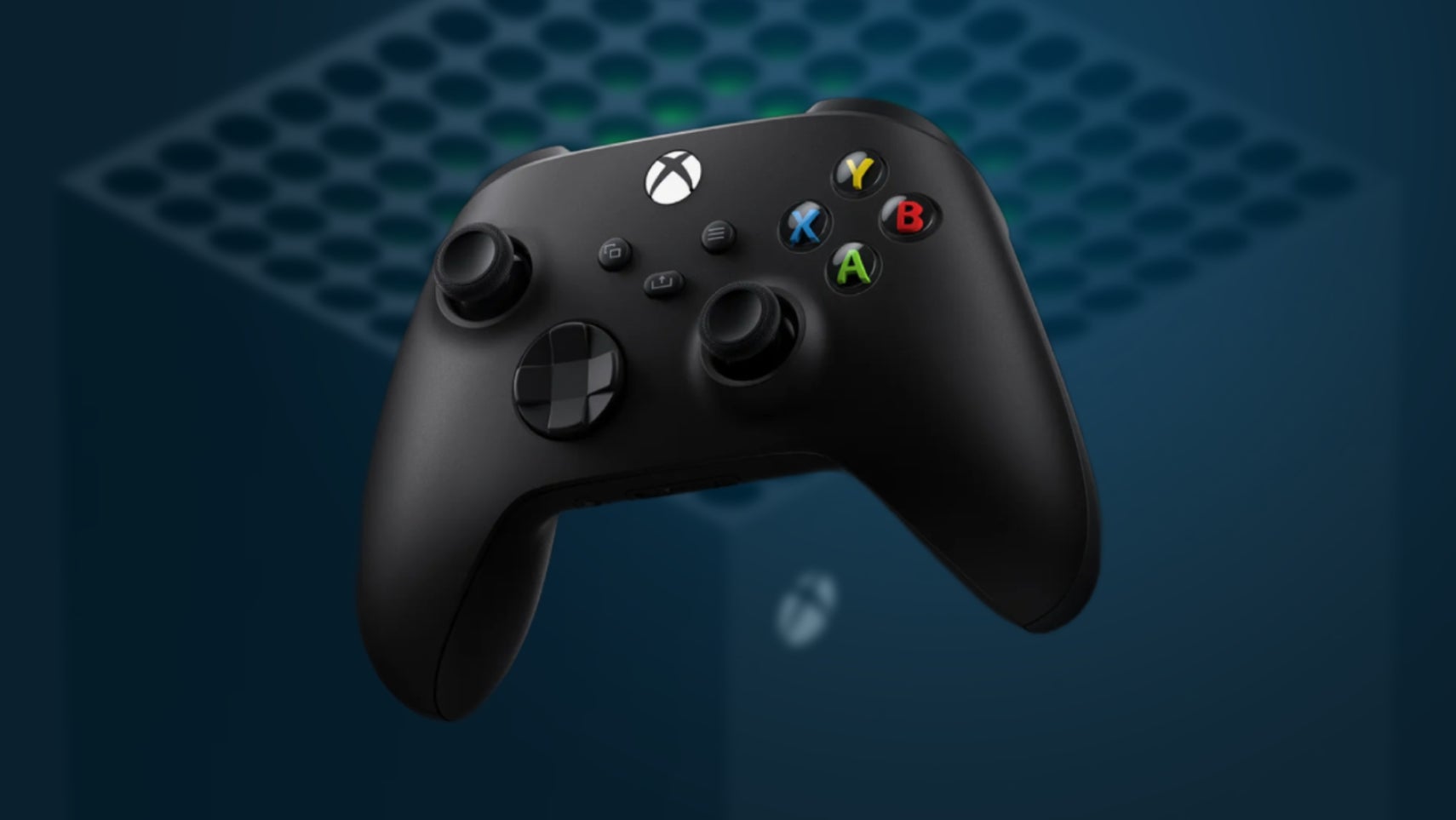
The Xbox Series X/S consoles provided the only growth story in the hardware category for the month. Spending on Microsoft’s hardware more than doubled compared to June 2025. While this triple-digit growth appears impressive, market analysts note that it is largely a result of a low baseline. In May 2026, Xbox hardware sales hit the lowest levels ever recorded for the platform in a May month. The June surge suggests a correction in inventory levels and perhaps the impact of recent Game Pass announcements and hardware bundles that have incentivized late-cycle adopters to enter the Xbox ecosystem.
Software and Content Trends: Viral Hits and Franchise Dominance
Total spending on video game content, which includes full-game purchases, DLC, and in-game microtransactions, fell by 12 percent in June. This decline is partly due to a lack of high-profile "AAA" releases compared to the previous year. However, the software charts for June 2026 highlight a diversifying market where traditional sports franchises and viral independent titles coexist at the top of the rankings.
Electronic Arts’ UFC 6 claimed the top spot as the best-selling new release of the month across all platforms. The title’s success underscores the enduring popularity of sports simulations in the North American market. Following closely in the second position was Meccha Chameleon, a viral hit on the Steam platform. The title, which has taken the industry by surprise, is estimated to have sold over 4 million copies in June alone. Its success mirrors previous indie phenomena like Palworld and Among Us, demonstrating that low-cost, high-engagement social titles continue to disrupt the traditional hierarchy of the gaming market.

The only other new release to break into the top ten was Nintendo’s Star Fox, which debuted at number four. The return of the classic franchise provided a necessary boost to Nintendo’s software revenue, though it was unable to offset the broader decline in premium software spending. The remainder of the top ten was populated by evergreen titles and long-running live-service games, which continue to generate steady revenue through digital add-ons.
The Rise of the Subscription Economy
One of the few bright spots in the Circana report was the performance of the subscription segment. Spending on services such as Xbox Game Pass, PlayStation Plus, and Nintendo Switch Online grew by 7 percent in June. This was the only segment tracked by Circana to show positive year-over-year growth.
The continued rise of subscriptions suggests a fundamental shift in consumer behavior. As the cost of individual "AAA" titles remains high, more players are opting for the value proposition offered by monthly subscription tiers. This trend provides a buffer for the industry during months with fewer major retail releases, as recurring revenue models offer a more predictable financial floor than volatile hardware and software sales cycles. Industry analysts suggest that the growth in subscriptions is also being driven by the integration of cloud gaming services, which allow users to access high-end titles on mobile devices and smart TVs without the need for dedicated hardware.
Comparative Analysis and Market Implications
When analyzing the first half of 2026, the data paints a picture of an industry in a "holding pattern" rather than one in a terminal decline. The one percent year-to-date dip is remarkably slim considering the massive hardware surge of 2025. The current slump is widely viewed as a "normalization" period—a return to a standard market rhythm after the disruptions and spikes of the post-pandemic era and the Switch 2 launch.

The 21 percent drop in June is a stark reminder of how dependent the industry is on "event" releases. In June 2025, the market was propelled by a generational hardware launch; in June 2026, it relied on a sports sequel and an indie sleeper hit. The disparity between these two scenarios explains the majority of the revenue gap.
Industry stakeholders have expressed a cautious optimism for the remainder of the year. Historically, the second half of the calendar year—encompassing the "back-to-school" season and the winter holidays—accounts for the lion’s share of annual revenue. With several highly anticipated titles on the horizon, including the early marketing push for Grand Theft Auto 6, the industry is positioned for a potentially record-breaking Q3 and Q4.
Looking Forward: Projections for July and Beyond
Market analysts expect July’s report to show a significant rebound in consumer spending. Several major titles released or updated in July are expected to drive both software sales and hardware engagement. Key titles include Assassin’s Creed Black Flag Resynced, which taps into nostalgia for the fan-favorite Ubisoft title, and EA Sports College Football 27, a franchise that traditionally sees massive engagement in the U.S. market.
Furthermore, Splatoon Raiders and Halo: Campaign Evolved (a reimagining of the original title) are expected to bolster the software charts for Nintendo and Xbox, respectively. The "Palworld resurgence," driven by a massive content update, is also expected to contribute to the digital content spending figures for July.

The long-term outlook for the industry remains tied to the release of Grand Theft Auto 6. As the most anticipated title of the decade, its impending launch is already influencing consumer saving habits and hardware purchase decisions. Retailers are reportedly preparing for a surge in console sales as players upgrade their systems in anticipation of the Rockstar Games epic.
In conclusion, while the June 2026 report from Circana highlights a period of cooling for the U.S. video game market, the underlying fundamentals remain strong. The decline in hardware spending is a logical consequence of following a record-breaking year, and the growth in subscriptions indicates a healthy, evolving ecosystem. As the industry moves into the latter half of the year, the focus will shift from these comparative declines to the massive potential of the upcoming holiday release slate. The resilience of the year-to-date figures suggests that by the end of December, 2026 may yet prove to be one of the most successful years in the history of the medium.